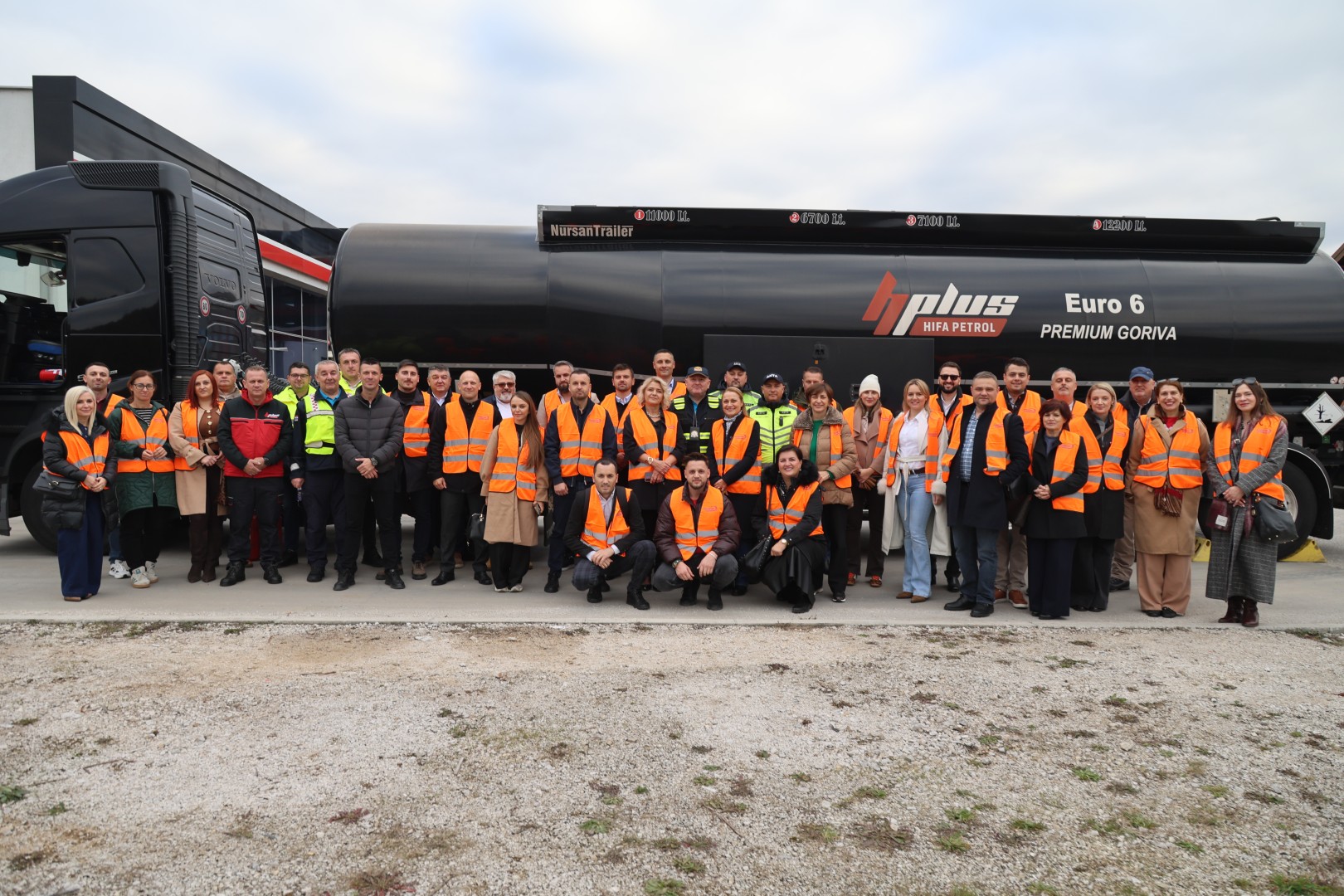
SARAJEVO – Effective roadside checks help prevent crashes, protect professional drivers and ensure fair conditions for transport operators. To strengthen these efforts across the Western Balkans, the Transport Community brought together enforcement authorities and experts in Sarajevo on 28–29 October for practical roadside checks and a Regional Capacity-Building Workshop on Road Transport Enforcement.
The two-day programme connected practical inspection activities with exchanges on EU enforcement practices, supporting more consistent checks and closer cooperation between authorities across the region.
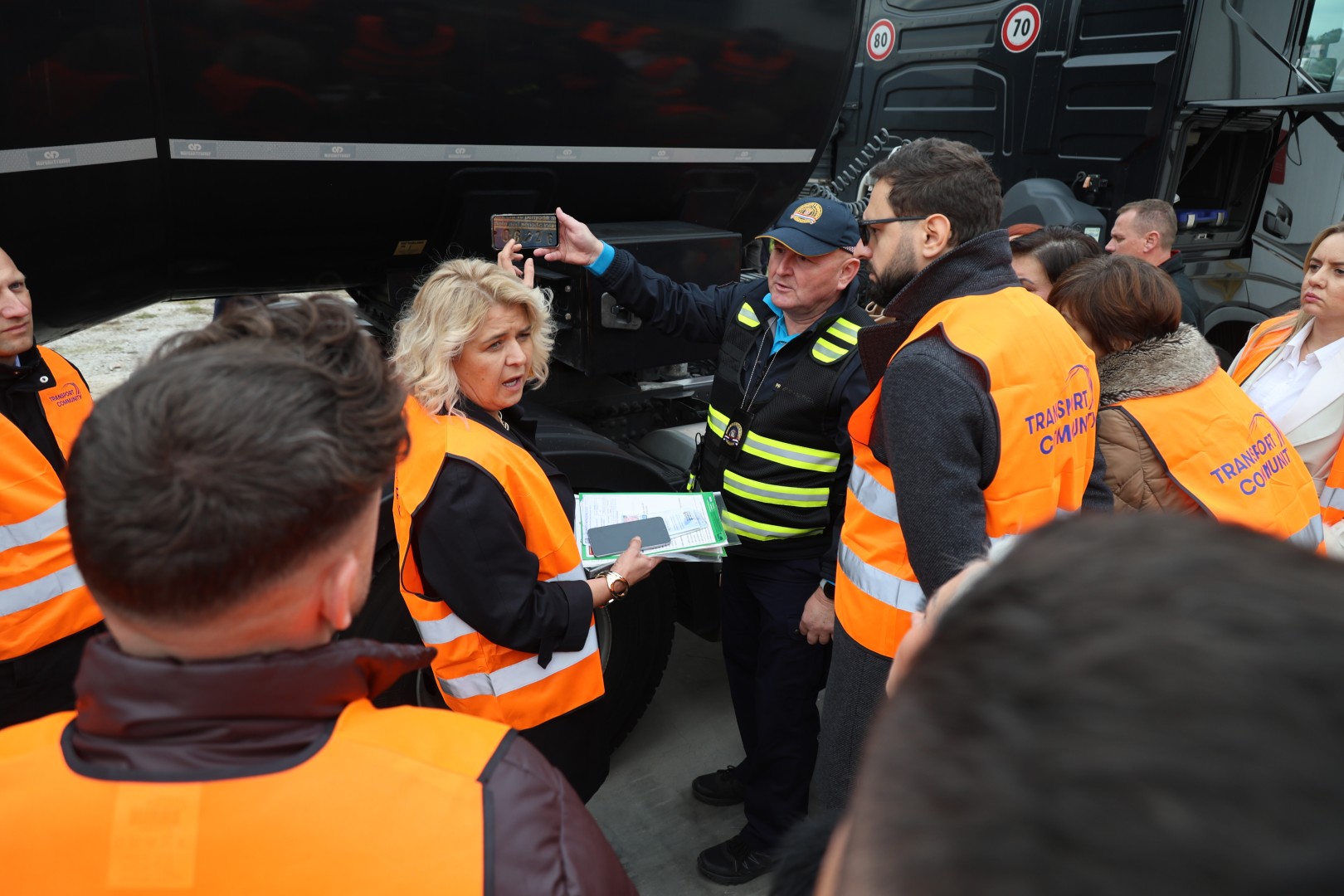
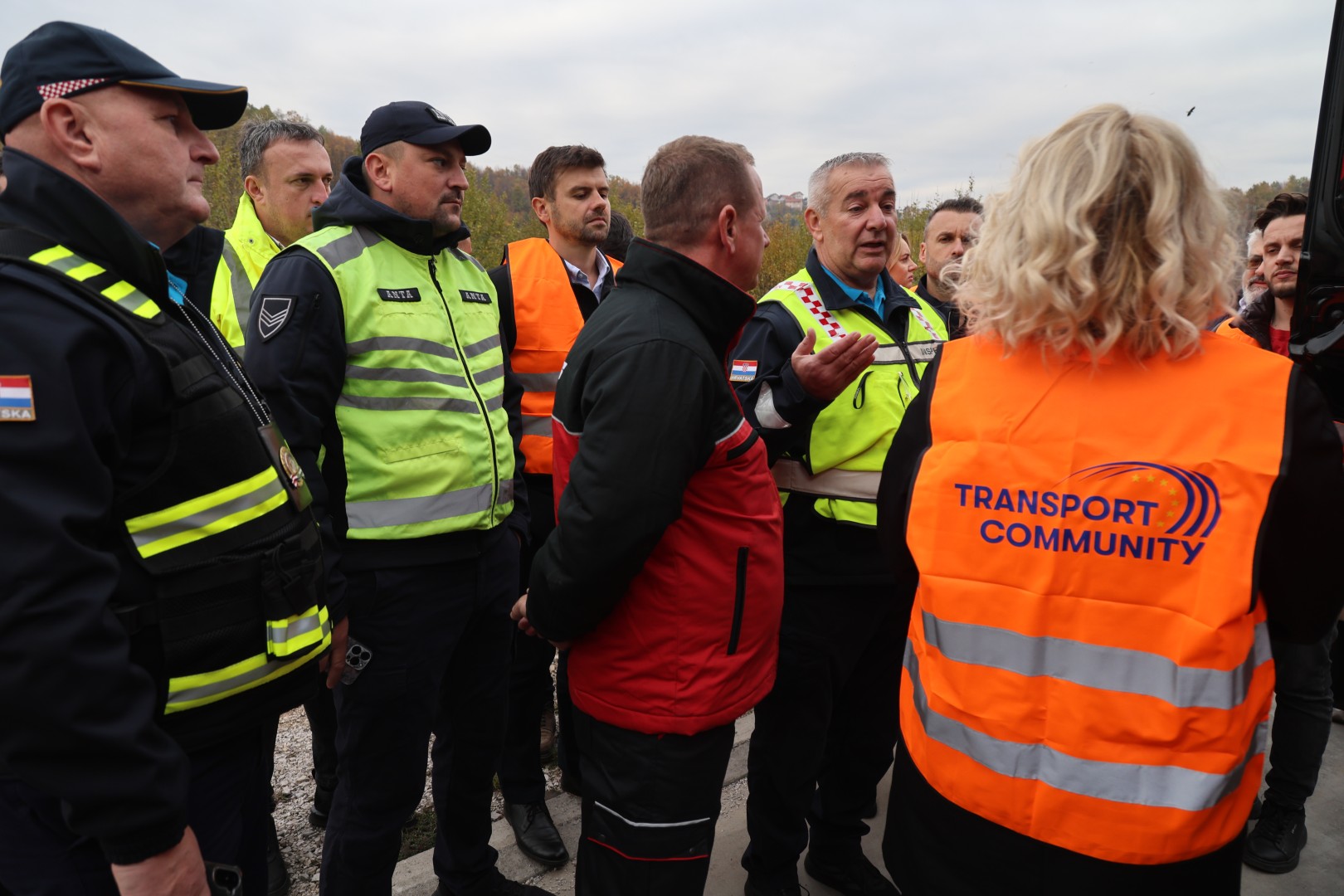
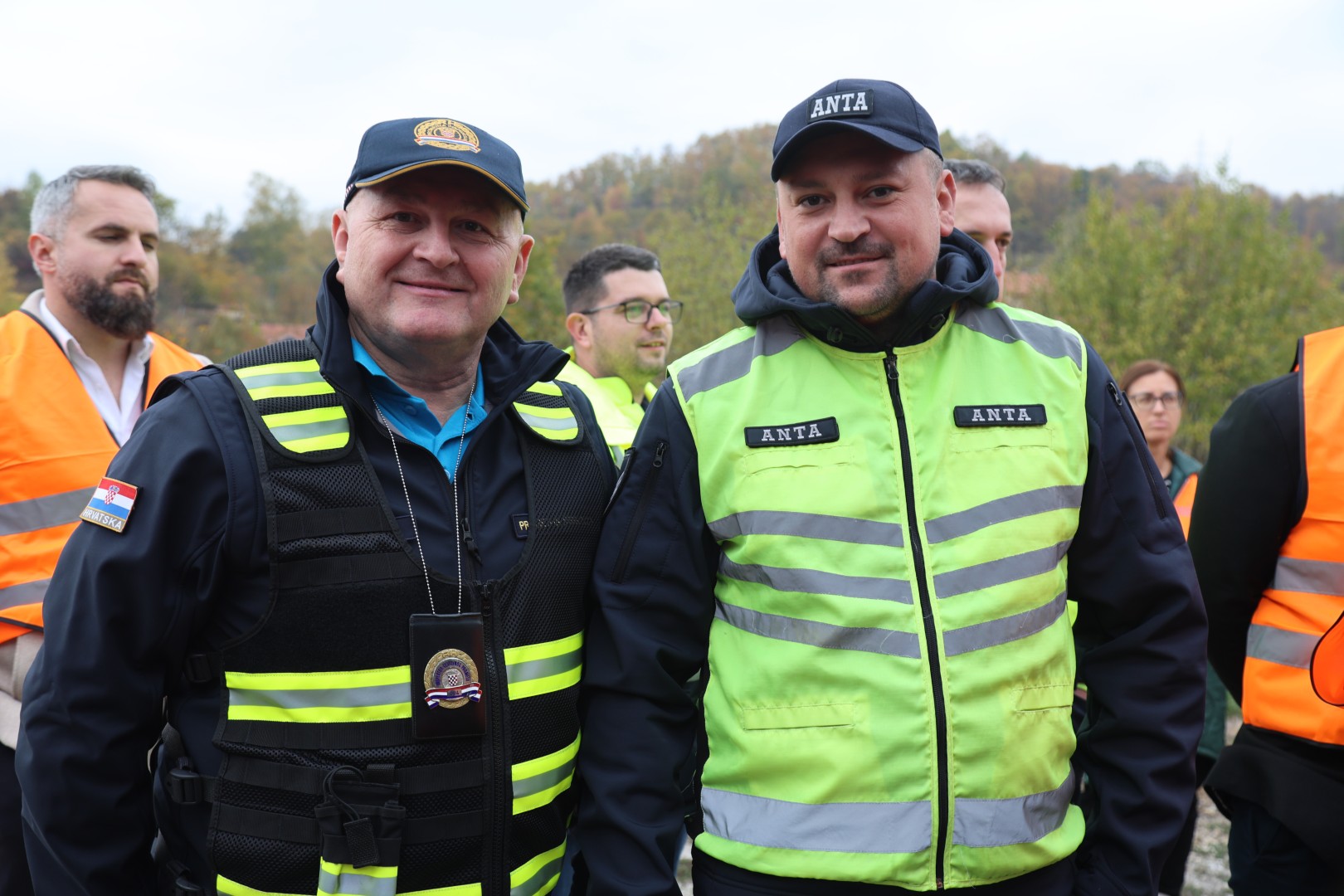
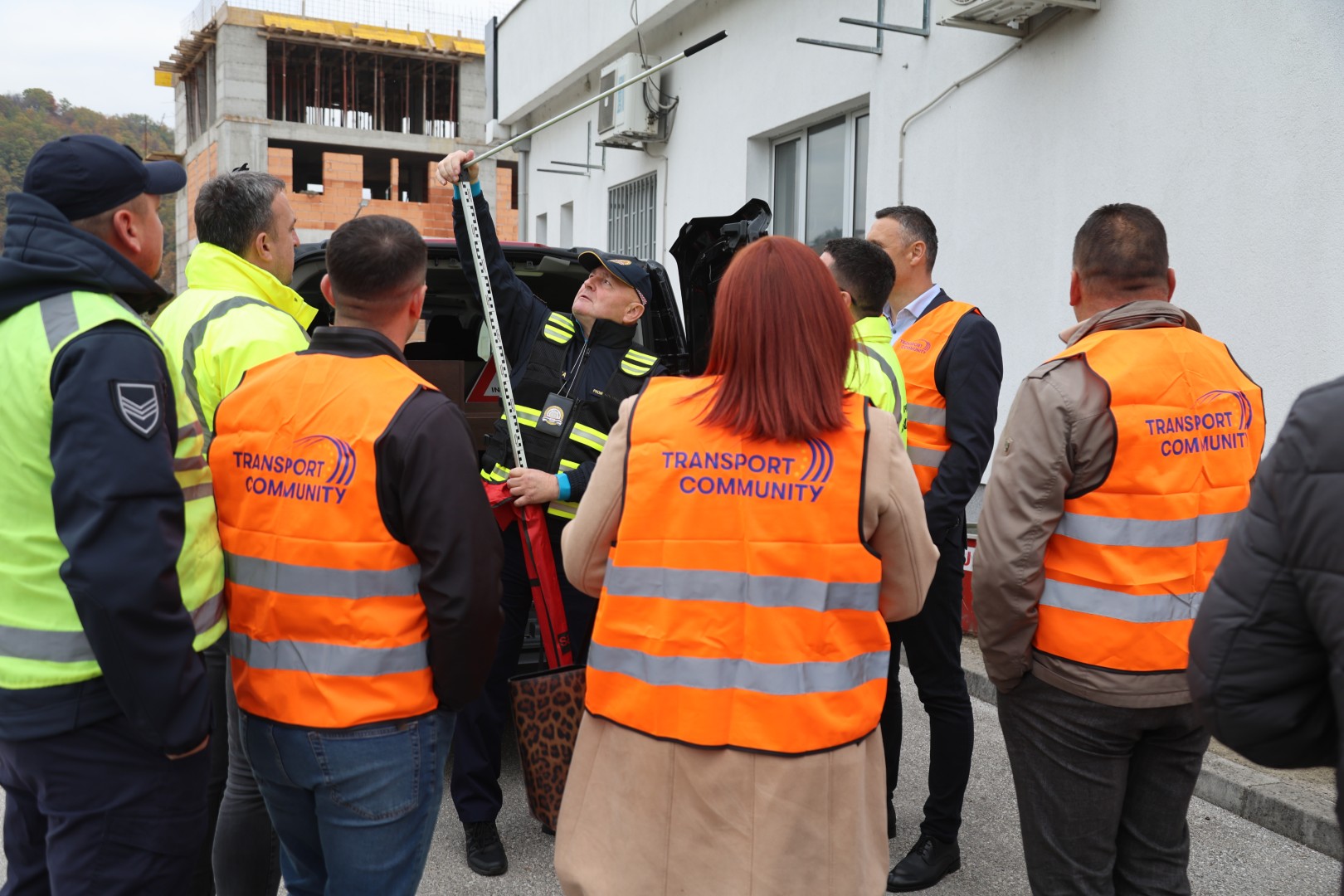
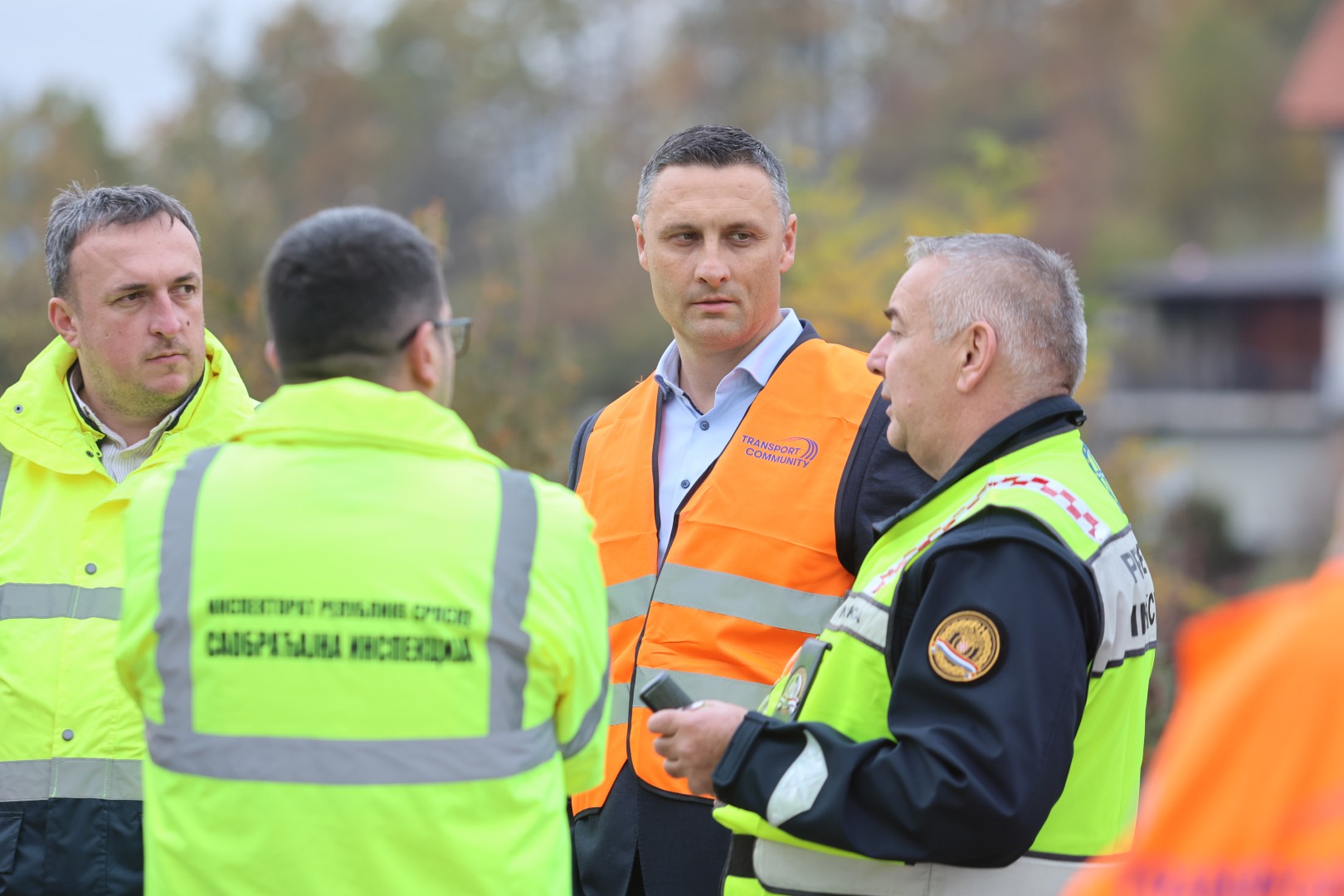
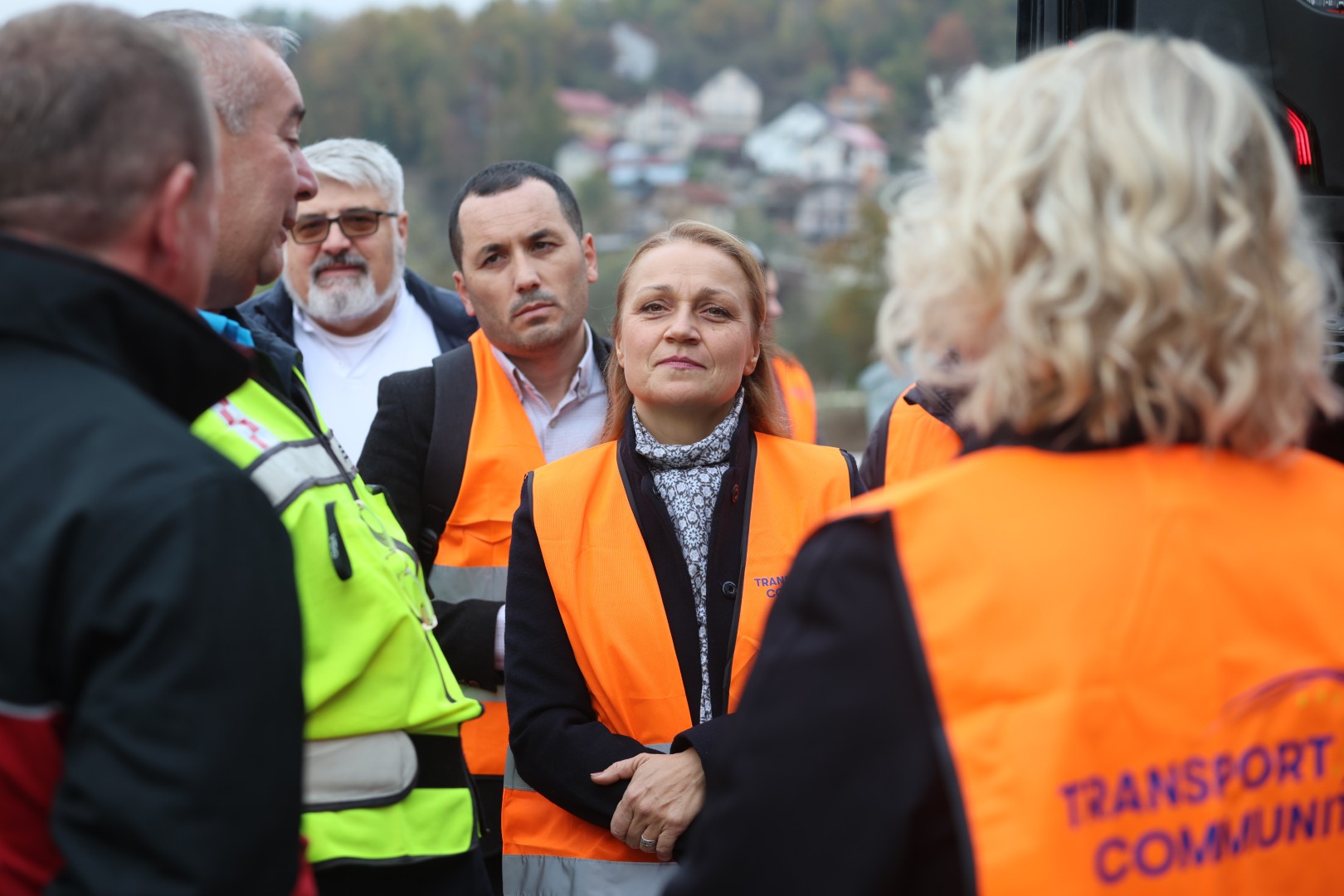
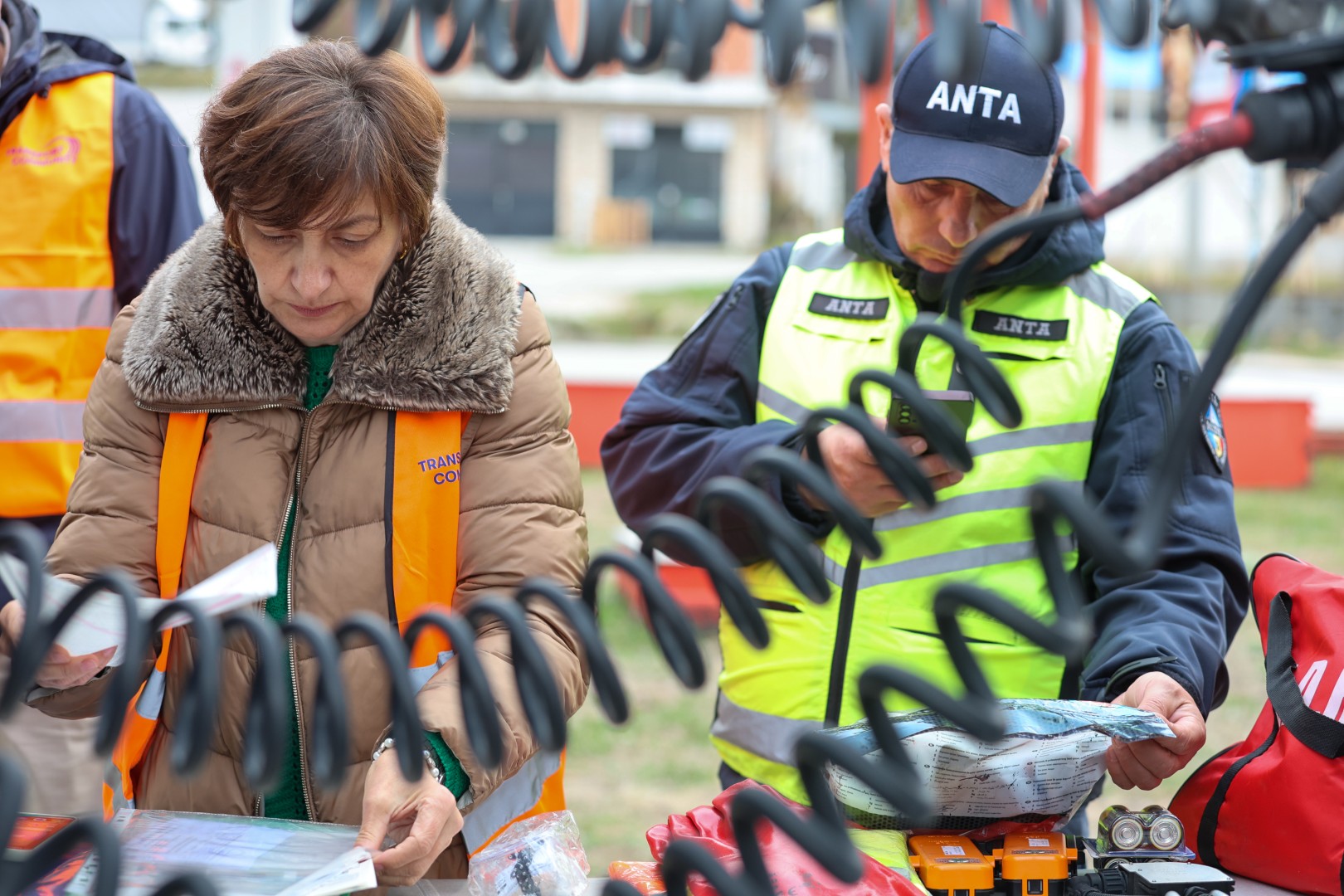
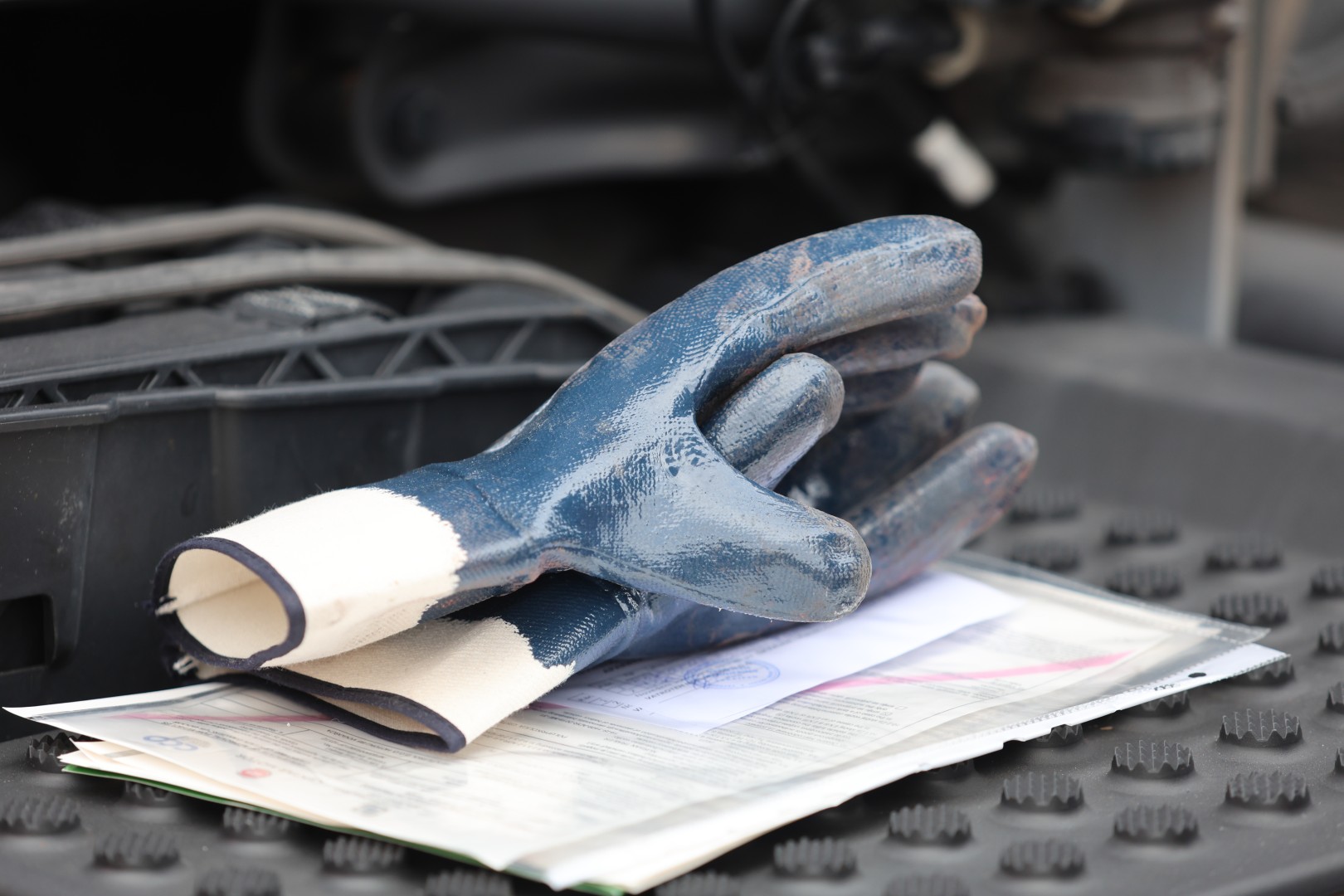
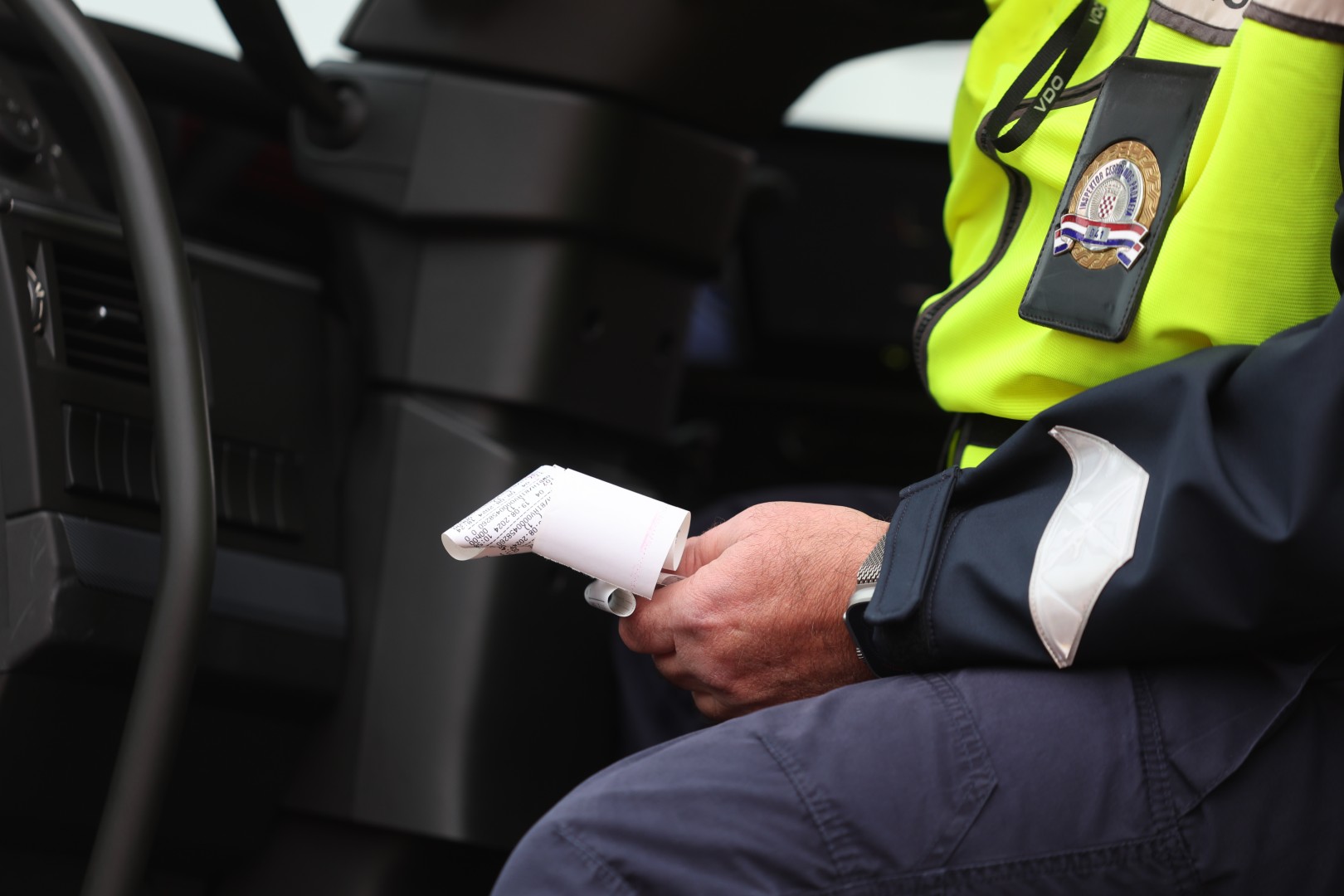
The programme began on 28 October with a roadside check activity in Istočno Sarajevo for participants from the Technical Committees on the Transport of Dangerous Goods and Social Dimension. The activity covered tachographs, vehicle technical condition, vehicle weight and cargo securing, driver documentation, passenger transport and the safe transport of dangerous goods.
Through these practical checks, participants explored how to identify risks, verify compliance and coordinate different inspection tasks. The activity provided an opportunity to exchange experience on challenges encountered by enforcement authorities in their daily work.
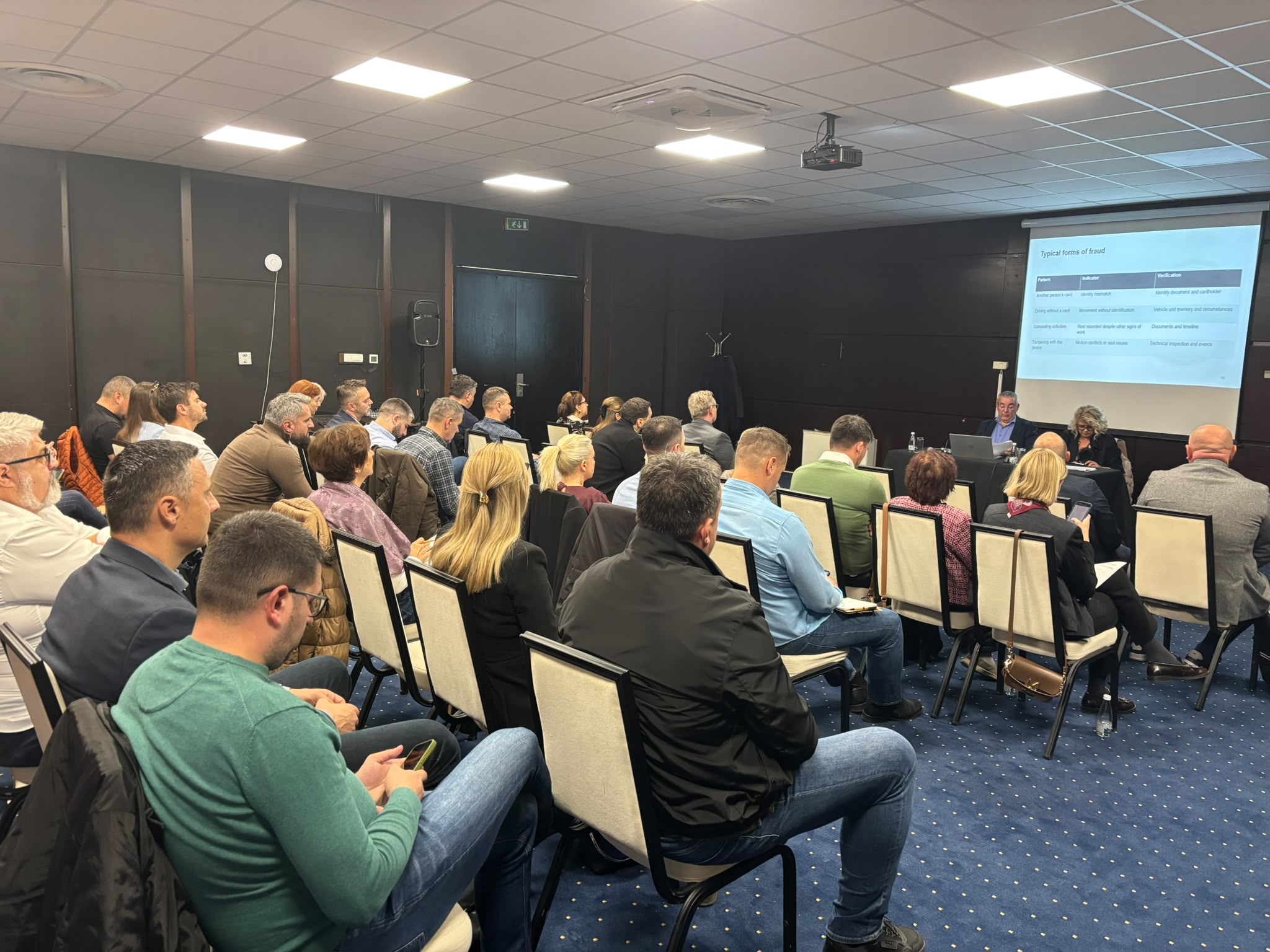
The workshop on 29 October focused on strengthening the capacity of the Transport Community’s Regional Partners to conduct effective, coordinated and risk-based inspections, directing attention towards vehicles and operators most likely to pose safety or compliance risks.
Experts from Croatia’s Ministry of the Sea, Transport and Infrastructure shared experience in planning roadside checks, cooperation between police, transport inspectorates and customs, and the use of mobile inspection equipment.
Practical sessions addressed smart tachographs, which record driving and rest times, including how to detect manipulation and analyse driver data. Participants also examined a step-by-step approach to inspecting vehicles carrying dangerous goods, covering documentation, cargo securing, safety equipment, the classification of infringements and follow-up procedures.
Digital tools for monitoring the transport of dangerous goods and supporting administrative procedures were also presented.
The programme highlighted the link between effective enforcement and better working conditions for professional drivers. Contributions from the technical assistance project supporting road sector reform and road safety addressed alignment with EU social rules, while Euro Contrôle Route shared European experience in road safety enforcement and cross-border cooperation.
A presentation of the Western Balkans Register of Road Undertakings also brought regional cooperation and information on road transport operators into focus.
By connecting practical experience with EU expertise, the events supported a more consistent approach to enforcement across the Western Balkans. Stronger inspection capacity helps turn transport rules into safer journeys, better protection for drivers and fairer competition for businesses.