SOFIA – Strengthening transport cooperation between Bulgaria and the Western Balkans was the focus of a bilateral meeting between Director of the Permanent Secretariat of the Transport Community Tālis Linkaits and Minister of Transport and Communications of Bulgaria Georgi Peev. Discussions centred on railway connections, more efficient border procedures, the EU–Western Balkans Green Lanes initiative and challenges facing professional drivers.
The meeting provided an opportunity to explore closer cooperation on shared priorities, with a focus on connecting infrastructure investment with practical improvements in transport services for citizens and businesses.
Rail connectivity featured prominently on the agenda, including the development of Corridor VIII between Bulgaria and North Macedonia and the modernisation of the Niš–Dimitrovgrad railway along Corridor X in Serbia. Linkaits highlighted the importance of coordinated planning and implementation across borders to ensure that individual investments contribute to reliable, operational corridors. He also proposed regular ministerial and expert-level exchanges on Rail Corridor VIII to support a shared approach among the partners concerned.
Discussions also addressed opportunities to improve railway border operations between Serbia and Bulgaria, including through joint controls. The Secretariat underlined its readiness to facilitate dialogue on arrangements that could reduce waiting times and simplify procedures, in accordance with applicable EU customs and Schengen rules.
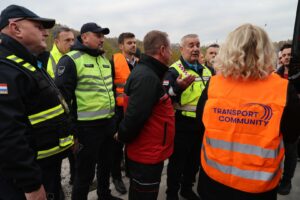
On road transport, the meeting reviewed priorities under the EU–Western Balkans Green Lanes initiative, jointly led by the Transport Community and CEFTA Secretariats. Particular attention was given to the Gradina–Kalotina crossing between Serbia and Bulgaria and the Deve Bair–Gyueshevo crossing between North Macedonia and Bulgaria.
Linkaits emphasised that modernising border infrastructure should be accompanied by stronger cooperation between authorities, digitalisation and more efficient controls. Together, these measures can help reduce delays, improve the predictability of freight movements and strengthen trade links between the Western Balkans and the European Union.
The challenges facing Western Balkan professional drivers due to limited permitted stays in the Schengen area were also raised. Director of the Permanent Secretariat of the Transport Community reiterated the importance of constructive dialogue towards practical, sustainable solutions that recognise the role of professional drivers in maintaining European supply chains, while respecting the requirements for secure and effectively managed borders.
The Transport Community welcomed Bulgaria’s continued engagement in regional transport cooperation and reaffirmed its readiness to support further exchanges on shared rail and road priorities. Closer coordination remains essential to translating infrastructure development and transport reforms into more reliable connections and lasting benefits for the region and the EU.
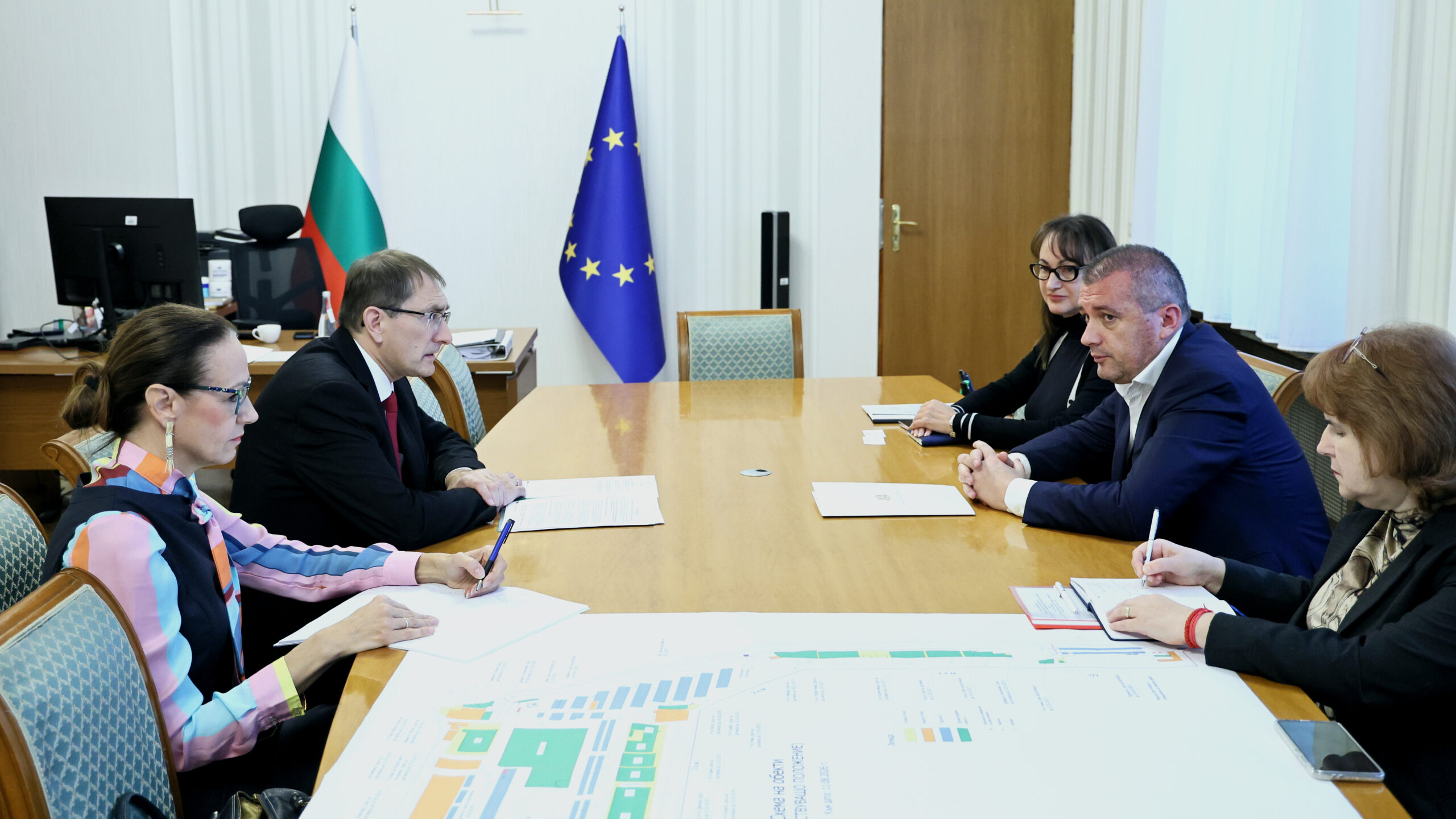
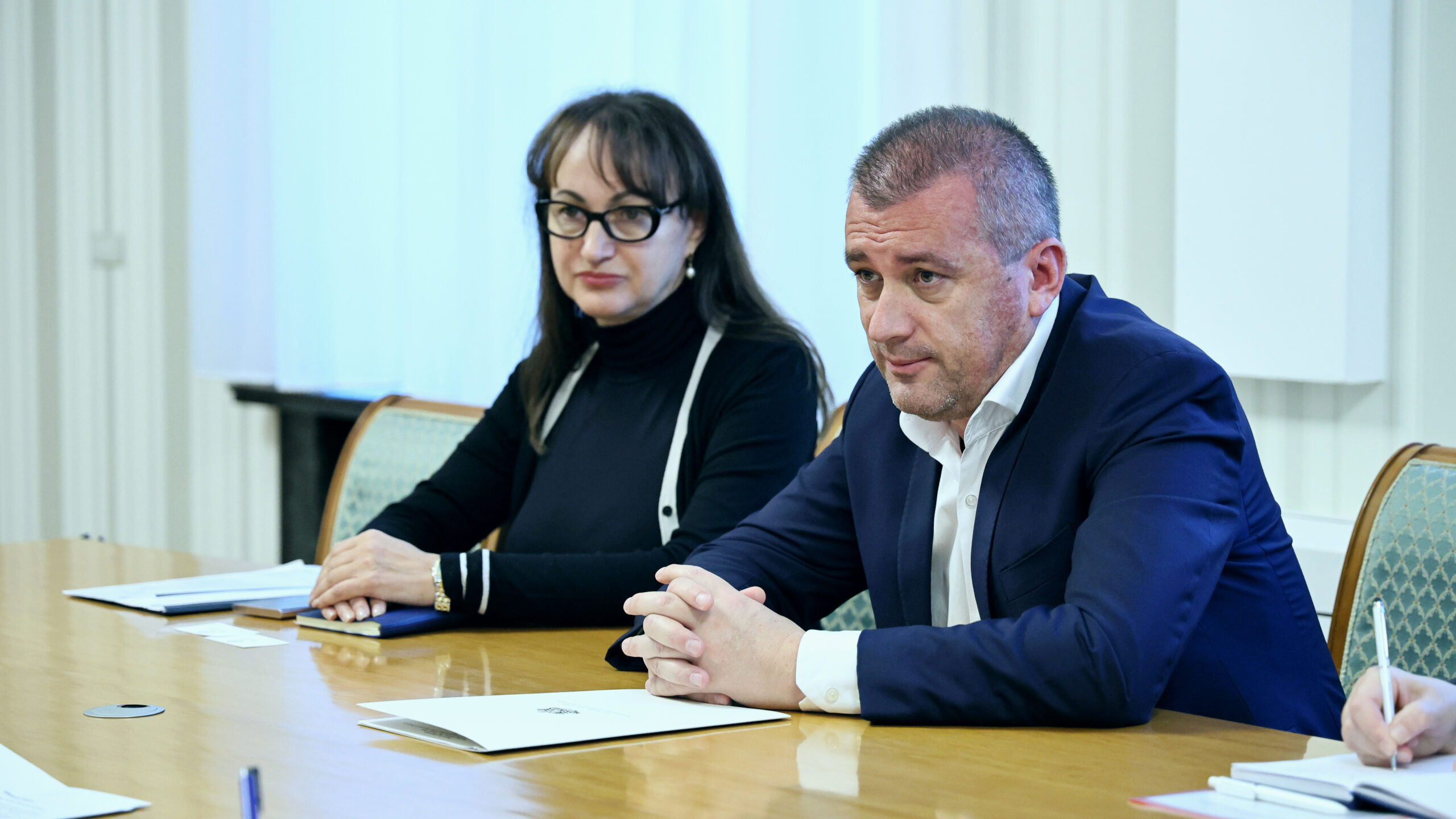
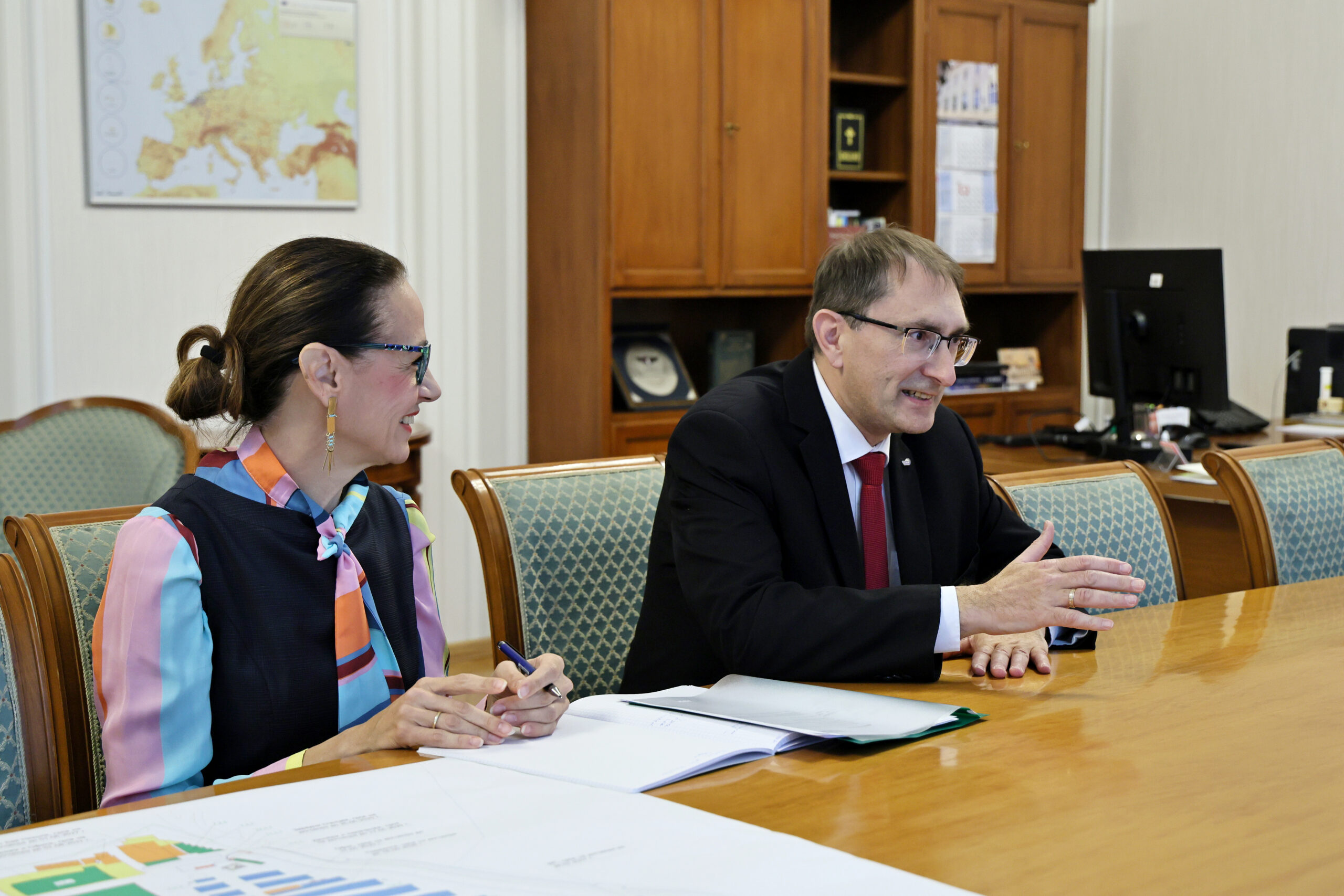
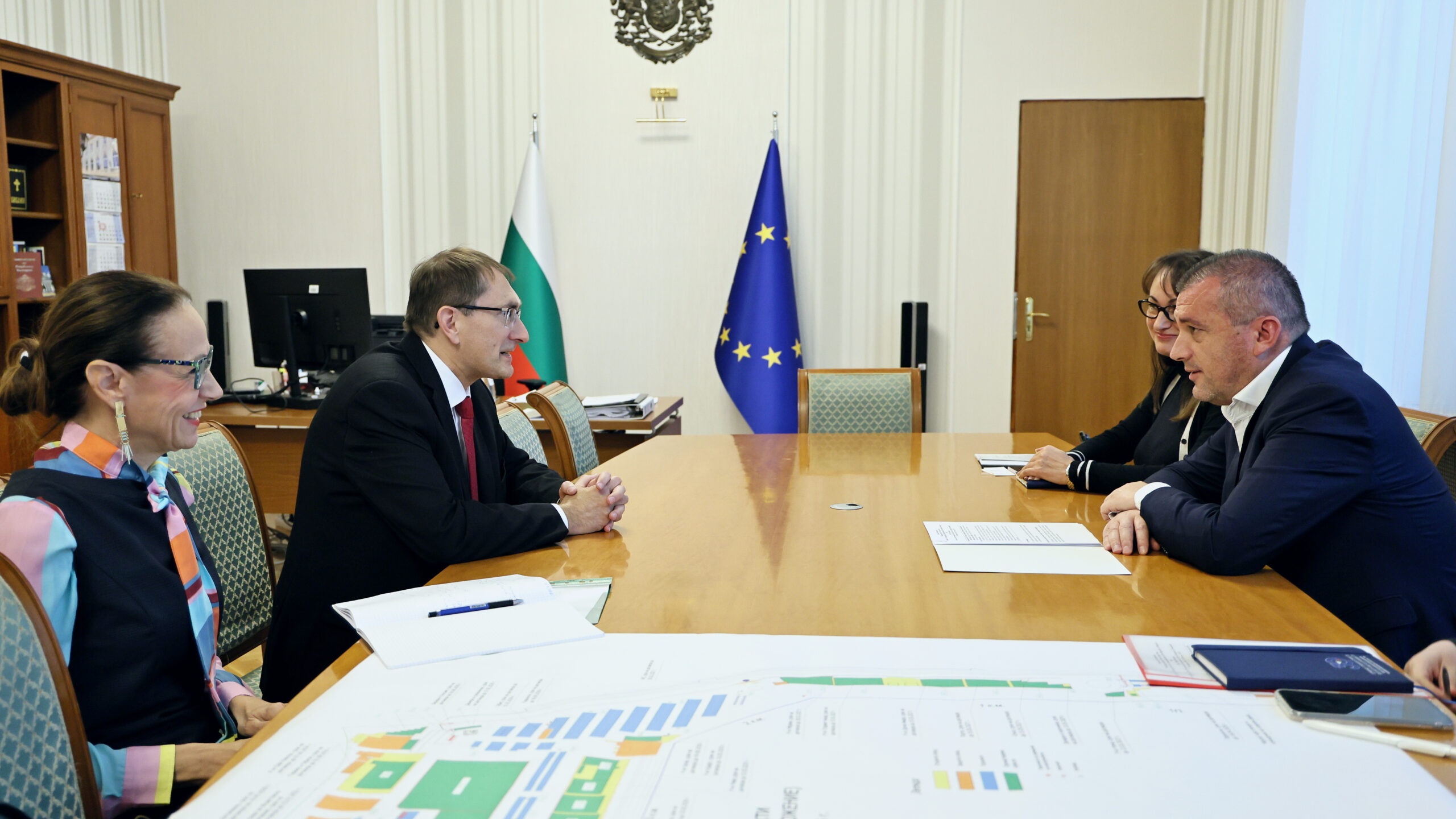
Photo: Ministry of Transport and Communications of Bulgaria