ŽABLJAK – Turning transport commitments into investment-ready projects, cleaner public transport and climate-resilient infrastructure must be a priority for the next phase of the Green Agenda for the Western Balkans, Director of the Permanent Secretariat of the Transport Community Tālis Linkaits emphasised at the Third Annual Ministerial Meeting on the Green Agenda.
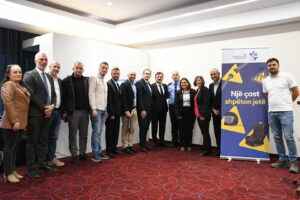
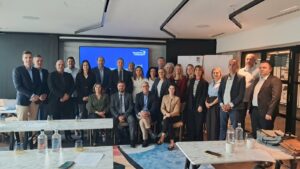
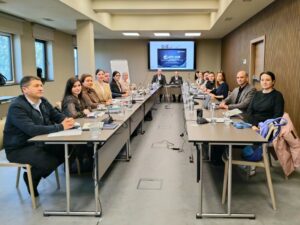
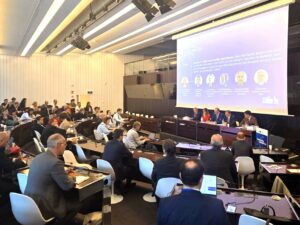
Held in Žabljak, Montenegro, on 18-19 September under Montenegro’s Chairmanship of the Berlin Process, the meeting brought together ministers, regional organisations and international partners to review progress and guide further implementation of the Green Agenda.
Speaking at the Strategic Partners’ Roundtable on delivering the Green Agenda through regional cooperation, Director Linkaits outlined three priorities: accelerating the transition to cleaner transport, supporting sustainable urban mobility and strengthening the resilience of transport networks.
“For the Transport Community, the Green Agenda is not a separate environmental agenda alongside transport policy. It is increasingly becoming the way in which we plan, modernise and invest in transport in the Western Balkans,” he said.
On cleaner transport, Director Linkaits highlighted the need to combine railway electrification with reform and market opening, making rail more competitive and encouraging more passengers and freight to shift from road to rail. He recalled the Action Plan’s objectives of electrifying the TEN-T core rail network by 2030 and the extended core network by 2040.
He also outlined the Transport Community’s technical assistance to regional partners on alignment with the EU Alternative Fuels Infrastructure Regulation, preparation of National Policy Frameworks and development of a regional roadmap. This work aims to support a coherent, interoperable network of charging and refuelling infrastructure across borders and along the TEN-T network.
Sustainable urban mobility was also discussed. Director Linkaits presented the Integrated Framework for Sustainable Urban Mobility in the Western Balkans, adopted by the Transport Community Regional Steering Committee earlier this year and developed with GIZ, NALAS, CIVINET and EIB Advisory. The framework connects city mobility planning with national transport policies, financing and implementation.
The Transport Community is supporting this work through its Clean Bus and Clean Fleet initiative and the development of a regional Clean Bus/SUMP Digital Platform. The platform will bring together information on clean bus deployment, alternative-fuel infrastructure and Sustainable Urban Mobility Plans, alongside training resources and tools for monitoring progress. It will help ministries, cities, public transport operators and financing partners share experience and advance zero-emission public transport.
Addressing climate resilience, Director Linkaits cited the Transport Community’s regional vulnerability assessment, which found that 56% of road links and 34% of railway links are highly exposed to climate hazards. Floods, landslides, high temperatures and other extreme weather events already pose risks to transport infrastructure across the region.
He highlighted the Climate Resilience Annexes signed in June by Western Balkan road authorities and railway infrastructure managers. These establish practical arrangements for mutual assistance, information exchange, capacity building and coordinated responses to extreme weather.
“We have strategies, action plans and political commitments. What we now need is to translate them into mature projects, investment pipelines, stronger institutions and visible changes on the ground,” Director Linkaits said.
He stressed that implementation requires both financing and skilled people to prepare projects, manage investments and monitor delivery. Closer coordination between transport and environment authorities, cities, EU institutions, regional organisations and international financial institutions will be essential.
Building on the Hamburg and Dubrovnik ministerial meetings, the Third Annual Ministerial Meeting provided a forum to review progress on the Green Agenda for the Western Balkans and guide its next phase of implementation. Organised by the Regional Cooperation Council (RCC), in cooperation with the Government of Montenegro, under Montenegro’s Chairmanship of the 2026 Berlin Process, the Federal Ministry for Economic Cooperation and Development of Germany (BMZ), within the framework of the Regional Climate Partnership between Germany and the Western Balkans Six, and with the support of the European Commission, it focused on climate and water resilience, biodiversity, nature protection, the circular economy and sustainable finance. The outcomes of the Ministerial Meeting include a Ministerial Declaration and political endorsement of regional initiatives on climate adaptation, biodiversity conservation, forest landscape restoration and plastic pollution, contributing to the forthcoming Berlin Process Summit.
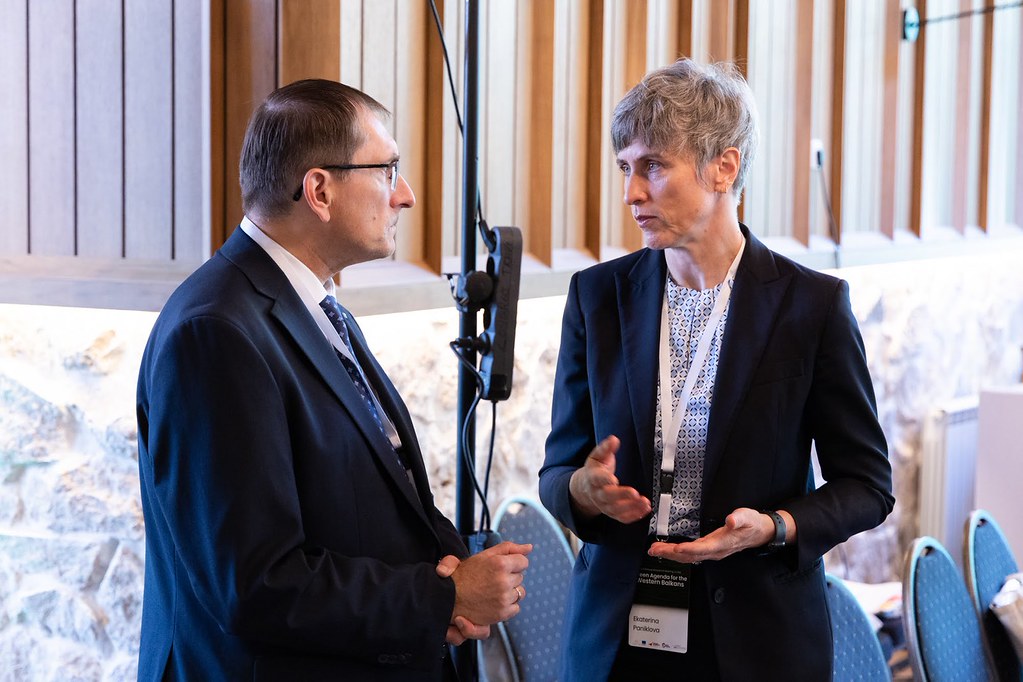
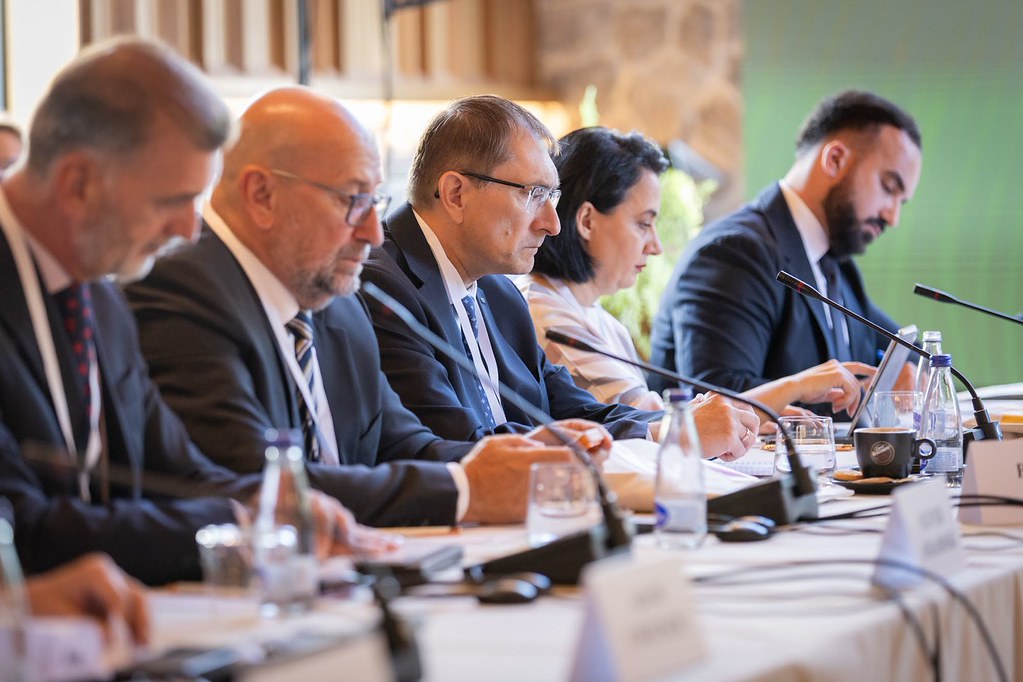
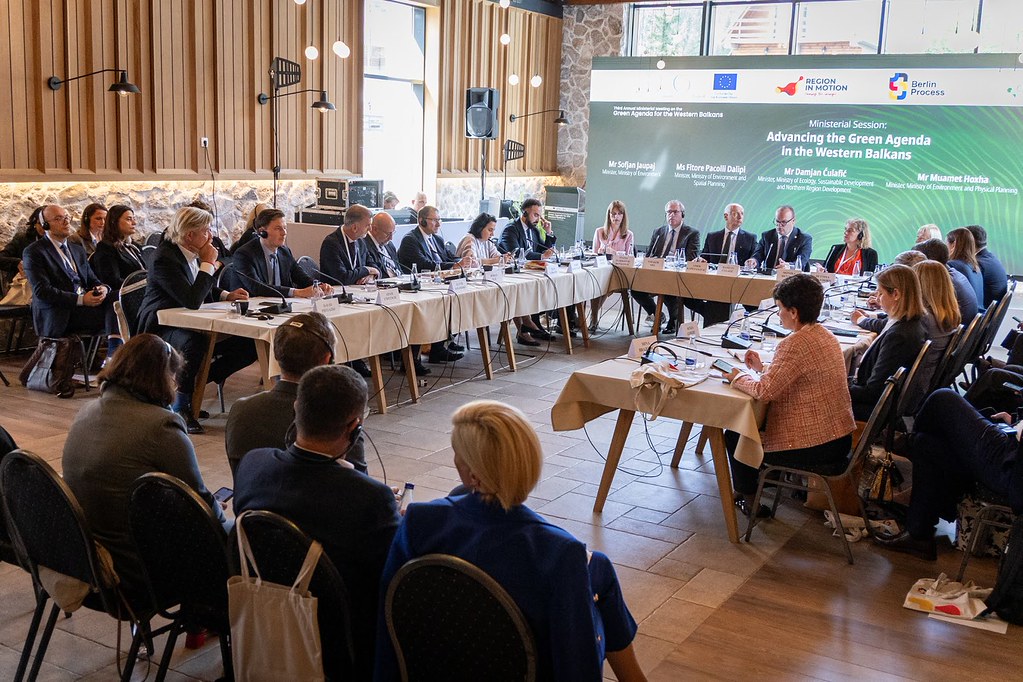
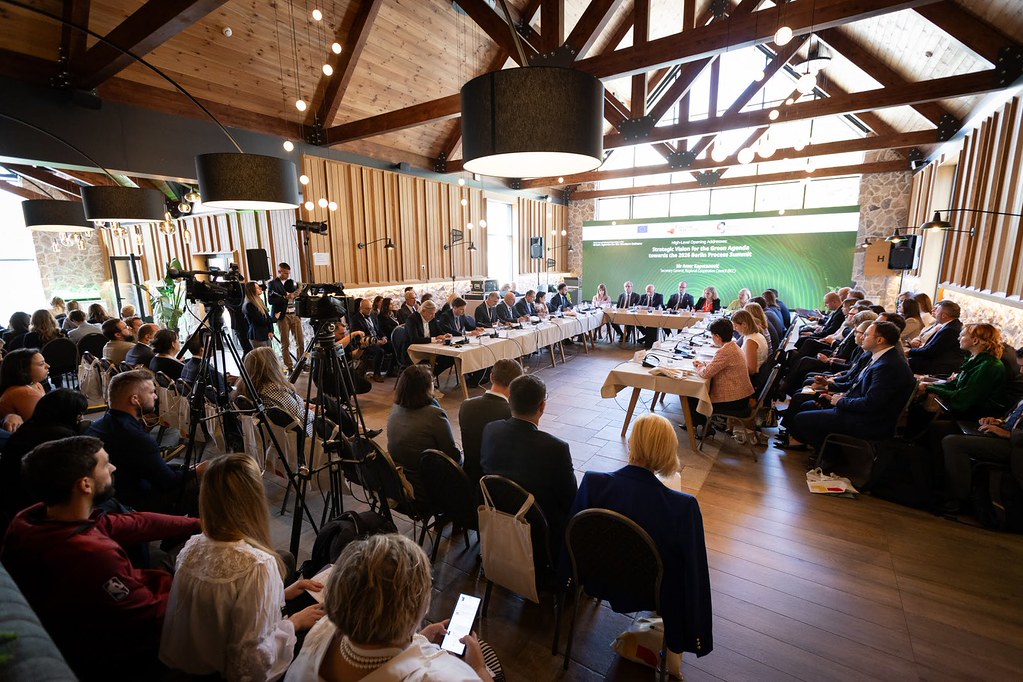
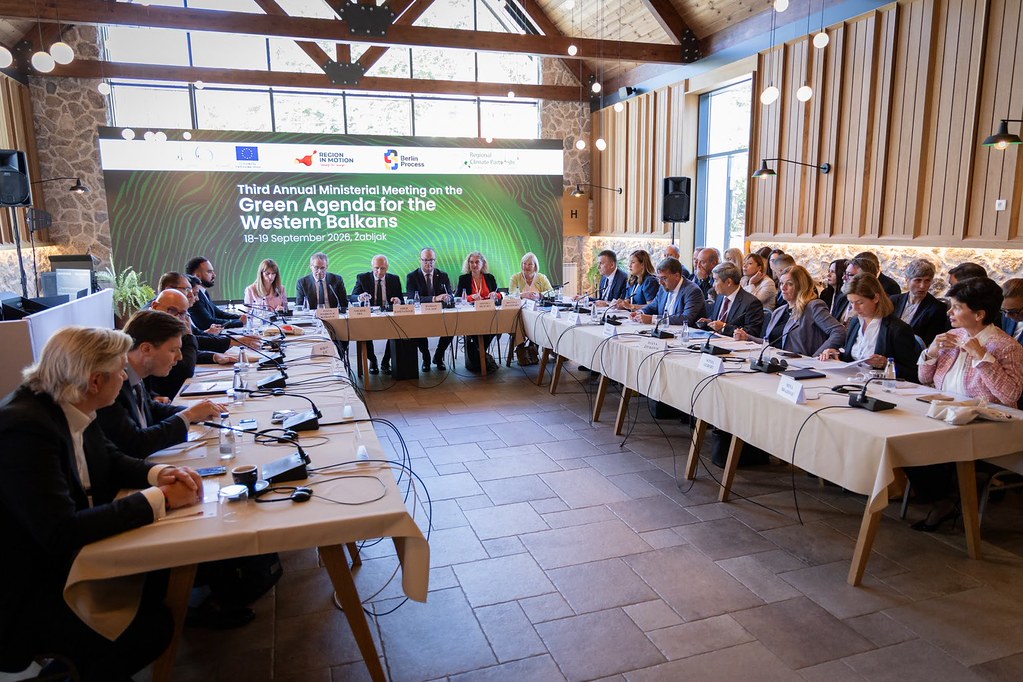
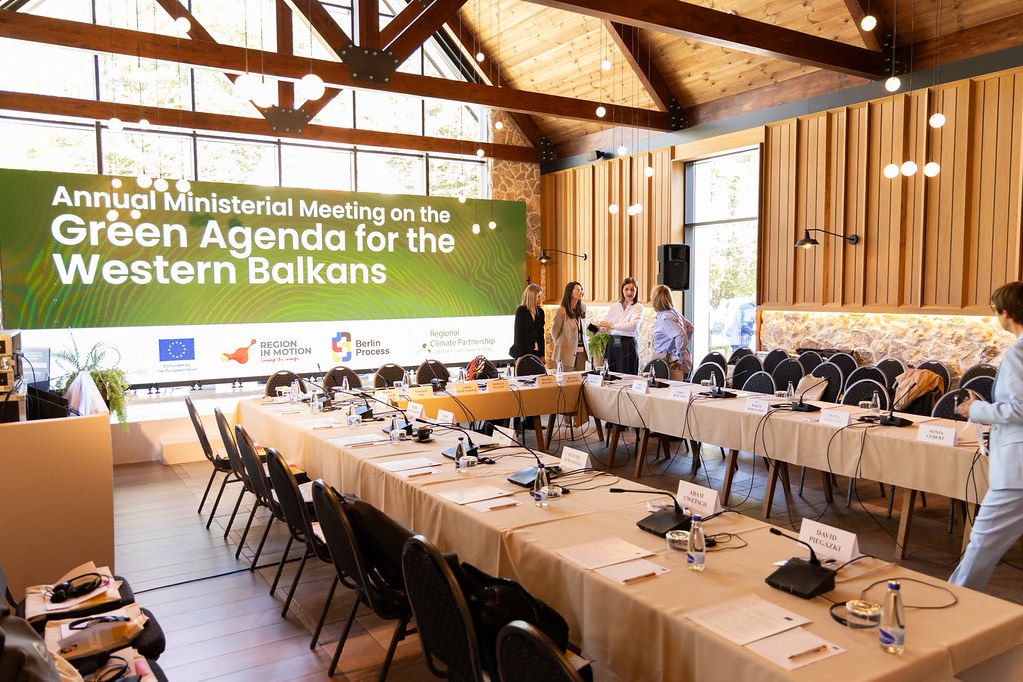
Photo: Regional Cooperation Council