PRISTINA – Faster border crossings, simpler transport procedures and more reliable connections are essential to helping Western Balkan businesses grow and trade with the European Union. These priorities were highlighted by Director of the Permanent Secretariat of the Transport Community, Tālis Linkaits, who contributed to the Civil Society and Think Tank Forum 2026 in Pristina on 7 October.
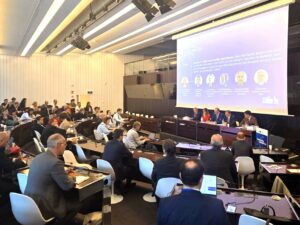
Speaking at the panel “Competitiveness and Growth: From Common Regional Market to Single Market”, Director Linkaits highlighted steps to make the movement of people and goods easier within the region and with the EU.
Director Linkaits was joined by Pranvera Kastrati, Director of the CEFTA Secretariat; Amer Kapetanović, Secretary General of the Regional Cooperation Council; Lorena Sekiraqa, Political Advisor to the Prime Minister and Sherpa for Regional Affairs; and Branimir Jovanović, Economist at the Vienna Institute for International Economic Studies (wiiw).
The session explored how stronger economic cooperation within the Western Balkans can prepare the region for participation in the EU Single Market. Participants also examined how the EU Growth Plan can help bring Western Balkan economies closer to EU standards. A central question was how to turn reform commitments into tangible improvements that help businesses grow, trade and contribute to European production and supply networks.
Director Linkaits underlined that long waiting times at borders continue to increase costs for businesses and make journeys and deliveries less predictable. Addressing these delays requires investment in infrastructure alongside better cooperation between authorities, simpler checks and the exchange of information before goods arrive at a crossing.
Expanding Green Lanes between the Western Balkans and neighbouring EU Member States is another important step. By sharing customs information electronically before a truck reaches the border, authorities can prepare their checks in advance and help goods move more efficiently.
Director Linkaits also highlighted the need to simplify the different administrative requirements and permit procedures faced by transport companies. The Transport Community’s Roadmap towards Road Market Liberalisation for 2026–2028 provides a framework for gradually reducing these barriers and bringing the region’s road transport market closer to the EU.
Digital transport documents and systems that exchange information securely can further reduce paperwork and improve cooperation. Similar efforts are needed for rail, where lengthy border procedures and gaps in infrastructure continue to limit the movement of freight across the region.
Reconnecting the region by rail should also be a priority, Director Linkaits stressed, highlighting the need to re-establish passenger train connections between cities across the Western Balkans. Restoring these services would make it easier for people to travel within the region and strengthen connections between communities.
The discussion also addressed professional drivers who regularly cross EU borders, including the implications of the EU’s Entry/Exit System and the European Travel Information and Authorisation System. Director Linkaits stressed the importance of coordination between institutions and the transport sector, clear information for drivers and companies, and close monitoring of waiting times.
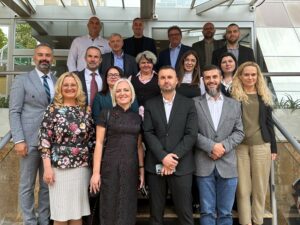
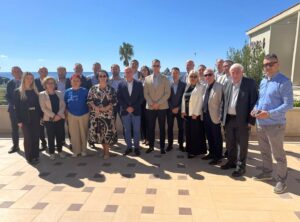
Held from 5 to 7 October, the Civil Society and Think Tank Forum 2026 was organised by Open Society Foundations – Western Balkans. As the official civil society platform of the Berlin Process, the Forum brings together civil society organisations, researchers, European institutions and regional partners to develop recommendations on regional cooperation and EU integration. Its recommendations will be presented to leaders at the Berlin Process Summit in Podgorica, bringing civil society perspectives directly into discussions on the region’s future.
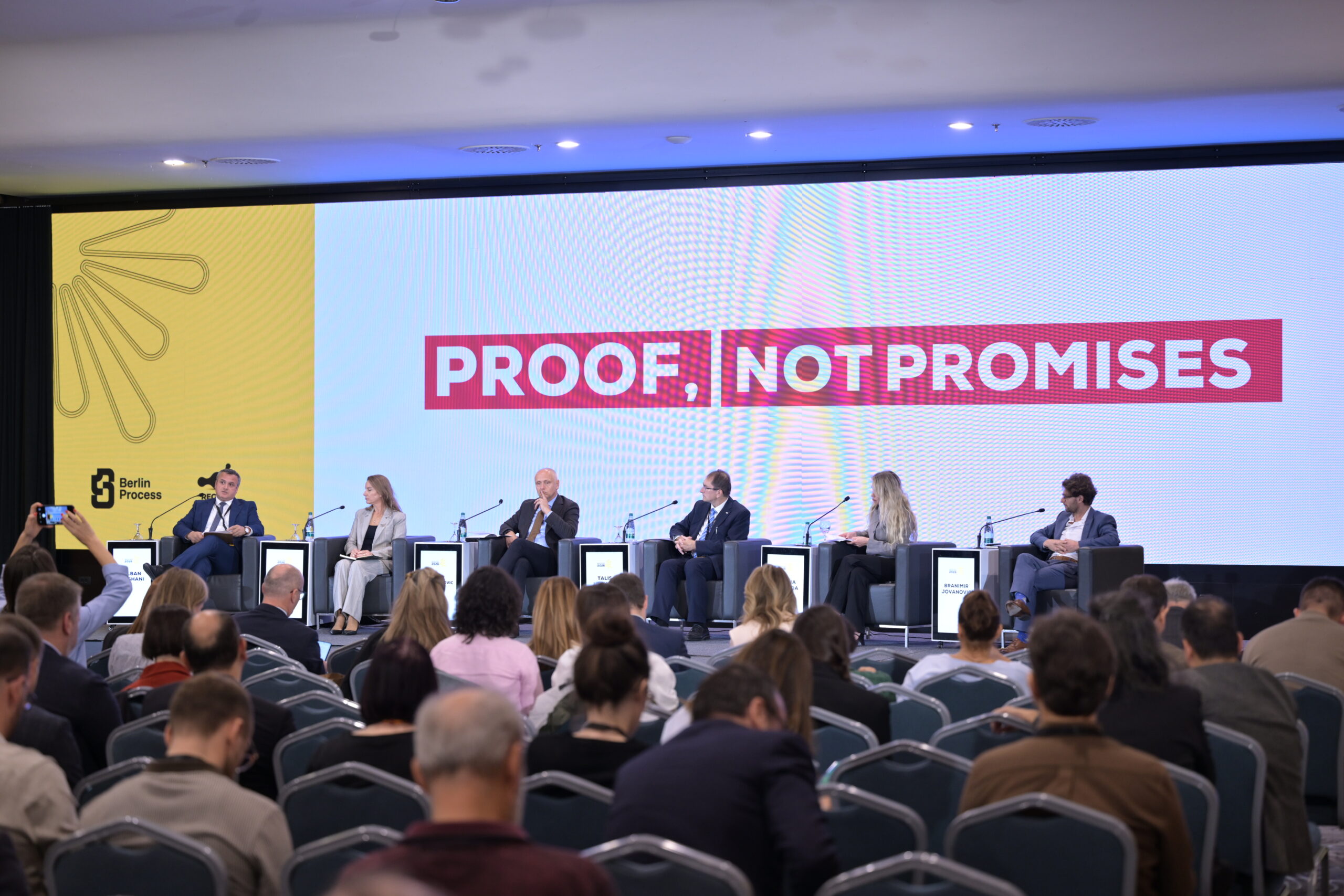
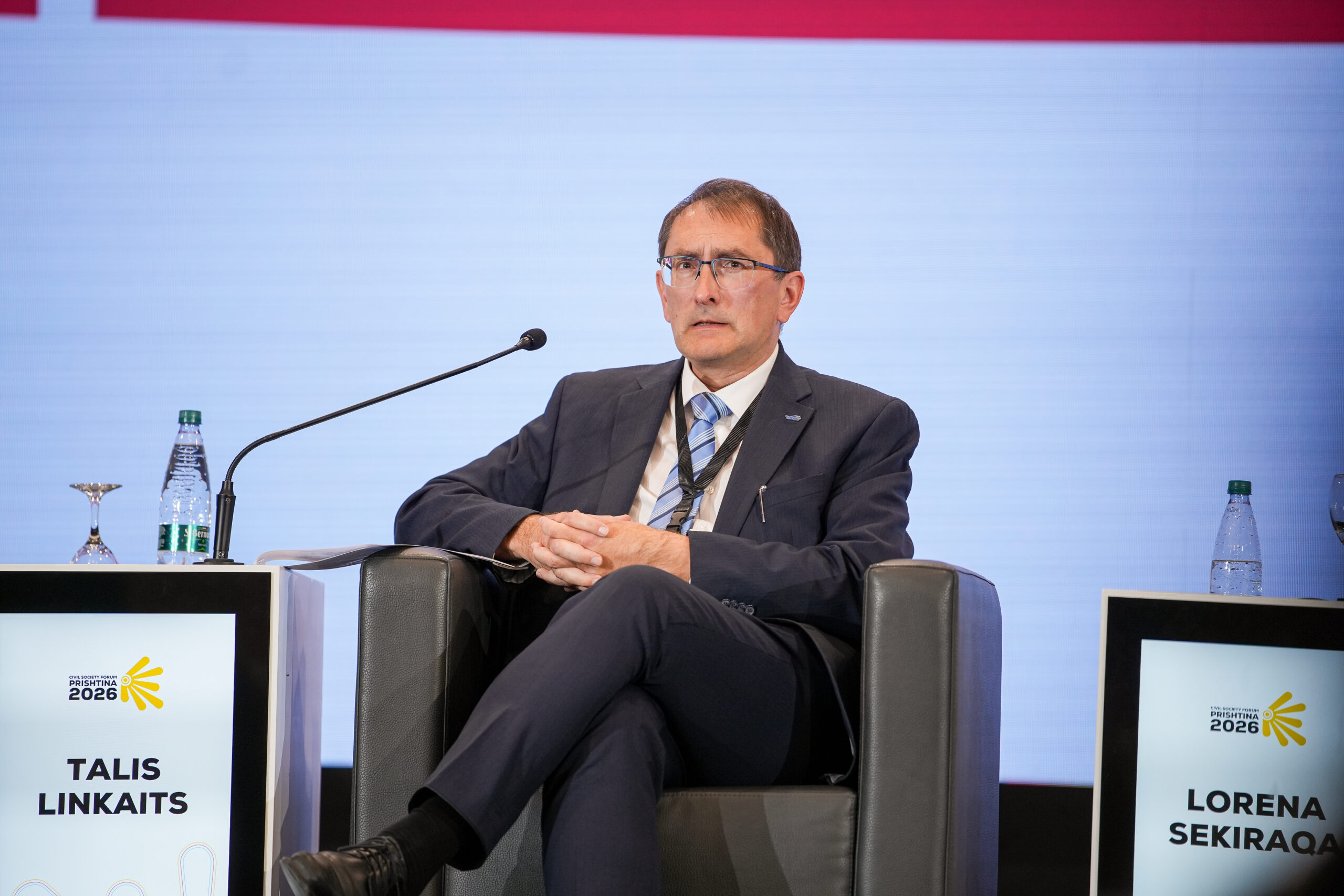
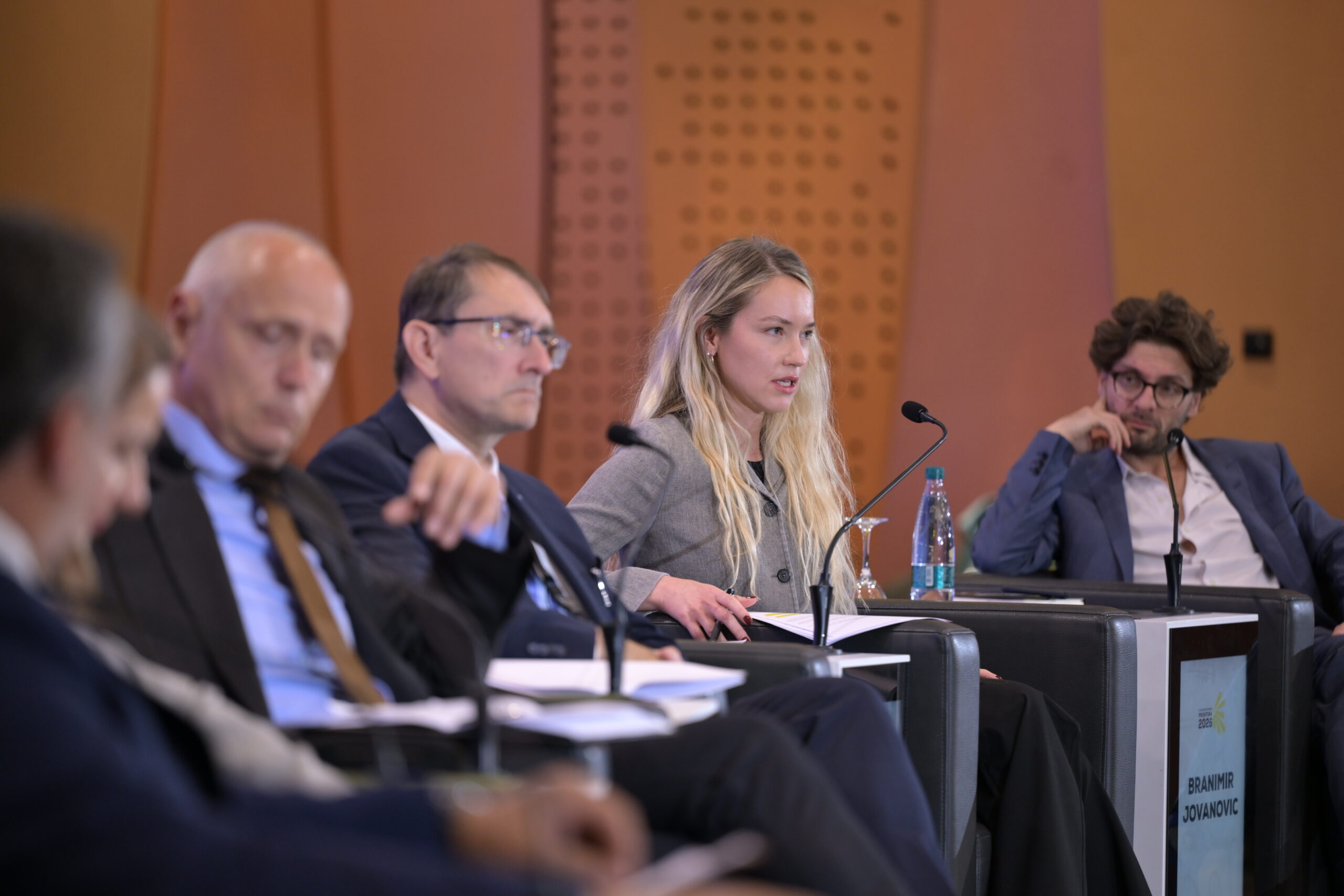
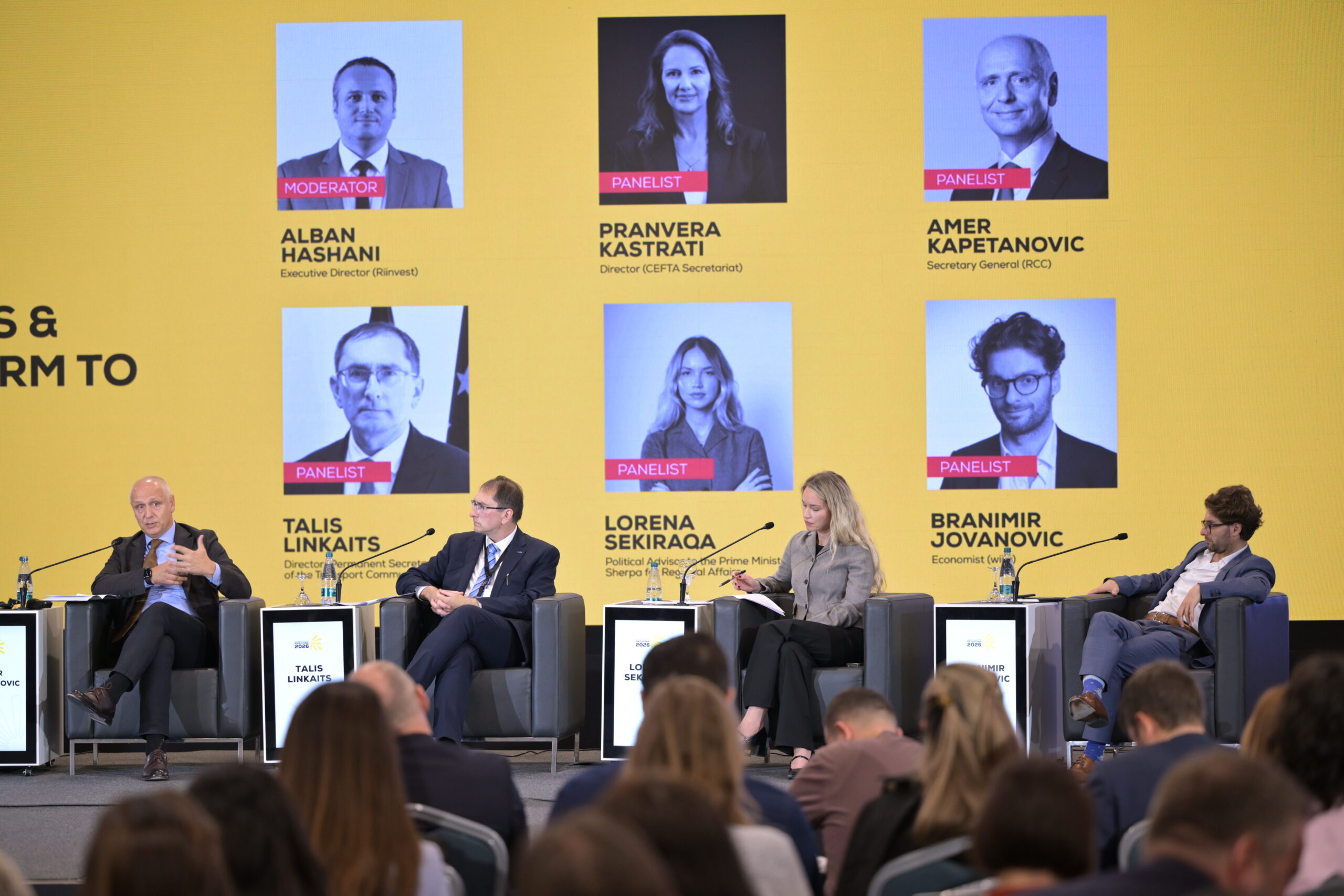
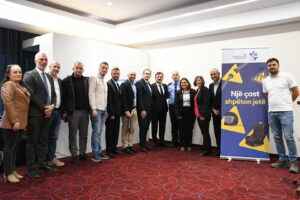
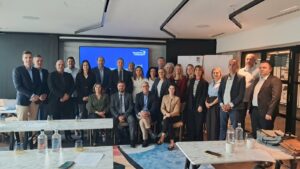
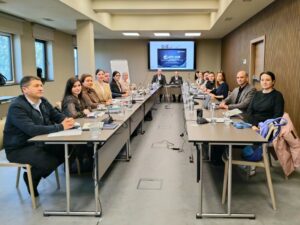
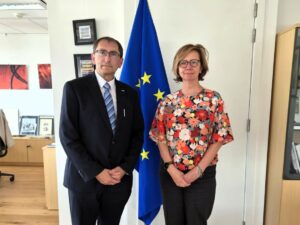
Photo: Open Society Foundations – Western Balkans; Regional Cooperation Council (RCC)