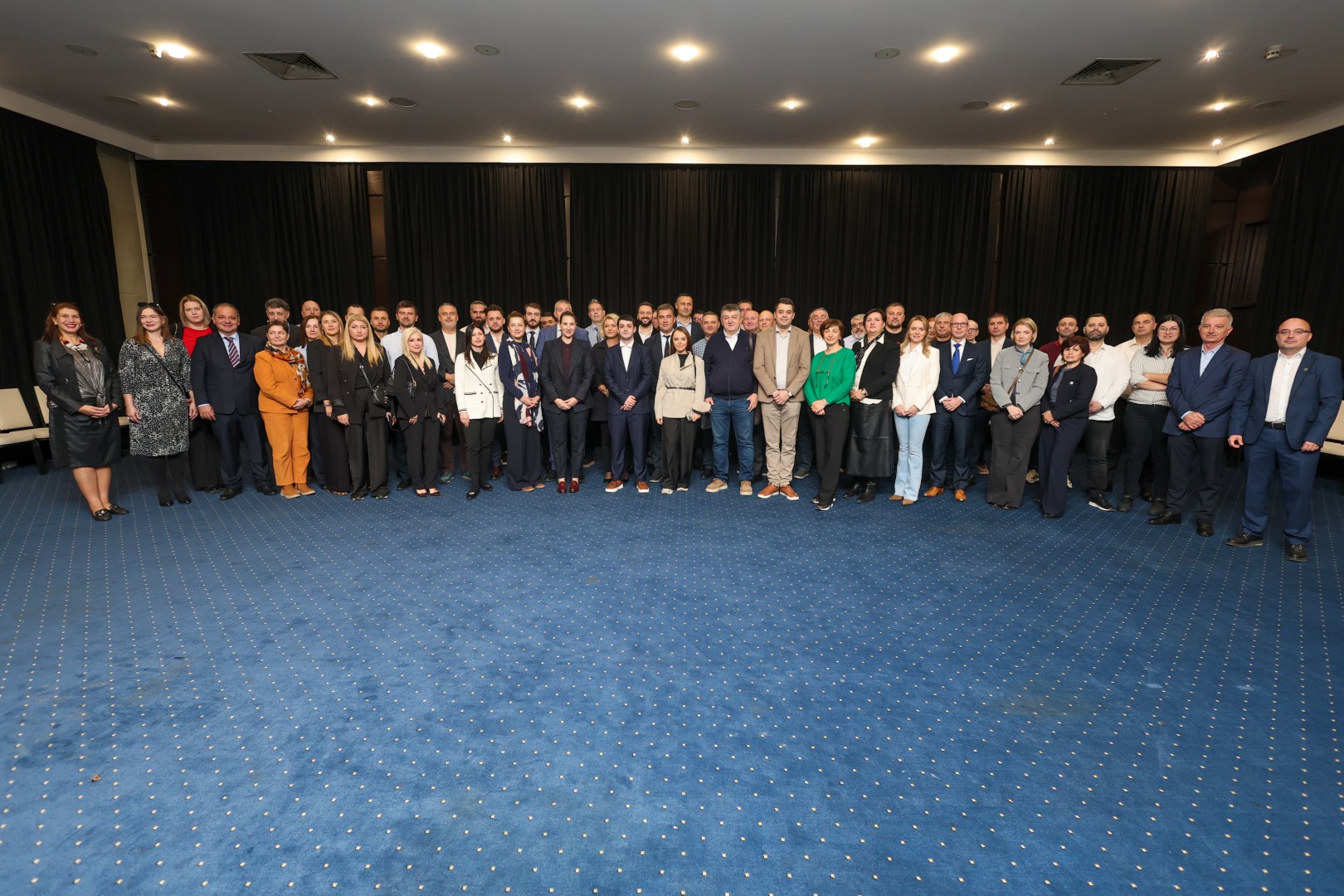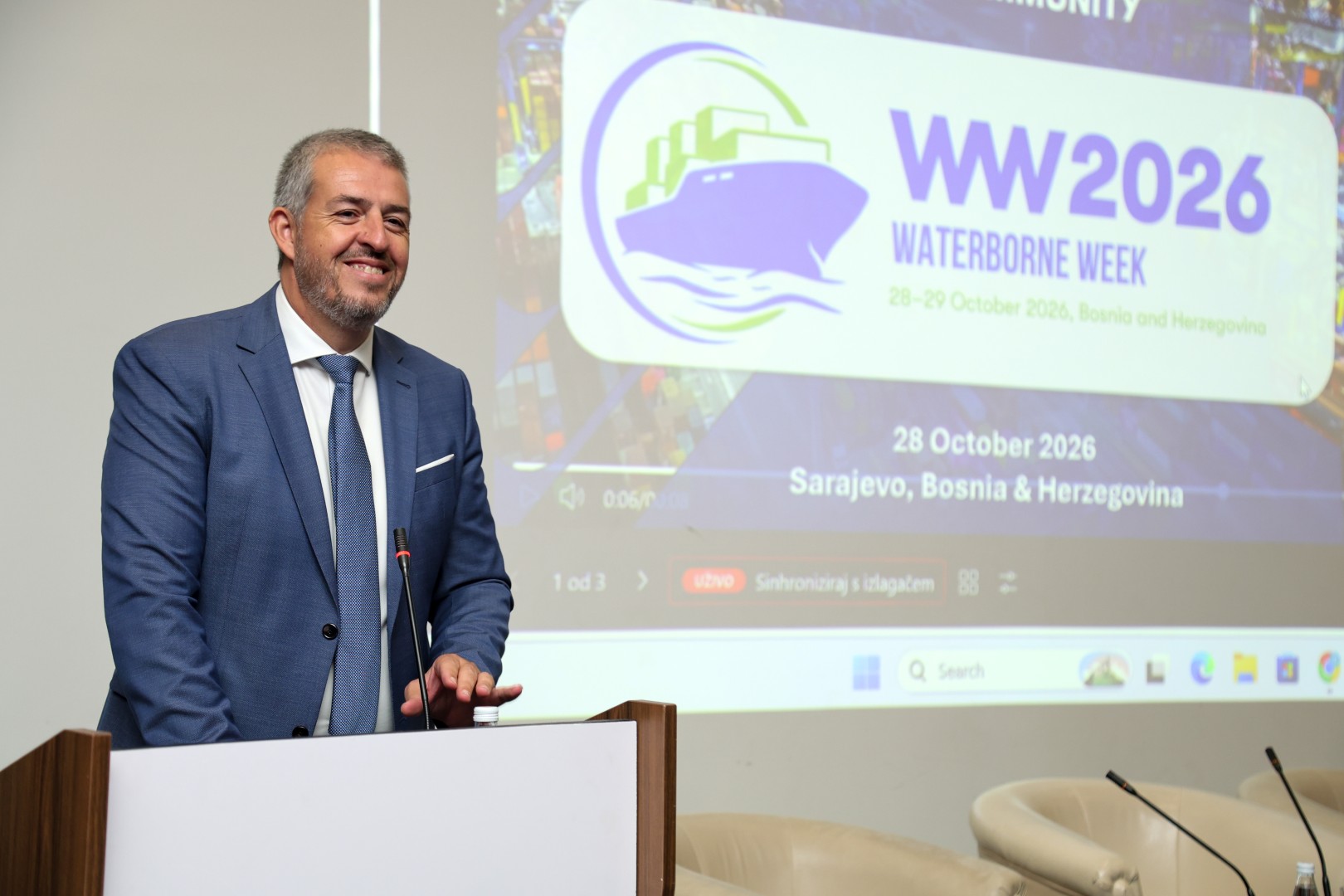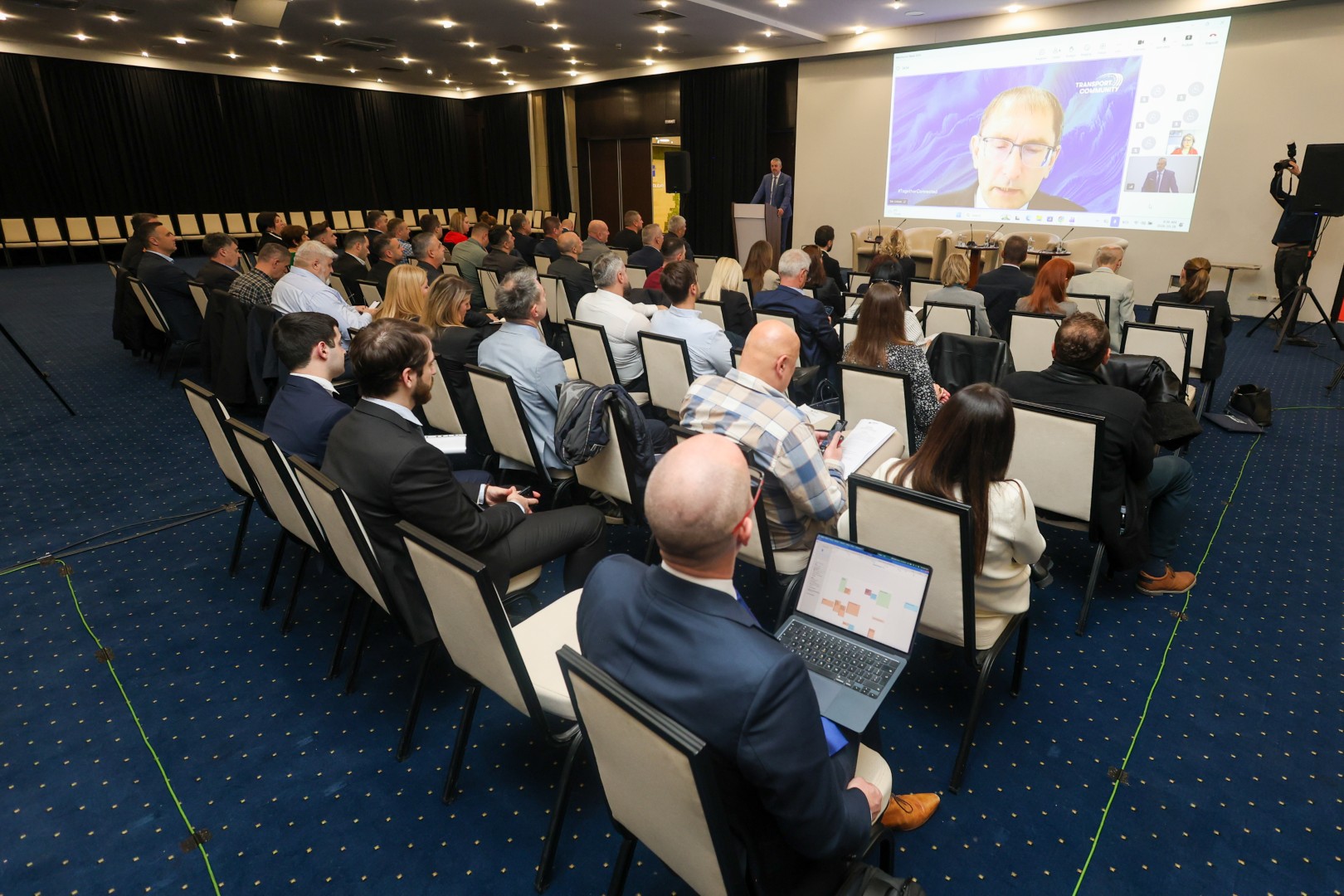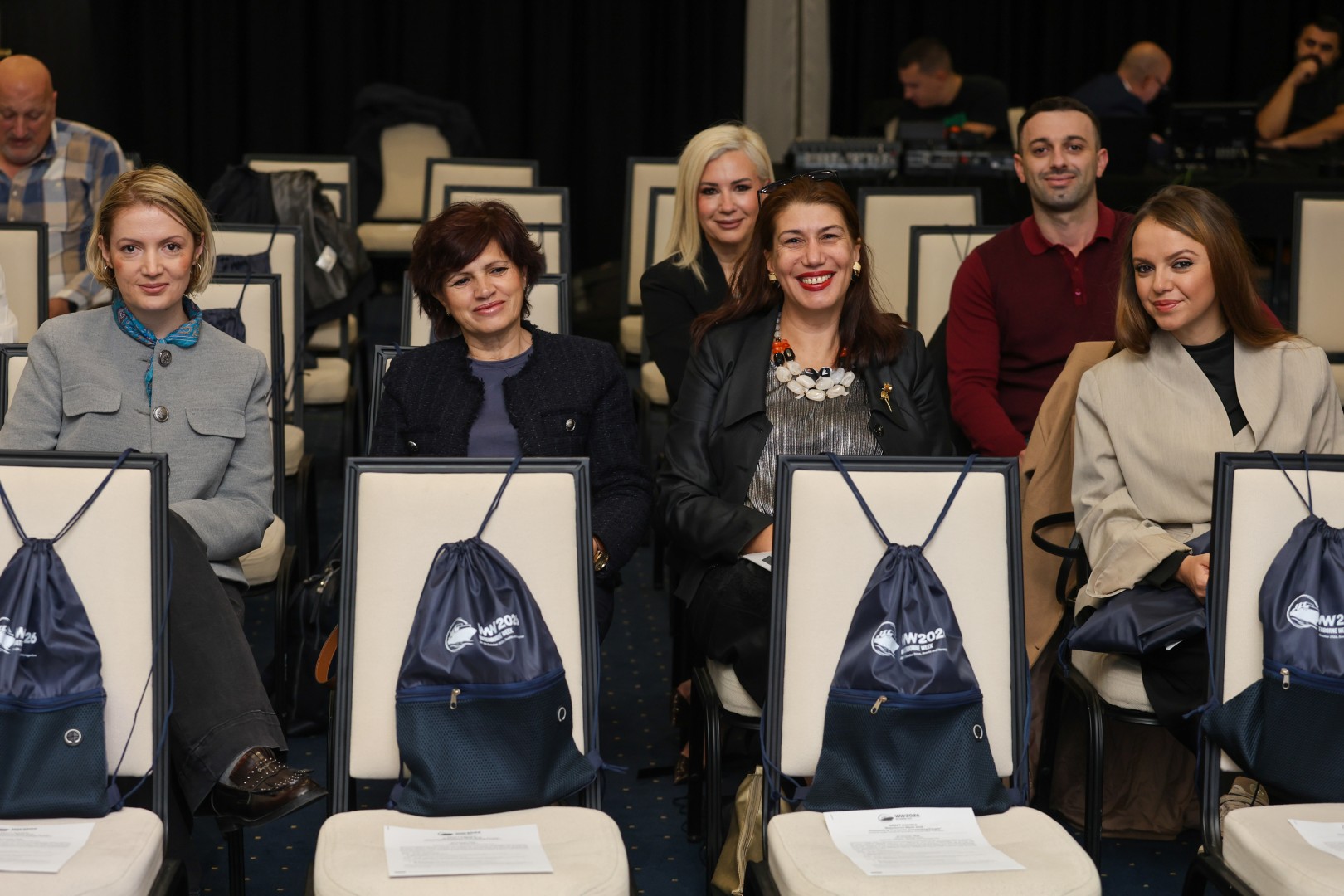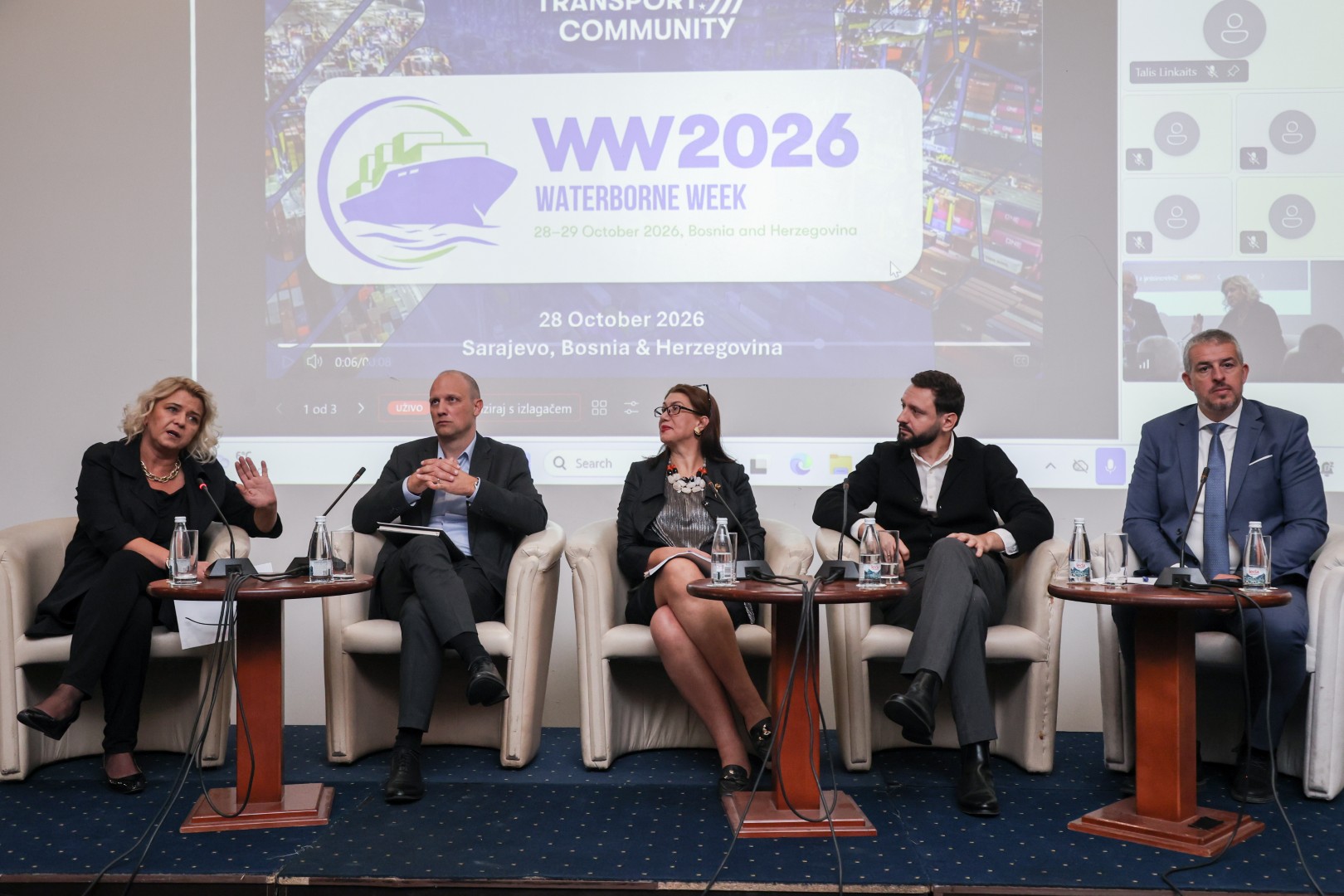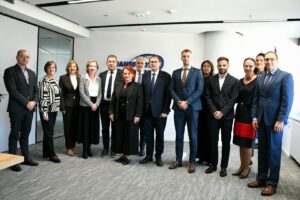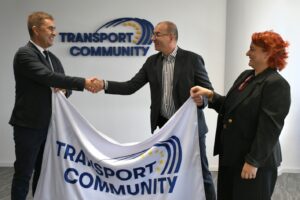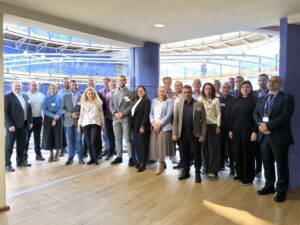
SARAJEVO – Safer transport of dangerous goods, more opportunities for women and practical support for waterborne transport reforms were at the heart of the opening day of Waterborne Week 2026, organised by the Transport Community on 28–29 October in Sarajevo.
Under the theme “Connecting Transport, Connecting People”, the event brought together regional partners, European Union institutions and sector professionals to address shared challenges and explore how waterborne transport could contribute to safer, greener and better-connected transport across the region.
The programme linked technical and regulatory priorities with the people who deliver transport services, placing skills, working conditions and equal opportunities alongside safety and progress towards EU standards.
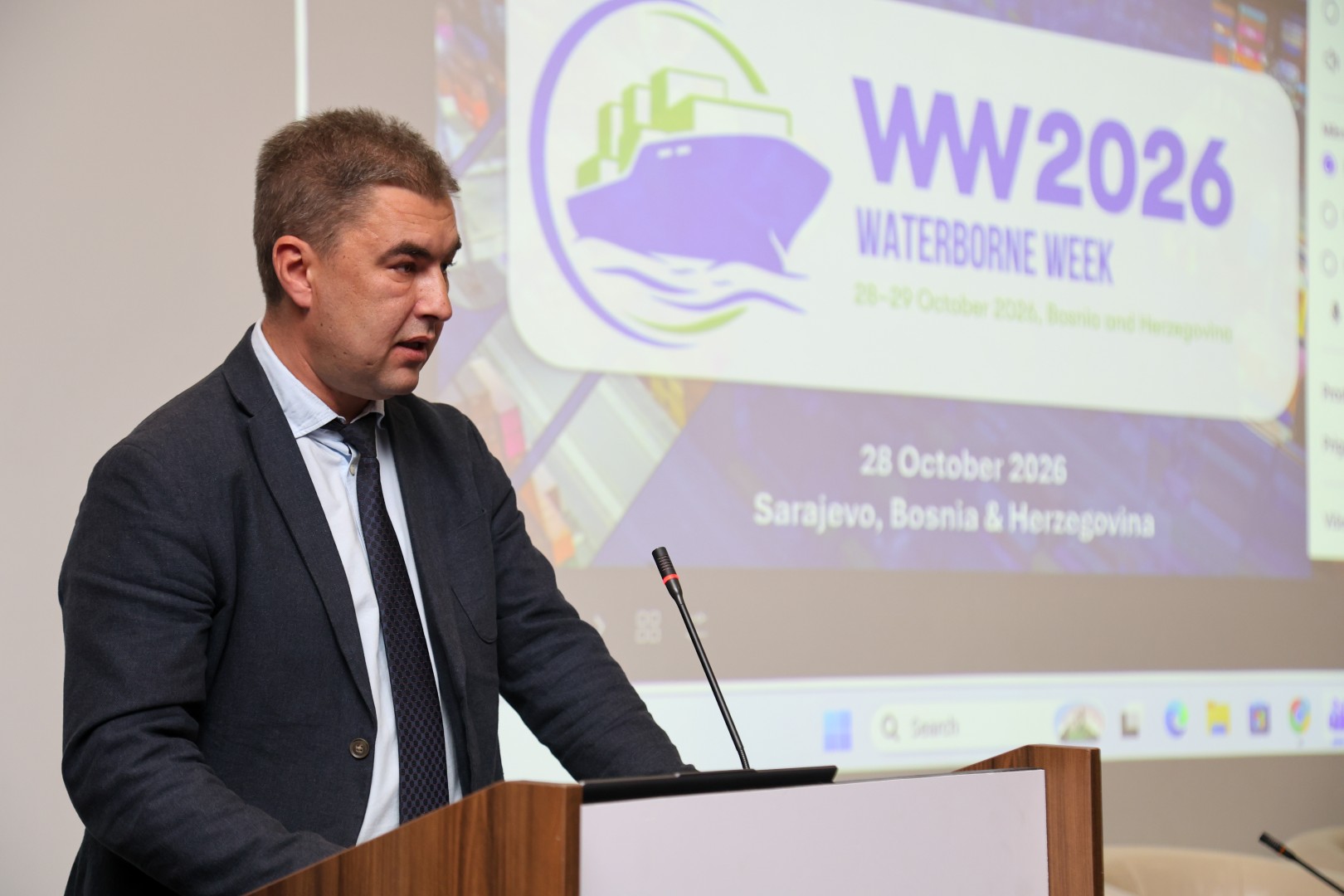
The opening technical session focused on the safe transport of dangerous goods by water. Contributions from the Transport Community and representatives from Croatia, Albania and Georgia provided perspectives on operational practices, cooperation between competent authorities and coordination across borders.
The discussion examined how exchanging expertise and aligning with European standards could help strengthen safety, protect people and the environment, and support more reliable transport services.
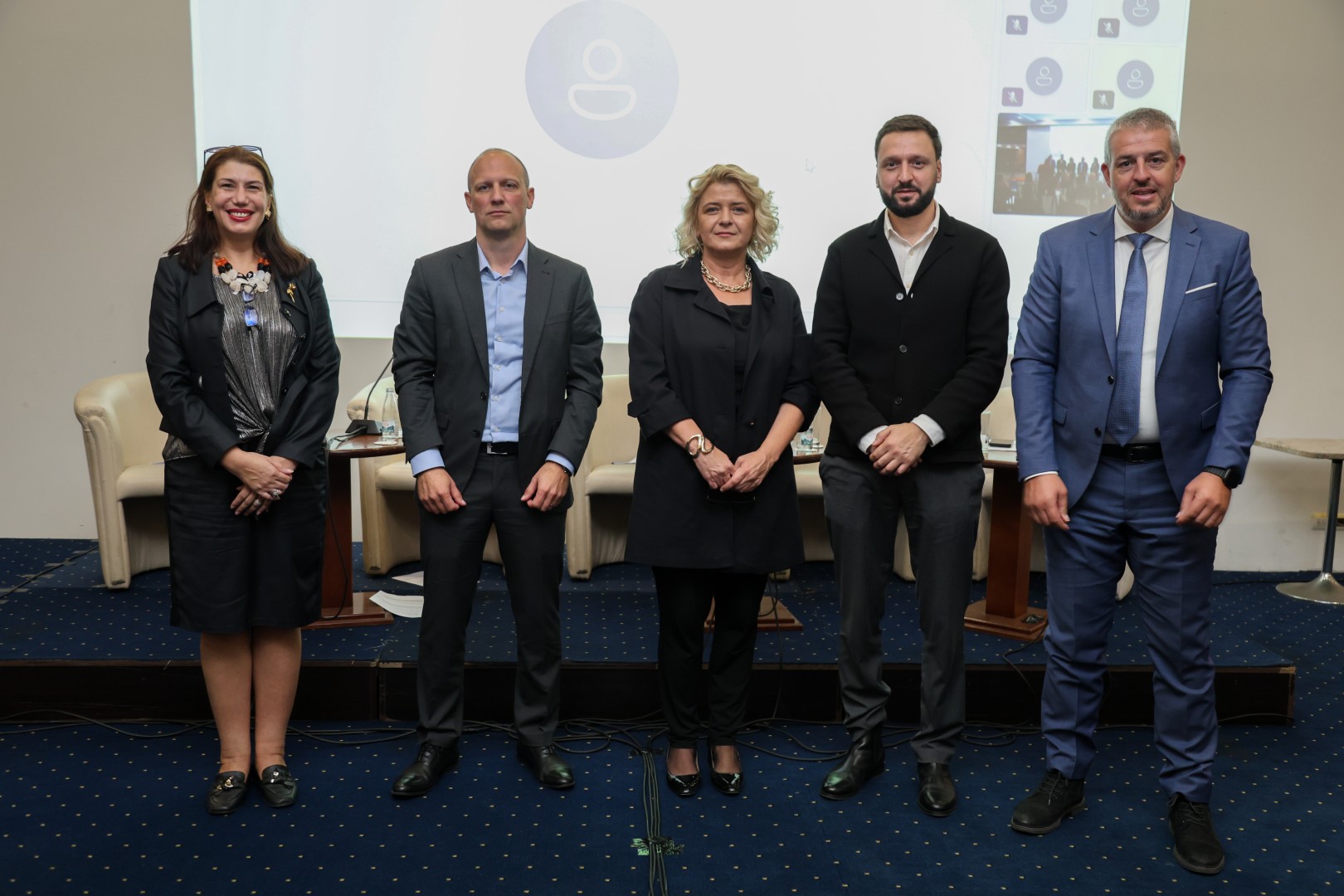
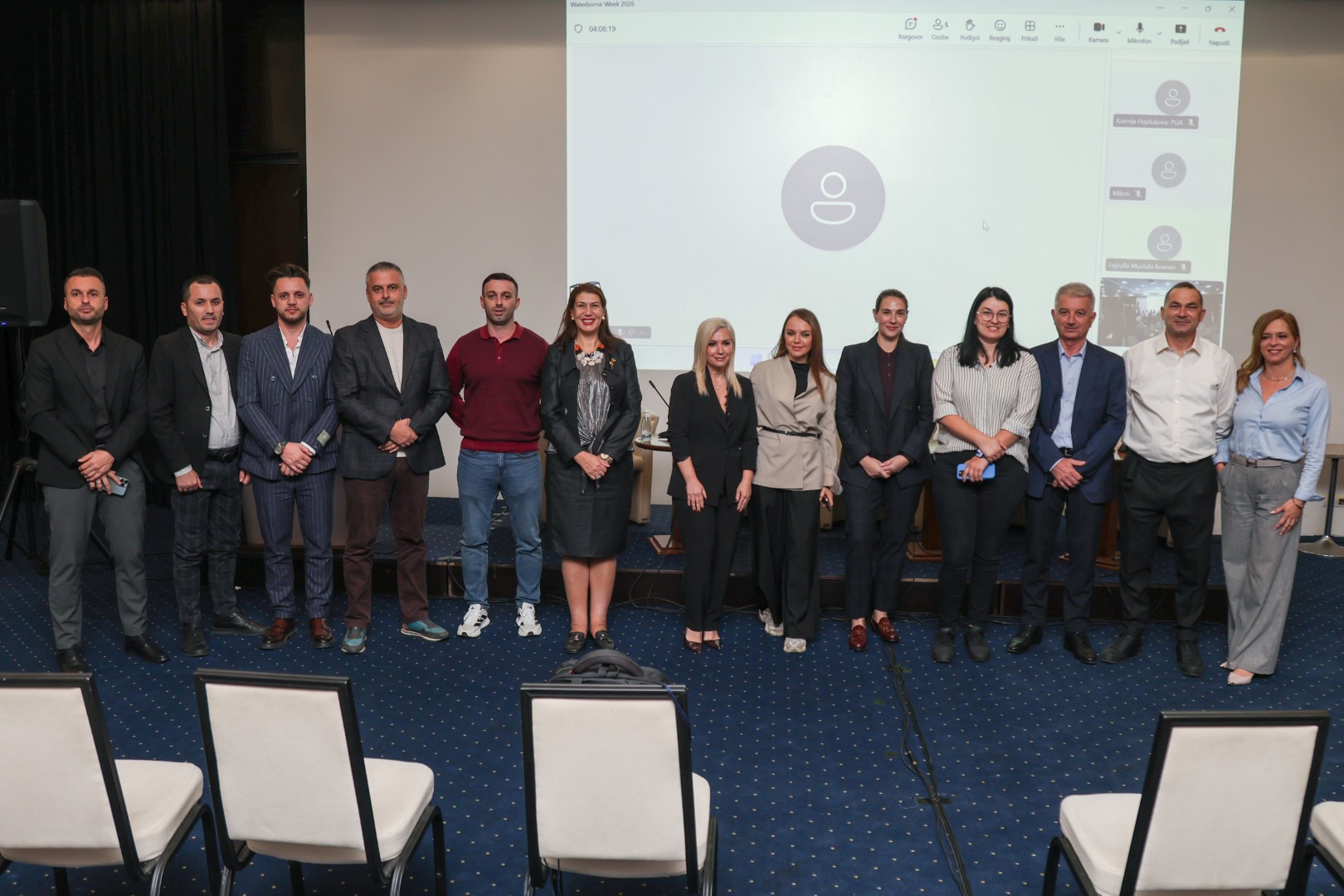
Furthermore, a dedicated panel explored how the Western Balkans could attract more women to maritime and waterborne transport careers and support their long-term progression in the sector.
Bringing together perspectives from the European Commission, the Transport Community and WISTA Montenegro, the session addressed education, skills, working conditions and career opportunities. It focused on practical measures to help women enter, remain and advance in the workforce, contributing to a more inclusive sector.
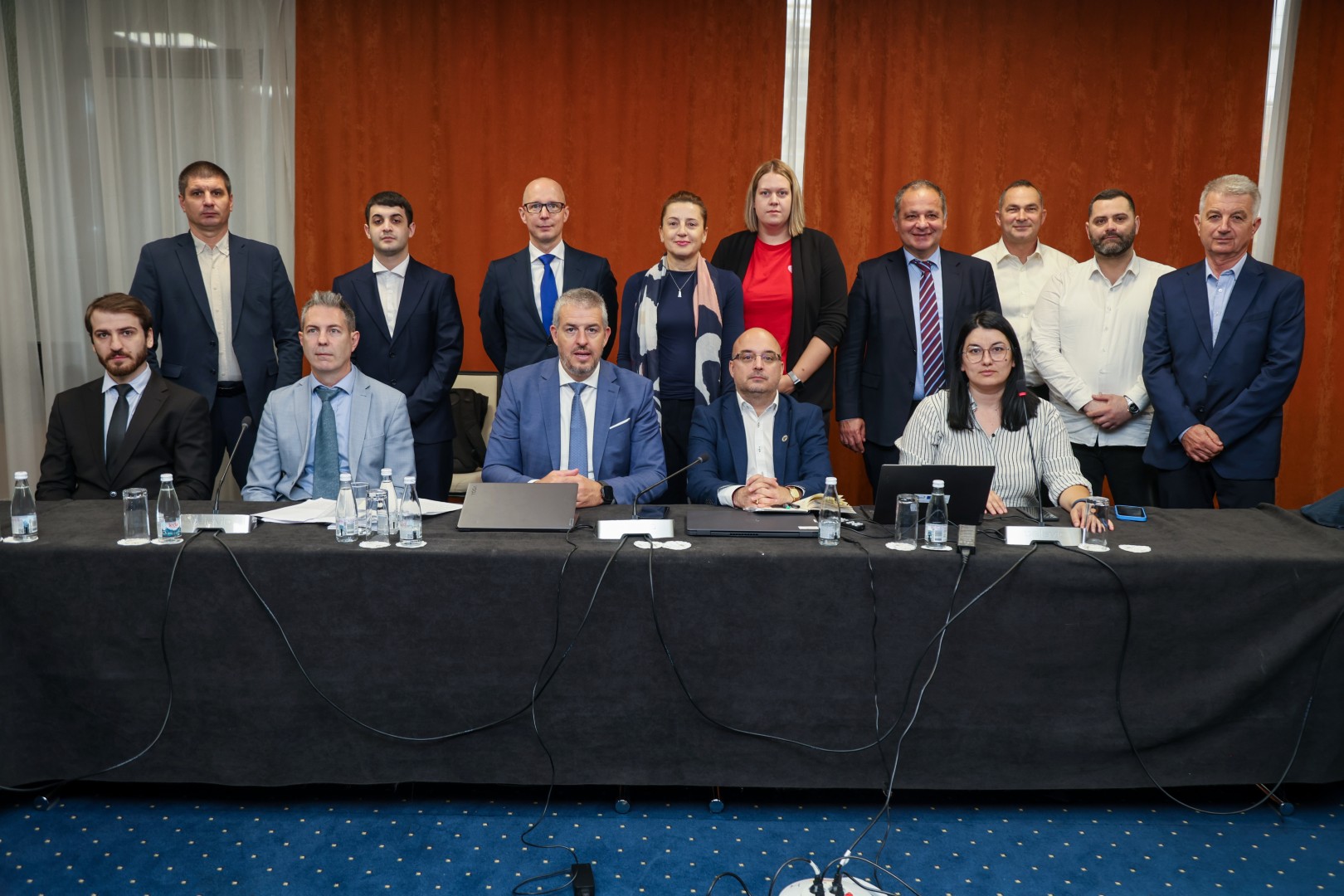
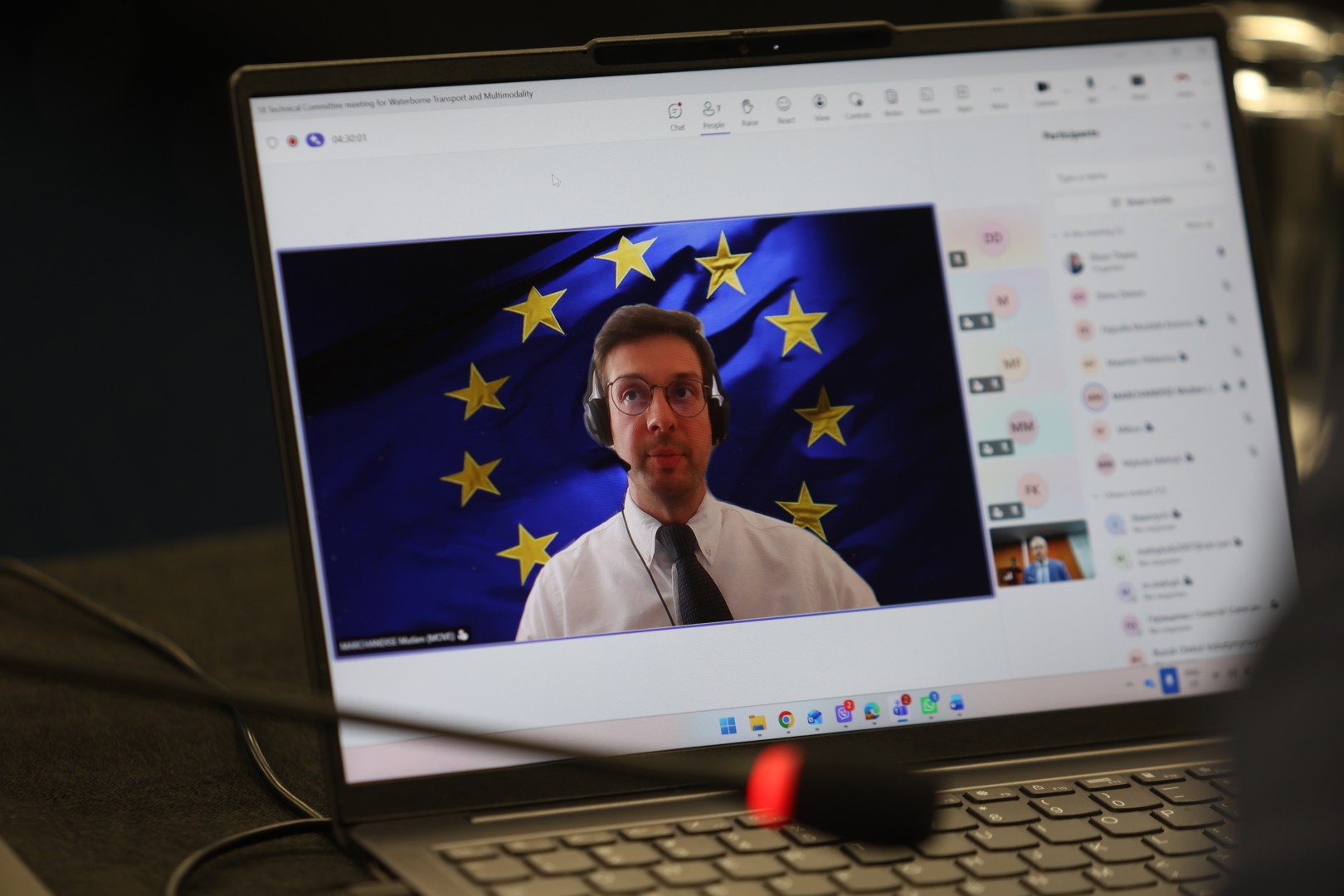
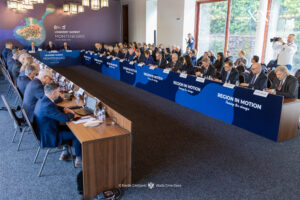
The second part of the day was dedicated to the 18th Technical Committee on Waterborne Transport and Multimodality. It provided a platform to review reforms and discuss the next steps in implementing the Next Generation Action Plan.
The meeting covered findings from the 2026 Action Plan and EU legislation alignment progress reports, alongside updates from Western Balkan regional partners and observing participants. These exchanges provided an opportunity to assess progress, identify outstanding challenges and share experience on implementation.
A dedicated session also examined how funding could support waterborne transport ambitions, helping connect policy priorities with the resources needed to put them into practice.
By bringing these discussions together, Waterborne Week 2026 supported a coordinated approach to reform: strengthening safety, investing in people and advancing waterborne transport and multimodal connections. The exchanges underlined the importance of continued cooperation between regional partners, EU institutions and sector professionals to deliver transport that better serves citizens, businesses and the environment.