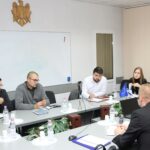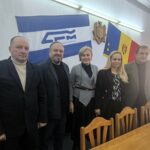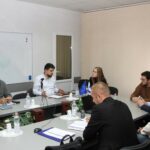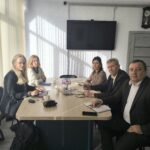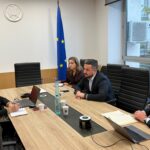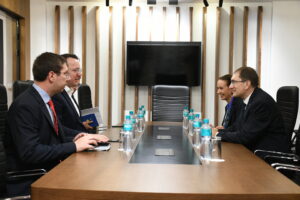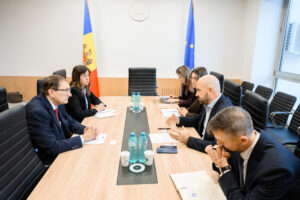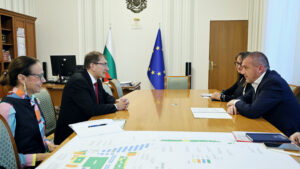
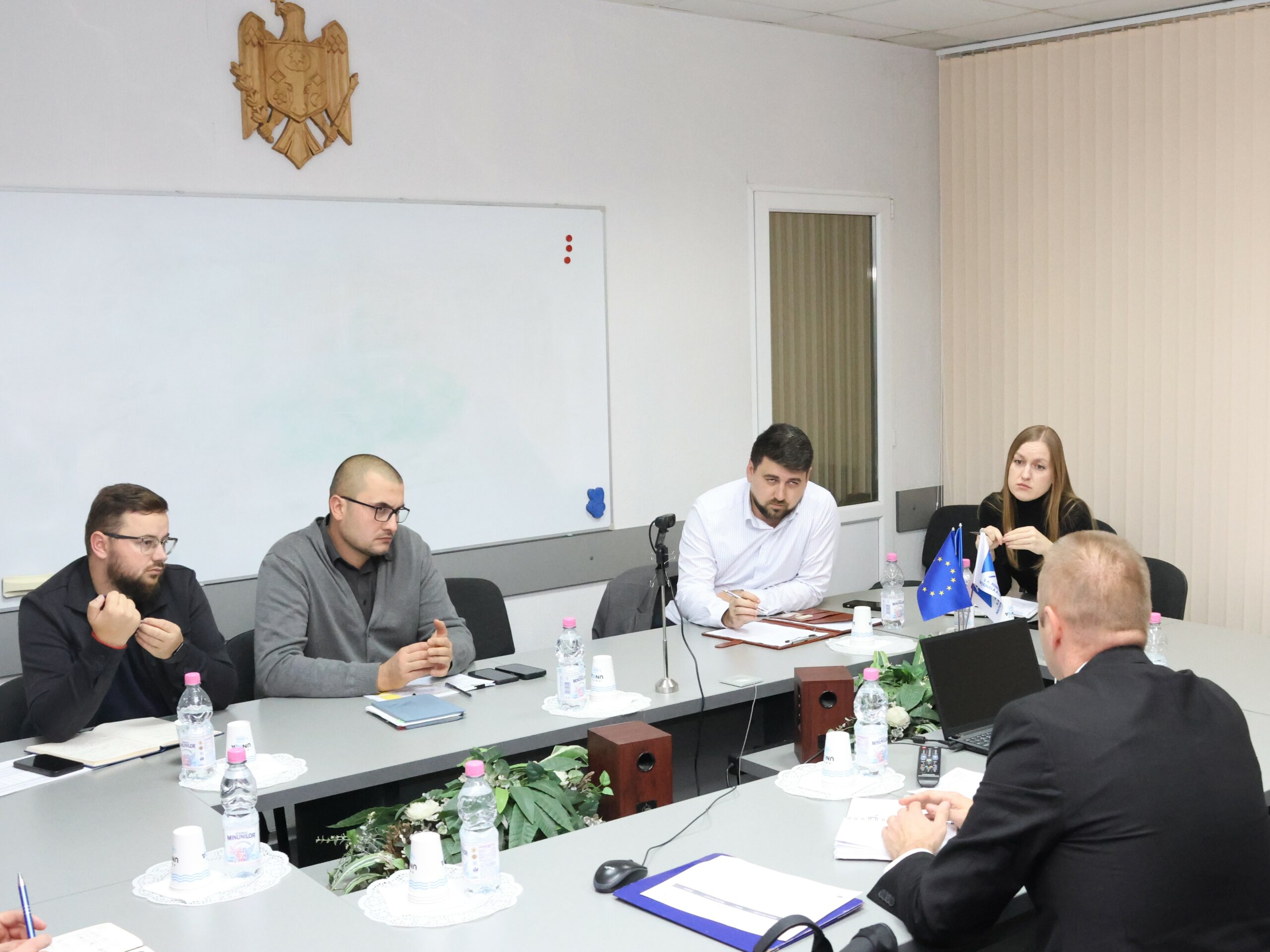
CHISINAU – The Permanent Secretariat of the Transport Community met with authorities and transport institutions of Moldova on 10 and 11 November 2026 to identify where technical assistance and training could help Moldova advance its transport reforms and meet its EU accession commitments. Discussions covered roads and road safety, rail and multimodality, and waterborne transport.
In the road and road safety sectors, the Ministry of Infrastructure and Regional Development, the National Road Transport Agency and the National Road Administration identified priorities for technical assistance and training. These priorities reflect commitments under Moldova’s Reform Agenda under the EU Growth Plan, the Road and Road Safety Action Plans, and the closing benchmarks for EU accession negotiations. The discussions also took account of the European Commission’s 2026 report on Moldova, the National Programme for the Adoption of the Acquis, the Association Agreement and national transport strategies.
On rail and multimodality, discussions focused on railway restructuring and the related objectives of the Reform Agenda. Representatives of the Ministry, the Railways of Moldova, the Railway Agency, the Competition Council and the Bureau for the Investigation of Accidents and Incidents in Transport outlined their ongoing work, the next steps they are planning and the challenges they face in carrying out the reforms.
In waterborne transport, the Secretariat and the Ministry reviewed Moldova’s progress in aligning with EU rules in 2026 and drew on lessons from completed technical assistance to identify support needs for 2027–2028. Talks with the Naval Agency focused on digital systems, staff expertise and opportunities for cooperation through twinning. Participants also discussed how the Transport Community, international partners and donors could coordinate their support for the sector.
Across all sectors, representatives of Moldova highlighted the need to strengthen the institutions responsible for putting reforms into practice. As Moldova brings its transport legislation into line with the EU acquis, these authorities will need sufficient staff and expertise to apply the new rules and enforce them effectively.
These discussions and provided support was financed by the European Union under the NDICI-GEO-NEAR/2023/452-688 grant awarded to the Permanent Secretariat of the Transport Community. The project supports preparatory activities aimed at facilitating the progressive integration of Georgia, the Republic of Moldova, and Ukraine into Transport Community activities.