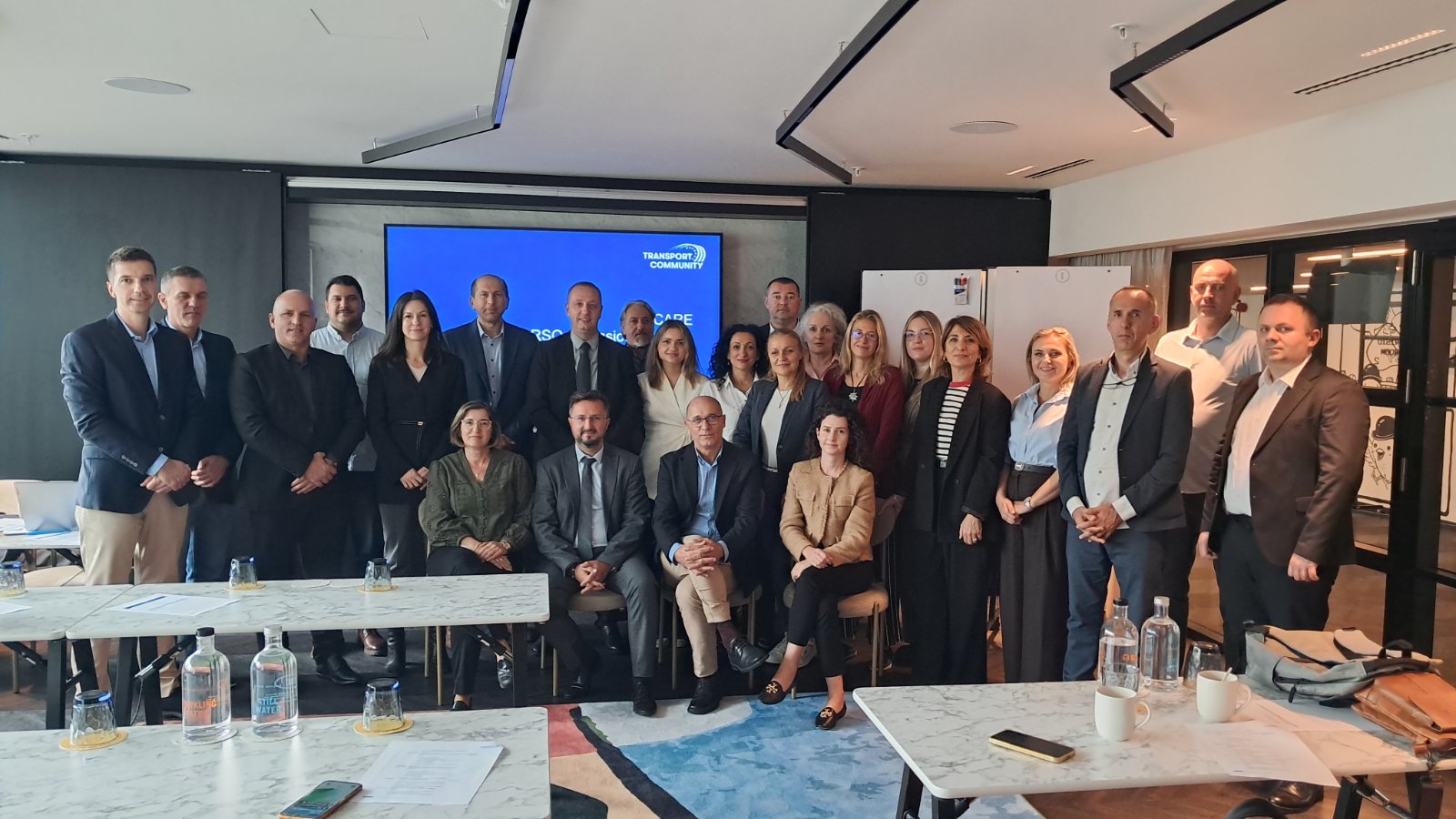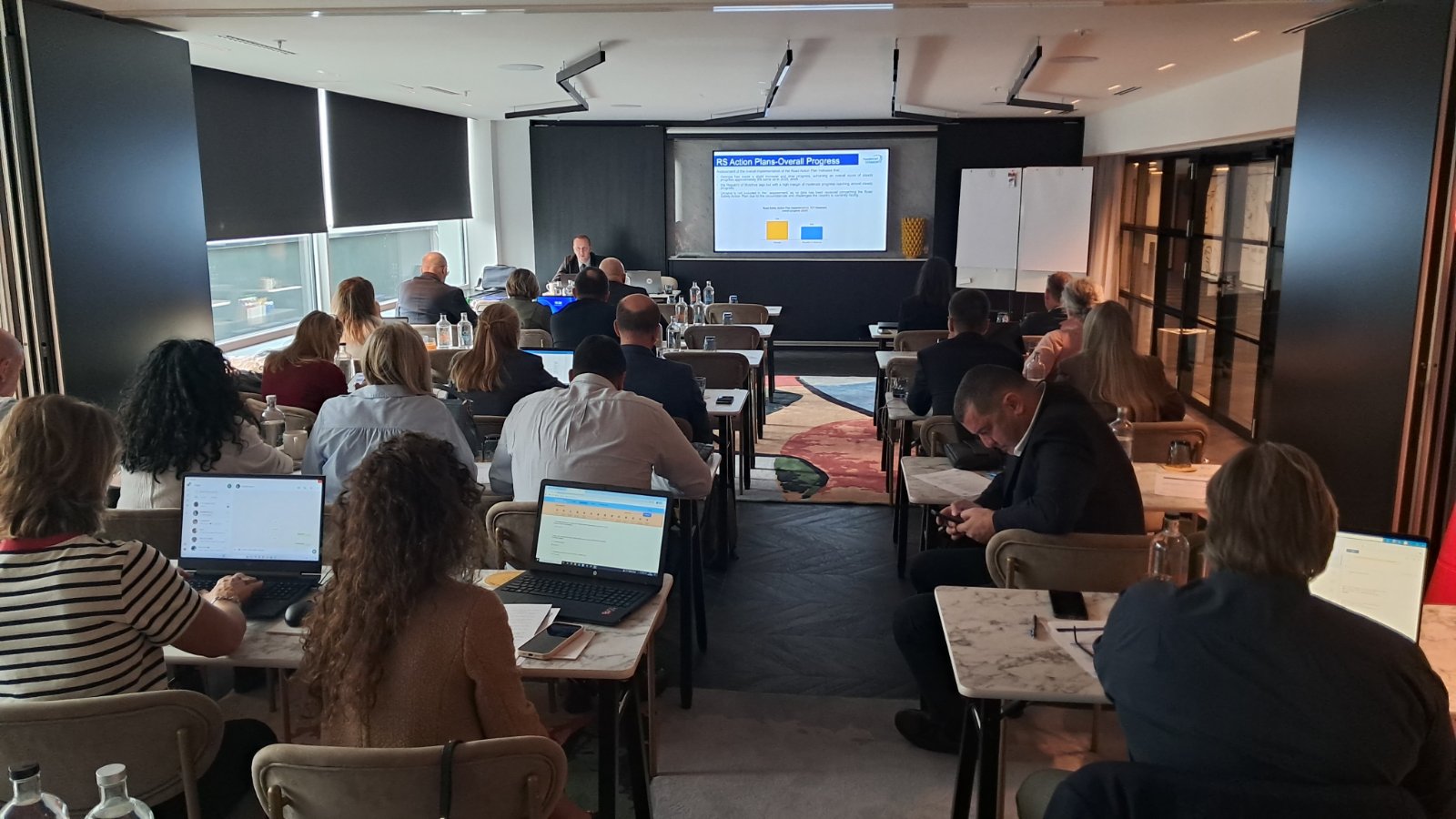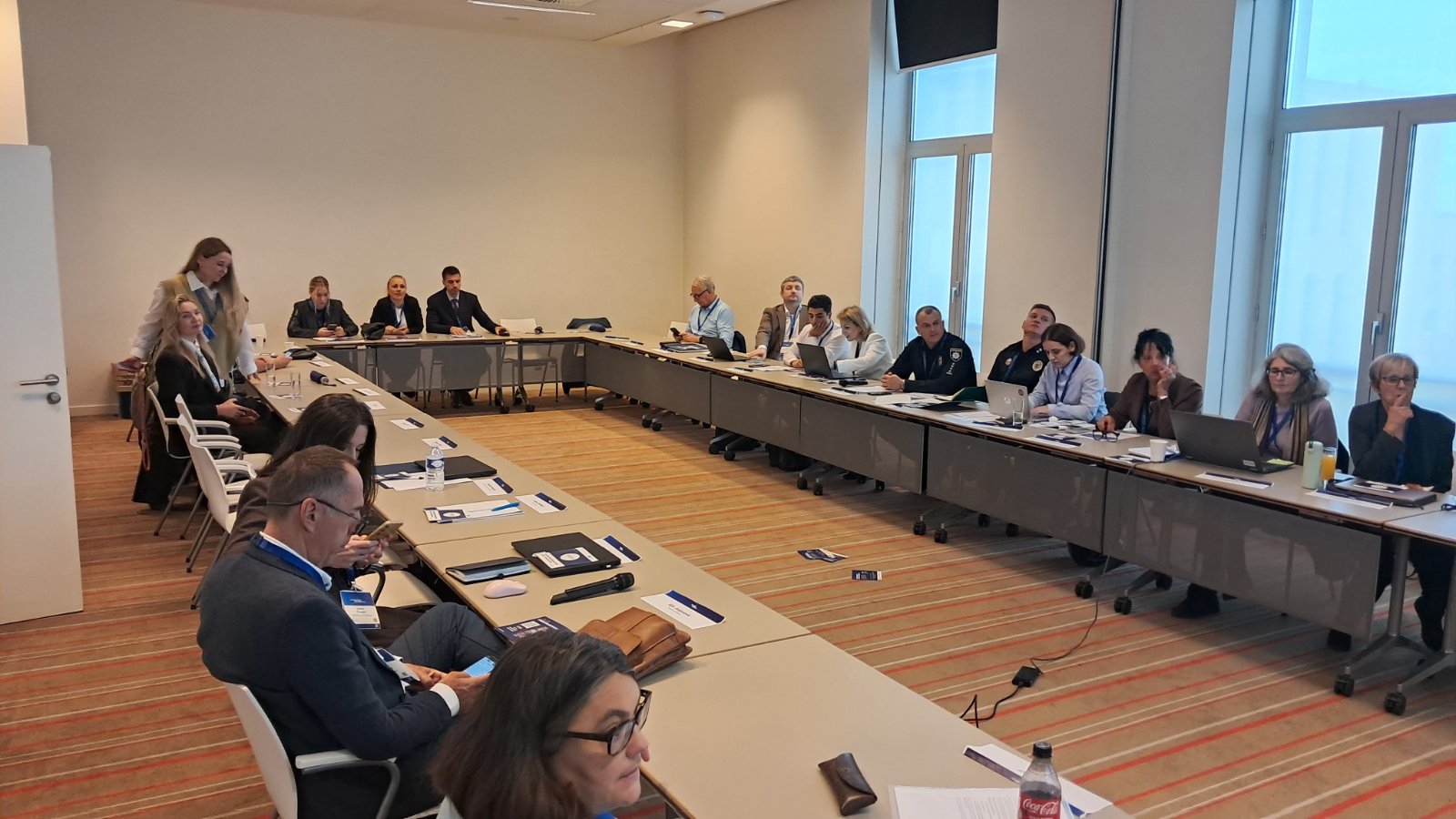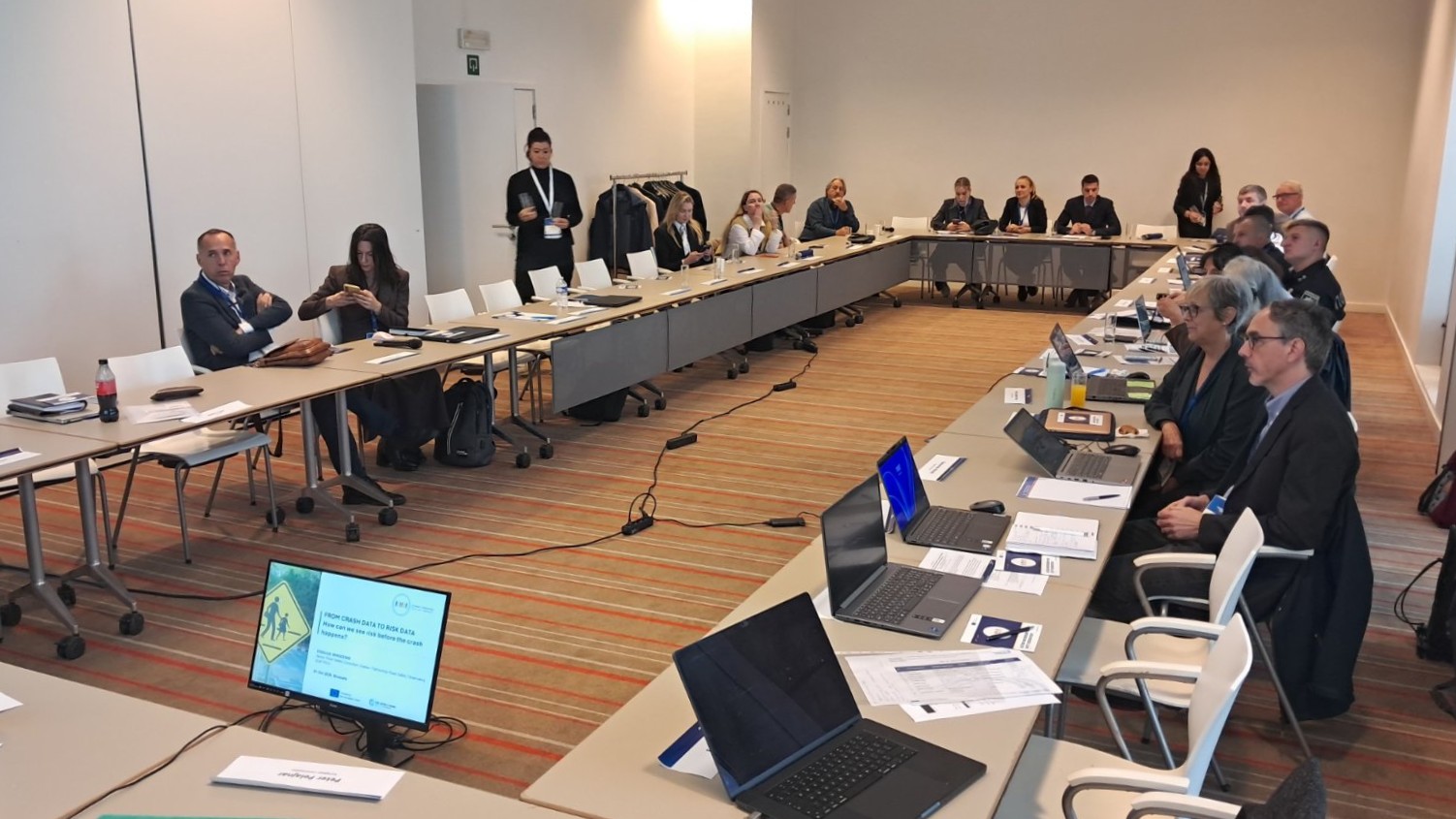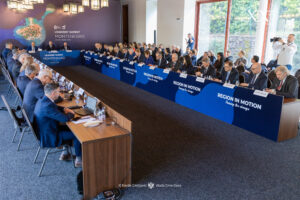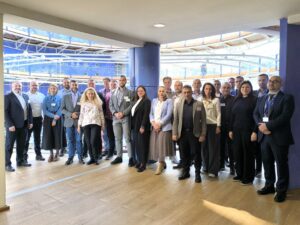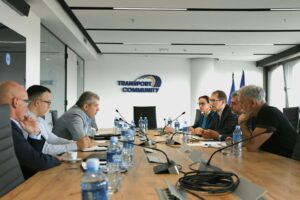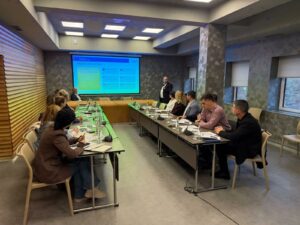
BRUSSELS – The Permanent Secretariat of the Transport Community brought together representatives of transport, police and health authorities, the European Commission and regional road safety observatories in Brussels on 30 September and 1 October 2026 to strengthen cooperation on road safety. Over two days, discussions focused on improving crash data, aligning reporting with EU standards and translating evidence into measures that save lives.
The 25th Meeting of the Road Safety Technical Committee and the 13th Meeting of the Western Balkans Road Safety Observatory (WBRSO) were followed by a joint conference bringing together the European Road Safety Observatory (ERSO), the Eastern Partnership Road Safety Observatory (EaP RSO) and the WBRSO. The meetings provided an opportunity for Transport Community regional partners and observing participants to review progress and exchange practices with their European counterparts.
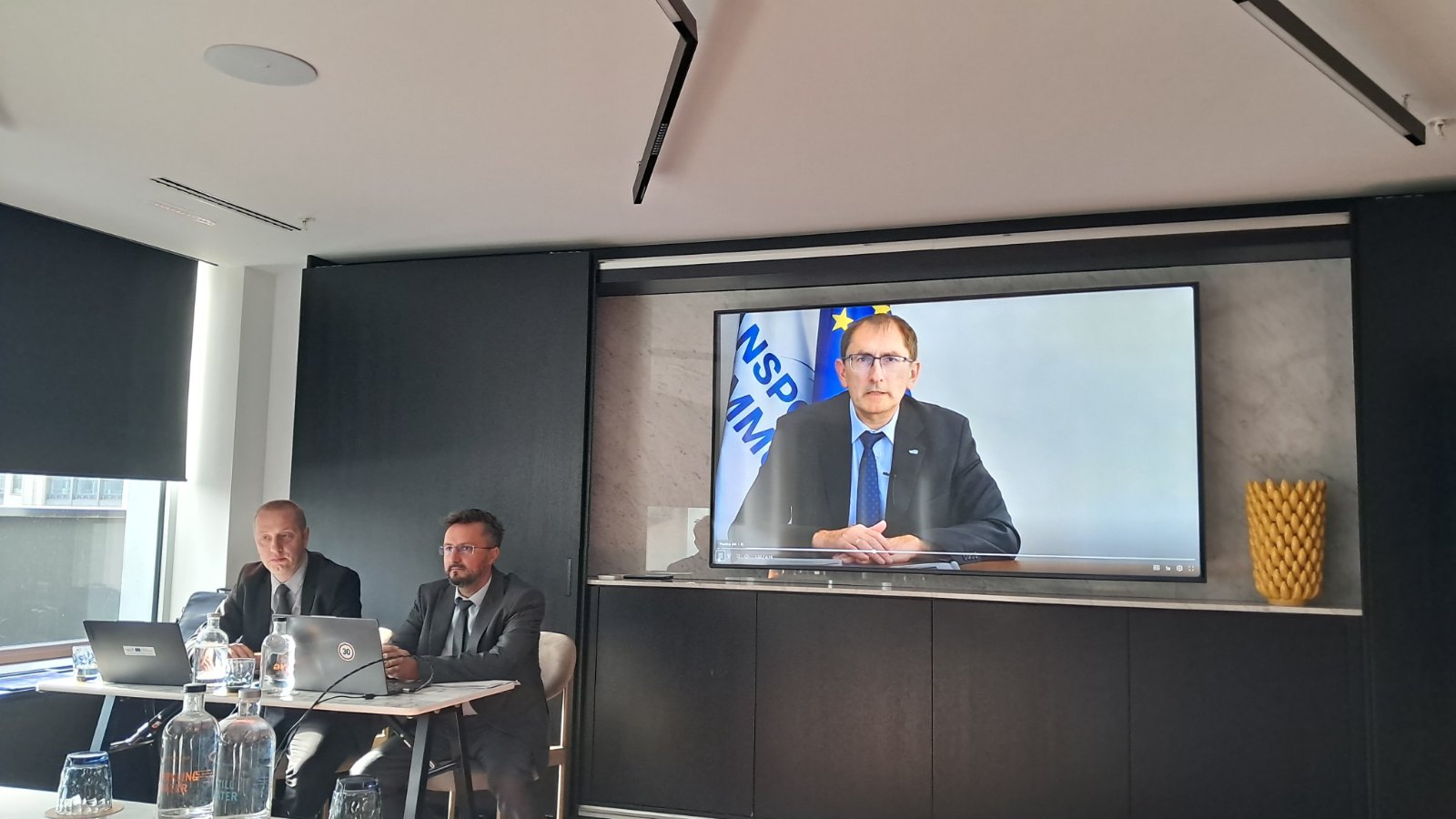
Opening the first day, Director of the Permanent Secretariat of the Transport Community Tālis Linkaits highlighted the urgency of action. Figures presented indicate that 1,287 people lost their lives on Western Balkan roads in 2025, a 5% increase compared with the previous year. With the region’s fatality rate remaining significantly above the EU average, he underlined the importance of evidence-based policymaking and effective implementation.
The Technical Committee reviewed the Progress Report on the Action Plan for Road Safety for technical-level approval. Participants also examined the 2025 road safety data collection process, identifying gaps and improvements needed in reporting across transport, police and health authorities, with particular attention to serious injuries.
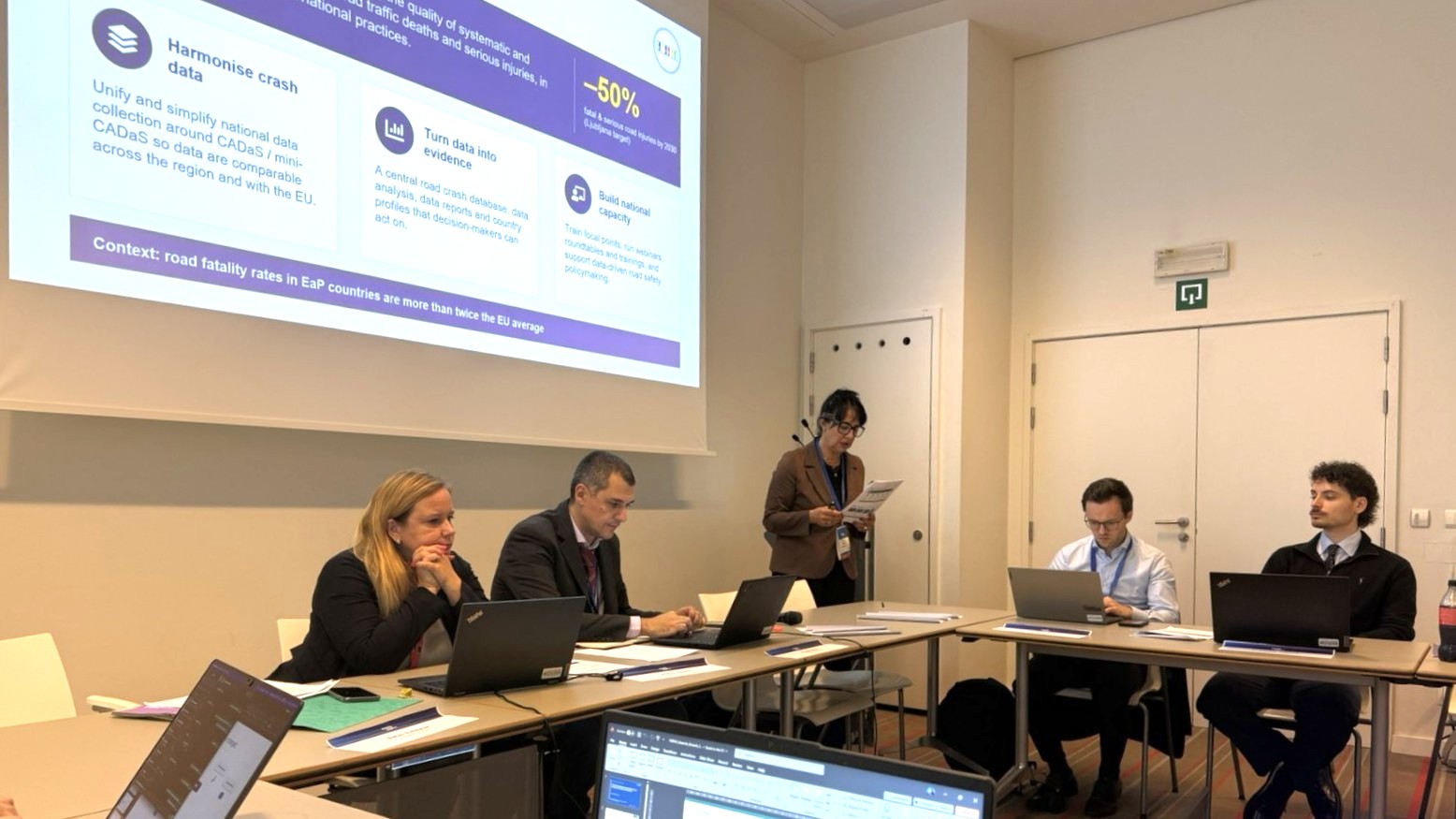
A key outcome was the technical adoption of the EU CARE Roadmap, which provides a step-by-step framework for aligning Western Balkan crash data with the EU database model. The roadmap supports more consistent and comparable reporting across the region.
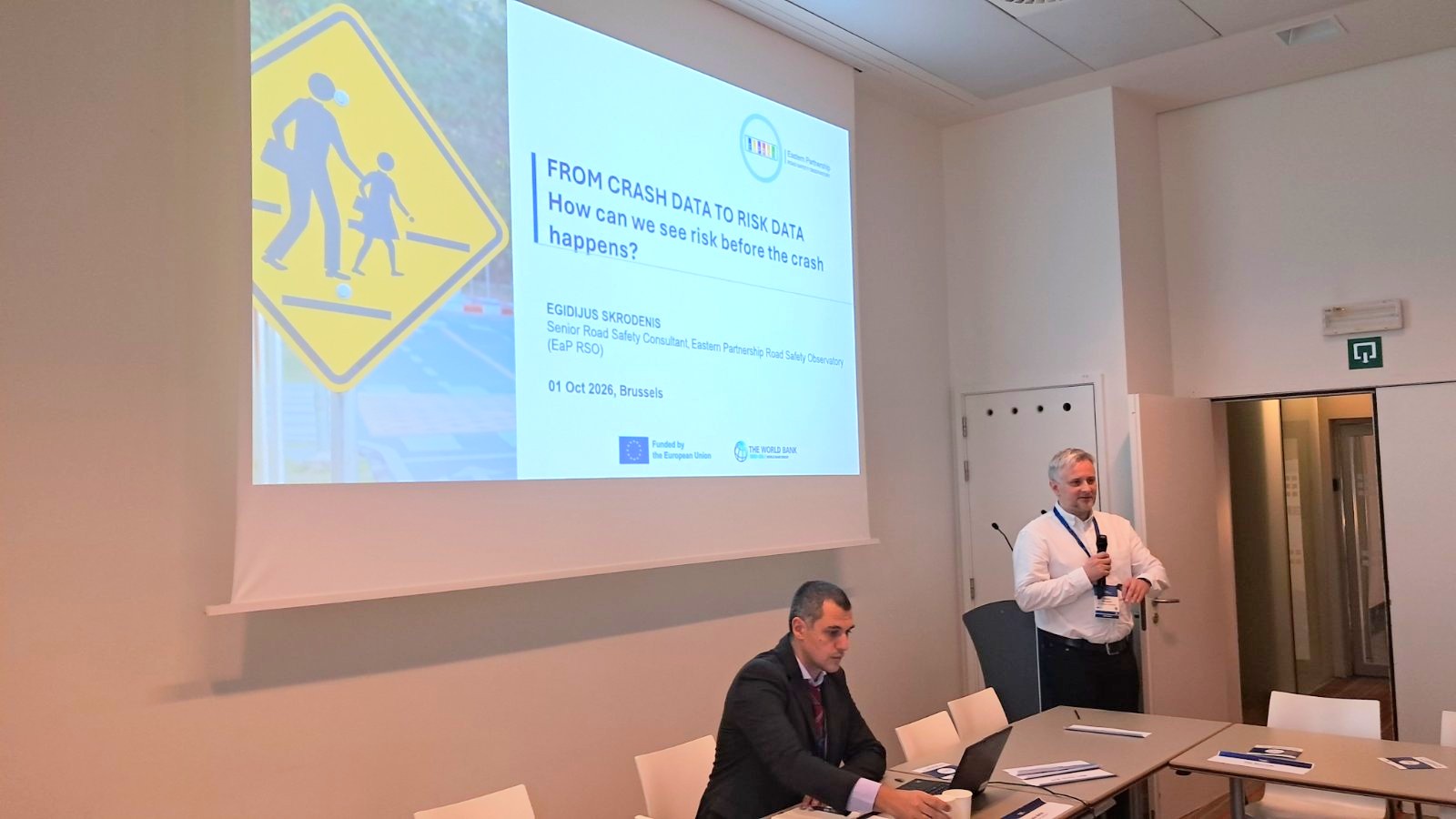
On 1 October, the joint observatories conference broadened the exchange to data collection methodologies, key performance indicators and the use of data visualisation to inform decisions. Discussions explored challenges in collecting reliable information and opportunities to strengthen cooperation between the three observatories.
Seat belt use was a central theme, with the presentation of WESTBELT study findings and exchanges on approaches to measuring behaviour and using the results to guide awareness campaigns and policy. Participants also considered the EU CARE methodology and opportunities for joint training, research and future pilot activities.