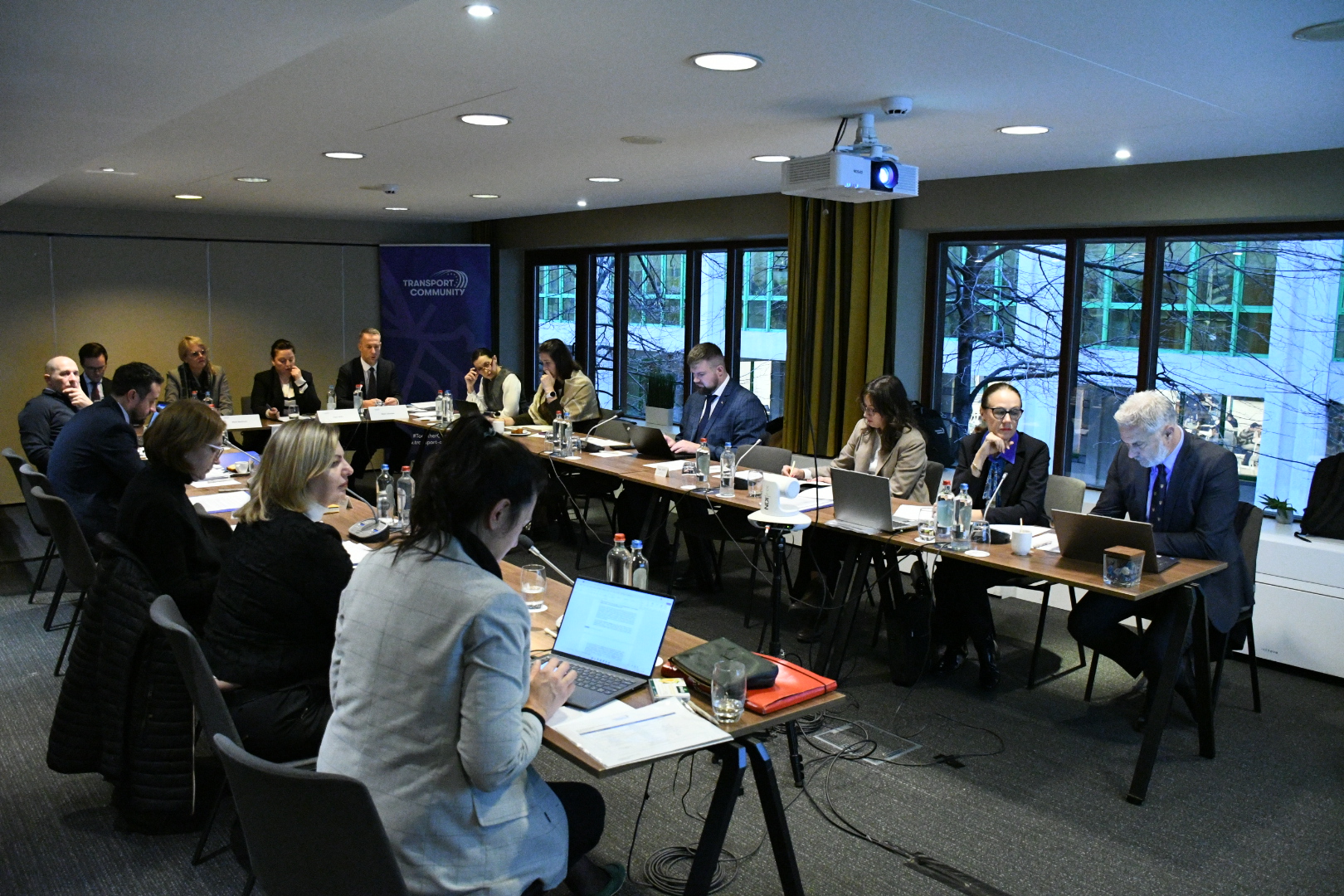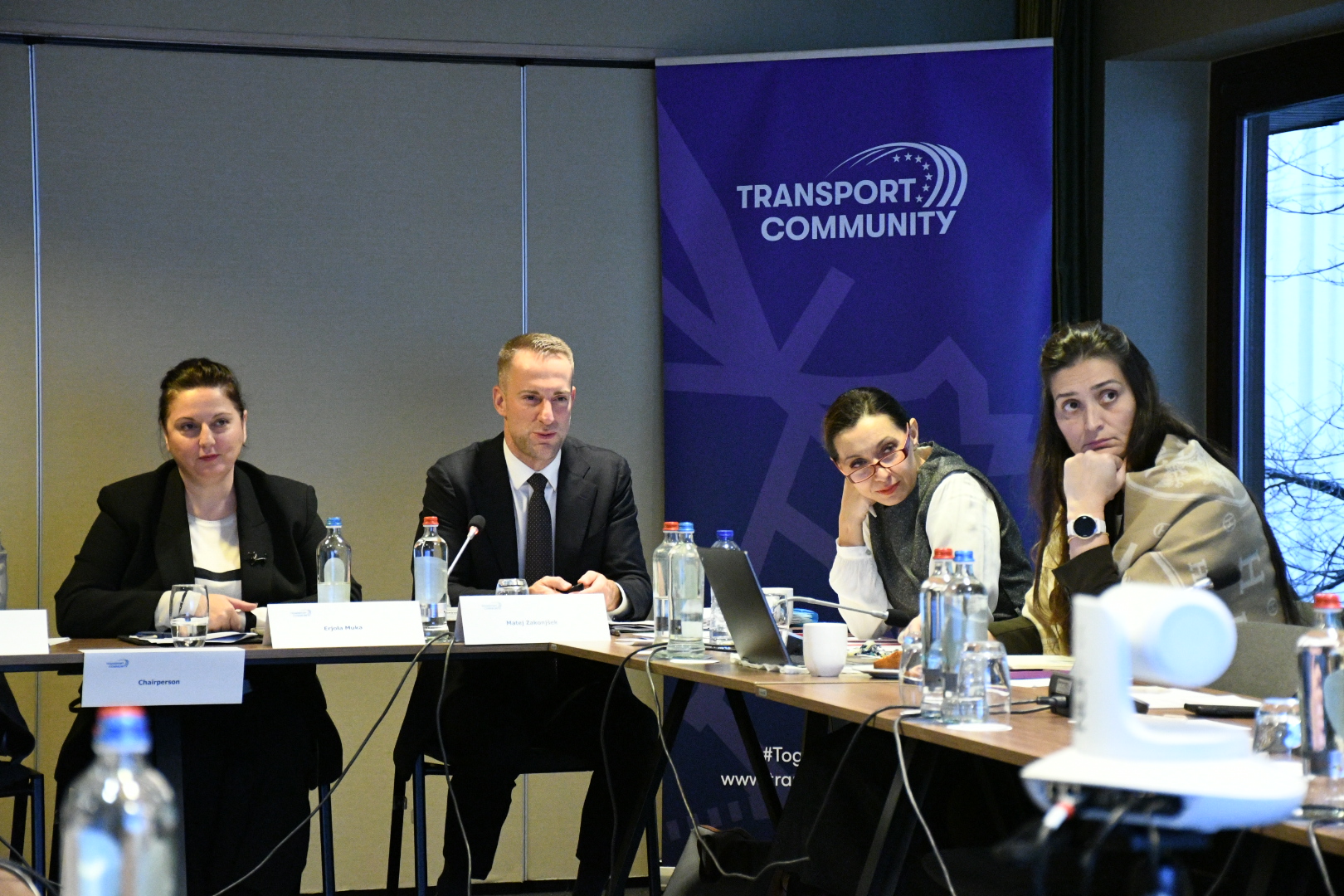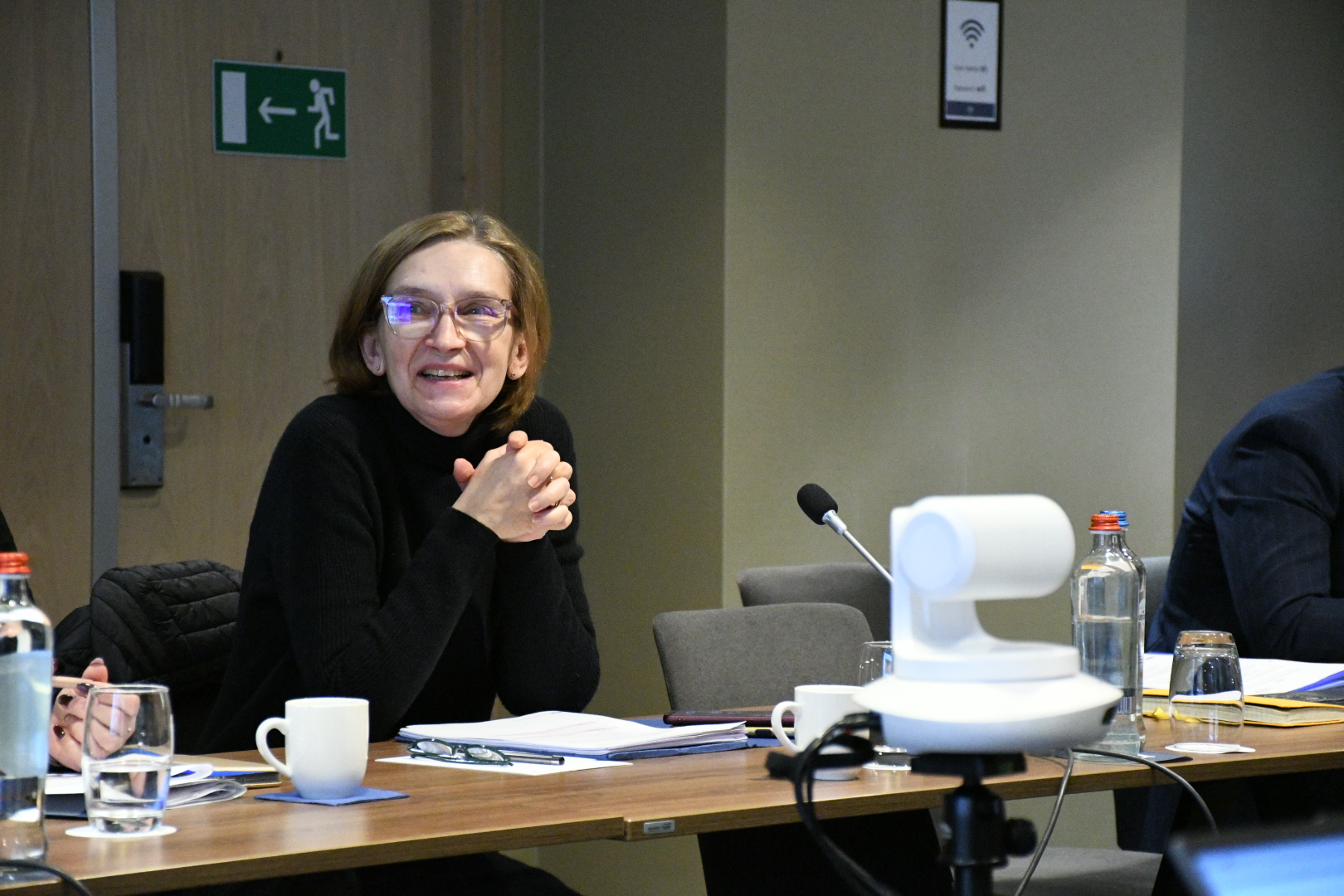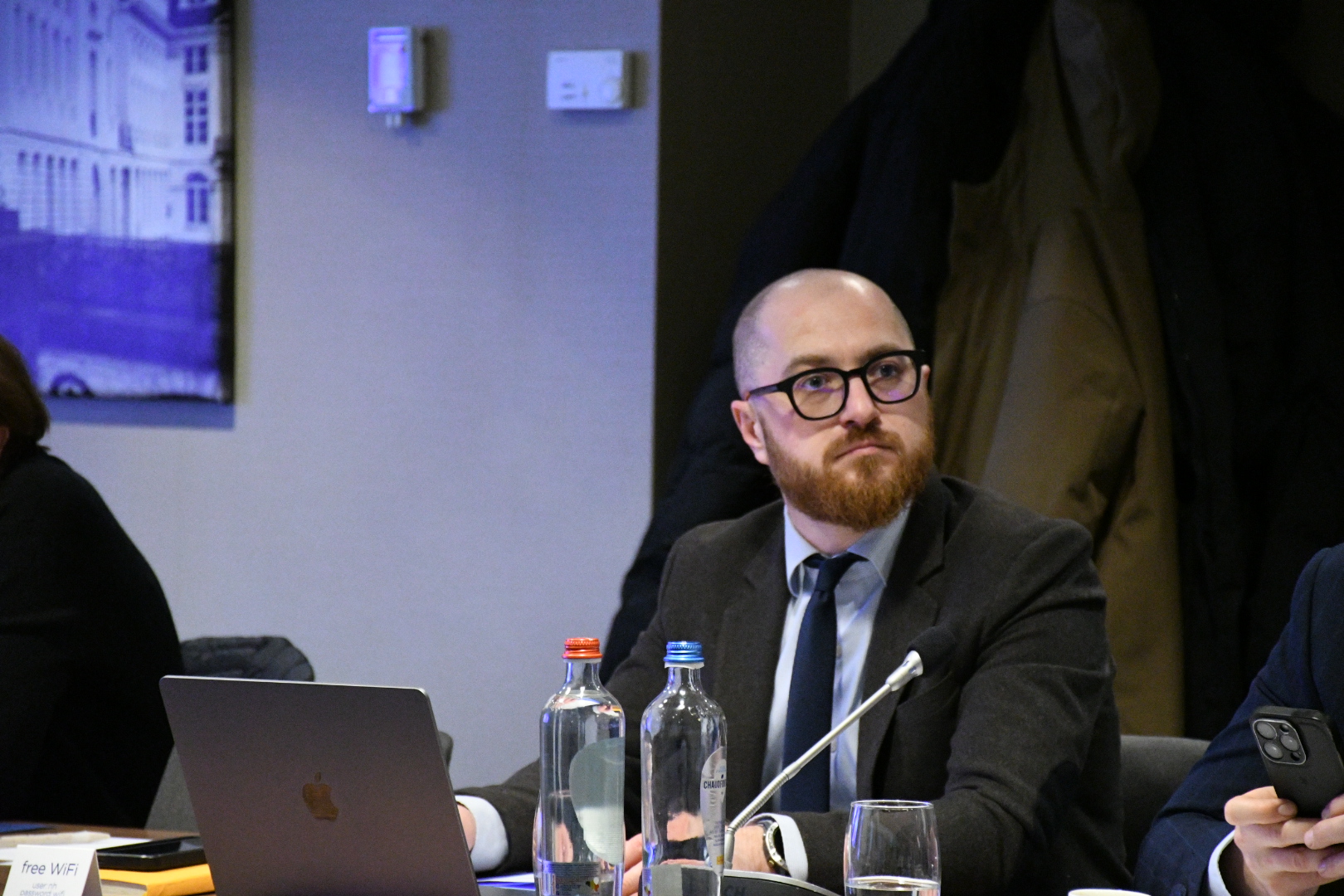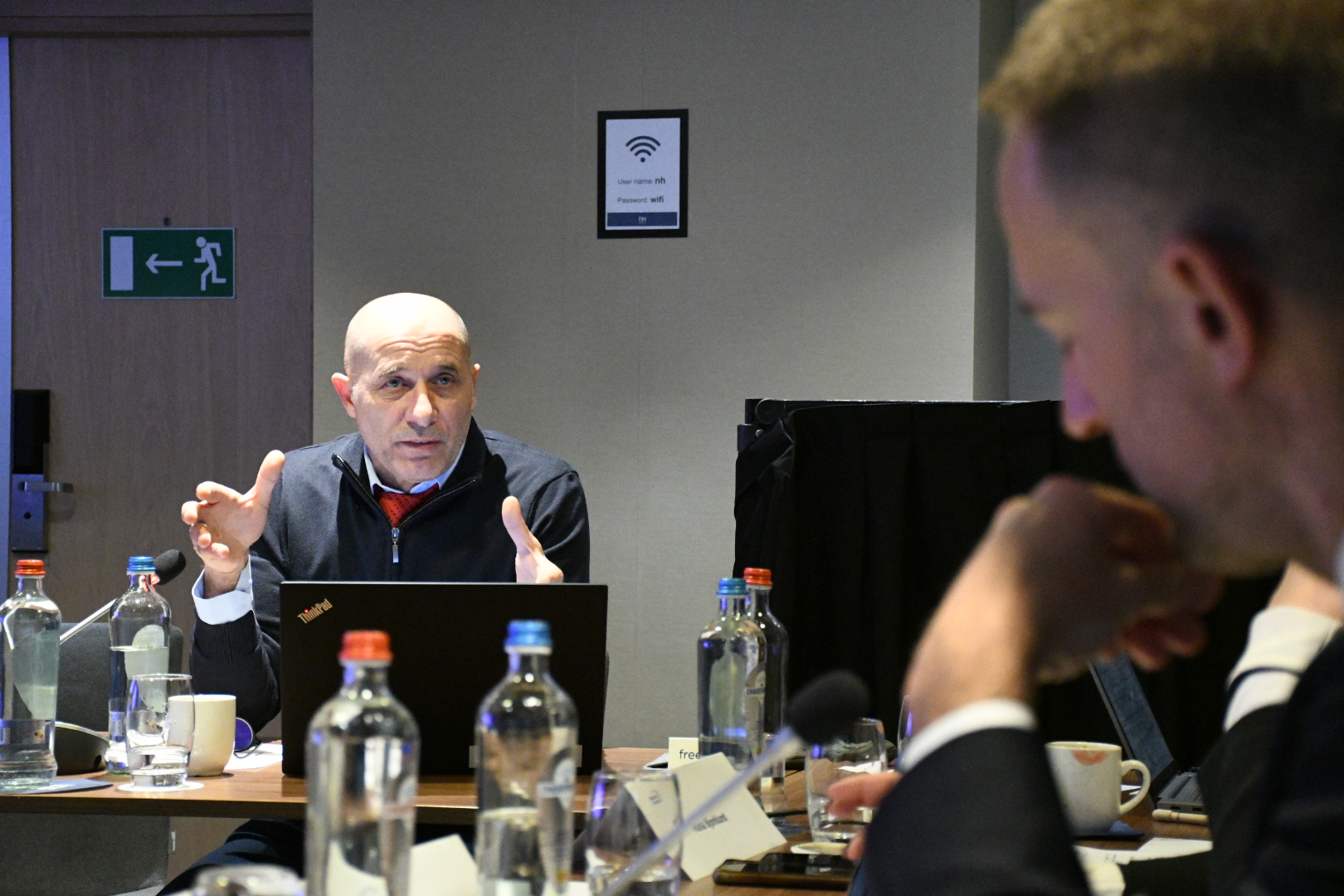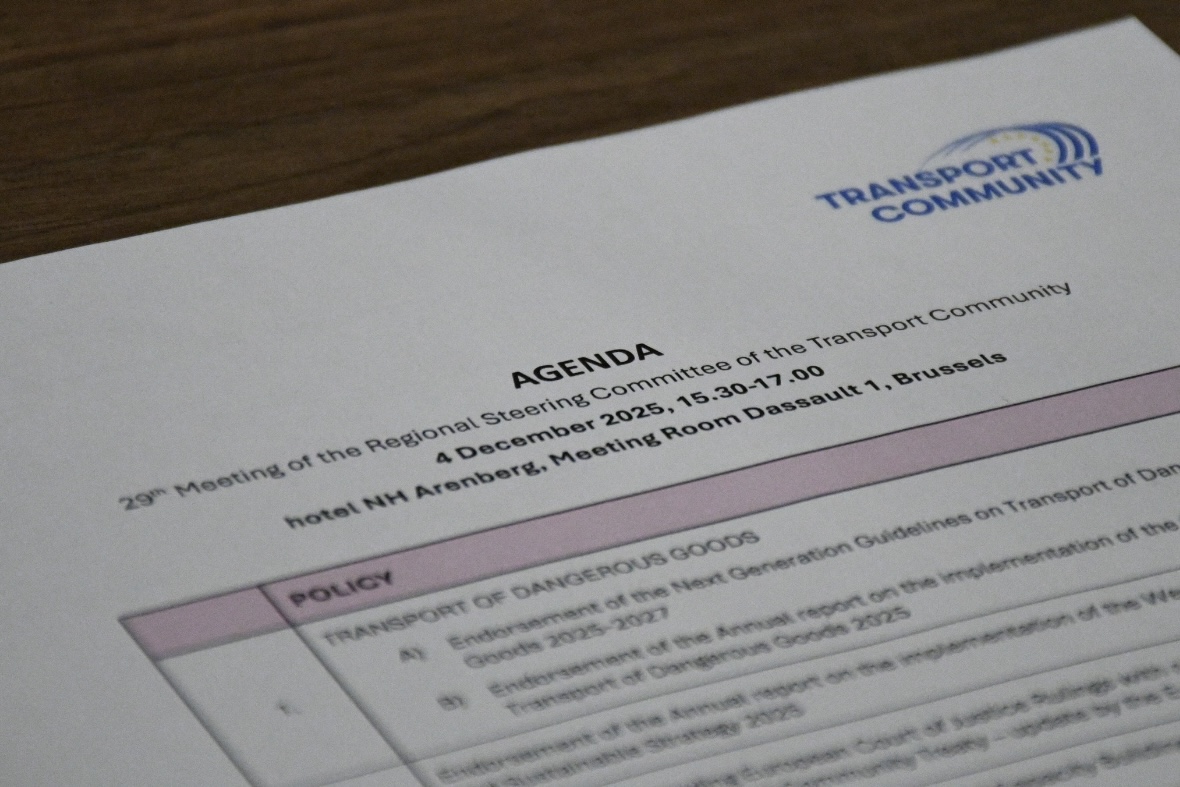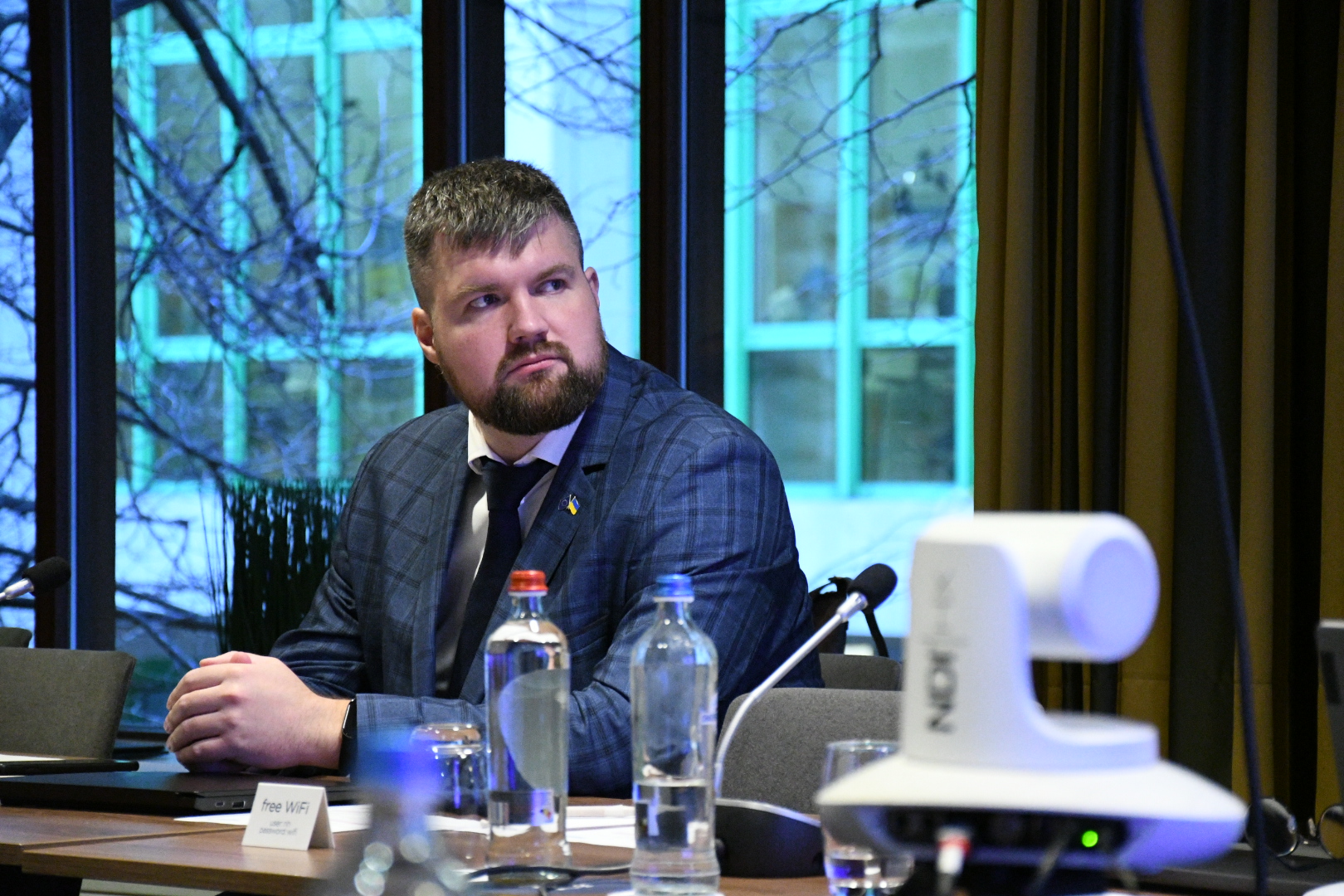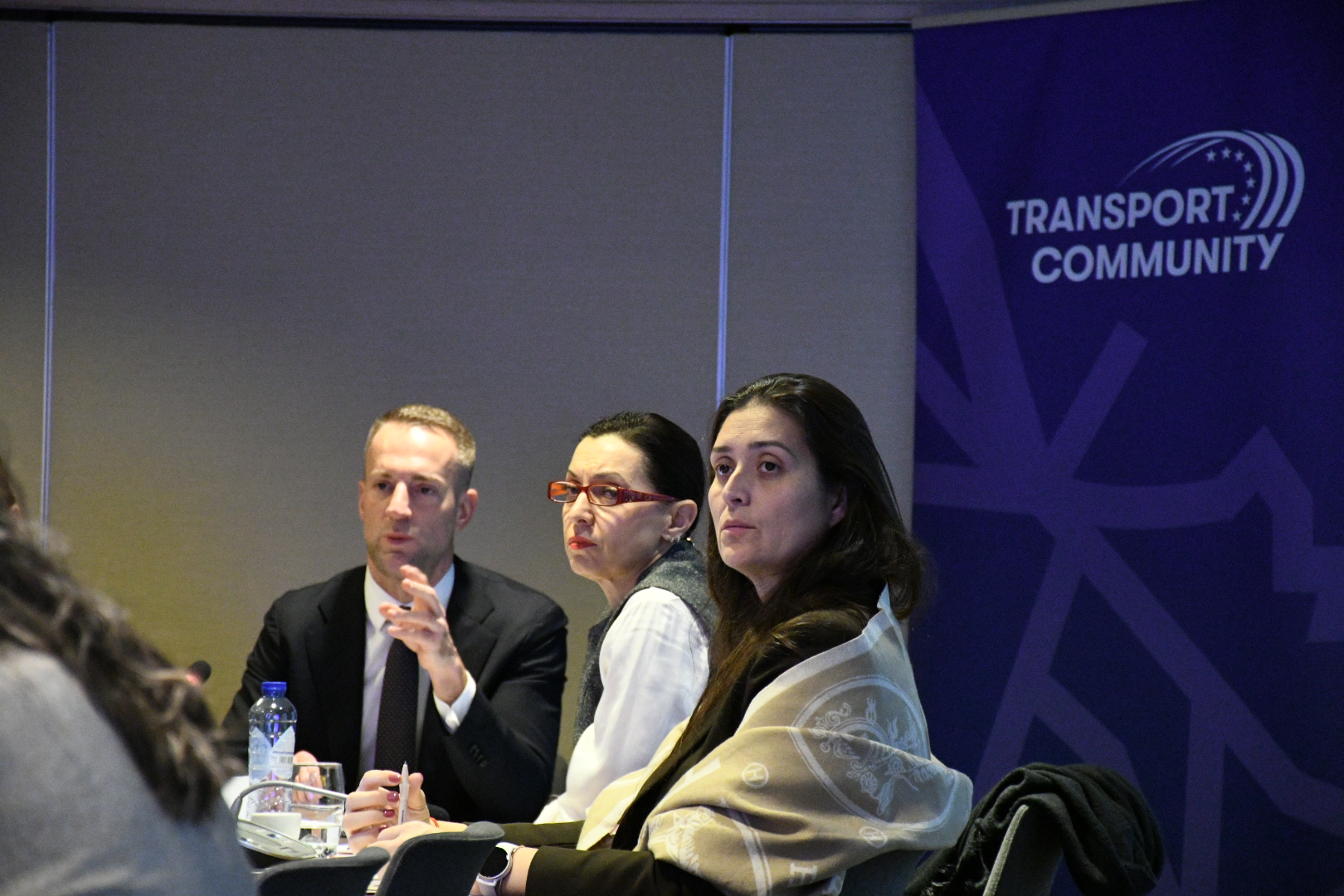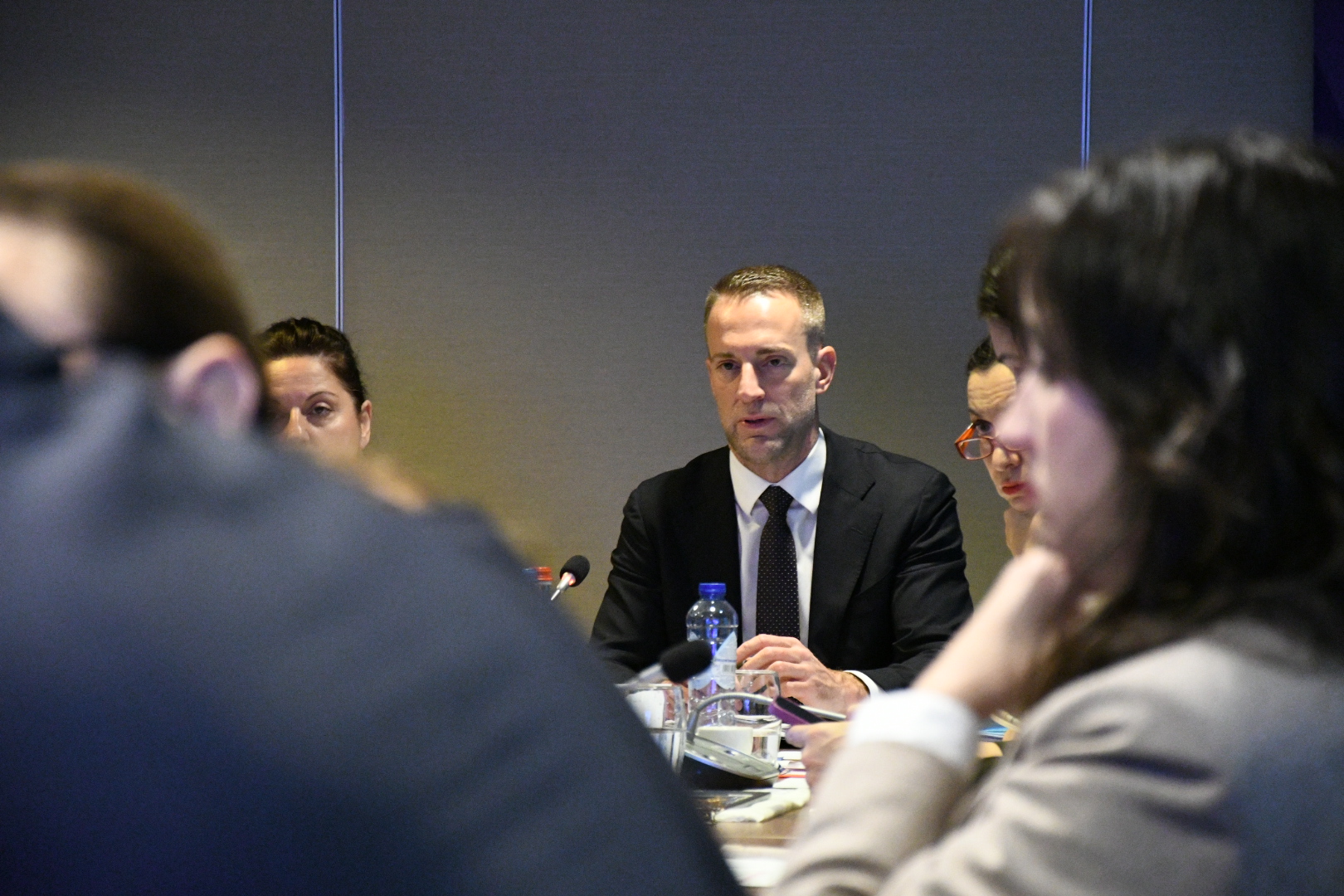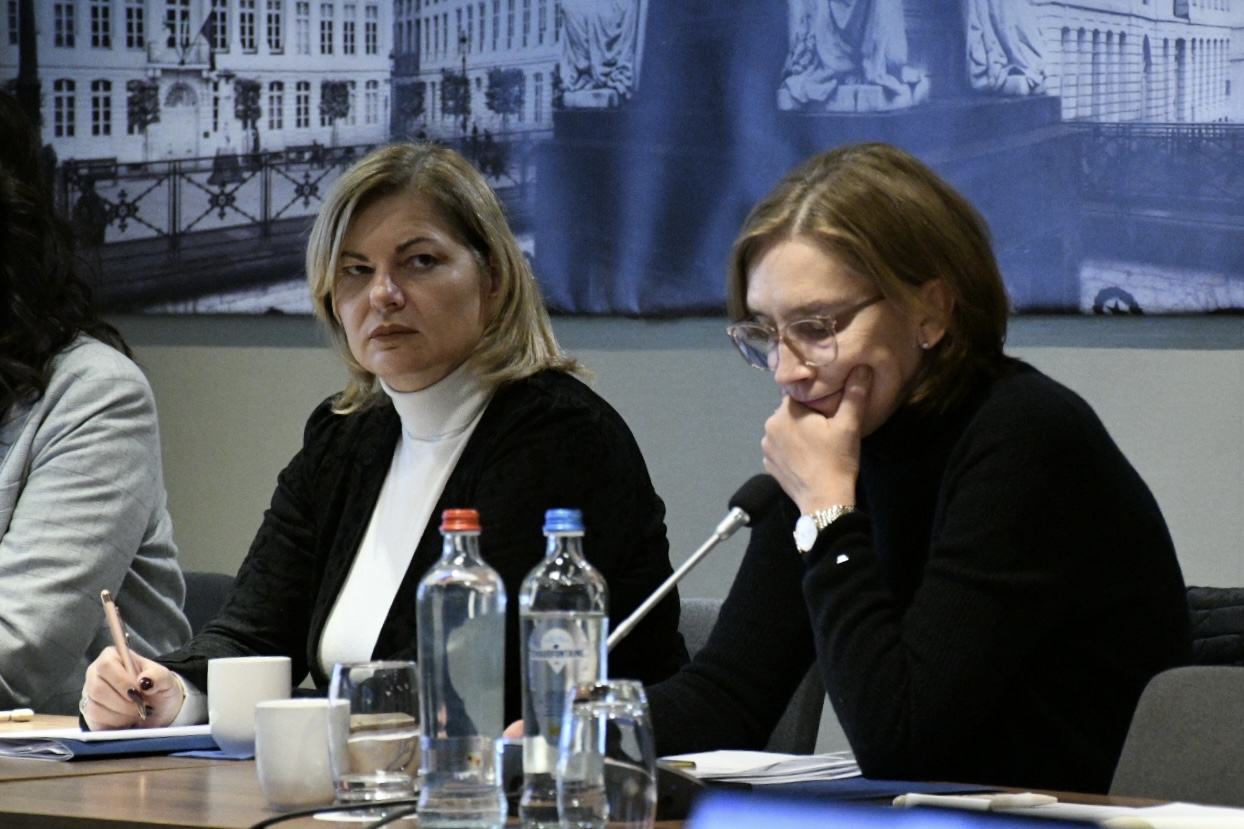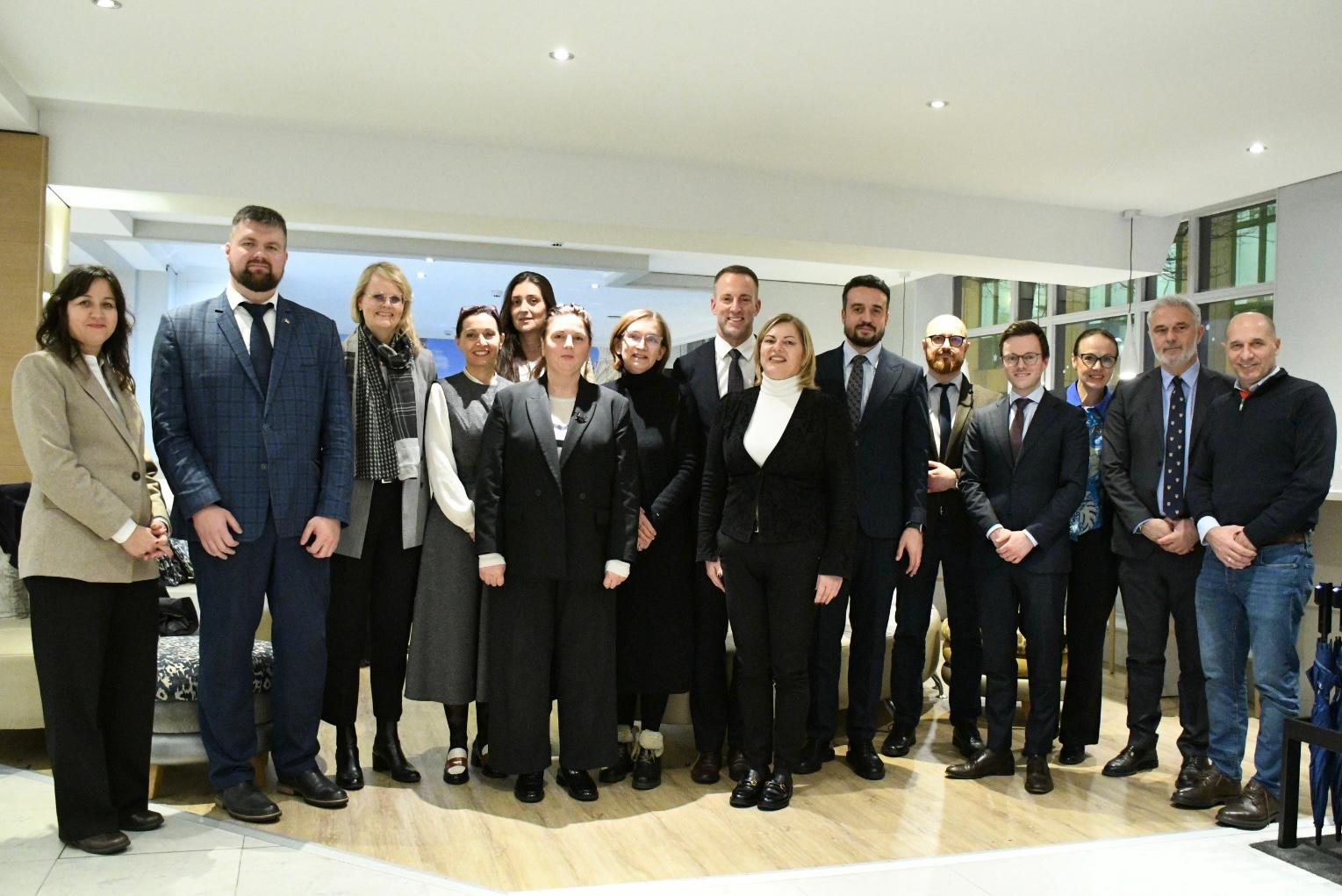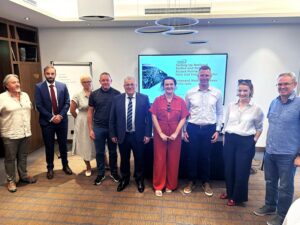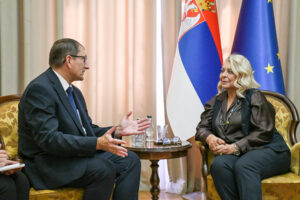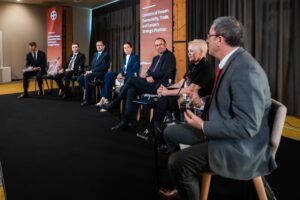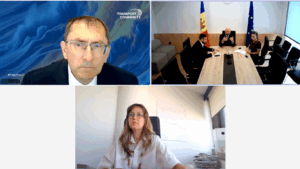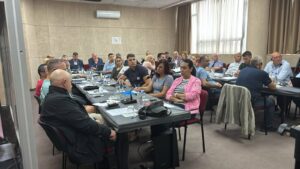
BRUSSELS – The 29th Meeting of the Transport Community’s Regional Steering Committee, the operational decision-making body of the organisation, brought together senior representatives from the Western Balkans, the European Commission, and observing participants on 4 December in Brussels to endorse decisions that will shape the region’s transport policies in the year ahead.
The meeting focused on improving safety, strengthening cooperation with the EU, and ensuring smooth implementation of the Transport Community’s annual work.
Opening the meeting, Ms Erjola Muka, General Director of Transport Policies and Development of Infrastructure and Territory at the Ministry of Infrastructure and Energy of Albania, pointed out that the Albanian Presidency will work to ensure that the Regional Steering Committee continues to deliver concrete progress, not only through aligned policies, but through implementation on the ground. “Strengthening transport safety, promoting sustainable mobility, and deepening regional cooperation are all essential steps on our joint path toward a more integrated and resilient transport community,” she highlighted.
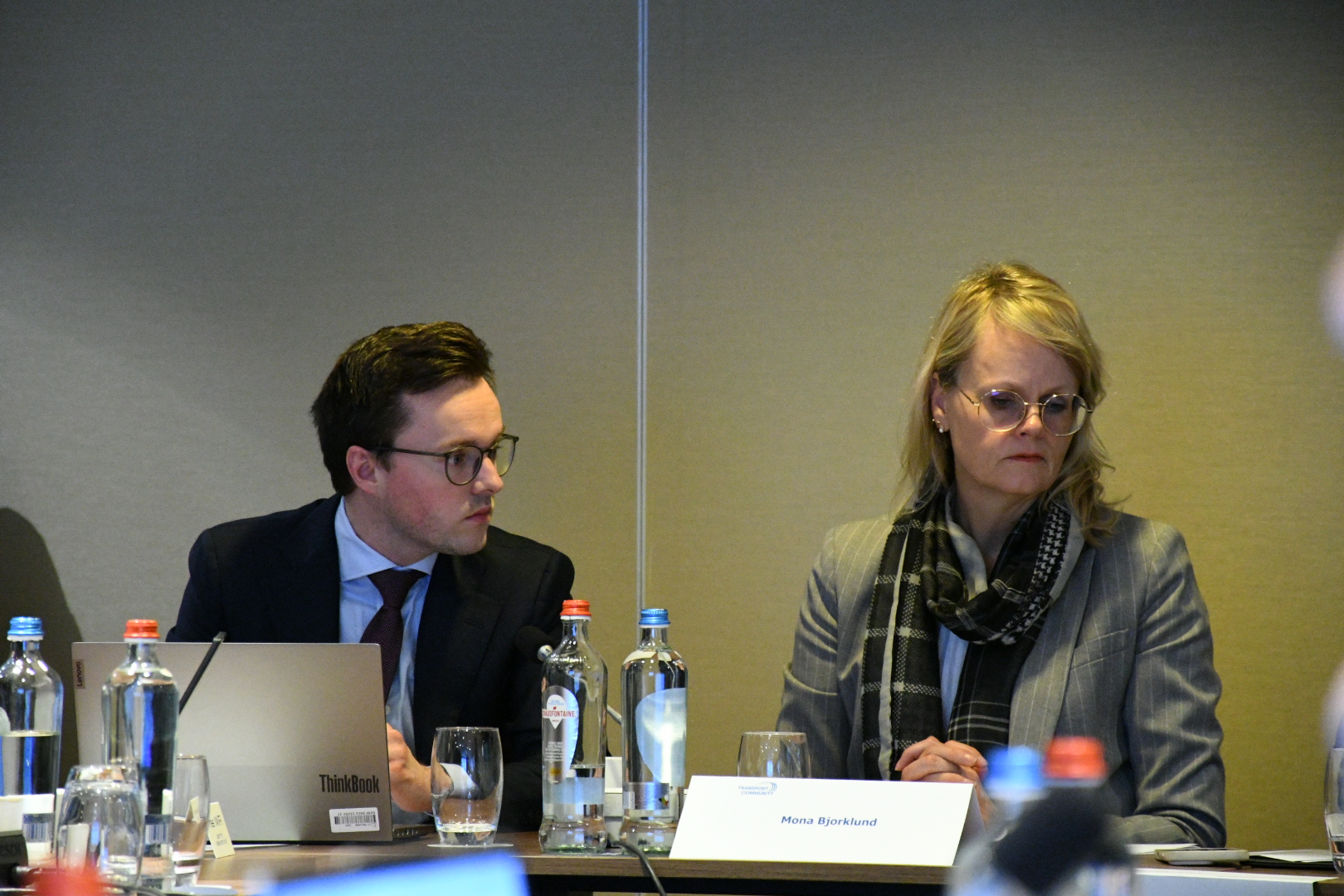
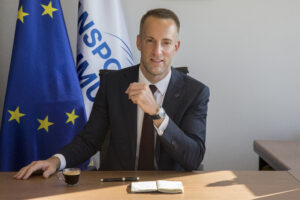
During this final meeting of the Regional Steering Committee of 2025, Committee Co-Chair and Director for Policy Coordination in the Directorate-General for Mobility and Transport of the European Commission, Ms Mona Bjorklund, reflected on the achievements of the year while also looking ahead. She emphasised that 2026 must be the year in which accelerated progress on acquis alignment becomes clearly visible. The TCT Ministerial Council on 5 December will offer an important opportunity for all partners to present ambitious plans in this regard.
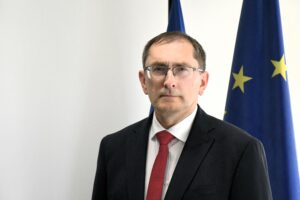
Director of the Permanent Secretariat of the Transport Community, Mr Matej Zakonjšek, pointed out that the meeting showed how far the region has come in building a safer, cleaner, and more connected transport system. “By strengthening our cooperation and aligning ever more closely with European standards, we are improving mobility and creating real benefits for citizens and businesses across the Western Balkans, Georgia, Moldova, and Ukraine. The Secretariat remains committed in assisting the regional partners and observing participants in achieving the full alignment with the EU transport standards,” he concluded.
The Regional Steering Committee endorsed the Next Generation Guidelines on the Transport of Dangerous Goods for 2025–2027. These guidelines will help authorities handle and transport hazardous materials more safely, reducing risks for citizens, workers, and the environment. The meeting also approved the 2025 annual report assessing how previous guidelines were implemented across the region, highlighting steady progress and areas where further efforts are needed.
In addition, the Committee endorsed the Annual Report on the Western Balkans Smart and Sustainable Mobility Strategy, confirming ongoing advances in cleaner, more digital, and more efficient transport across the region.
The European Commission provided an update on recent rulings of the European Court of Justice that are relevant for the Western Balkans. Understanding these decisions helps all partners stay aligned with EU laws and maintain smooth integration with the wider European transport network.
Members also reviewed the progress of the Technical Assistance and Capacity Building Programme for observing participants, which supports Georgia, the Republic of Moldova, and Ukraine in aligning with European transport standards.
The Steering Committee adopted the Budget of the Transport Community for 2026 (adoption in principle), Annual Work Programme for 2026, and amendments to the Financial Rules of the Transport Community.