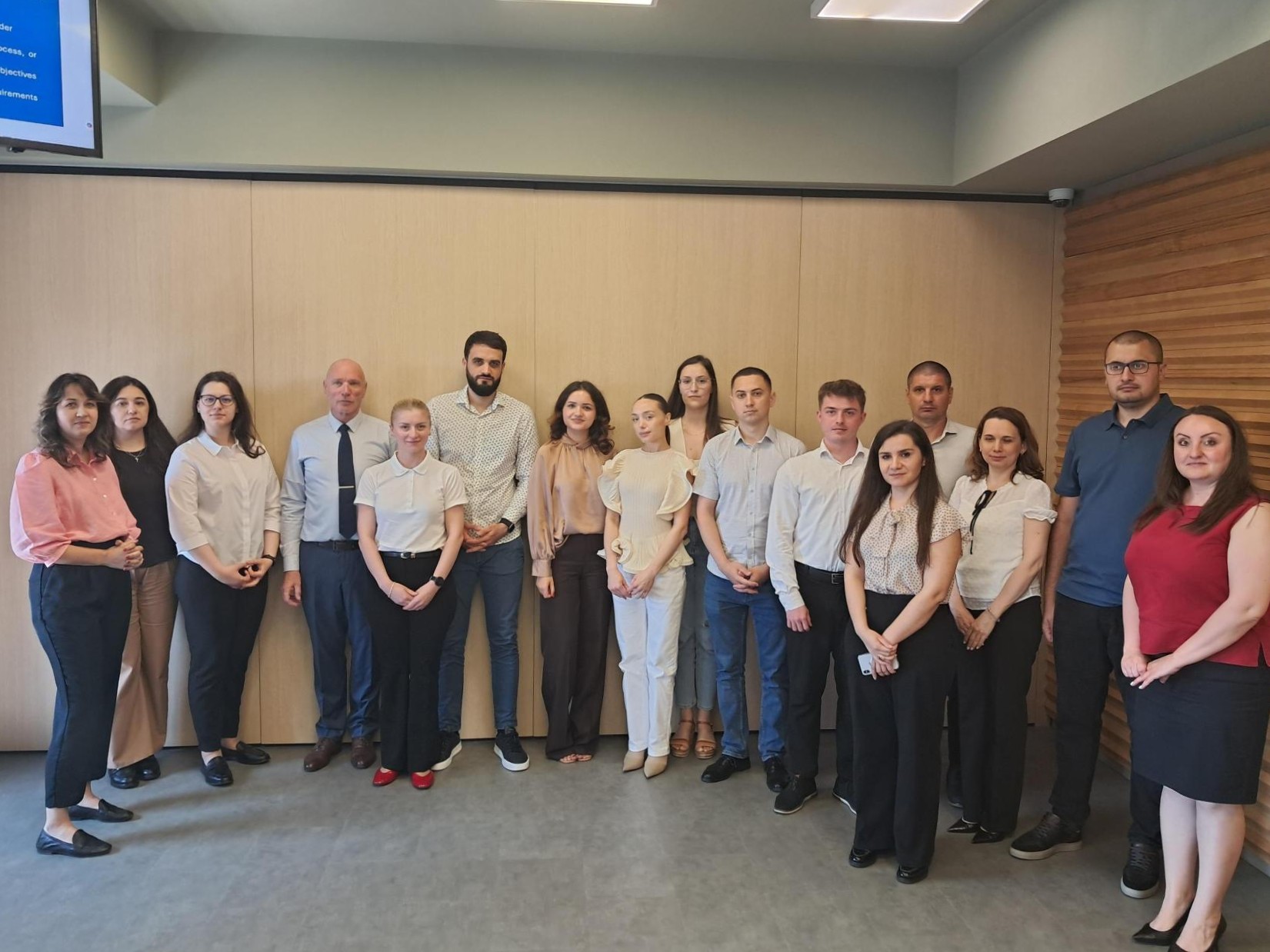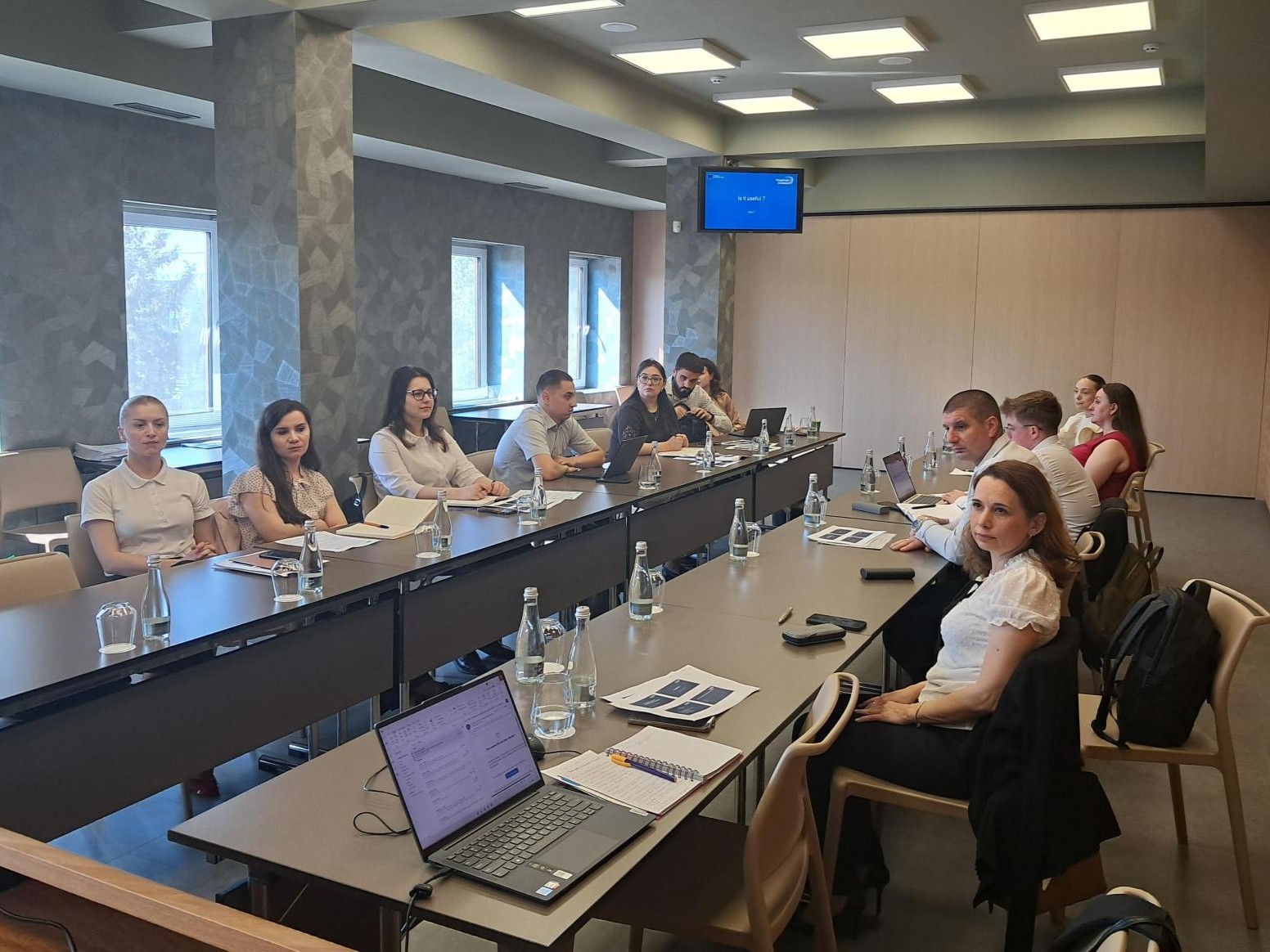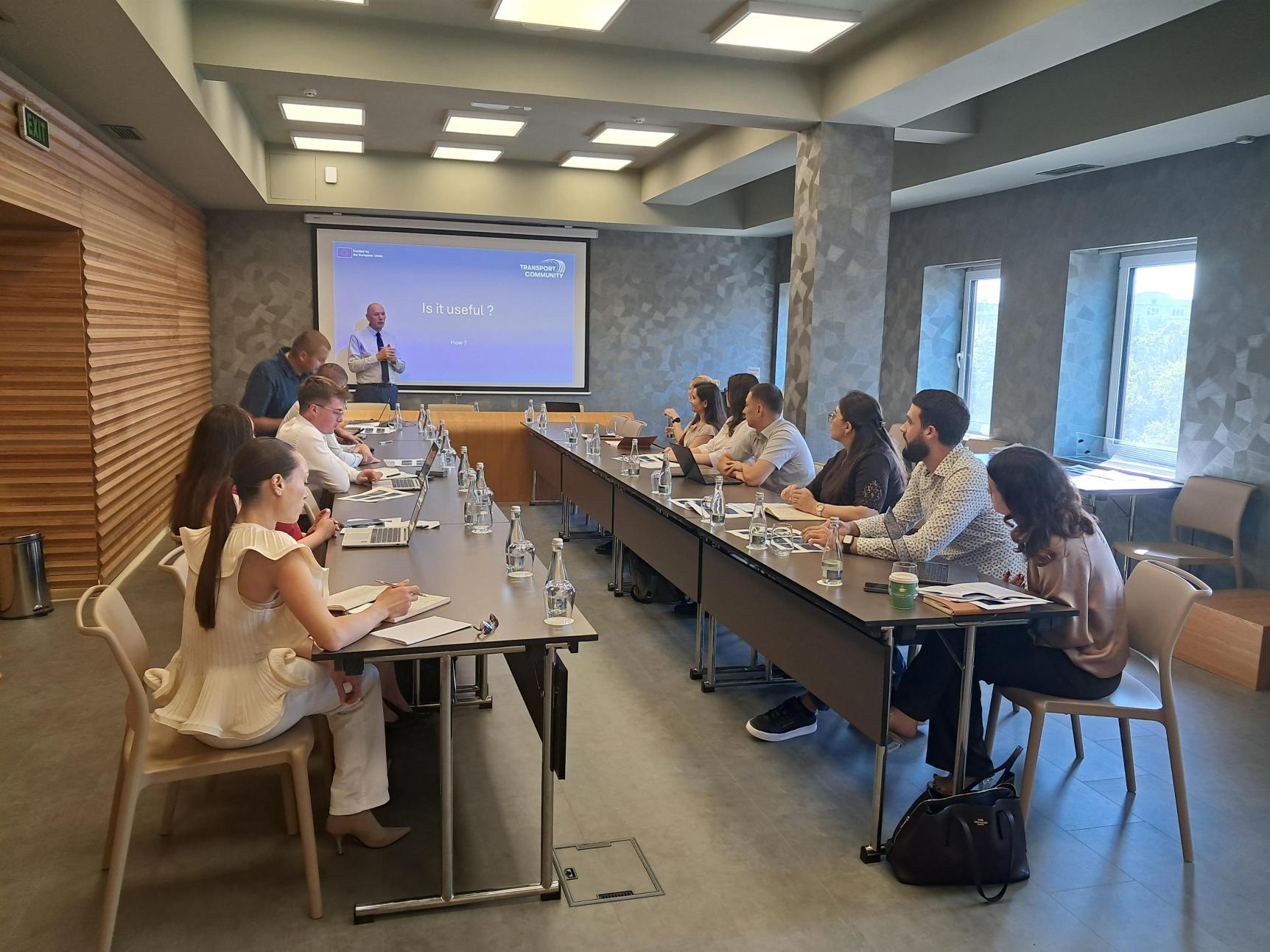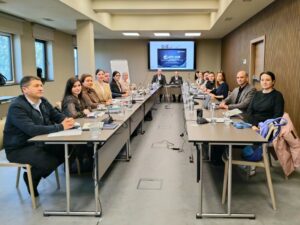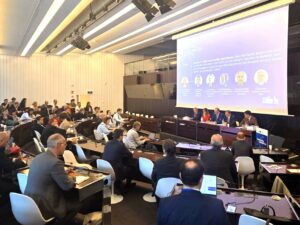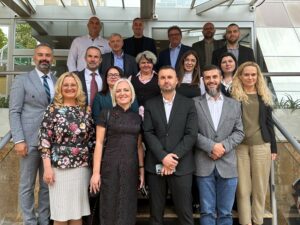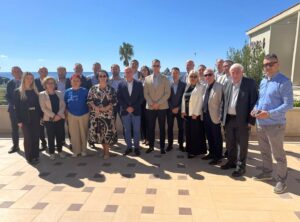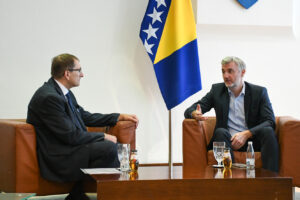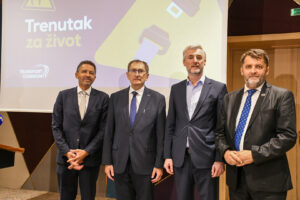
CHIȘINĂU – The Permanent Secretariat of the Transport Community organised a two-day training on Regulatory Impact Assessment (RIA) in Chișinău on 11-12 June 2026, as part of the project supporting policy and regulatory reforms in Georgia, the Republic of Moldova and Ukraine.
The training aimed to strengthen the capacity of Moldova’s institutions to apply RIA as a tool for evidence-based policymaking and legislative drafting. As Moldova advances on its EU accession path, stronger capacities in regulatory impact assessment are essential to ensure that legislative reforms are transparent, proportionate, evidence-based and responsive to the needs of citizens, businesses and public institutions.
EU accession is not only about adopting legislation. It is also about making sure that laws can be enforced, institutions can implement them, businesses can comply with them, and citizens can benefit from them. In this context, RIA plays an important role in improving the quality of legislation and supporting the effective implementation of reforms.
The programme combined theoretical and practical components, covering the purpose and role of RIA in the legal drafting process, international best practices, key elements and methodologies of impact assessment, and practical exercises linked to future EU-related legislation in the transport sector.
Participants worked in groups on a case study focusing on road transport and customs control. Through this exercise, they applied RIA methodologies to assess the potential impacts of legislative changes that may arise from future EU membership, including their effects on institutions, businesses and users.
The training brought together representatives of key Moldova’s public institutions involved in transport, energy, infrastructure, public policy coordination and regulatory reform. Participants included officials from the Ministry of Infrastructure and Regional Development, the Ministry of Energy, the Naval Agency, the National Road Administration, the National Road Transport Agency and the Permanent Secretariat of the Transport Community.
This training is financed by the European Union under the NDICI-GEO-NEAR/2023/452688 grant awarded to the Permanent Secretariat of the Transport Community. The project supports preparatory activities aimed at facilitating the progressive integration of Georgia, the Republic of Moldova, and Ukraine into Transport Community activities.