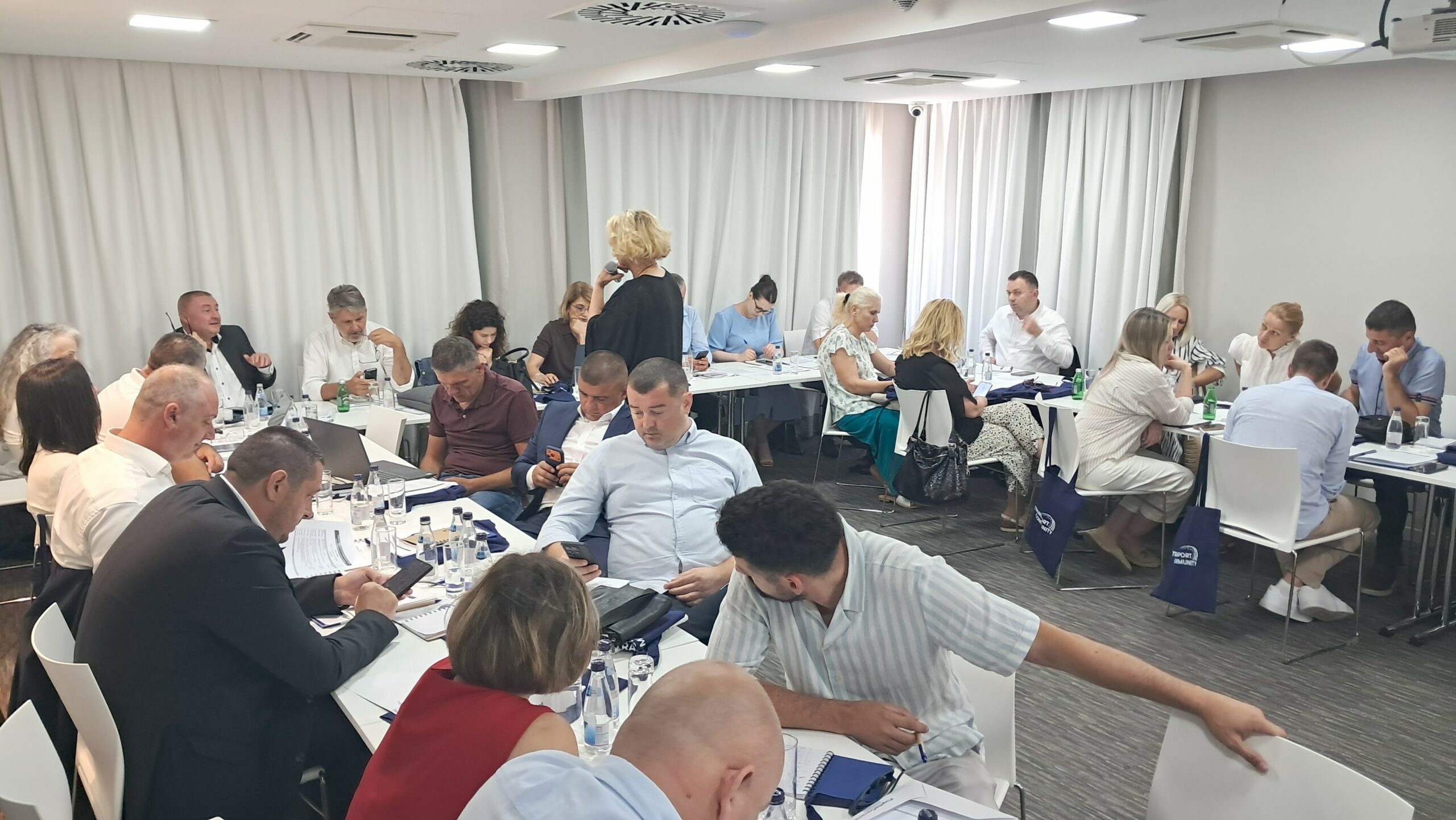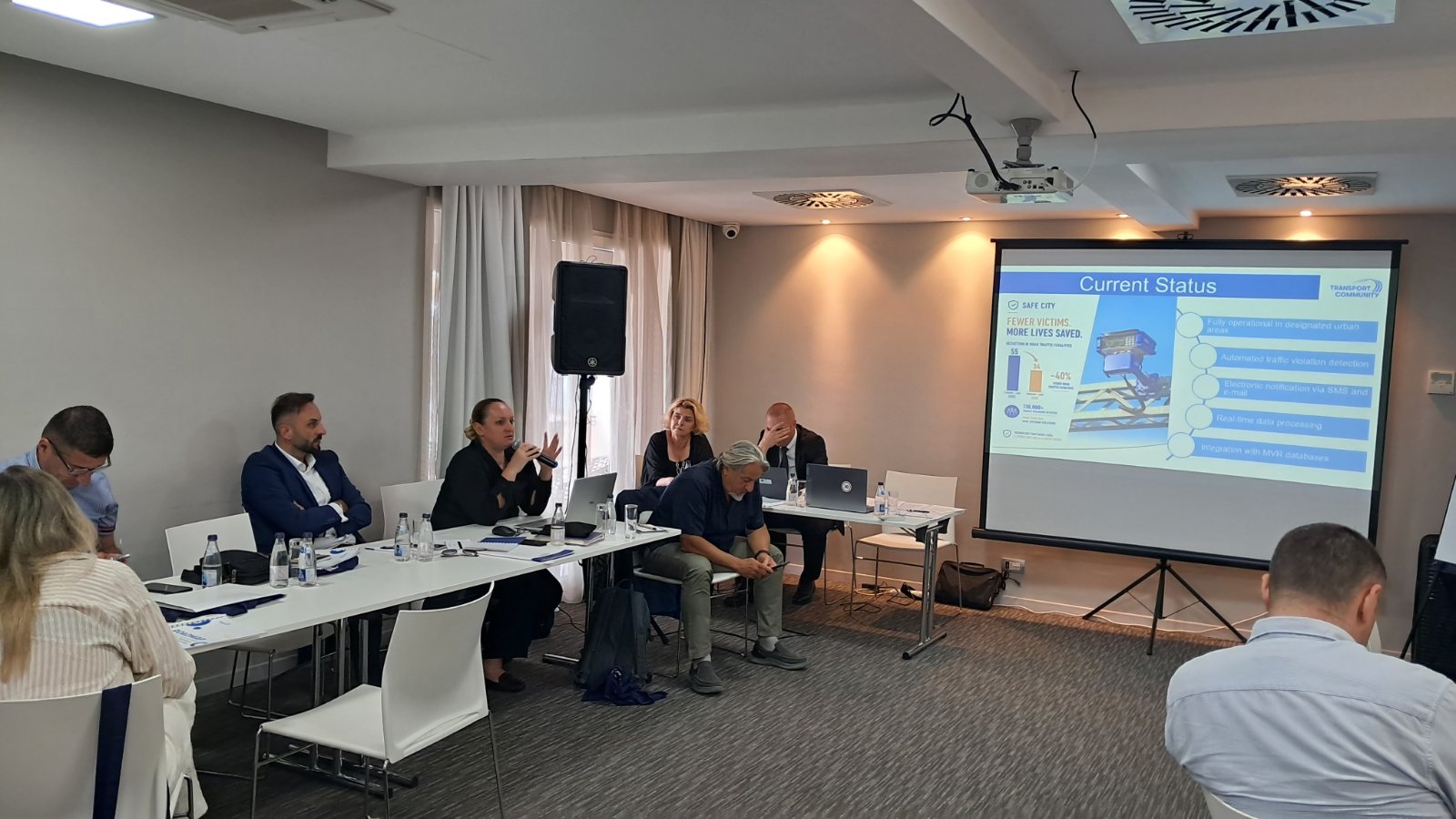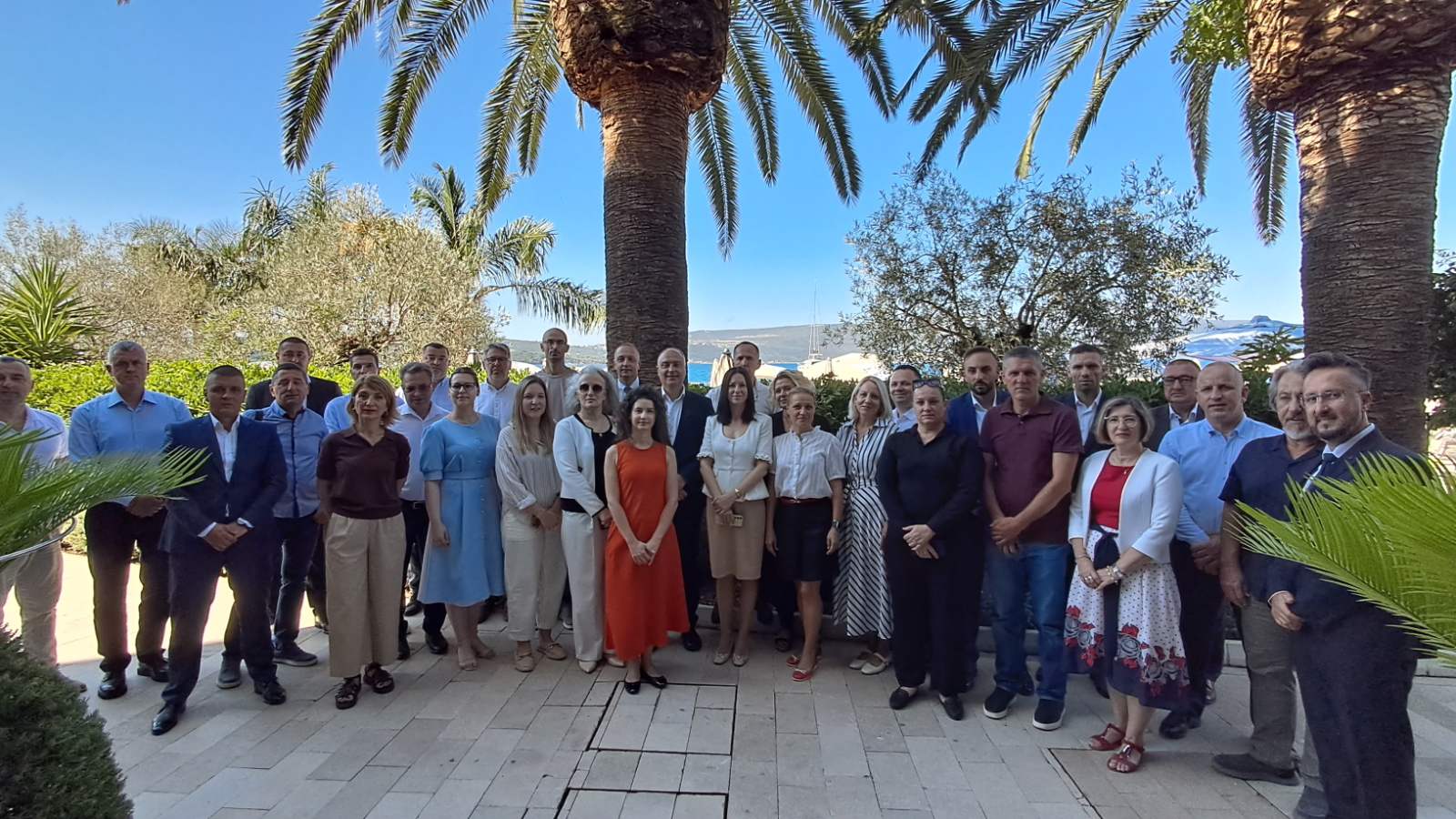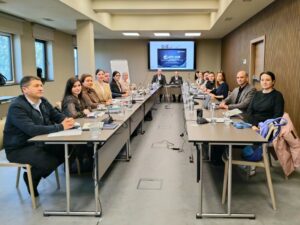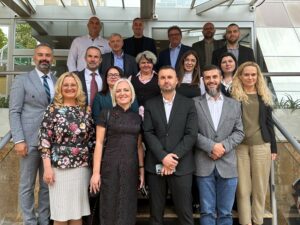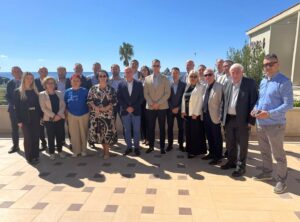
TIVAT – The Permanent Secretariat of the Transport Community hosted two regional workshops and the 24th Road Safety Technical Committee meeting in Tivat, Montenegro, on 7 and 8 July 2026, bringing together representatives of ministries, police, health authorities, emergency response services from the Western Balkans and observing participants (the Republic of Moldova and Georgia), international financial institutions and the European Commission.
The meetings focused on turning road safety commitments into practical actions that can save lives.
Across the Western Balkans, road safety remains one of the most urgent transport challenges. In 2025, the region recorded 78 road fatalities per million inhabitants, compared to the EU average of 43. Better emergency response, more reliable data and stronger coordination between institutions are essential to reducing these numbers.
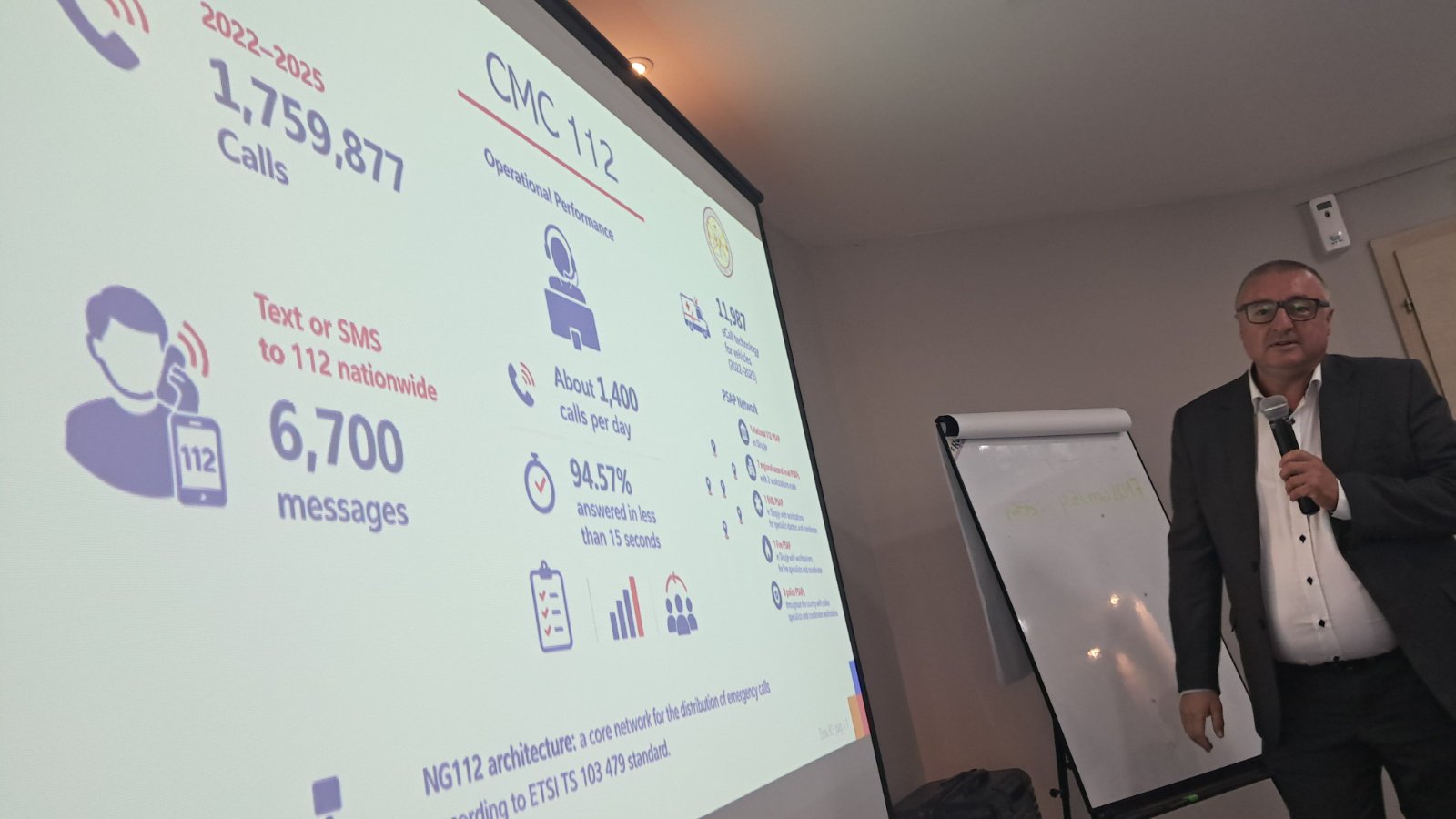
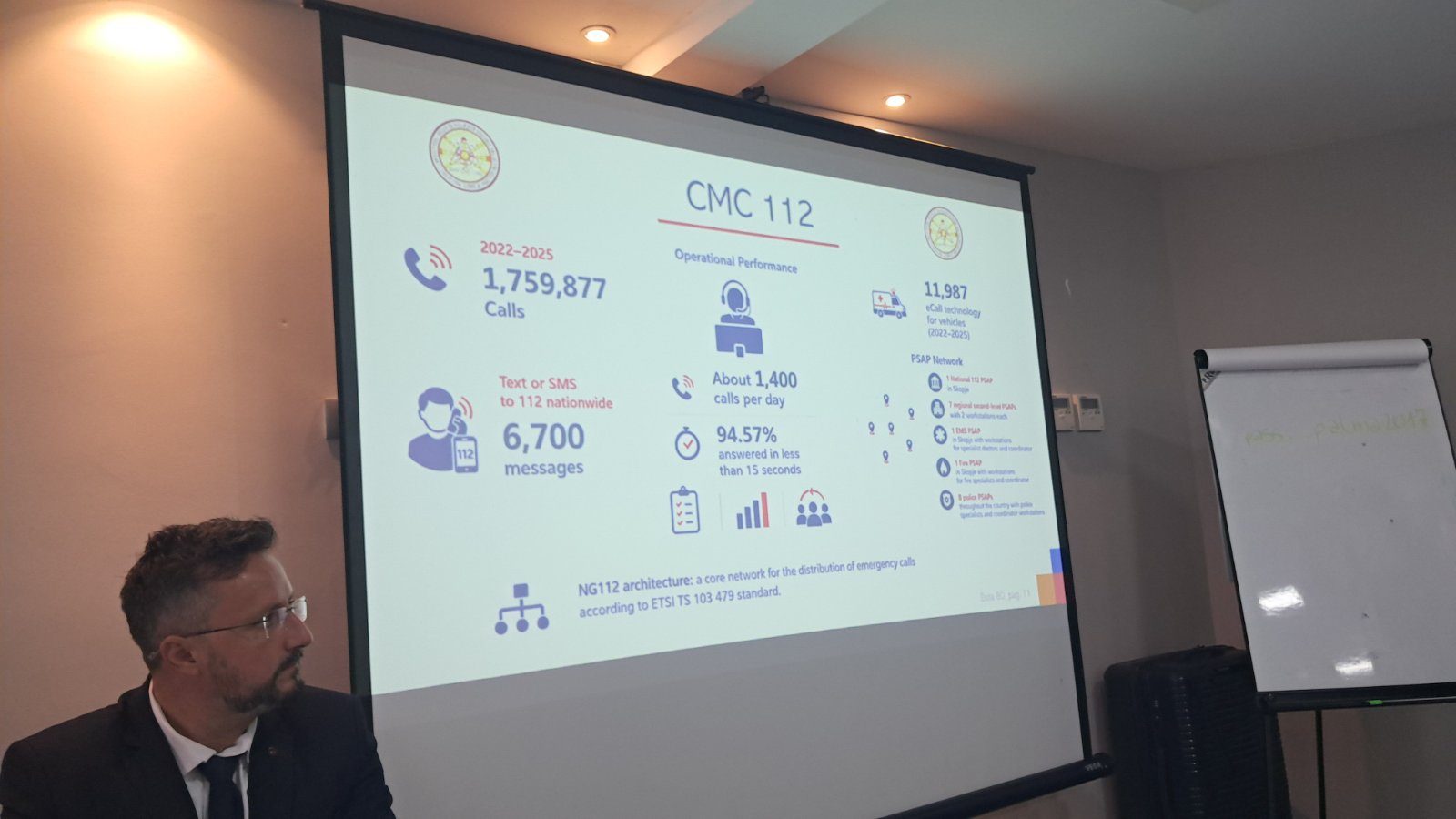
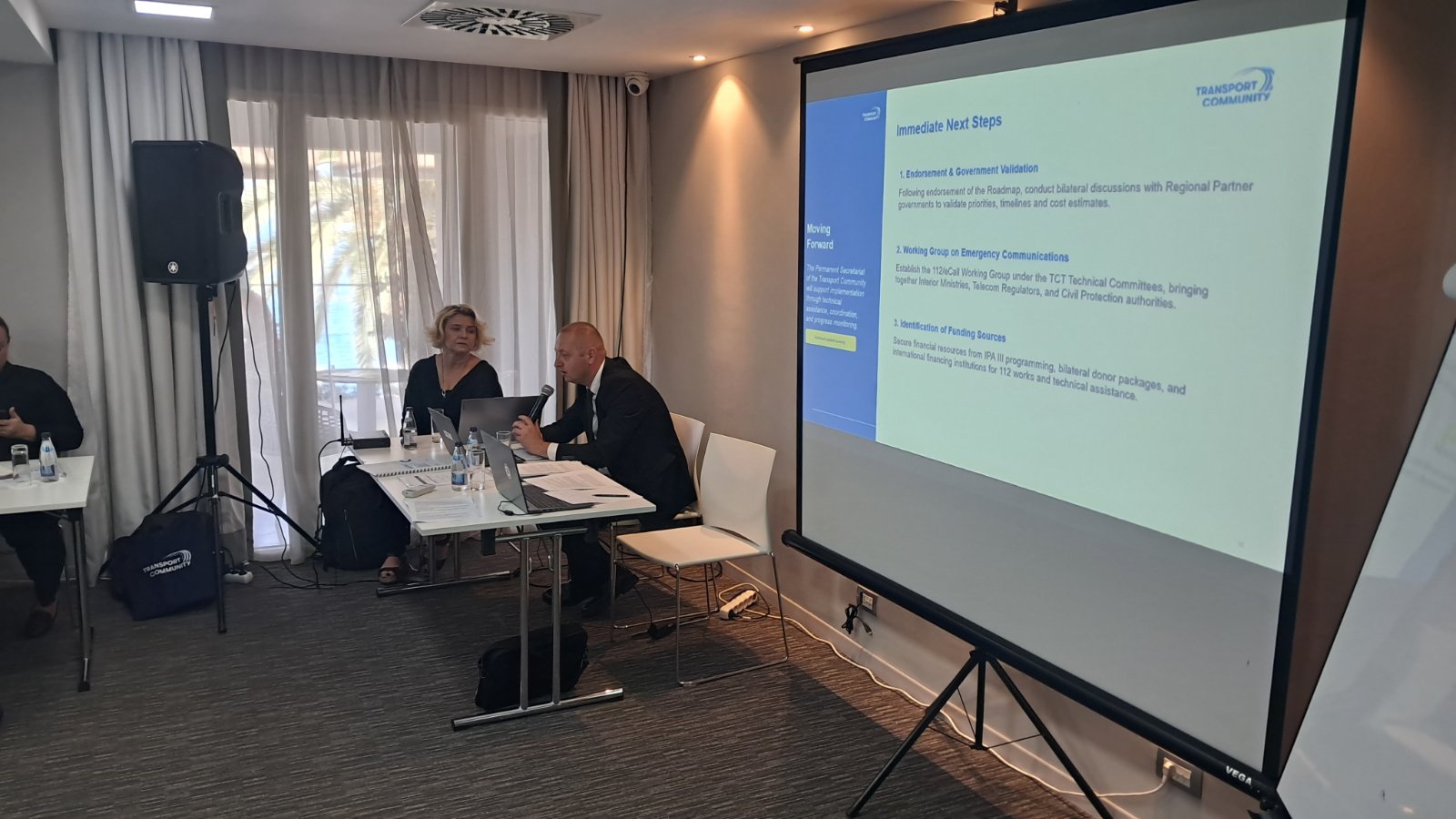
The first workshop focused on the implementation of the Regional 112 and eCall Roadmap. The goal is to prepare emergency systems in the Western Balkans to receive and process automated eCalls by the first quarter of 2028.
eCall is a life-saving system that automatically alerts emergency services after a serious road crash and sends key information, including the vehicle’s location. Once fully deployed, it can reduce emergency response times by up to 40% in urban areas and 50% in rural areas.
Participants reviewed progress, discussed the readiness of emergency call centres, identified quick wins and implementation challenges, and looked at financing opportunities and available support instruments. The discussions helped define what each partner needs to do next to make 112 and eCall work in practice.
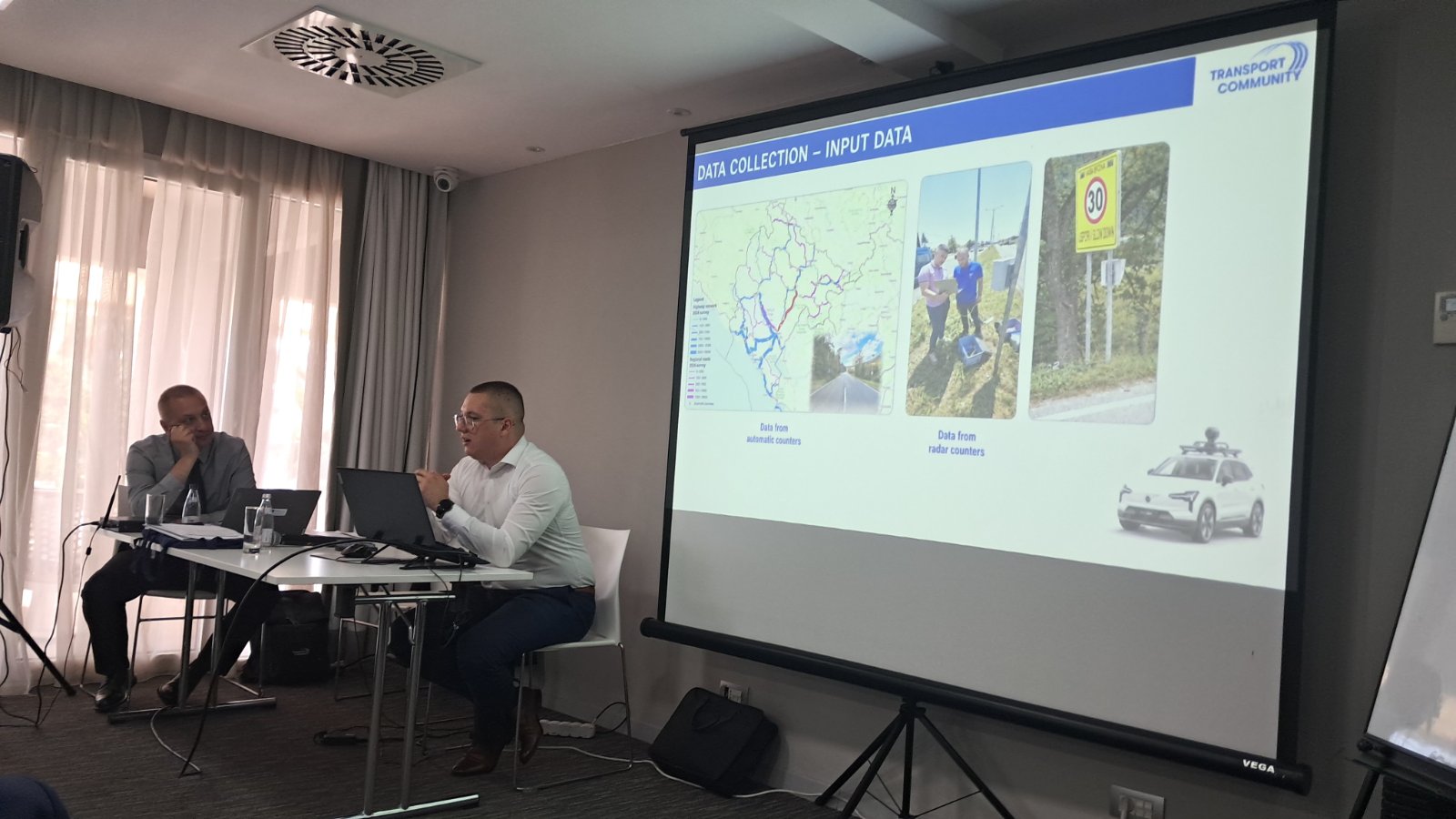
The second workshop focused on accelerating integration into the EU CARE road safety data model. CARE is the EU’s system for collecting and comparing road crash data. For citizens, this means better information on where and why crashes happen. For authorities, it means stronger evidence for safer roads, better laws and more targeted investments.
Participants agreed on steps towards full legal alignment by 2026 and operational data integration by 2028. This includes improving crash databases, applying common EU-compatible standards, and linking police and hospital data to better record serious injuries.
The workshop also looked at pilot datasets, coordination arrangements, data quality, serious injury reporting and the support needed to help the region move closer to the EU road safety data system.
The 24th Road Safety Technical Committee brought the two workstreams together. The Western Balkans, Moldova, and Georgia reported on progress under the Next Generation Road Safety Action Plan 2025–2027, while Montenegro presented recent developments in legislation, emergency response, 112/eCall implementation and road safety data collection.
The Committee adopted the conclusions from both workshops, confirming regional follow-up actions and turning technical discussions into an operational roadmap for implementation.