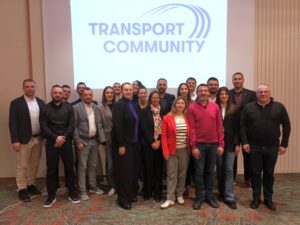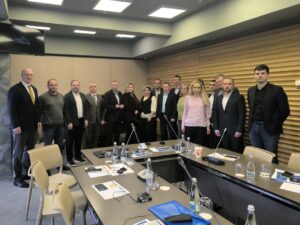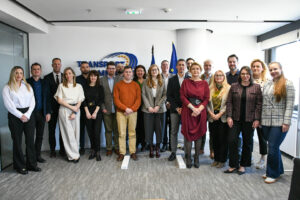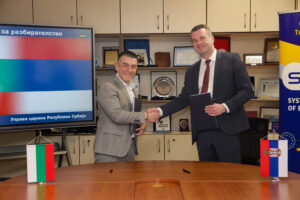
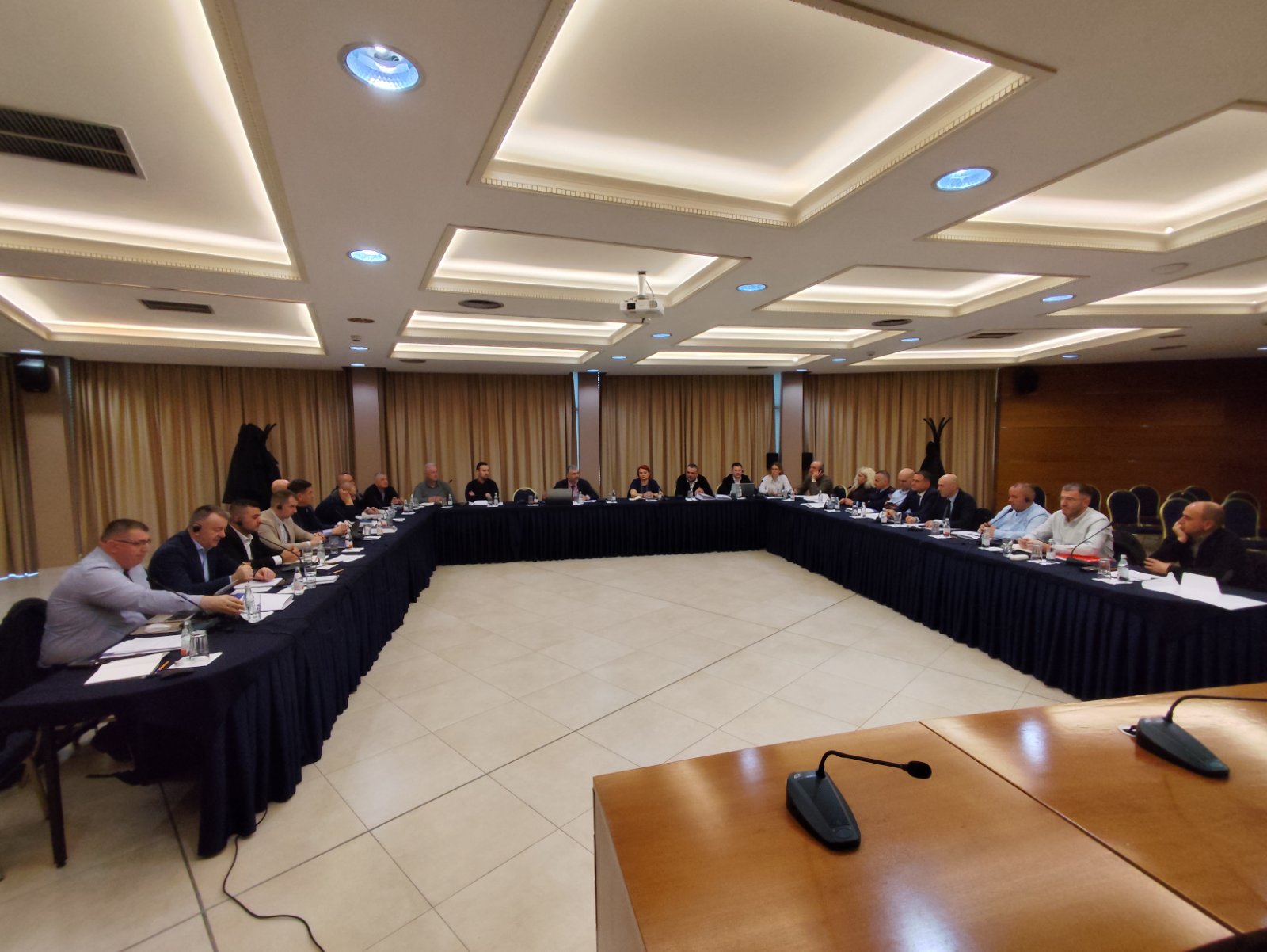
SHKODËR – From 23 to 25 February 2026, the Permanent Secretariat of the Transport Community brought together authorities from Albania, Kosovo, and Montenegro in Shkodër, Albania, for a trilateral workshop focused on making border crossings faster, simpler and more efficient for people and businesses.
The three-day event focused on practical ways to reduce waiting times at borders, improve cooperation between border agencies, and better manage growing traffic across the region. Particular attention was given to introducing one-stop border controls, where checks are carried out jointly by neighbouring authorities, as well as improving infrastructure and staff capacity at busy crossings.
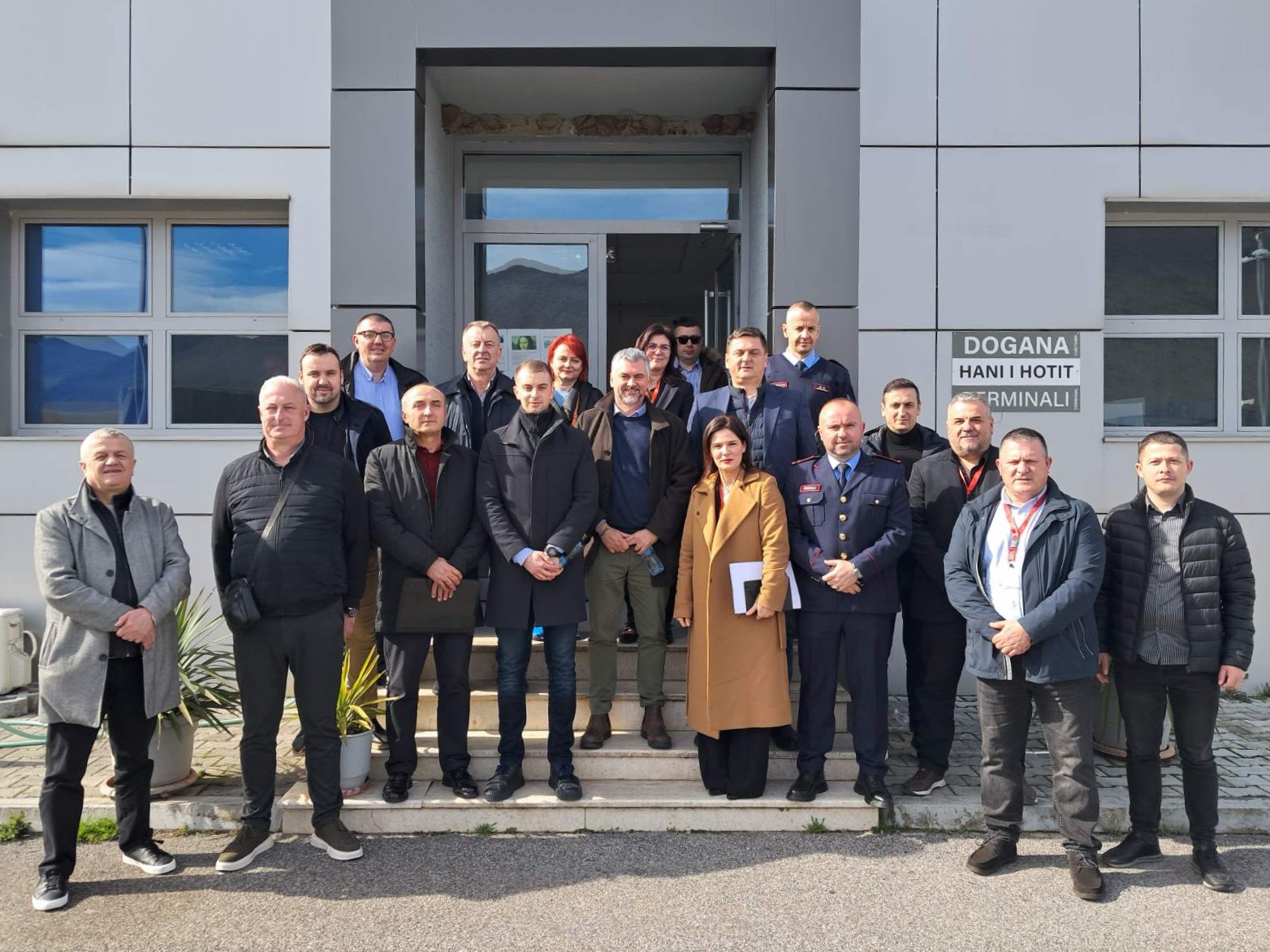
The workshop opened with an on-site meeting at the Hani i Hotit/Bozaj road crossing between Albania and Montenegro, allowing participants to see first-hand how border procedures work in practice. Discussions then continued in Shkodër, where representatives reviewed the Transport Facilitation Action Plan and agreed on concrete milestones for 2026 at key road and rail border crossings between the three partners.
Topics covered included upgrading border infrastructure, improving procedures and working hours, better coordination between border agencies, and using digital tools to speed up controls and data exchange.
Voices from the transport industry, including road transport associations and chambers of commerce, were also heard, ensuring that real-life challenges faced by drivers and companies were reflected in the discussions.
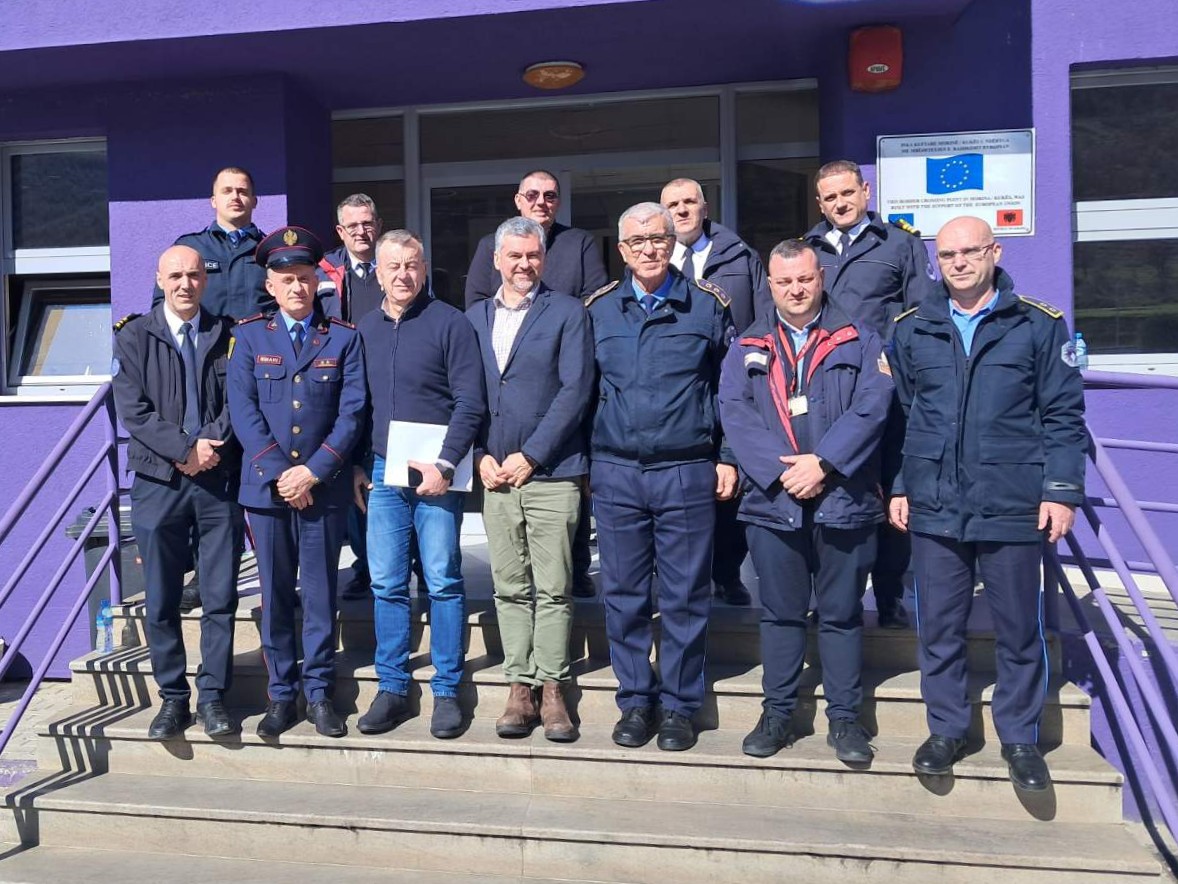
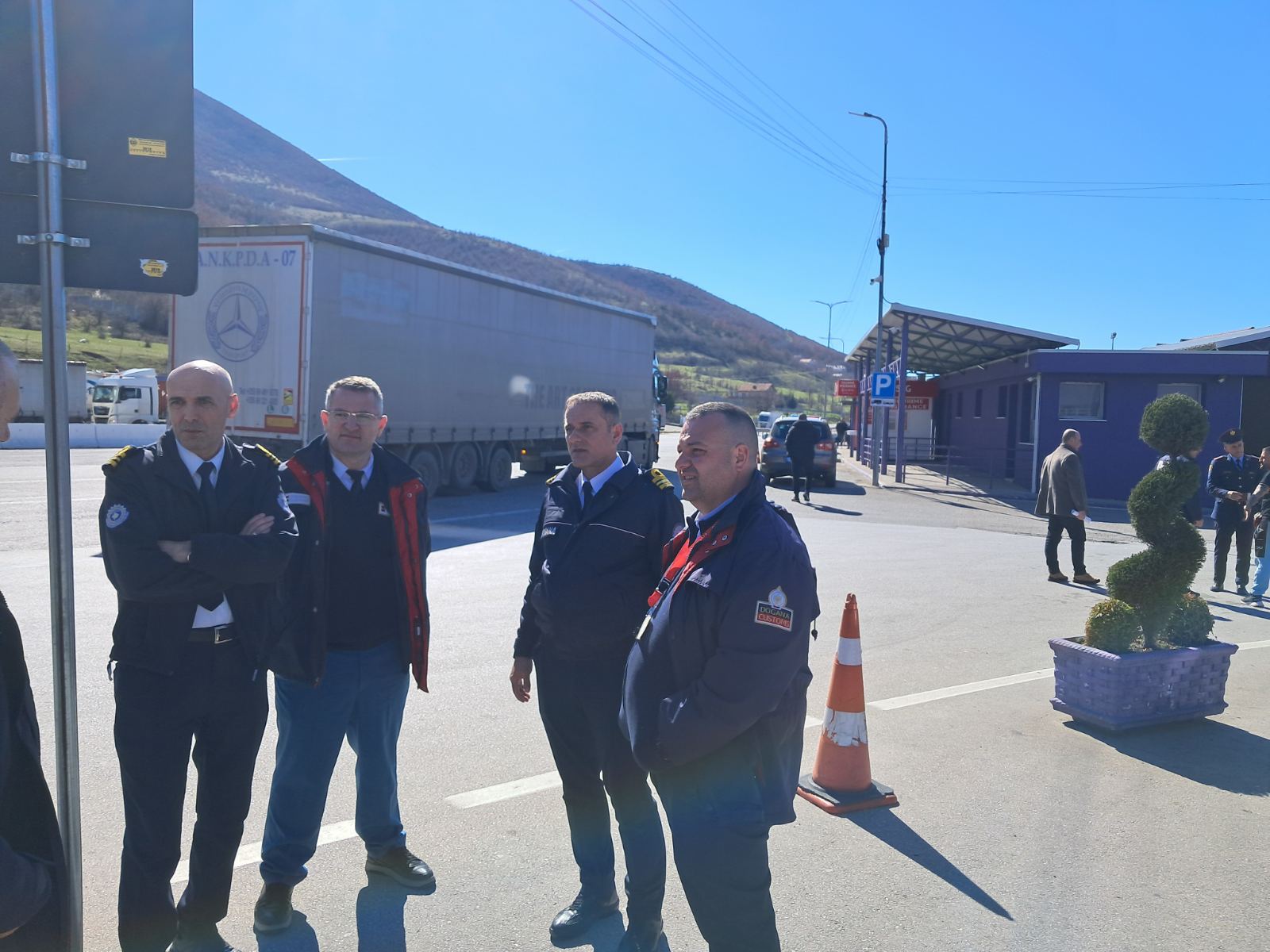
On the final day, participants took part in a study visit to the Morinë/Vërmicë crossing between Albania and Kosovo. This border point already operates as a joint crossing and was highlighted as a good example of how cooperation can significantly reduce delays. Seeing the system in action helped participants understand better how similar solutions could be applied elsewhere.
The Transport Community commended the efforts made so far by the authorities of all three partners and reaffirmed its support in addressing remaining challenges. With traffic volumes increasing across the region, closer cooperation, smarter procedures and modern infrastructure remain crucial to keep people and goods moving smoothly across borders.
______________
* This designation is without prejudice to positions on status, and is in line with UNSCR 1244/1999 and the ICJ Opinion on the Kosovo declaration of independence