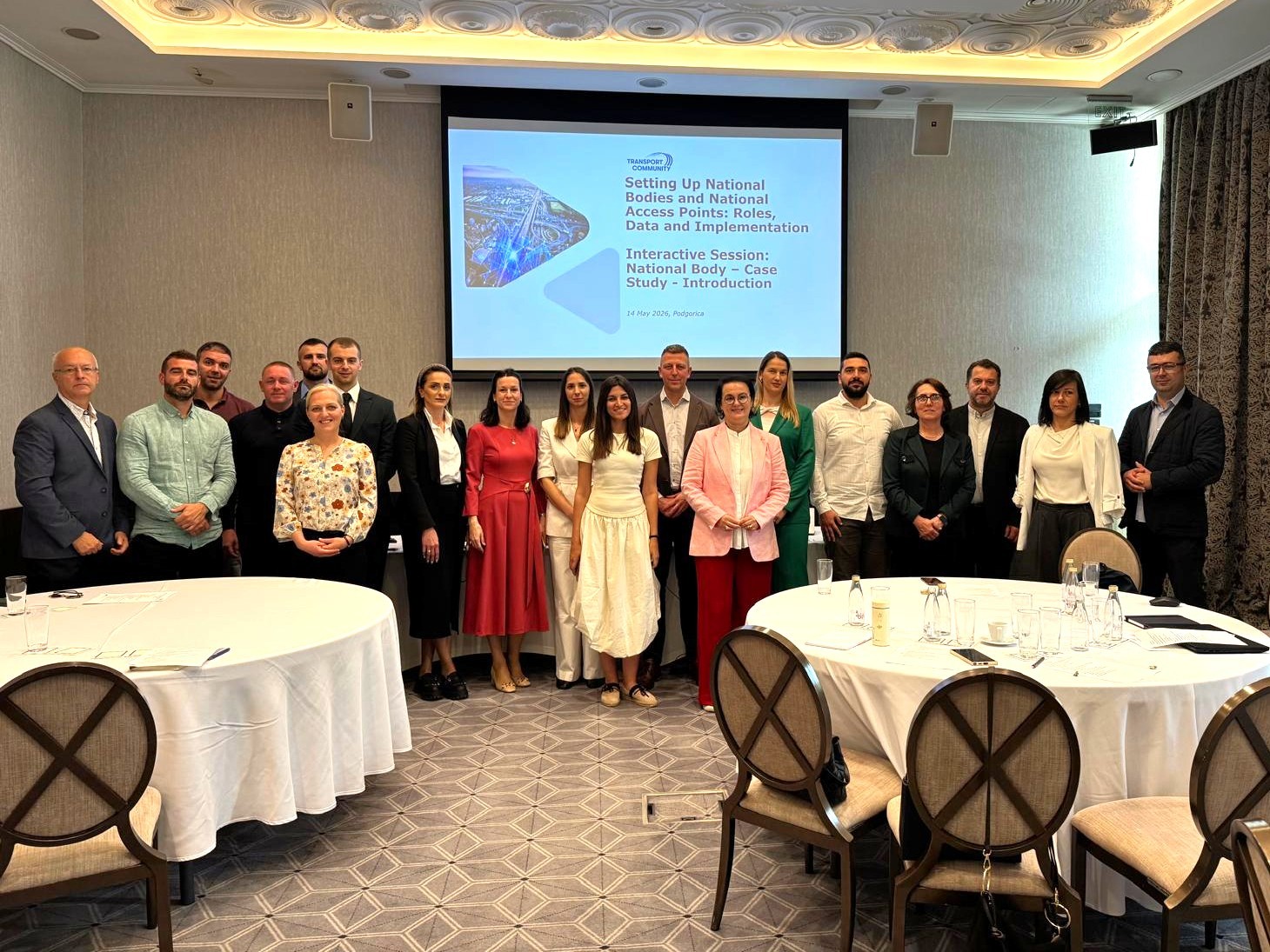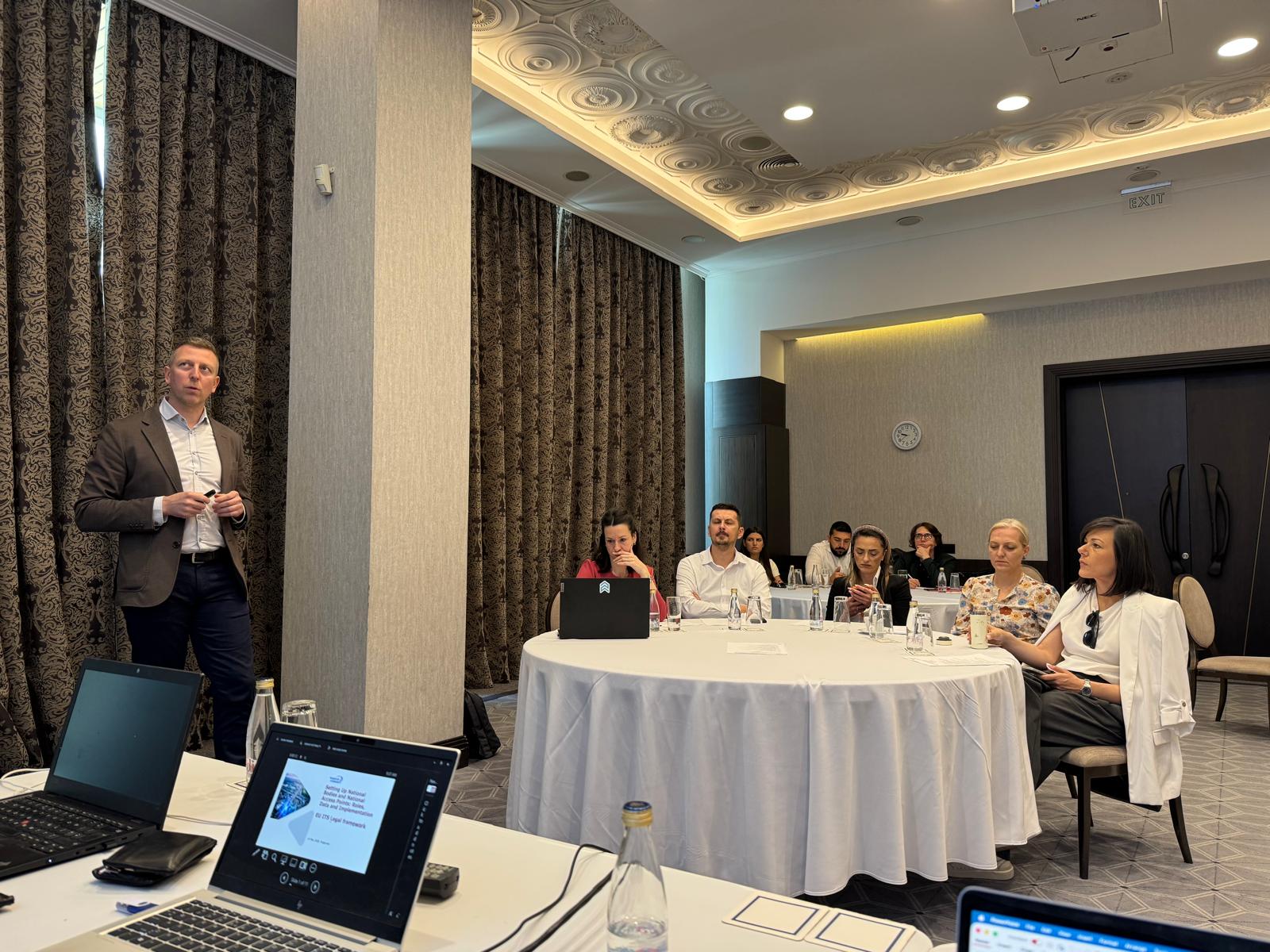
PODGORICA – The Permanent Secretariat of the Transport Community held a dedicated workshop on 14 May 2026 in Podgorica, supporting Montenegro in its preparations for setting up a National Body and National Access Point for Intelligent Transport Systems.
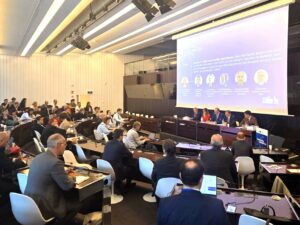
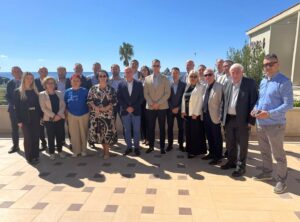
Organised under the title Setting Up National Bodies and National Access Points: Roles, Data and Implementation, the workshop brought together Montenegro’s institutions and experts to turn EU requirements for digital transport services into practical steps for implementation. The event also supported the delivery of the EU Growth Plan, with a focus on institutional readiness, data governance and better exchange of transport information.
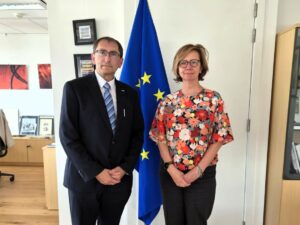
The programme opened with remarks by Mr Nikola Veljović, General Director at the Ministry of Transport of Montenegro, and Ms Nerejda Hoxha, followed by a discussion on the EU Intelligent Transport Systems legal framework. Participants looked at the main obligations for Montenegro, the link between EU delegated regulations and the requirements for National Bodies and National Access Points, as well as the latest developments in this field.
Through group sessions, participants mapped existing institutions and their responsibilities, reviewed current mandates and identified legal, organisational and technical gaps. They also discussed possible overlaps between institutions and proposed one short-term “quick win” and one longer-term structural challenge for Montenegro.
The workshop then focused on the future role of the National Body. Participants discussed its basic and more advanced functions, resource needs and links with the National Access Point, enforcement bodies and data providers. Drawing on examples from EU Member States, participants assessed Montenegro’s readiness to establish this structure using a traffic-light method to clearly show areas where progress is already possible and areas where further work is needed.
A separate part of the agenda focused on the National Access Point, which is expected to serve as a central place where transport-related data can be made available and shared. Discussions covered priority data categories, standards, existing data sources, data owners, gaps and duplication, as well as possible hosting models, including in-house and outsourced options.
The final session focused on capacity-building needs, including legal, IT and data-management skills, training of existing staff, possible staffing needs and short- to medium-term milestones. Participants also discussed key conditions for implementation, such as legal acts, procurement procedures and budget approval.
By combining EU guidance, practical case studies and group-based assessments, the workshop gave Montenegro a clearer picture of what is needed to move from planning to implementation. Better use of transport data will support more reliable information, stronger planning and smarter transport services for everyone using Montenegro’s transport network.