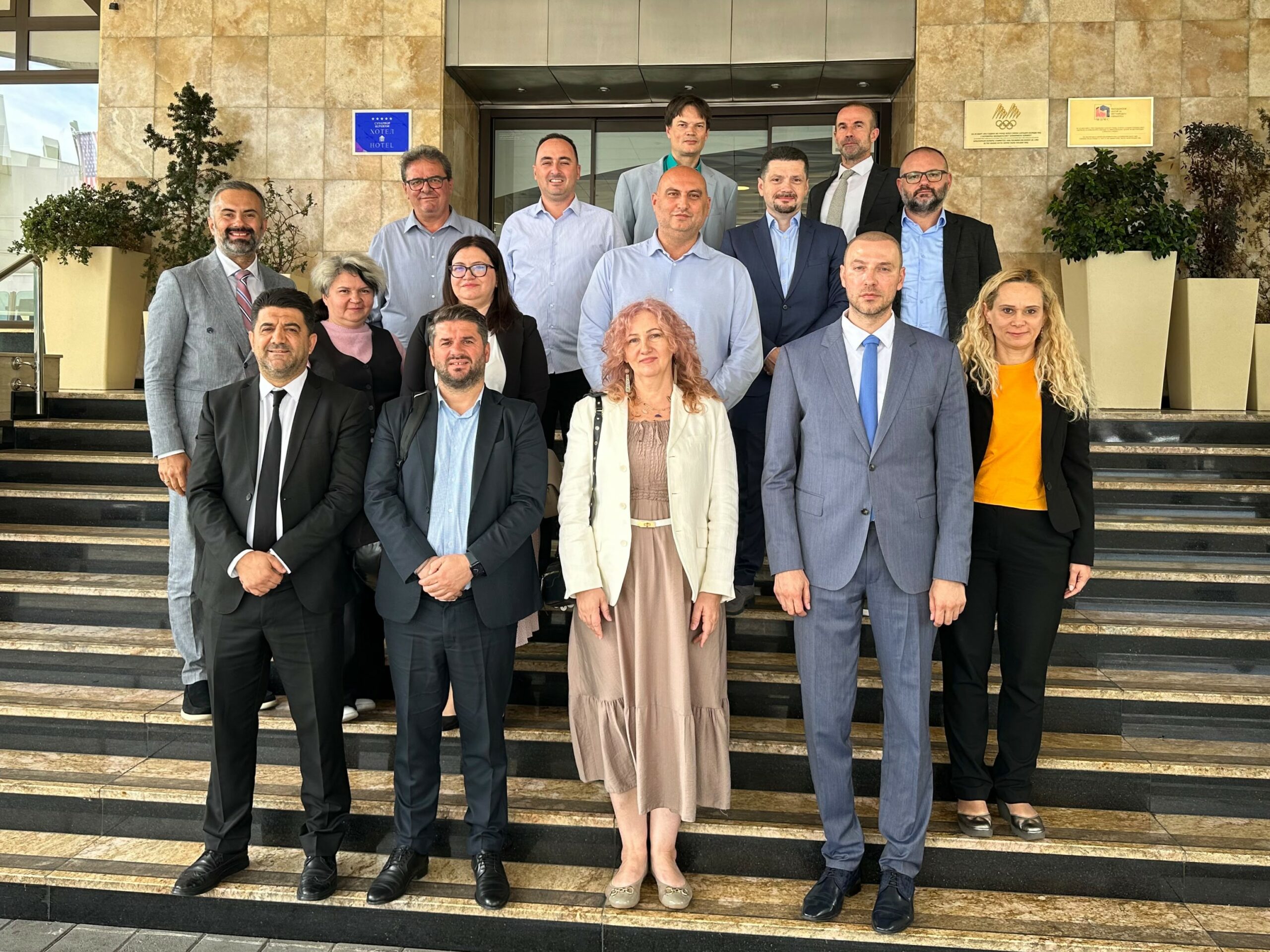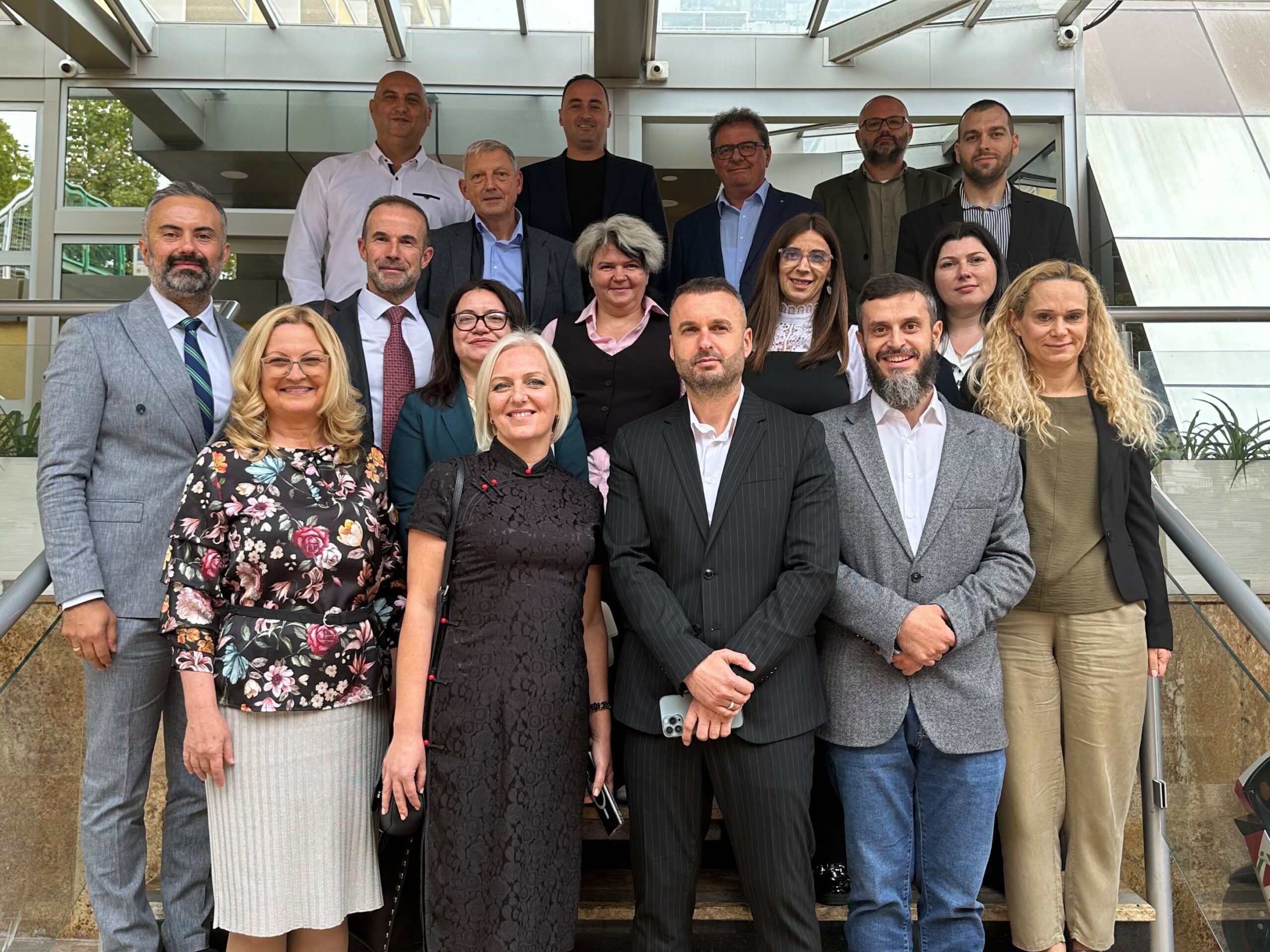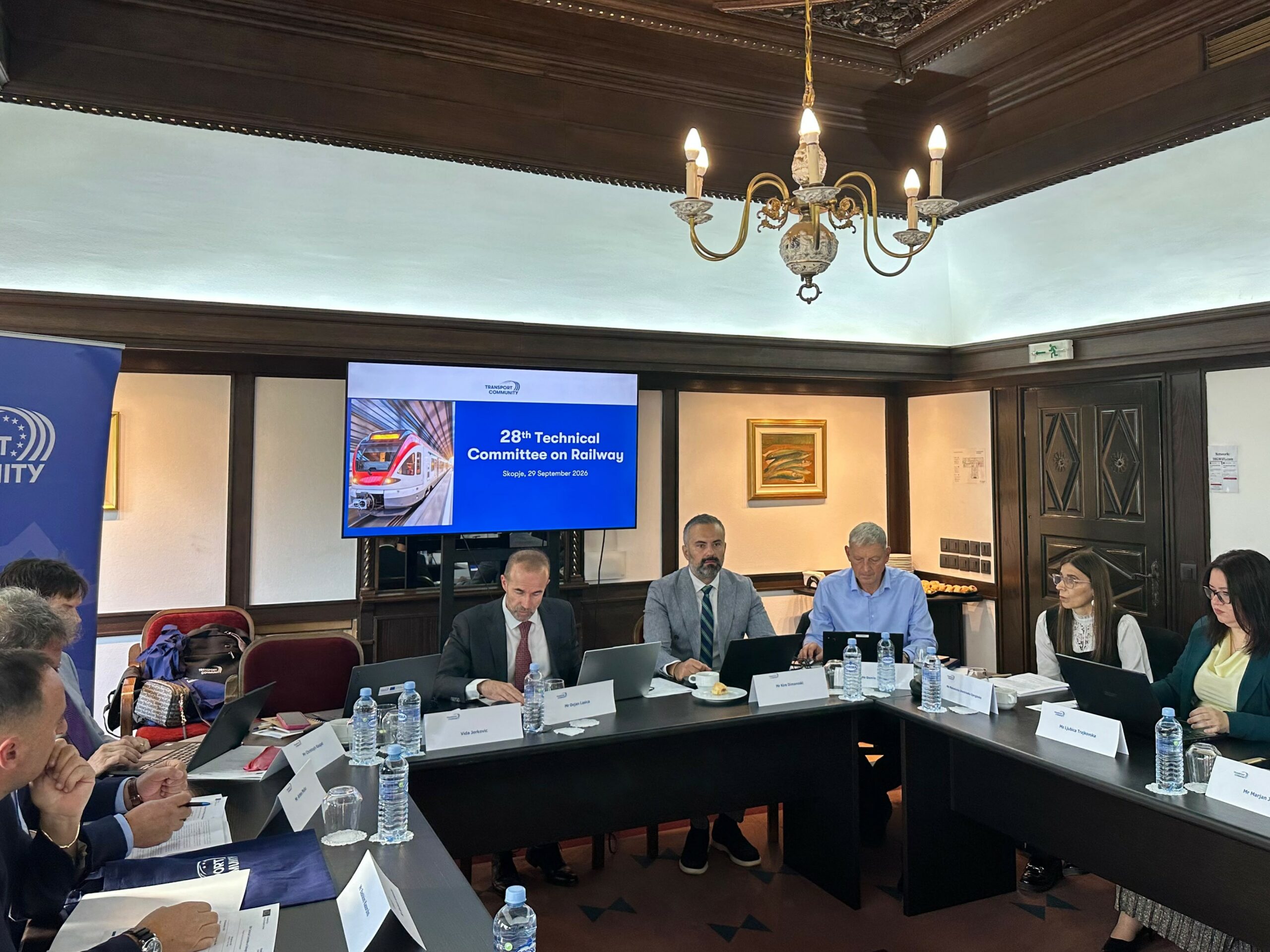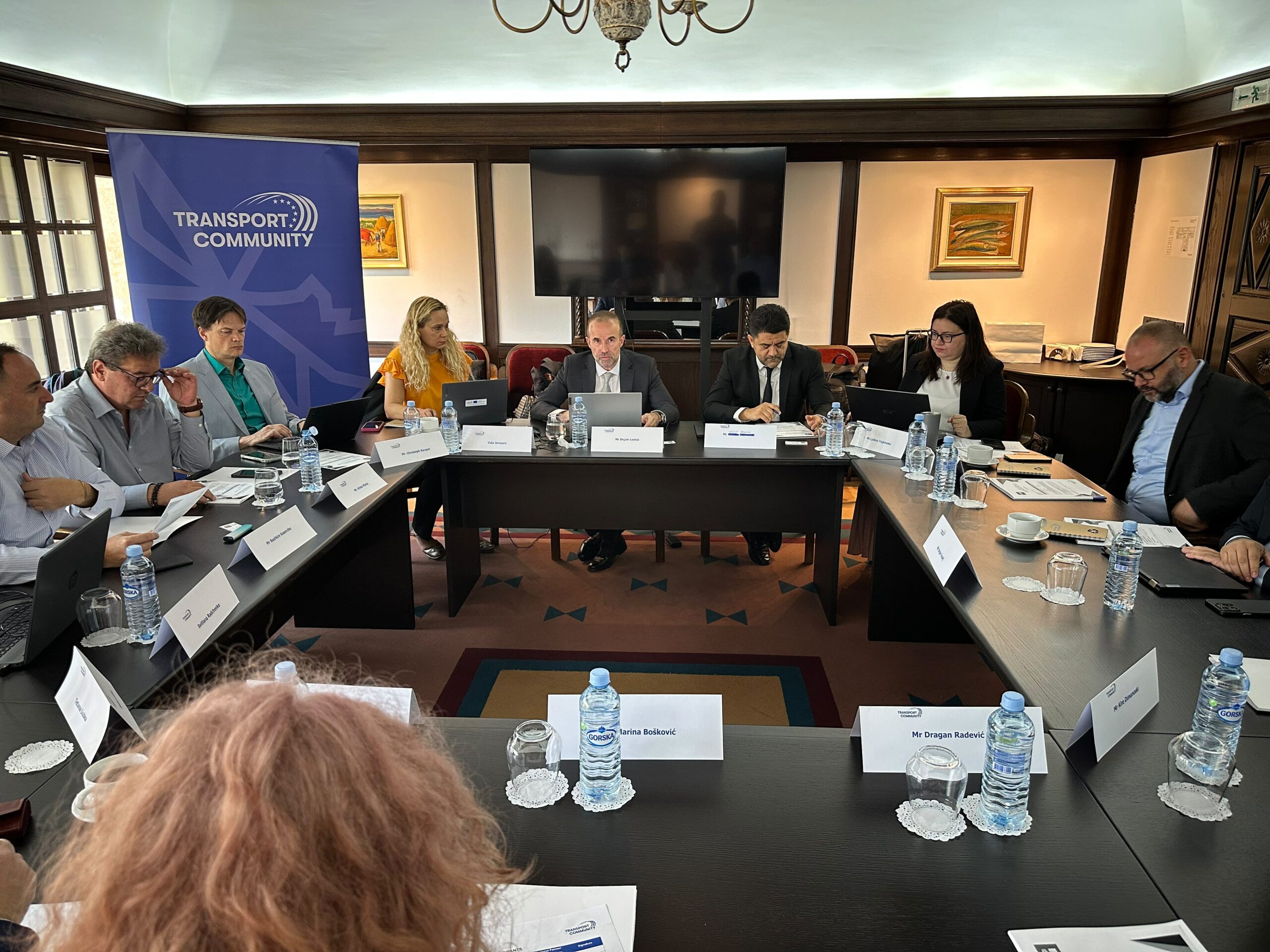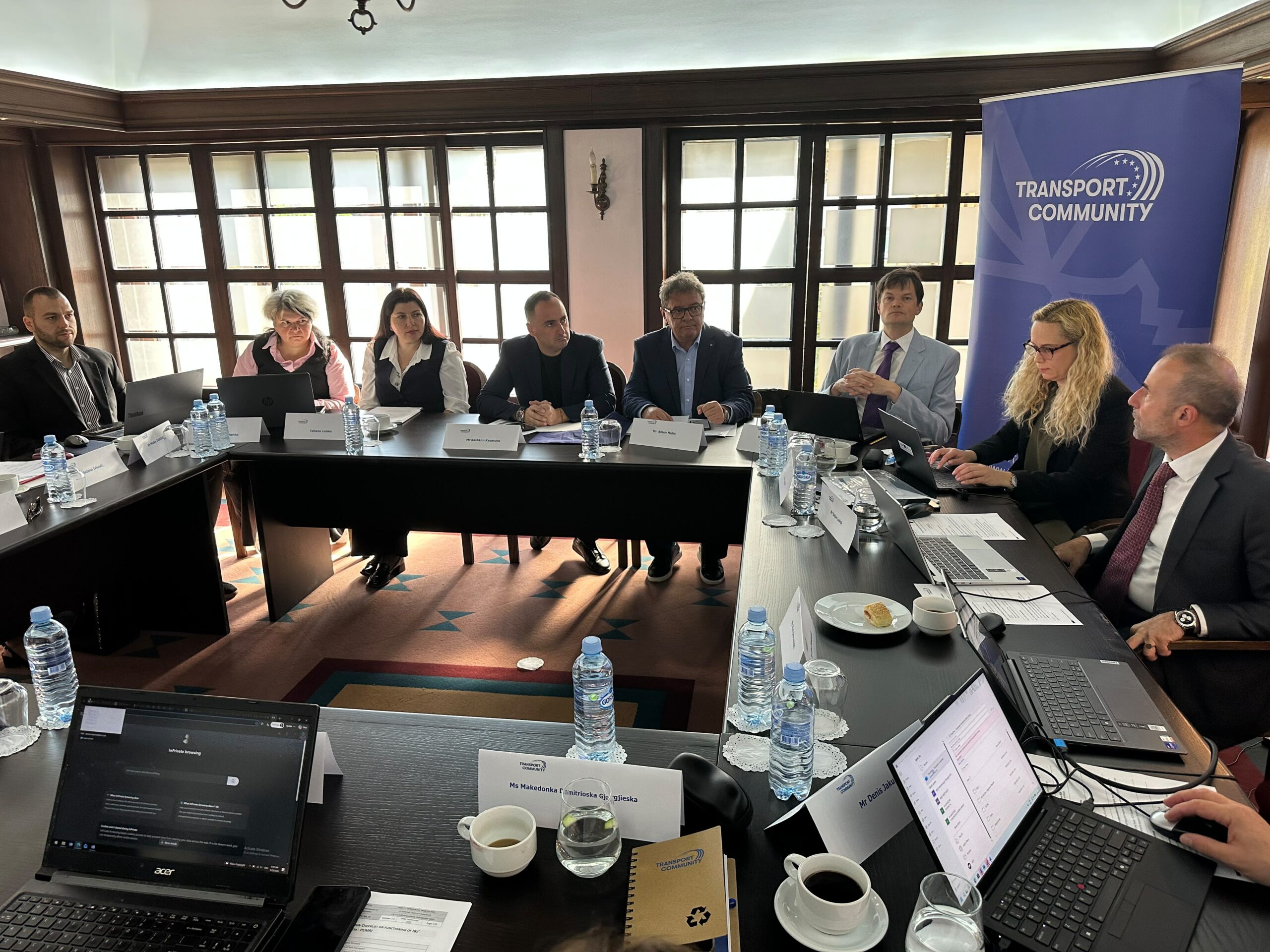
SKOPJE – Improving railway safety, modernising infrastructure and strengthening connections across the Western Balkans and with the European Union were at the centre of two Transport Community meetings held in Skopje on 29 and 30 September.
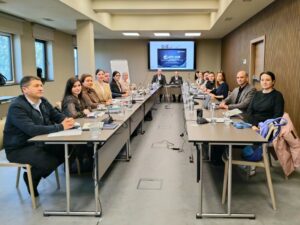
The 28th Technical Committee on Railways and the 10th Meeting of the Railway Infrastructure Managers Network of the Western Balkans brought together representatives of the region, EU institutions and observing partners. Discussions linked railway reforms with plans to improve the network for passengers and businesses.
On 29 September, the Technical Committee reviewed progress in applying EU railway rules and implementing the Next Generation Rail Action Plan. Participants discussed the draft progress report, challenges facing the sector and the support available to help authorities deliver reforms. These efforts aim to make railways safer and help railway systems work together more effectively.
A dedicated session focused on the Transport Community’s observing partners, the Republic of Moldova and Ukraine. Participants exchanged updates on their railway reforms and infrastructure projects, providing an opportunity to share experience and discuss common challenges.
Infrastructure development was another topic of discussion. Participants reviewed progress on the region’s links to the Trans-European Transport Network, which connects major railway lines and other transport routes across Europe. They also discussed the five-year rolling work plan, looking at priorities for developing these connections.
On 30 September, the Railway Infrastructure Managers Network discussed challenges of managing and developing railway infrastructure. A presentation on the investigation into the Riedlingen derailment provided a basis for discussing safety lessons and how experience from accidents can help prevent similar events.
Participants also discussed the future development of the railway network of North Macedonia, with a presentation by the head of its railway infrastructure manager.
Together, the two meetings supported closer cooperation between the authorities shaping railway policy and the organisations responsible for railway infrastructure. Connecting these efforts is essential to turning reforms and investment plans into safer, more reliable rail services and better connections throughout the region and with the EU.