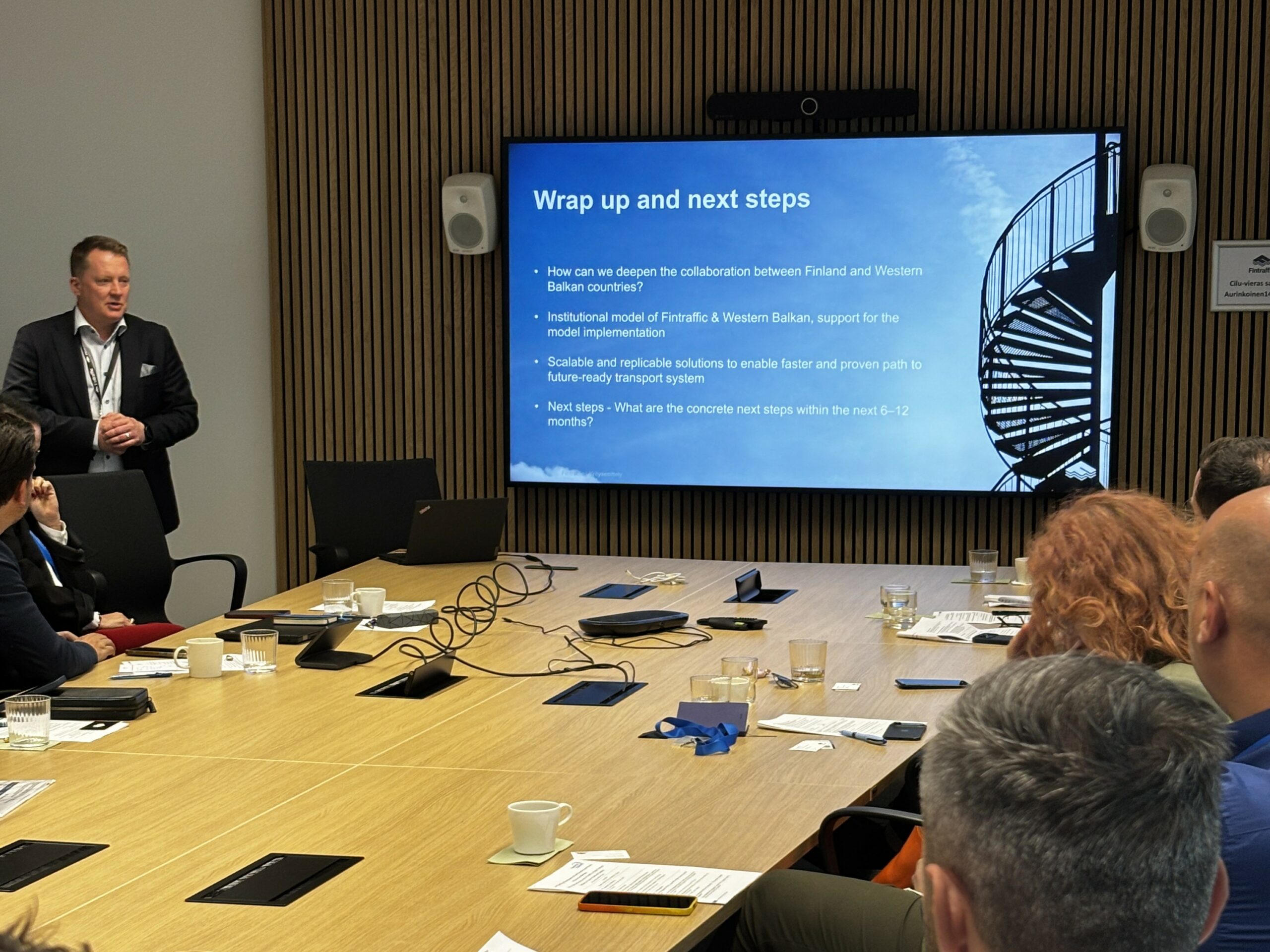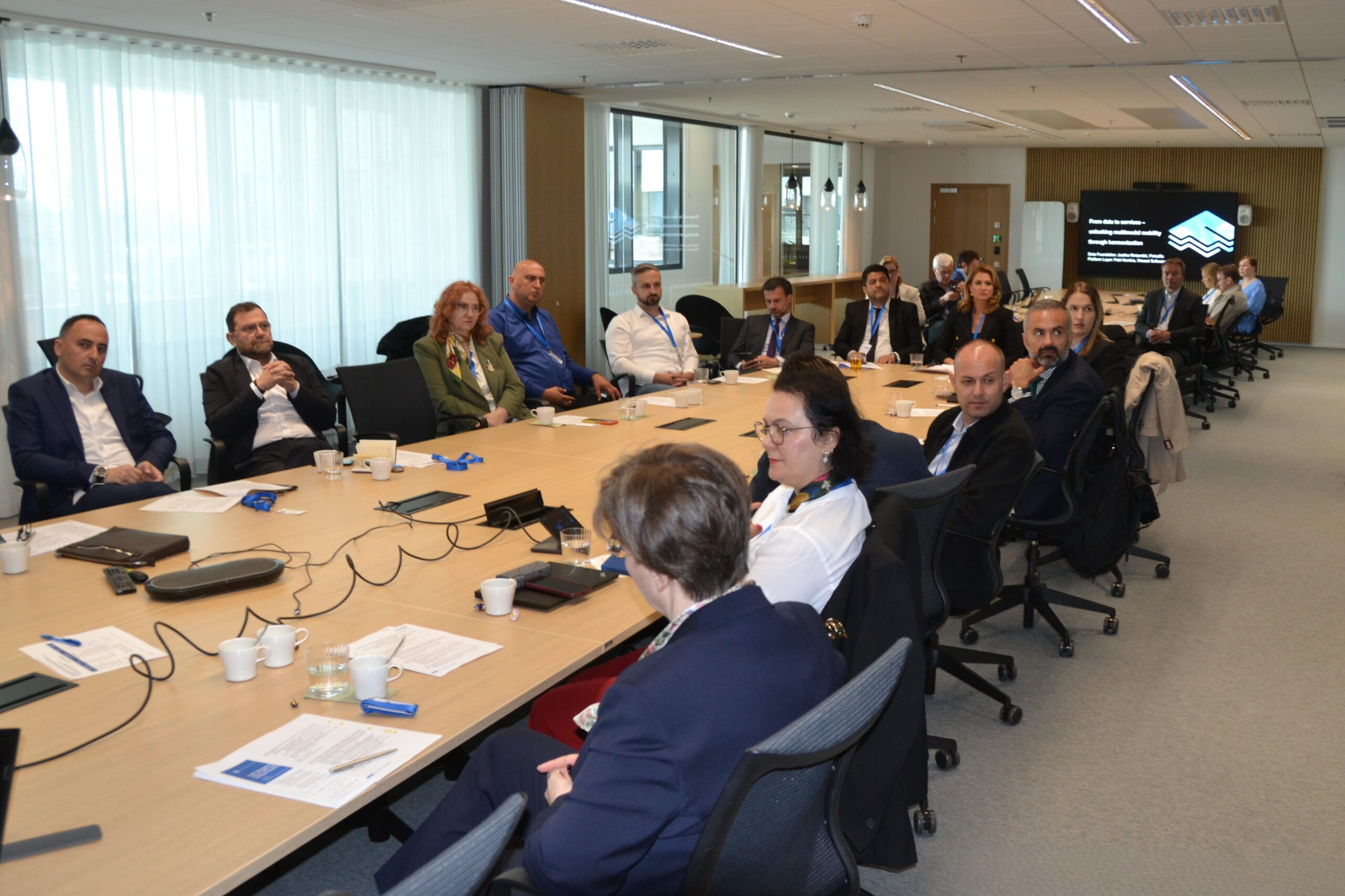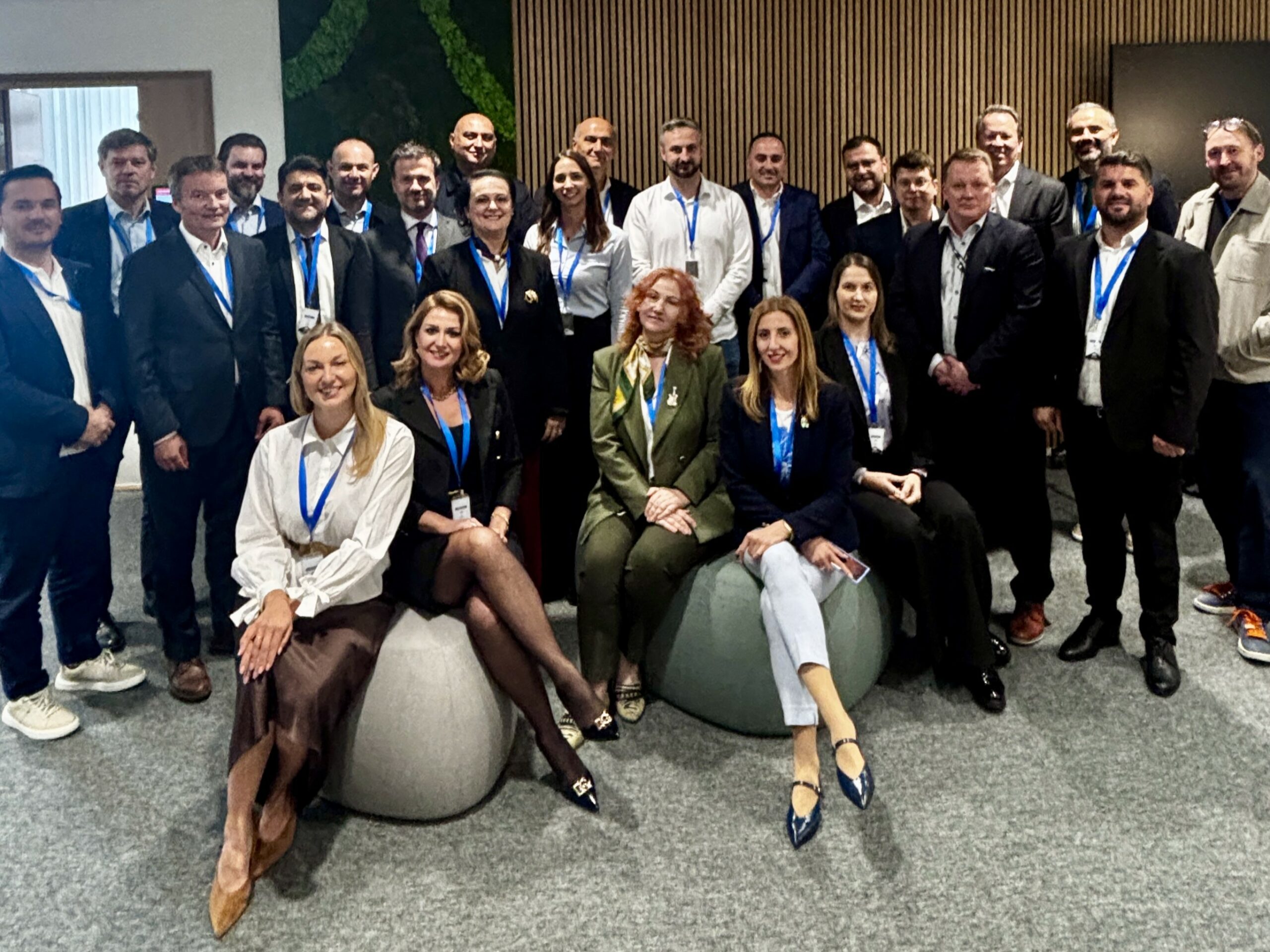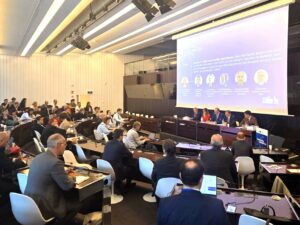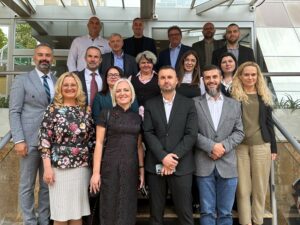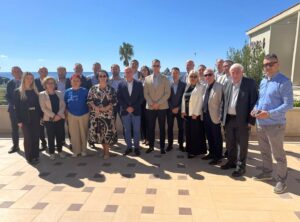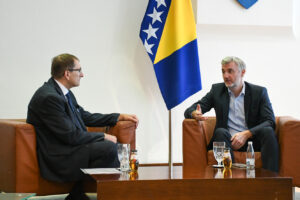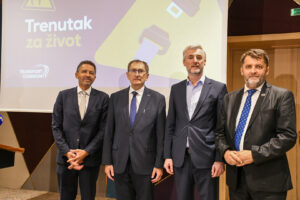
HELSINKI – Road and rail infrastructure managers from the Western Balkans met in Helsinki on 2-3 June 2026 for a joint meeting of the Networks of Road Executives and Railway Infrastructure Managers, combined with a study visit to Fintraffic, Finland’s national traffic management company.
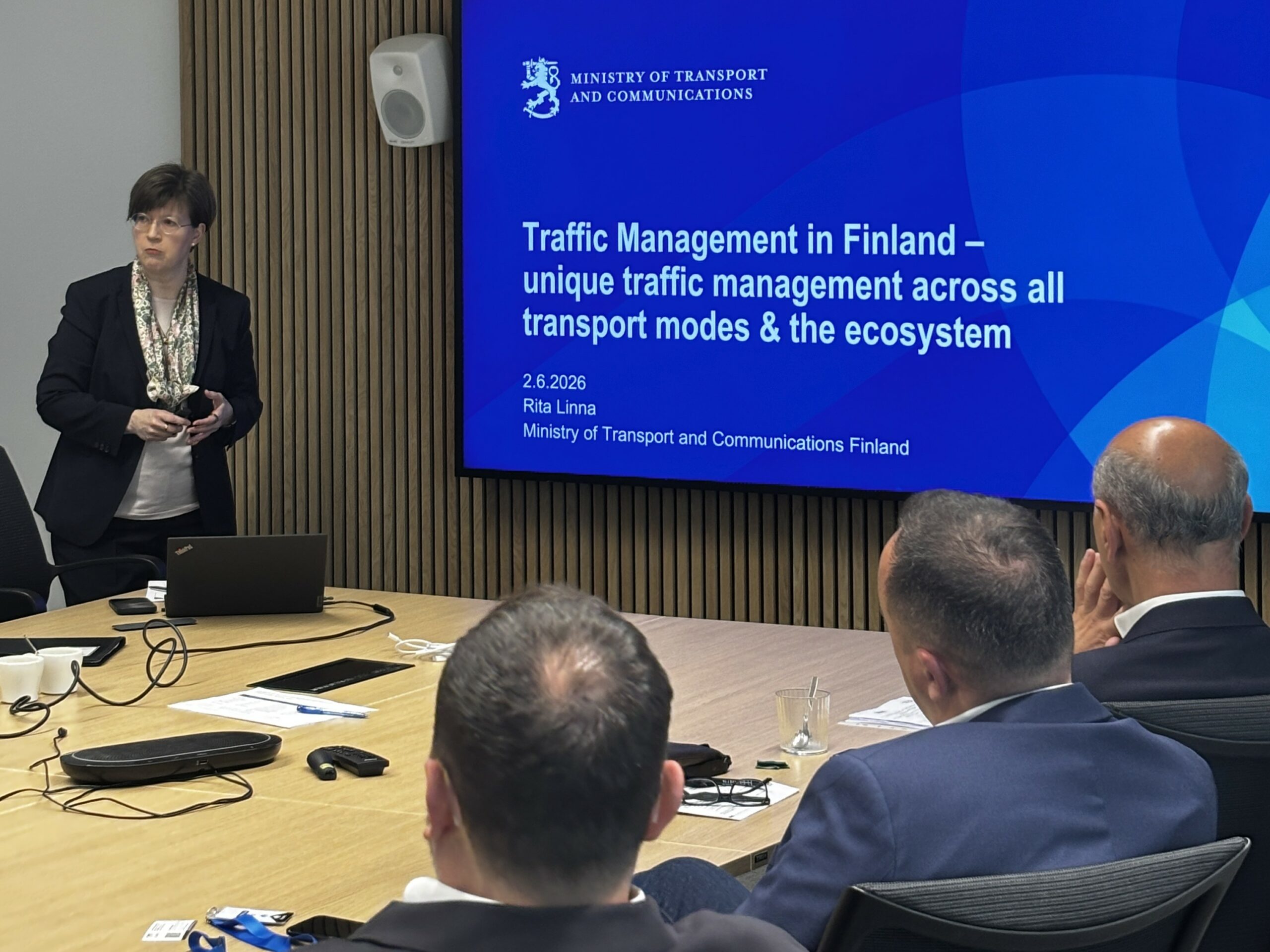
The study visit focused on how better traffic management and data sharing can make transport safer, more reliable and easier to use. Finland’s model offered practical examples of how roads, railways, maritime transport and aviation can work together through one coordinated system, supported by real-time data and strong cooperation between public authorities, operators and technology providers.
This experience is especially relevant as the region works to modernise transport systems, improve road and rail operations, and align more closely with EU standards.
A key part of the visit was dedicated to Finland’s institutional model for cooperation across different modes of transport. Participants learned how traffic information is collected, shared and used to support daily mobility, respond to incidents, manage difficult weather conditions and provide better services to citizens and businesses.
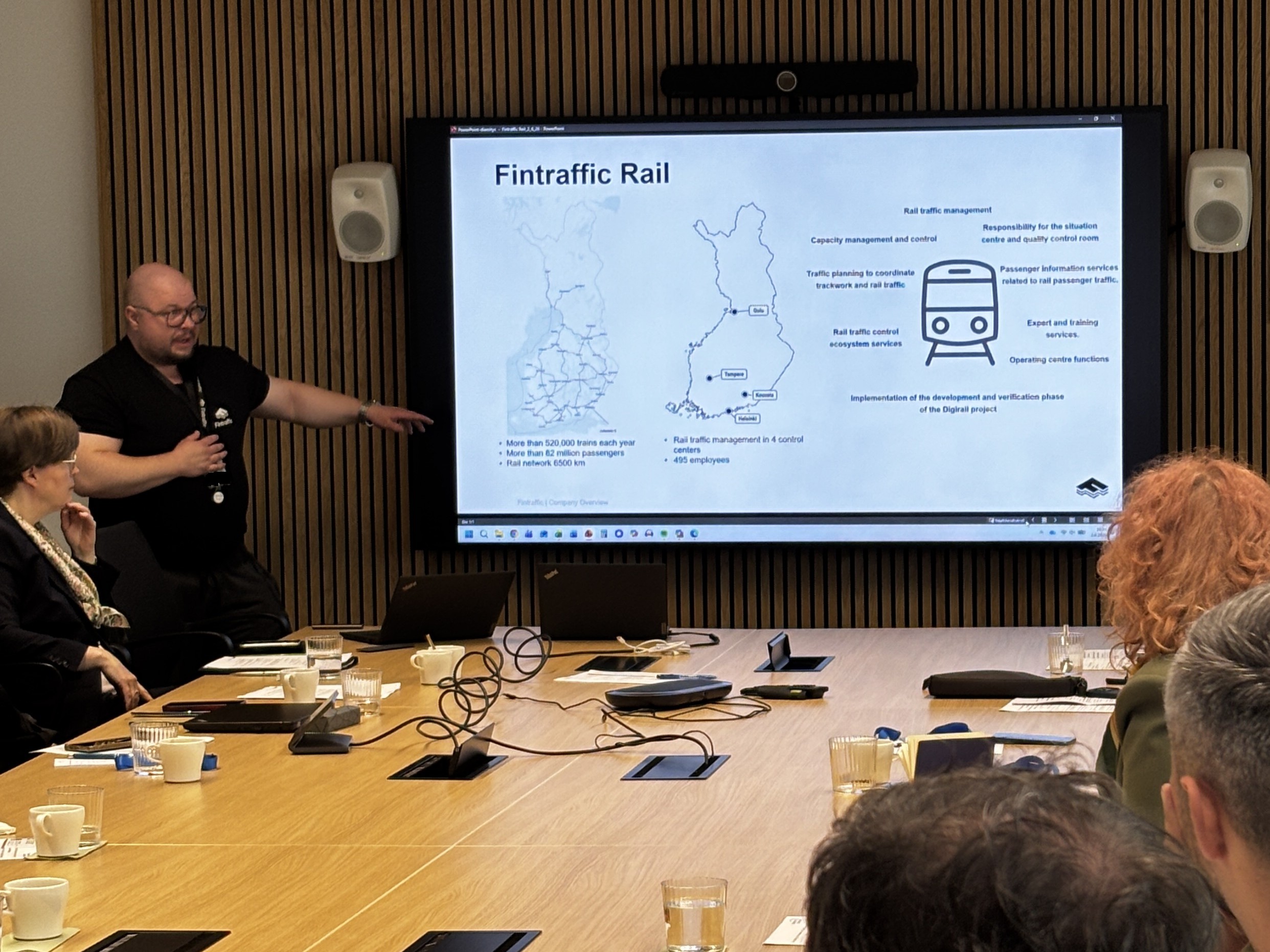
Finland’s digital rail transition was also presented, including its work on modern train control systems, capacity management and digital tools that improve railway safety and efficiency. Participants also learned about data-driven road traffic management, incident handling, climate resilience and the use of new technologies such as artificial intelligence, automated detection systems and autonomous public transport.
Road directors had the opportunity to discuss the future setting up of National Access Points and National Bodies in the Western Balkans. These structures are important because they help make transport data more available, reliable and useful. In practice, this means better information for drivers, passengers, transport operators and authorities.
The discussions were also linked to the Growth Plan Agenda and obligations under the Road Action Plan, which support the region in building more modern, efficient and EU-aligned transport systems.
Railway infrastructure managers reviewed progress in the development of the Rail Centre of Excellence, an initiative that aims to strengthen knowledge sharing, training and cooperation in the railway sector. The Centre is expected to support railway modernisation across the region by bringing together expertise, practical experience and common solutions.
A strong message from the meeting was that cooperation between road and rail managers should become more regular. More frequent joint meetings would help improve coordination between transport modes, support better planning and ensure that reforms in roads and railways move forward together.