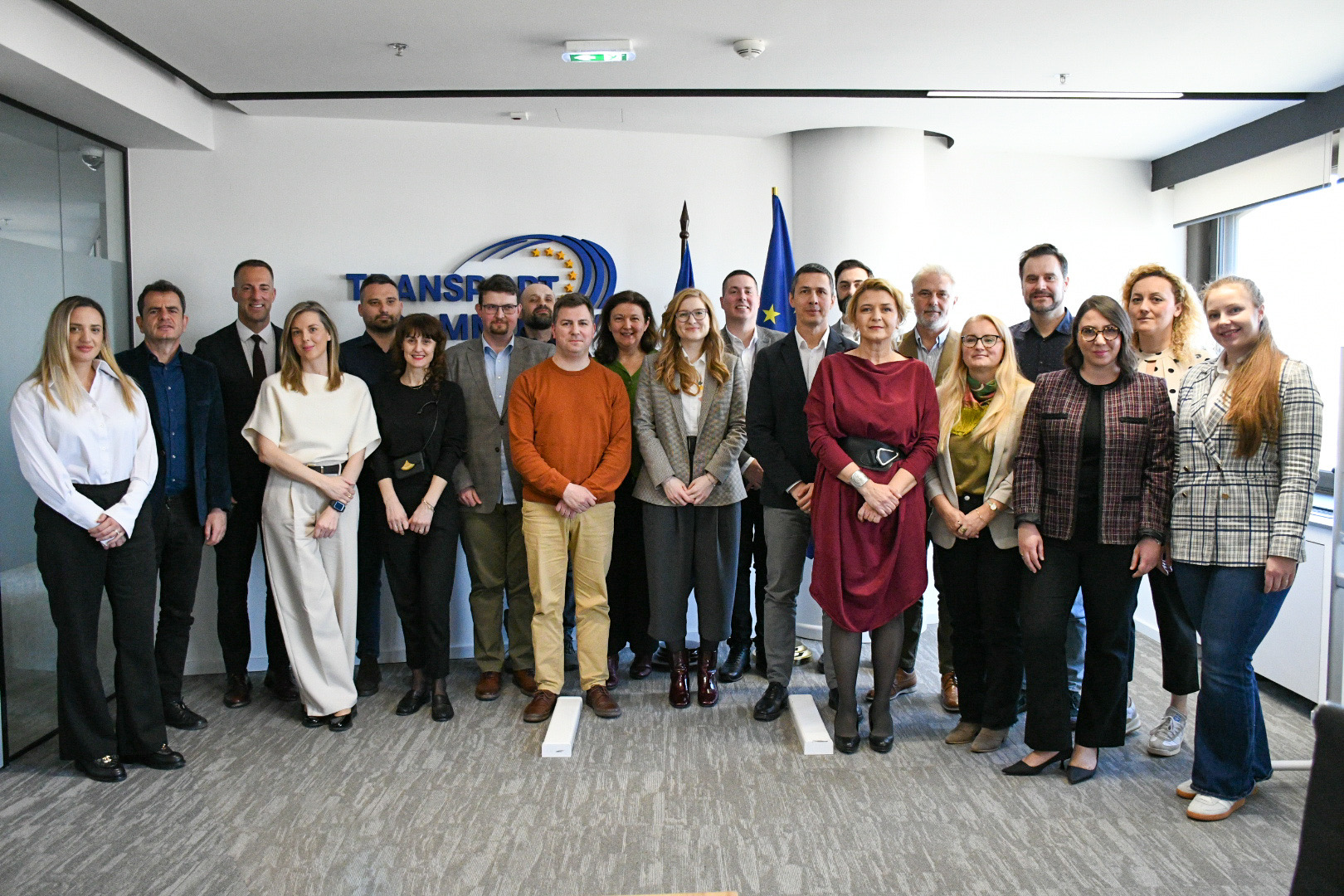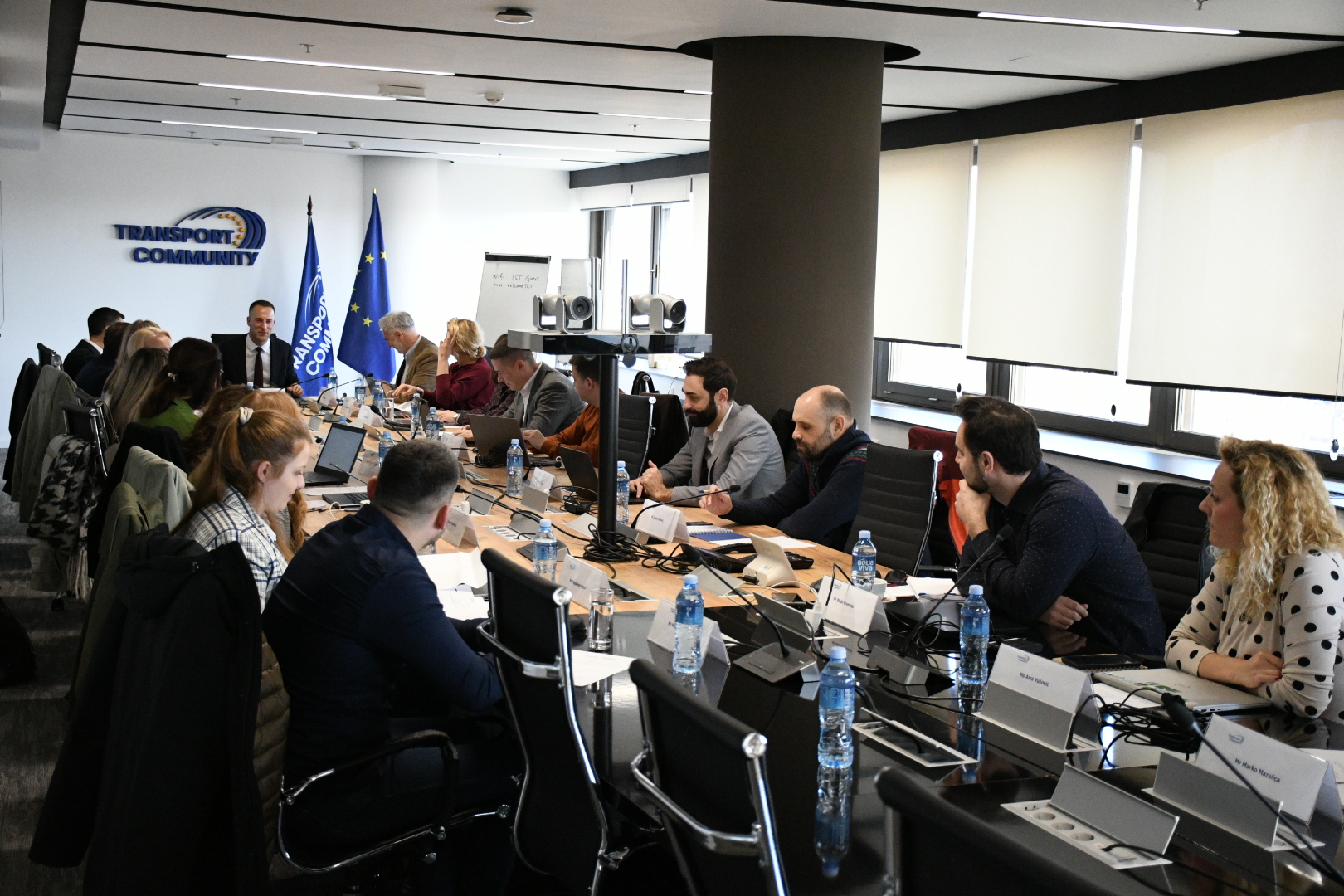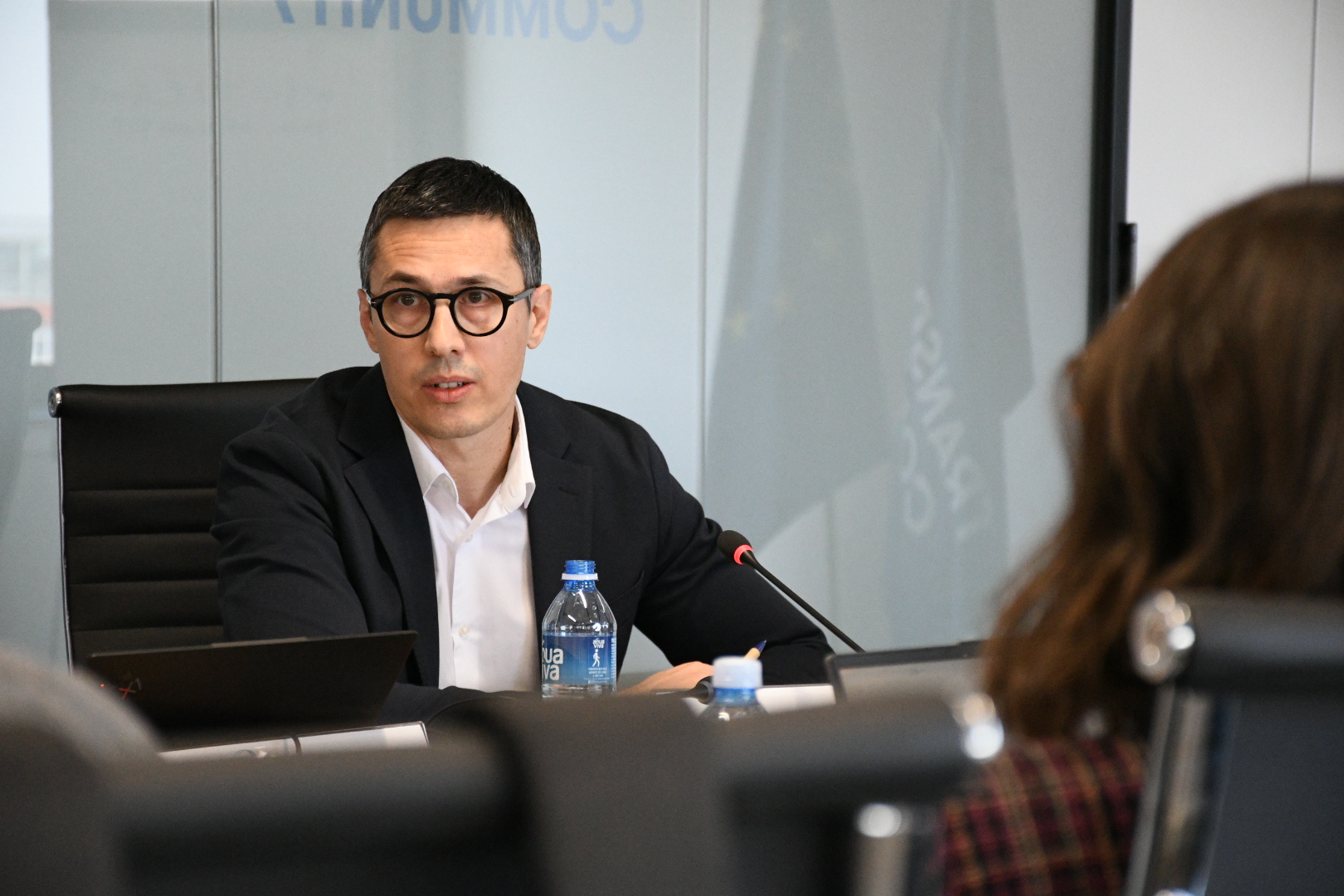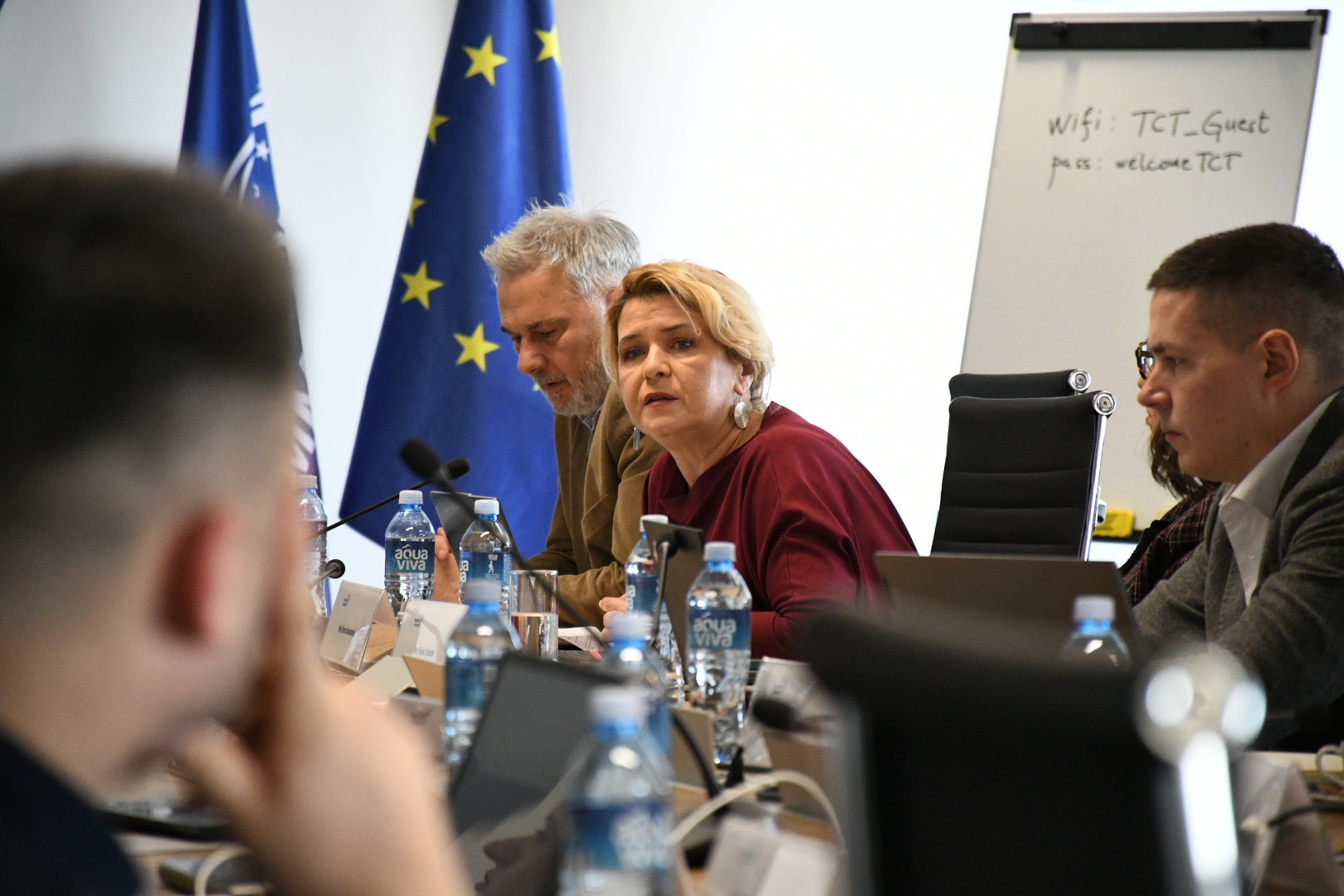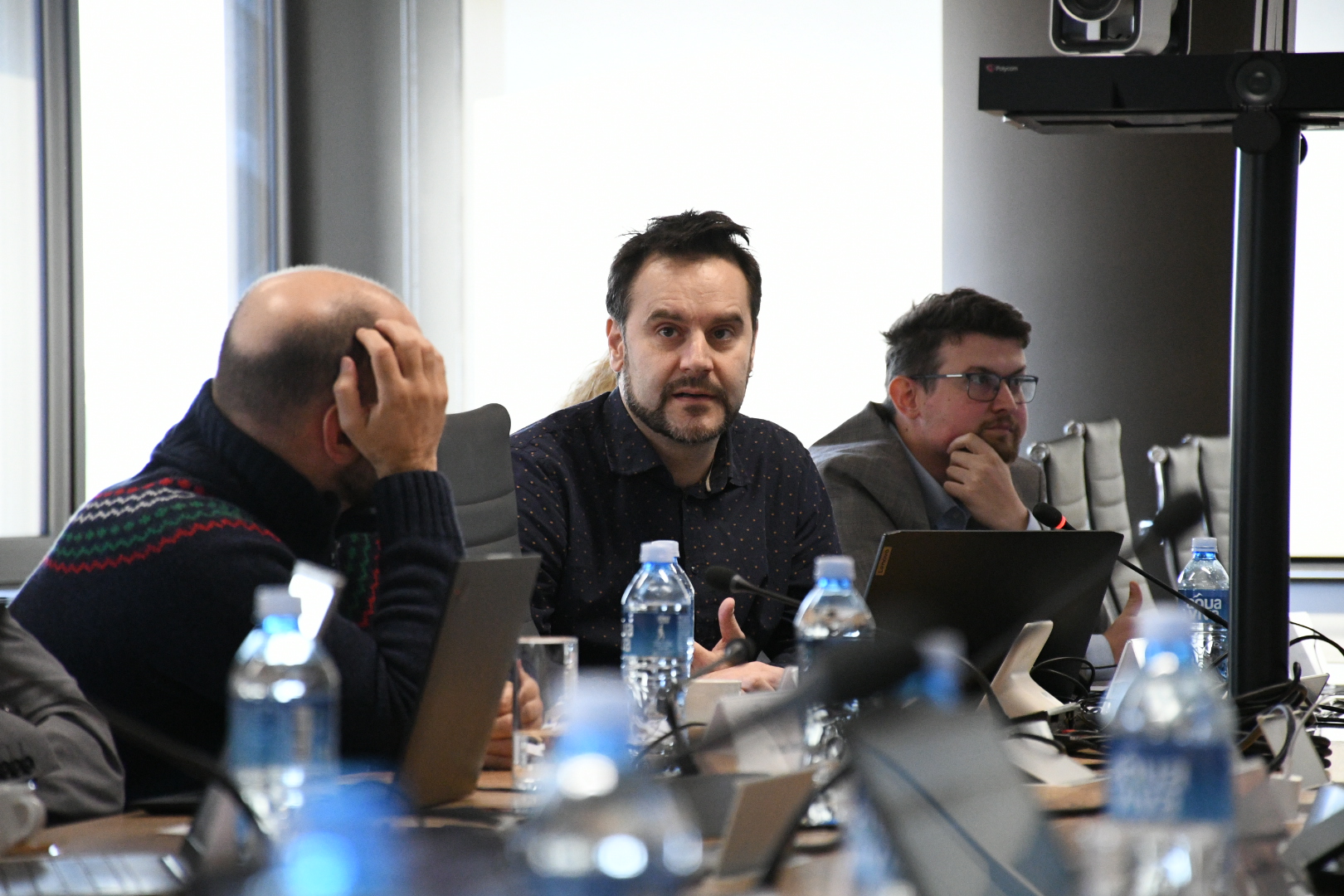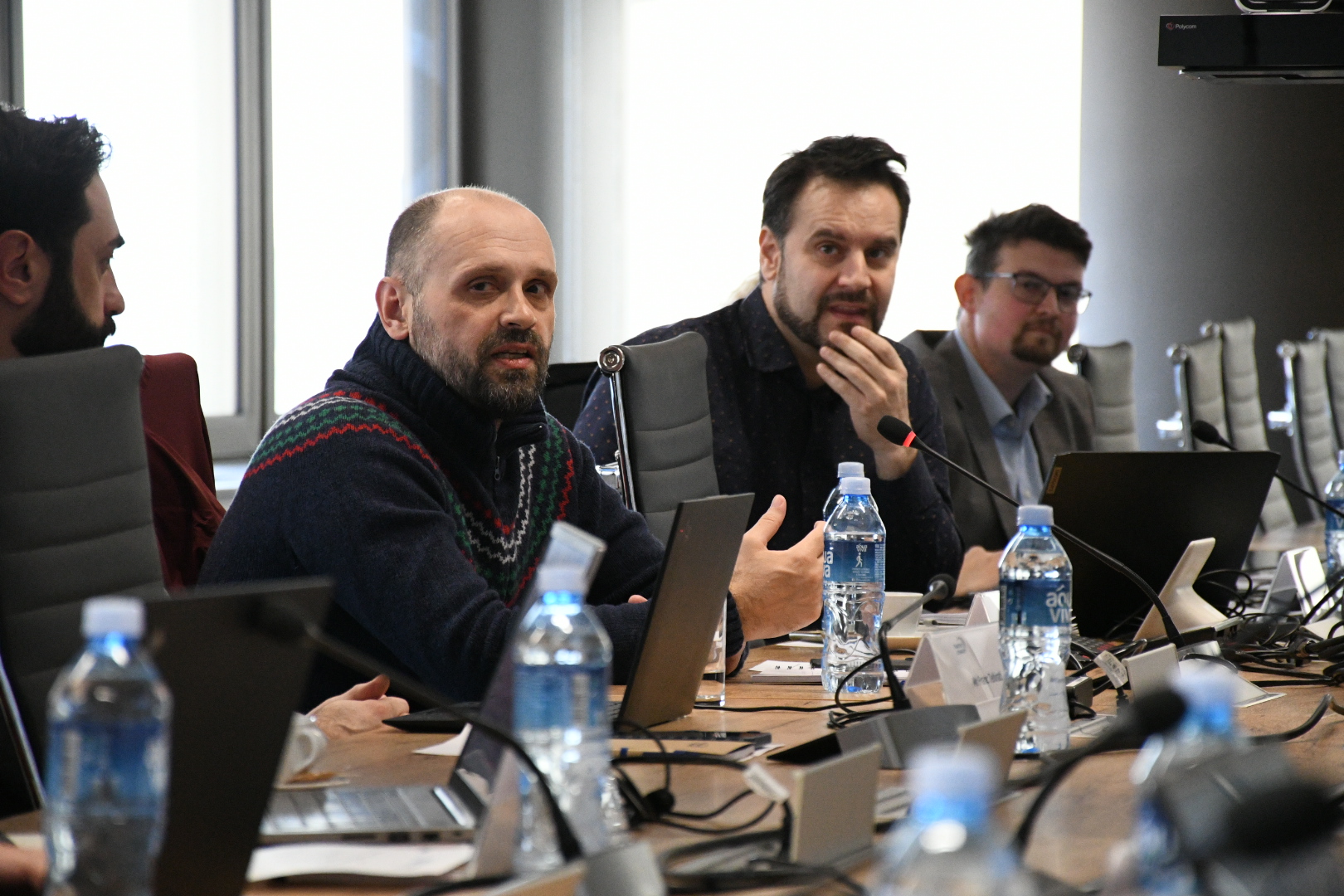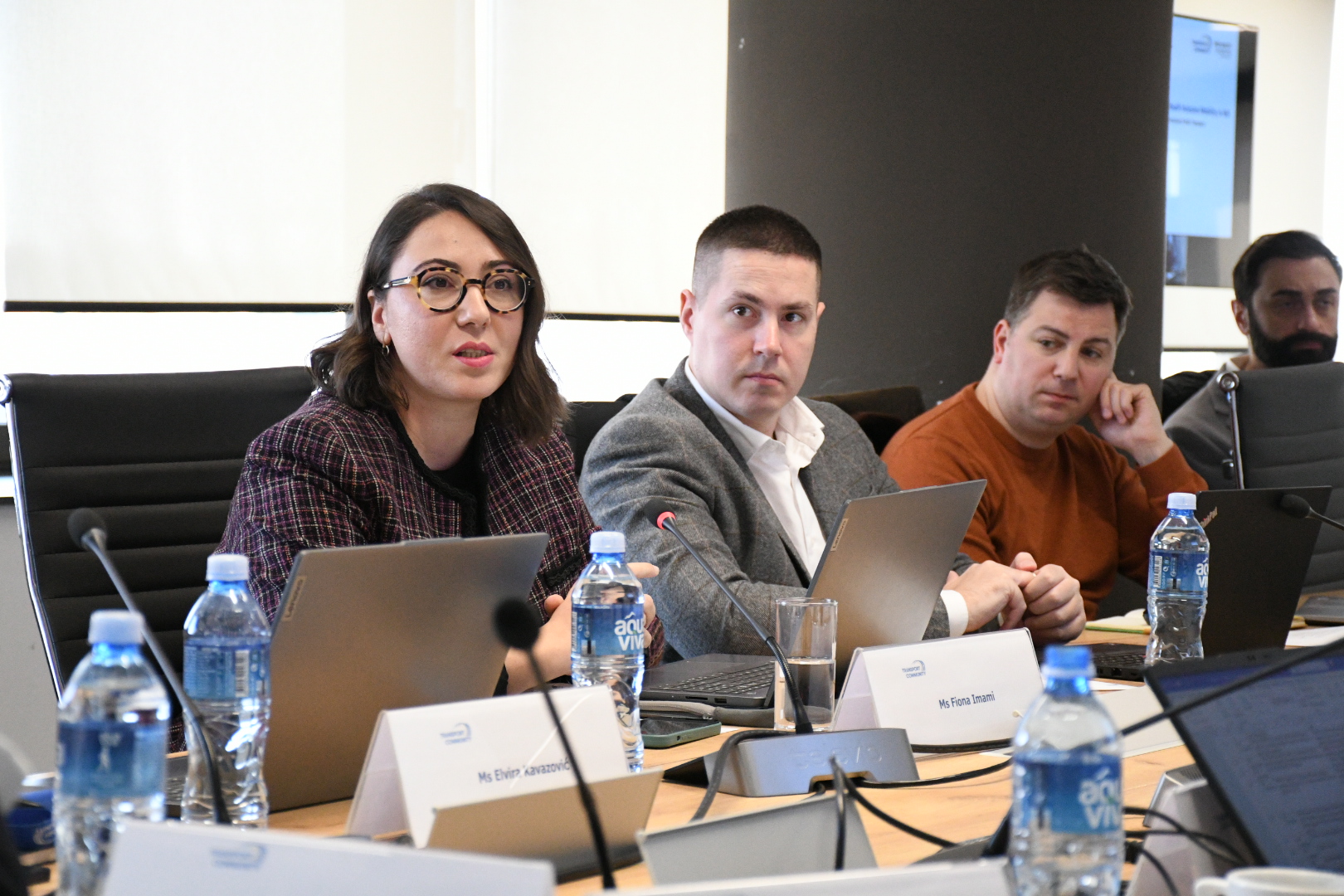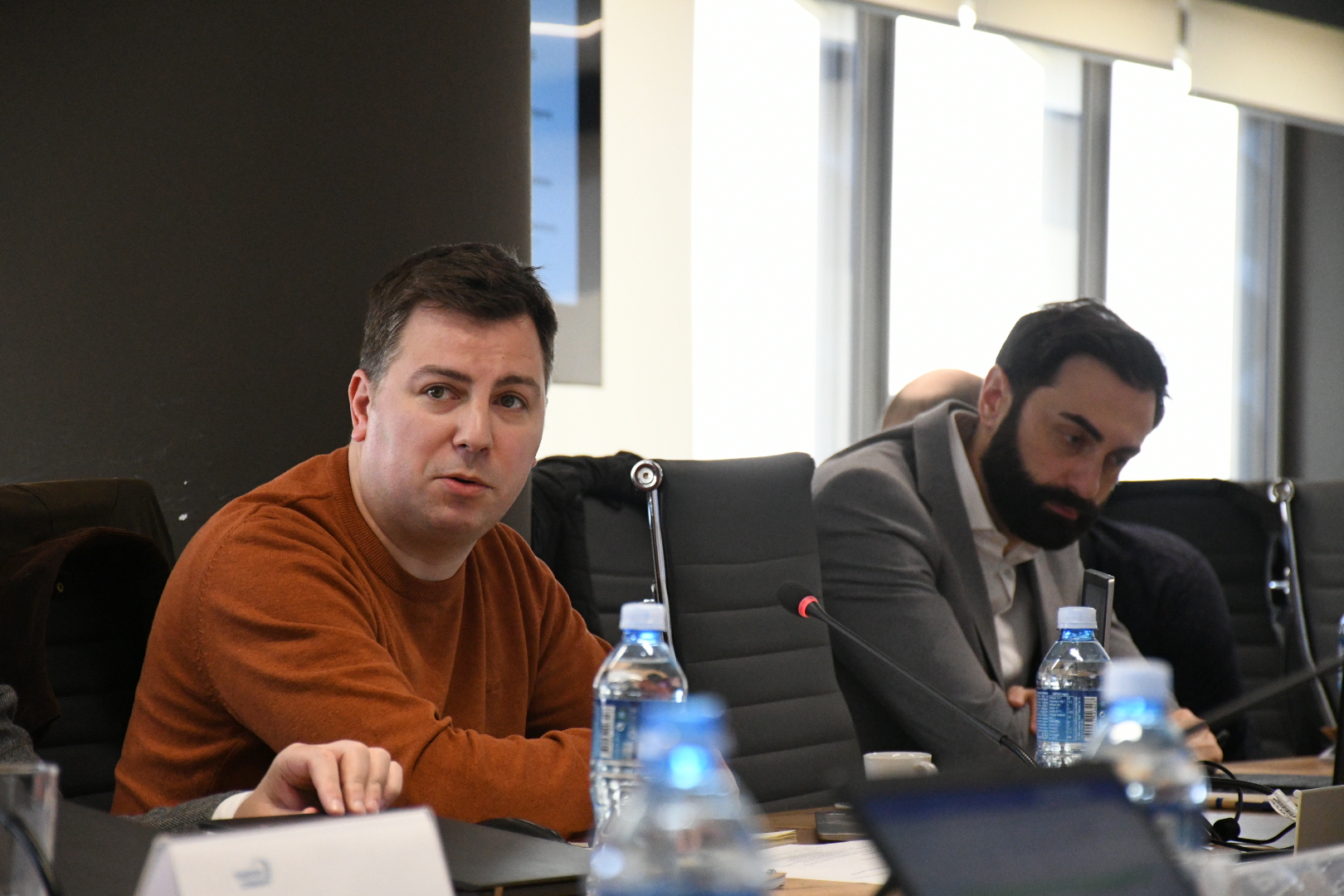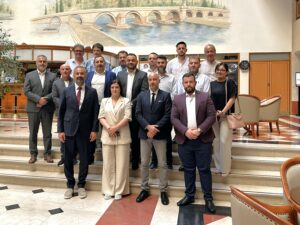
BELGRADE – Civil society organisations from across the Western Balkans gathered in Belgrade on 16 March 2026 to launch a new phase of cooperation aimed at strengthening their role in shaping transport policies and reforms in the region.
The meeting, organised by the Permanent Secretariat of the Transport Community and the Open Society Foundations – Western Balkans, brought together organisations that will implement projects focused on transport, mobility, and public policy engagement.
The event marks the start of several initiatives led by civil society groups that will work on topics such as sustainable mobility, transparency in infrastructure projects, and better participation of citizens in transport decision-making.
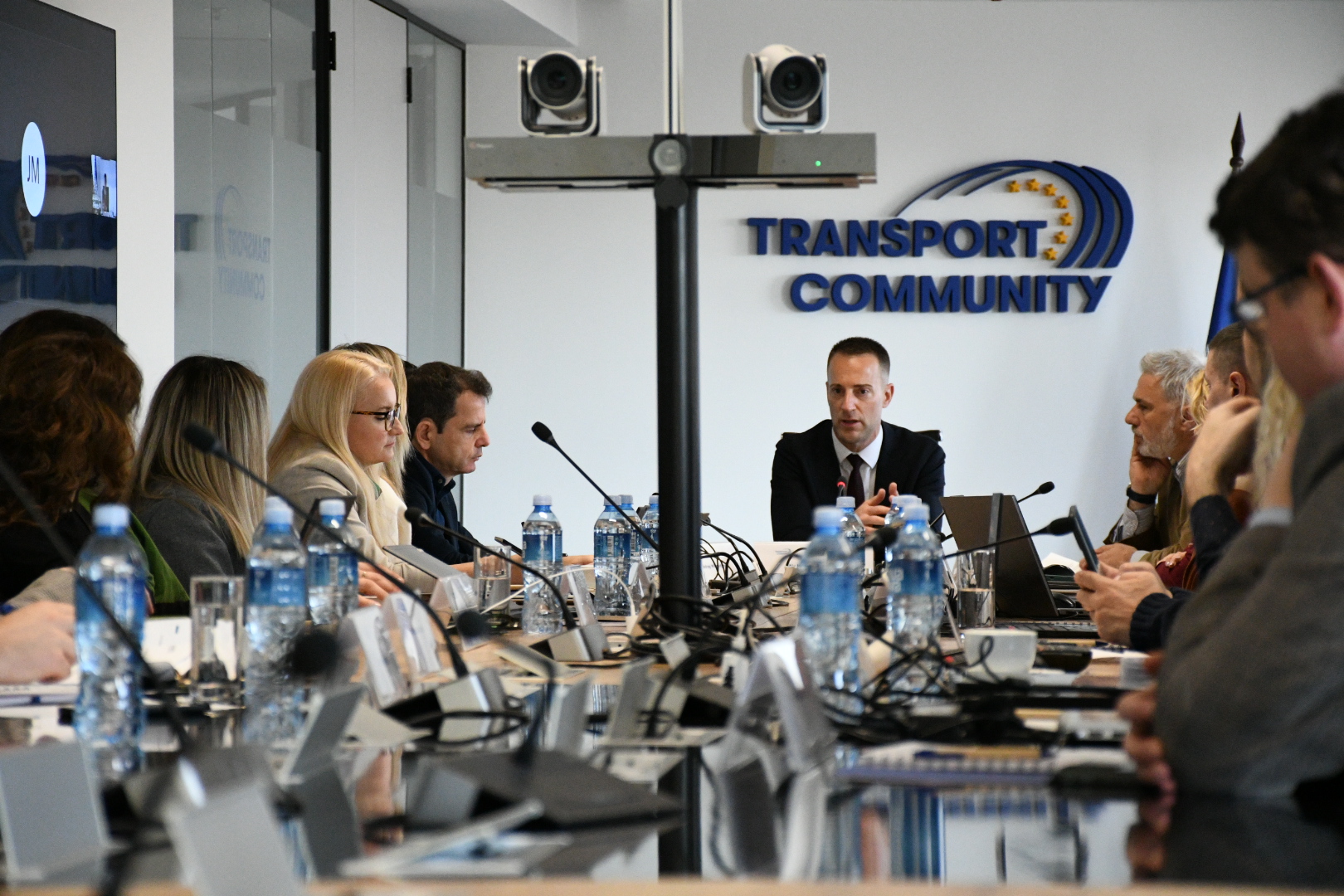
Opening the meeting, Mr Matej Zakonjšek, Director of the Permanent Secretariat of the Transport Community, highlighted the importance of involving civil society in transport reforms across the Western Balkans.
“Civil society organisations have an important role to play. They bring independent expertise, represent community perspectives, and contribute to transparency, accountability, and more inclusive policymaking,” said Zakonjšek.
Mr Miodrag Milosavljević, Deputy Director of the Open Society Foundations – Western Balkans, underlined the value of cooperation between institutions and civil society in improving public policies and strengthening regional dialogue and the EU integration of the region.
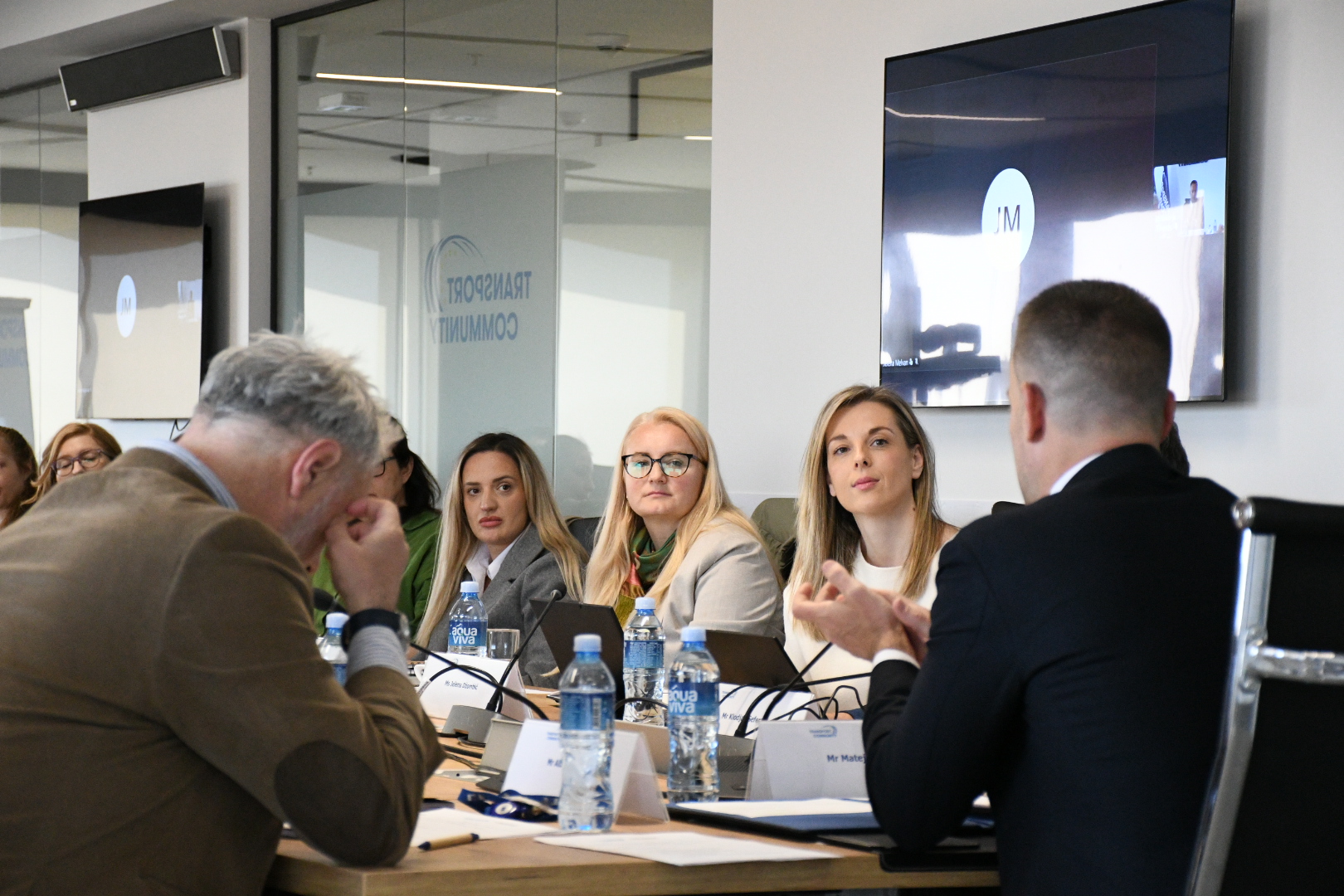
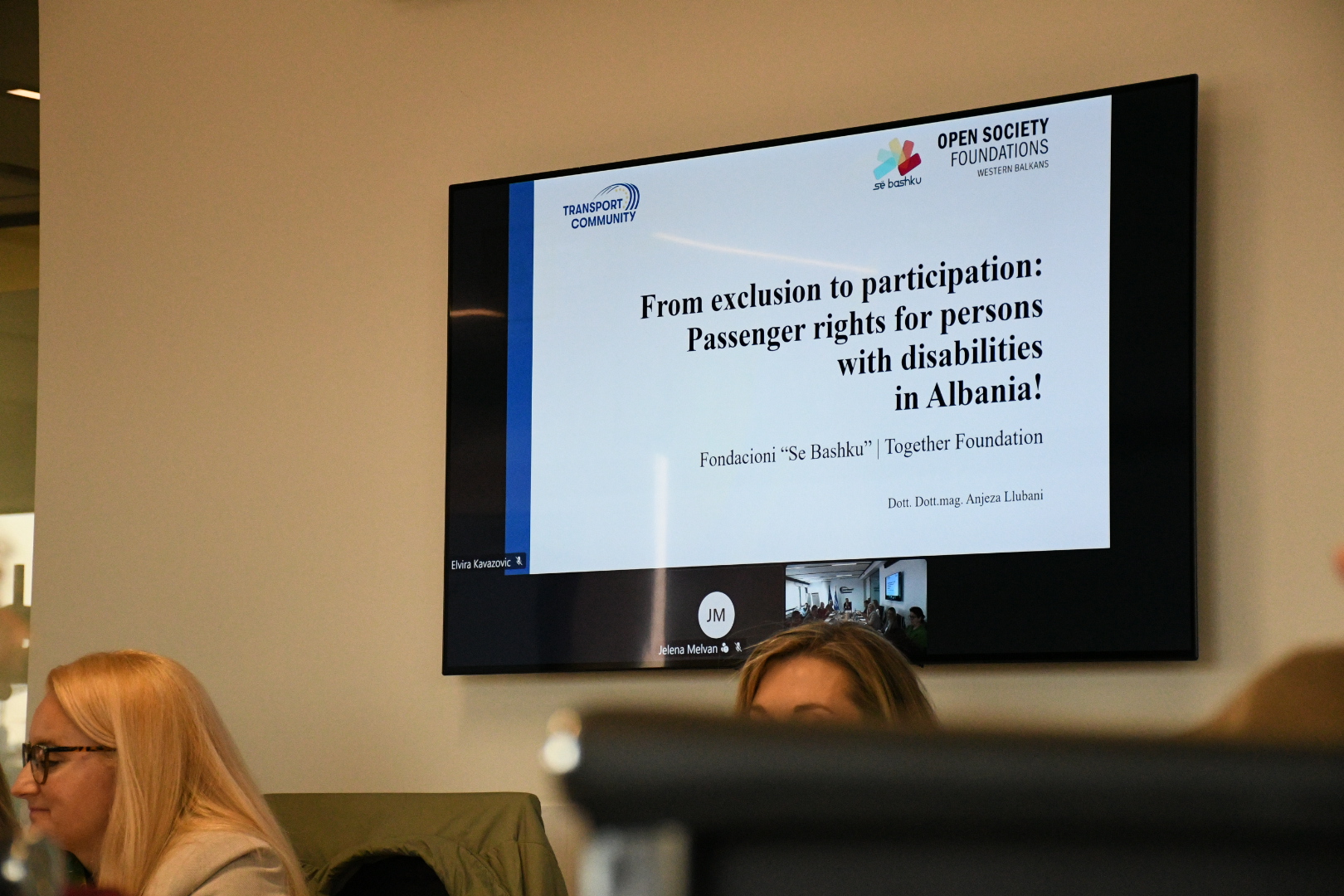
During the meeting, participating organisations presented their projects and discussed common challenges in implementing initiatives related to transport and mobility. The discussions also focused on how organisations can work together, share knowledge, and support each other in engaging with national institutions and regional initiatives.
The event also provided practical guidance to the selected organisations on project management, reporting, and communication as they begin implementing their activities.
The Belgrade meeting builds on the workshop held in Brussels in September 2025, where civil society organisations from the Western Balkans and the European Union first gathered to discuss how non-governmental actors can contribute to transport policy and infrastructure development. This has also been discussed during the Transport Community’s Social Form in Sarajevo, and later endorsed by the Transport Community’s Regional Steering Committee and Ministerial Council.
By continuing this cooperation, the initiative aims to strengthen the role of civil society in transport reforms across the Western Balkans, helping ensure that future policies and investments are transparent, sustainable, and beneficial for communities across the region.