SVETI STEFAN – Investment in transport infrastructure must go hand in hand with investment in the people who plan, deliver and manage it. This was the central message of Director of the Permanent Secretariat of the Transport Community Tālis Linkaits at the Berlin Process Leaders’ Summit held in Sveti Stefan, Montenegro, on 22 October 2026.
Addressing the Summit, Director Linkaits highlighted the need to strengthen skills across the Western Balkans, helping public administrations and transport executives turn investment and reforms into better services for citizens and businesses.
EU funding and infrastructure investment offer significant opportunities for the region. Making full use of them requires skilled professionals who can prepare projects, oversee their delivery, apply EU rules and maintain infrastructure for years to come. Building this expertise, and keeping it in the region, is essential to achieving lasting results.
He also presented a Transport Community initiative – the Regional Rail Excellence Centre for the Western Balkans. The Centre would help address shortages of railway expertise, support the professional development of existing staff and make the sector more attractive to younger generations. By investing in people, the initiative aims to support safer, more reliable railways and closer integration with the European Union’s transport system.
Director Linkaits stressed that these needs extend beyond rail. Public administrations and executives across the transport sector need access to continued training and opportunities to develop the technical and management skills required to lead reforms and deliver increasingly complex projects. Stronger institutions are essential to ensuring that new infrastructure brings lasting improvements to everyday journeys and the movement of goods.
To support this effort, he proposed working with partners towards dedicated funding for a “train and retain” approach by the next Berlin Process Summit. The aim would be to educate new generations, strengthen the skills of current professionals and help retain expertise in the sectors facing the greatest shortages.
His intervention also underlined the importance of linking infrastructure development with practical reforms, including simpler road transport procedures, expanded Green Lanes and digital freight documents. Together, these measures can reduce delays, lower costs and improve connections across the region and with the EU.
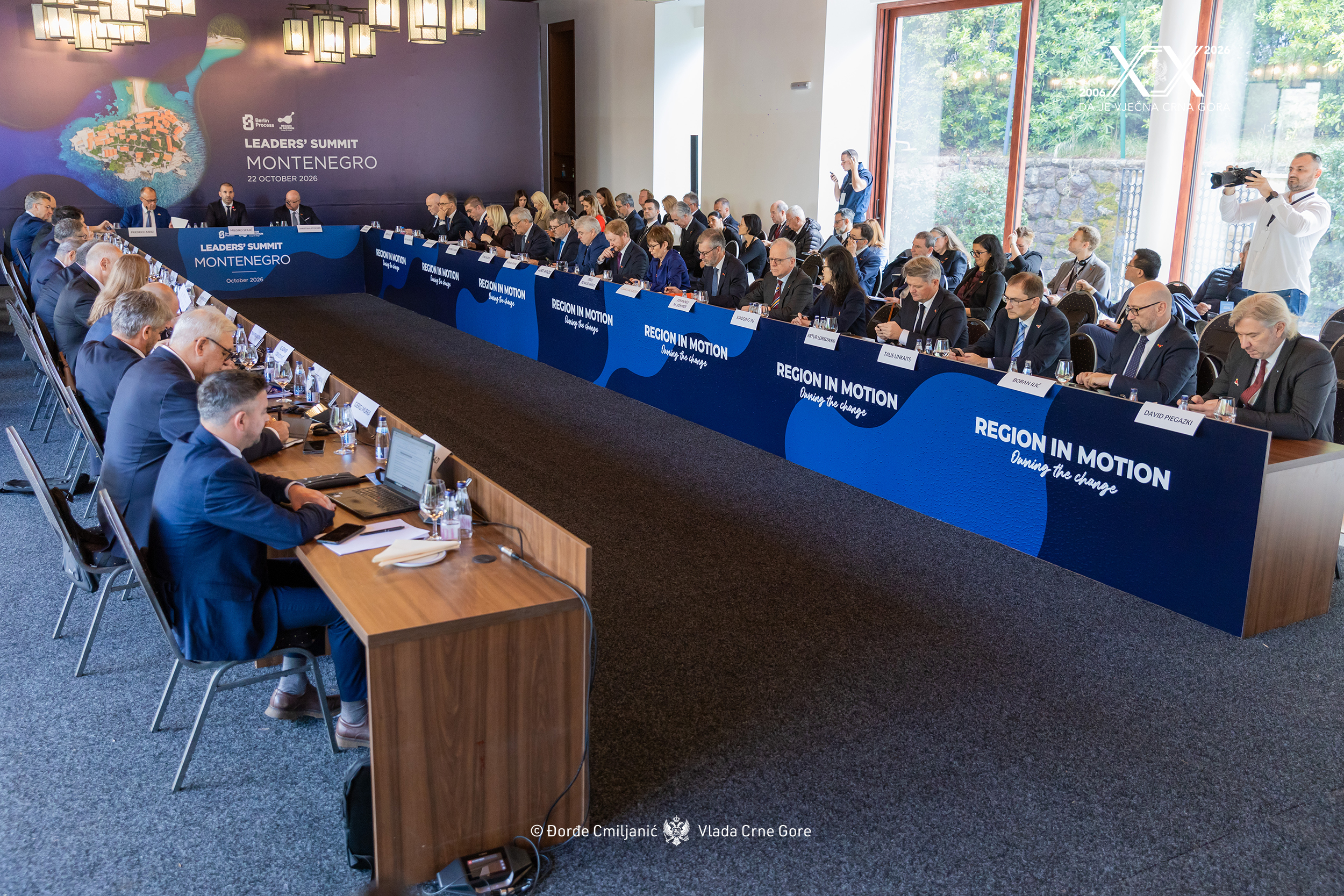
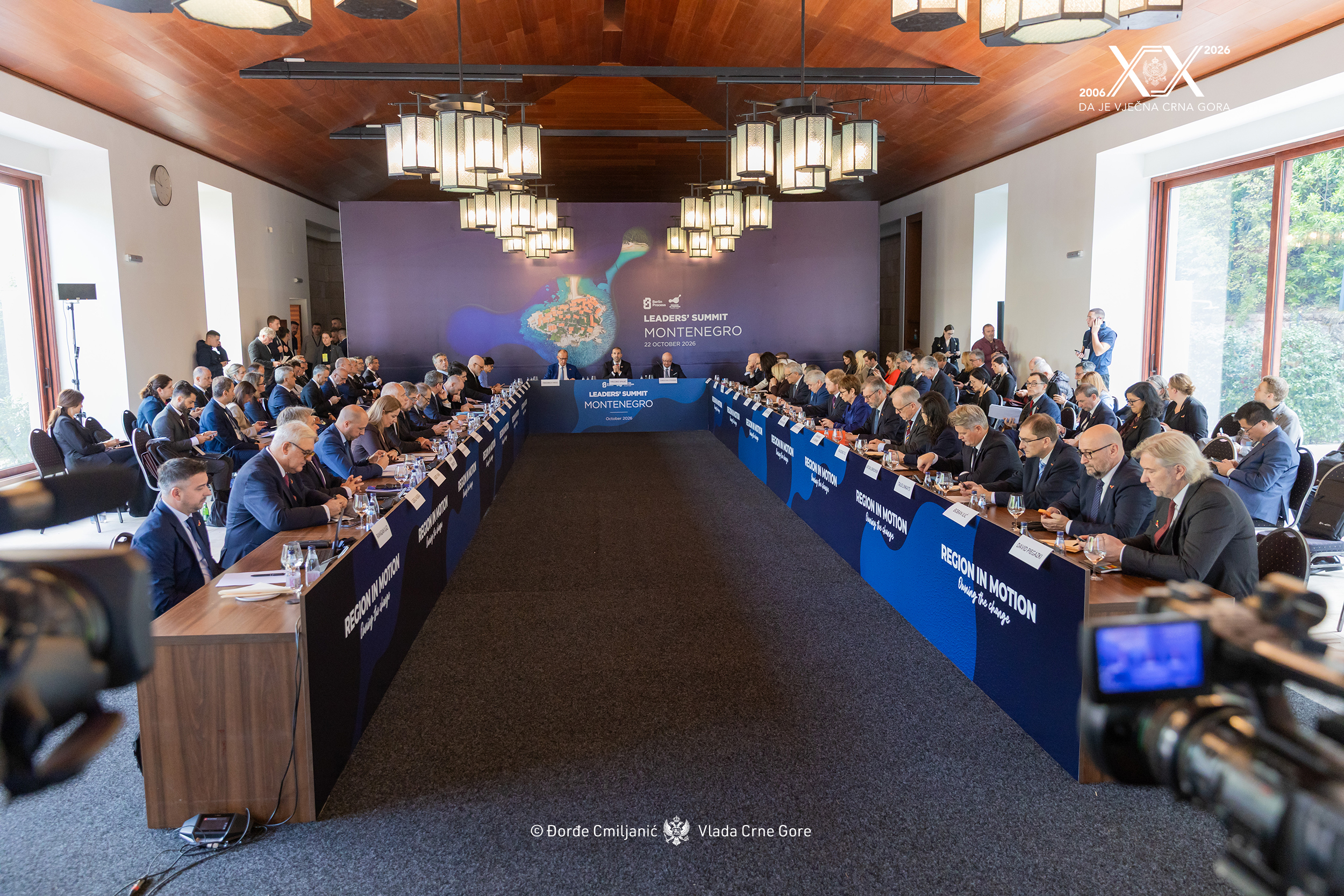
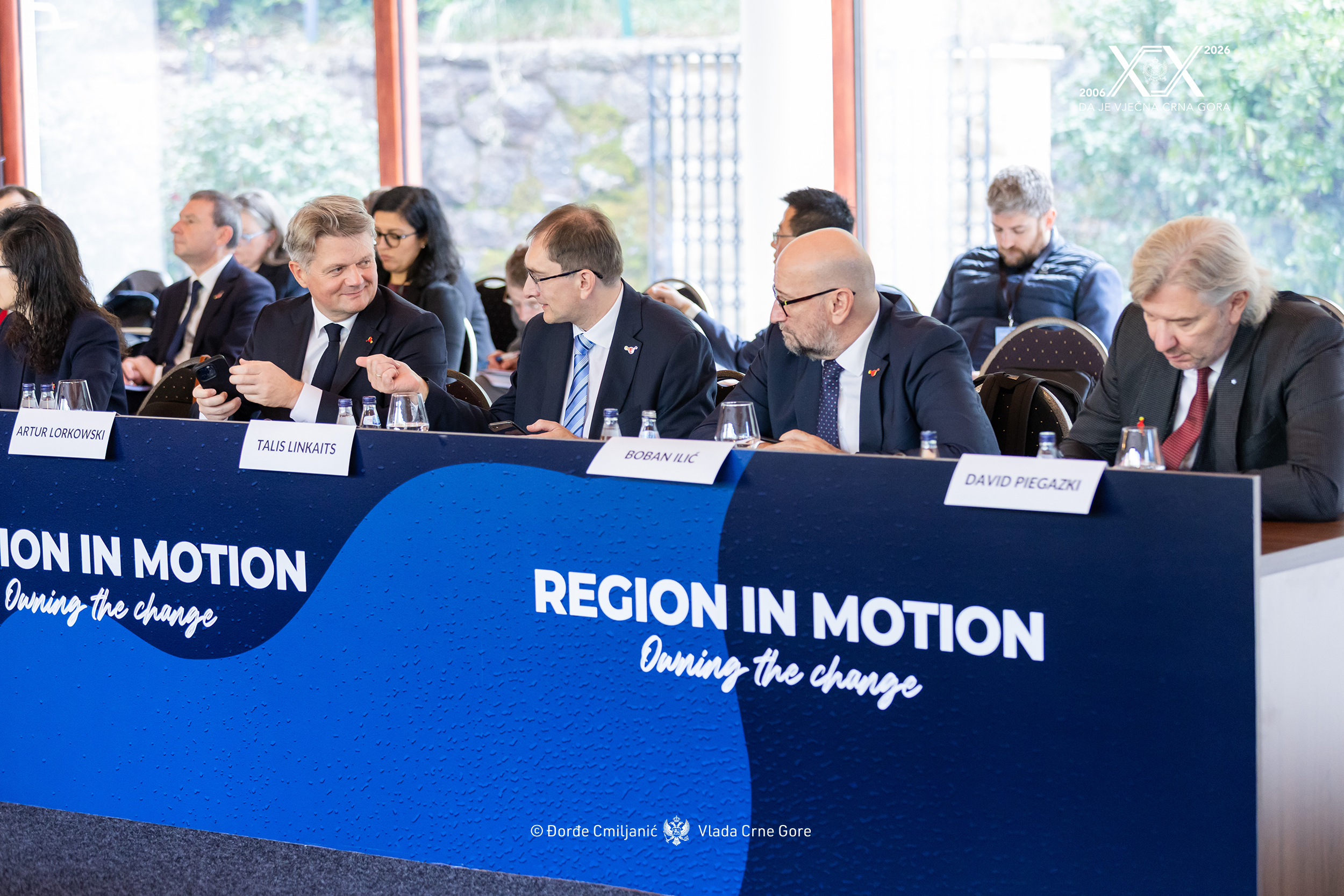
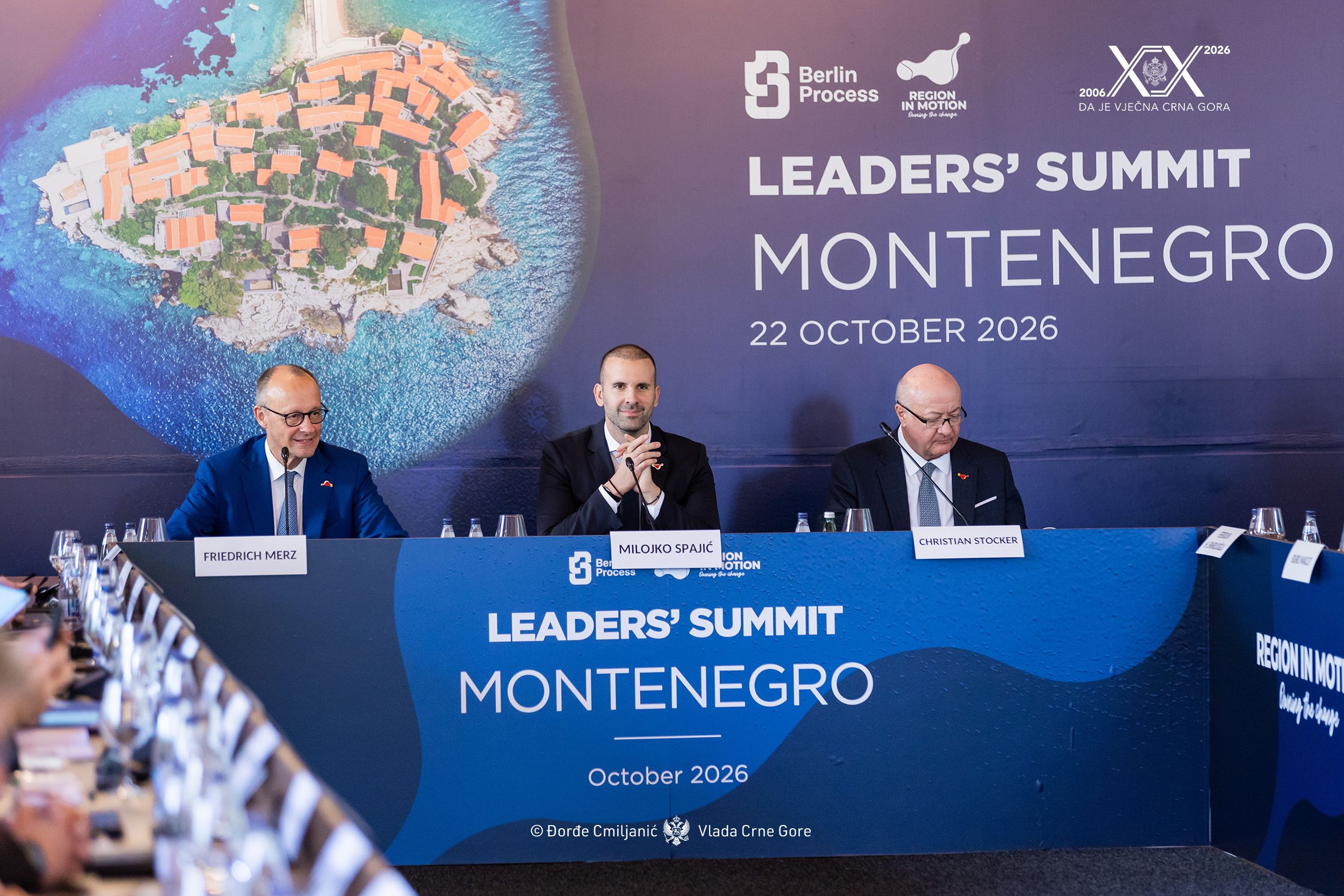
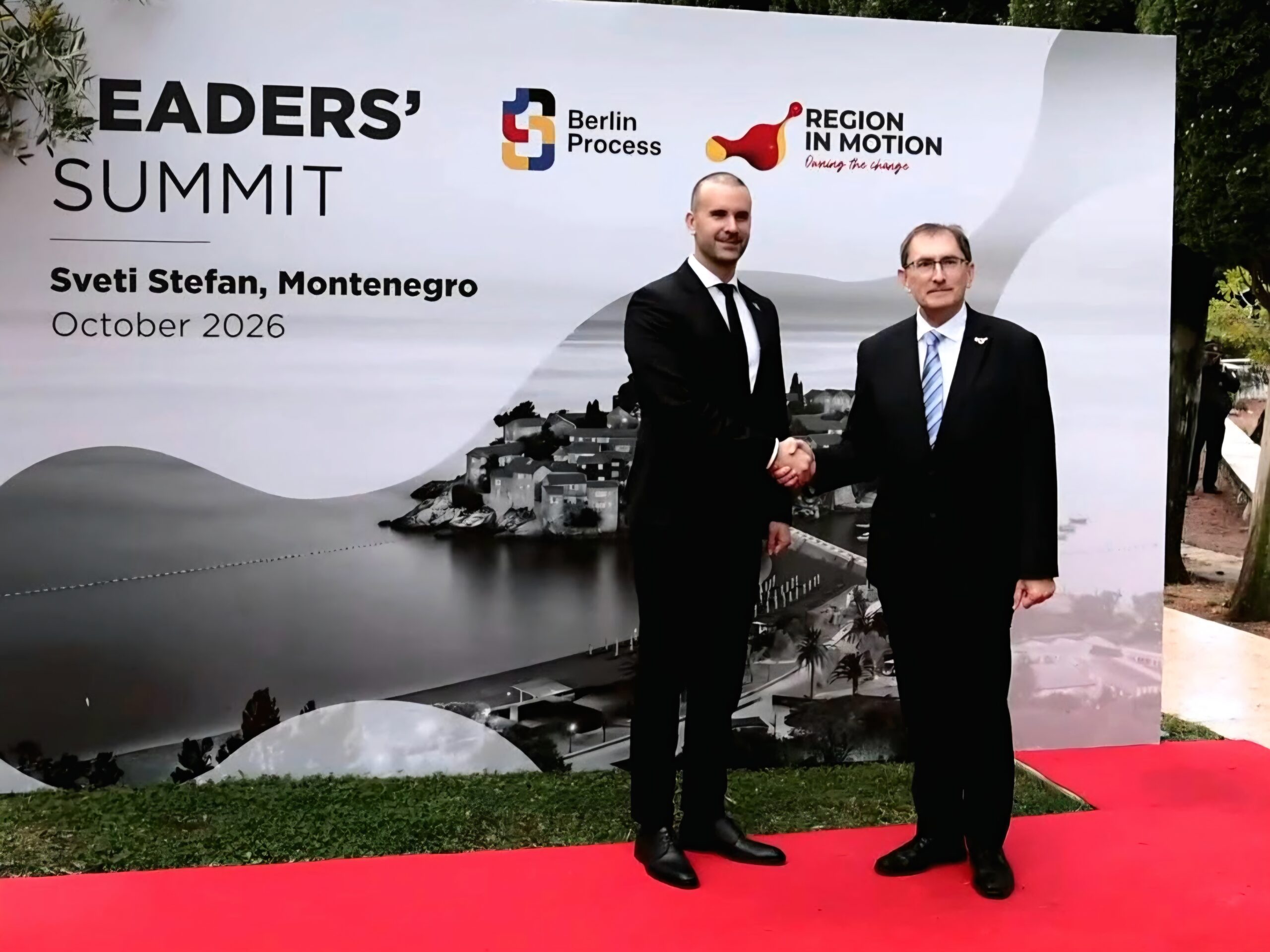
Photo: Government of Montenegro