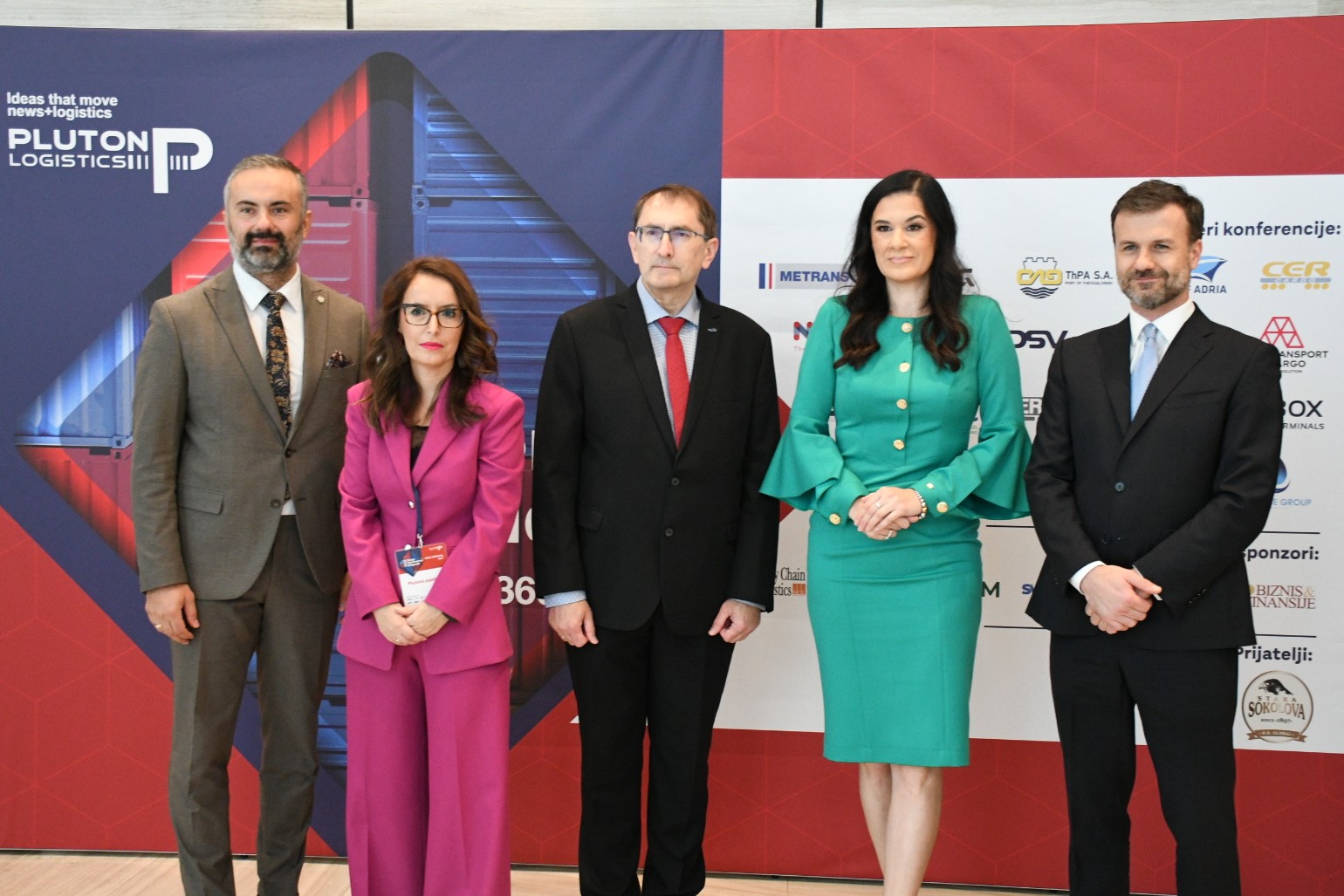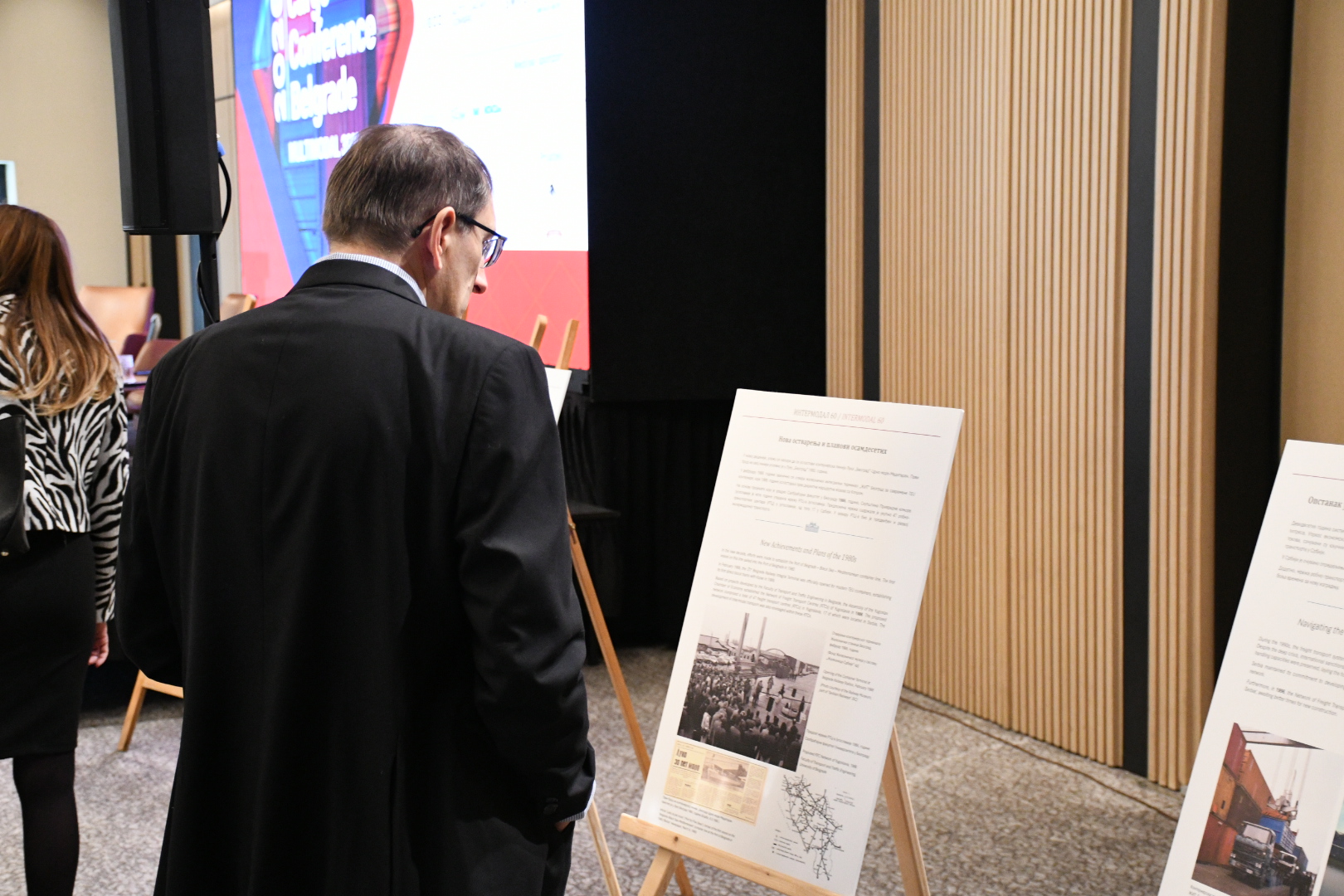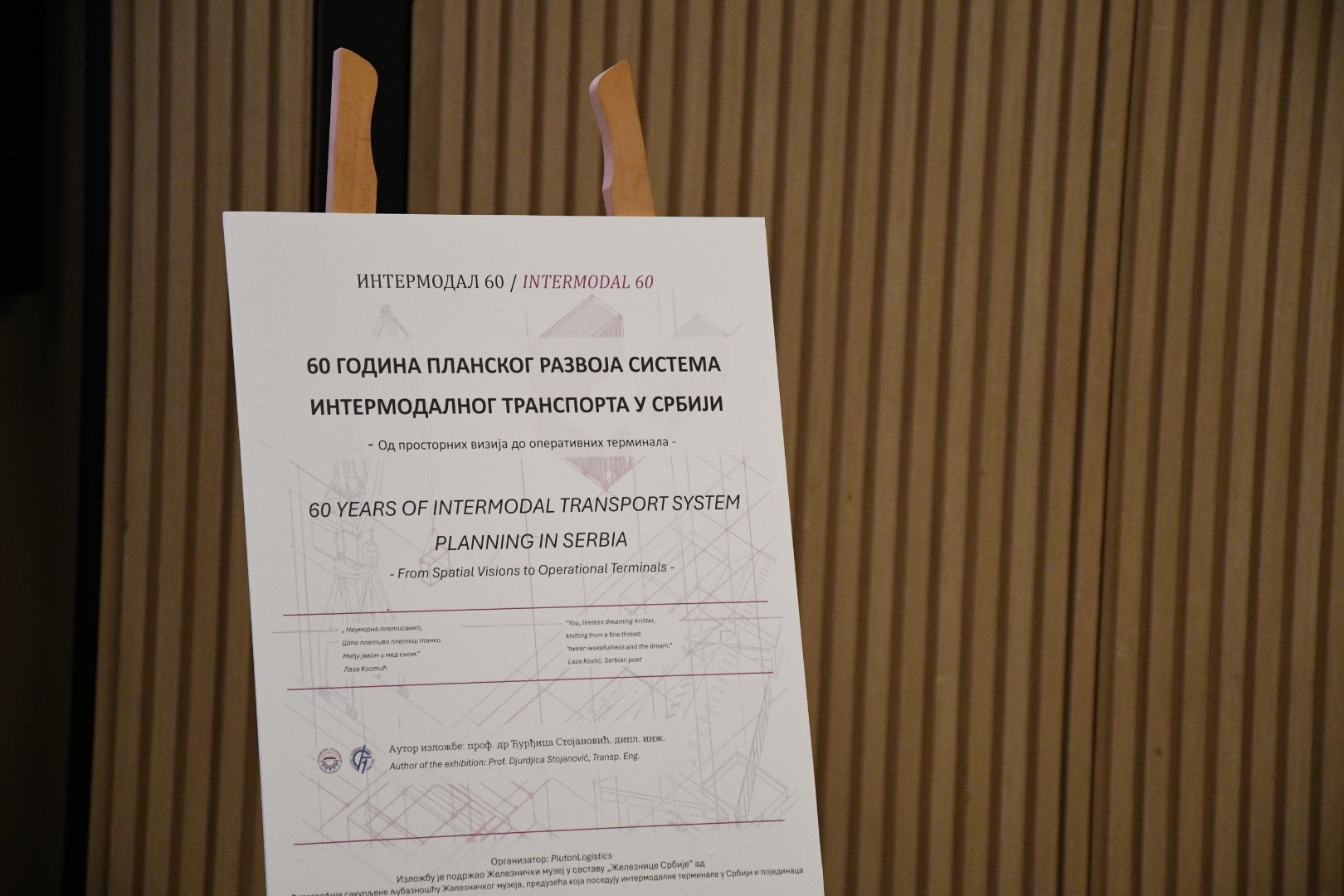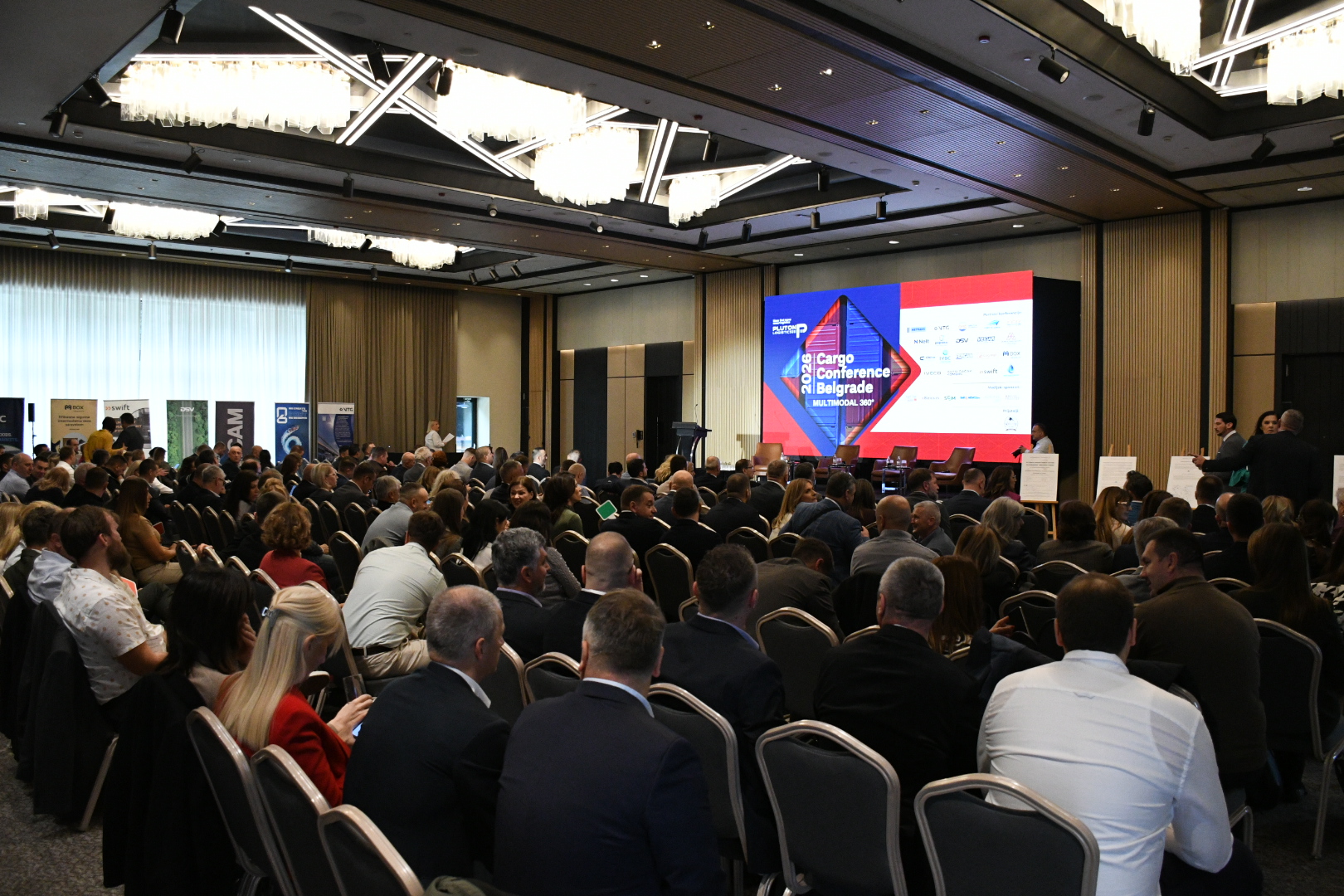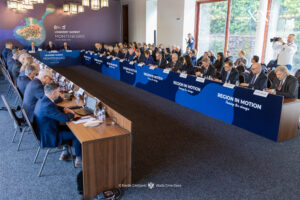
BELGRADE – Better connections between railways, roads and ports, simpler border procedures and closer cooperation with businesses are essential to making freight transport more reliable across the Western Balkans. These priorities shaped the Transport Community’s contribution to Cargo Conference Belgrade 2026 held on 29 October 2026.
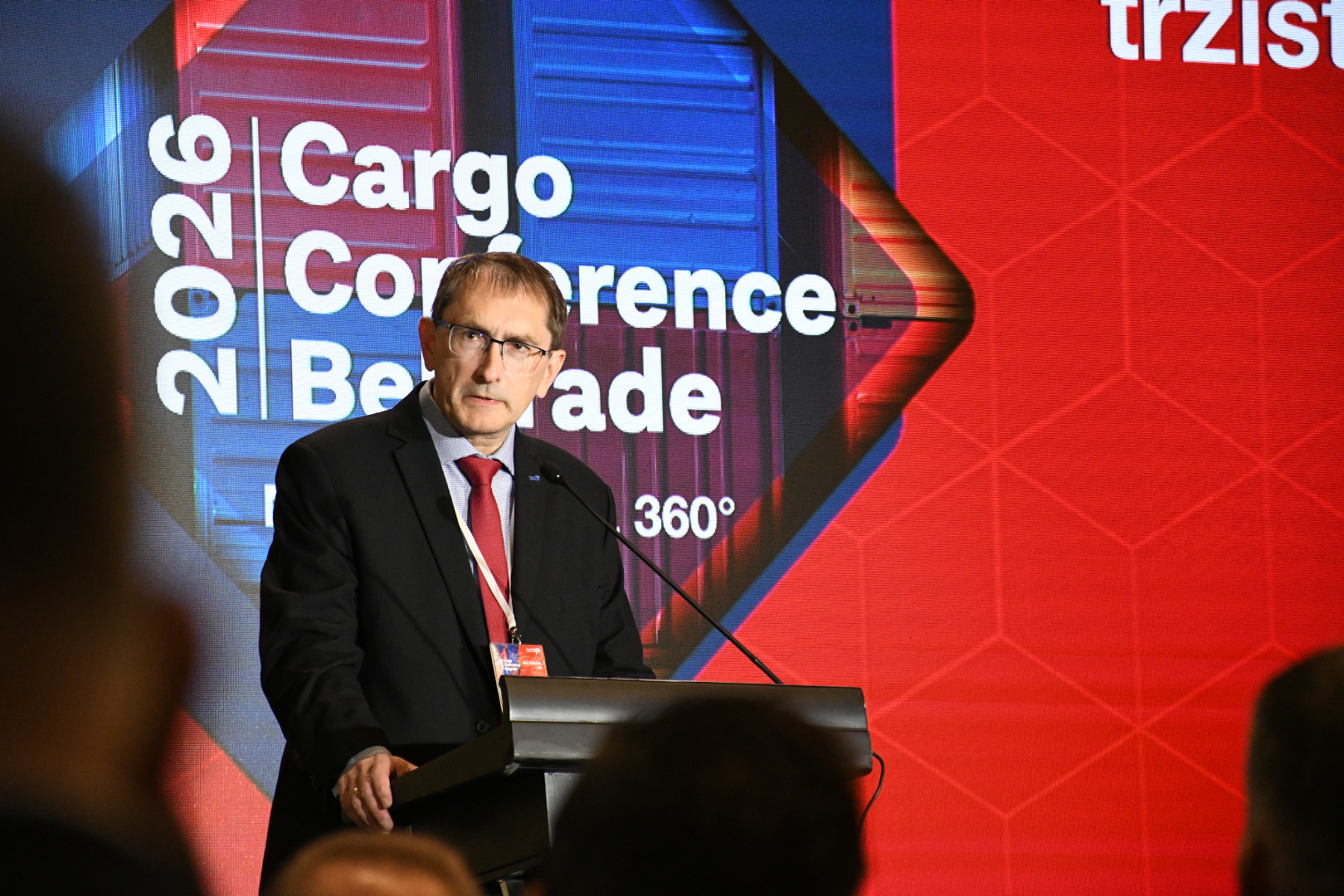
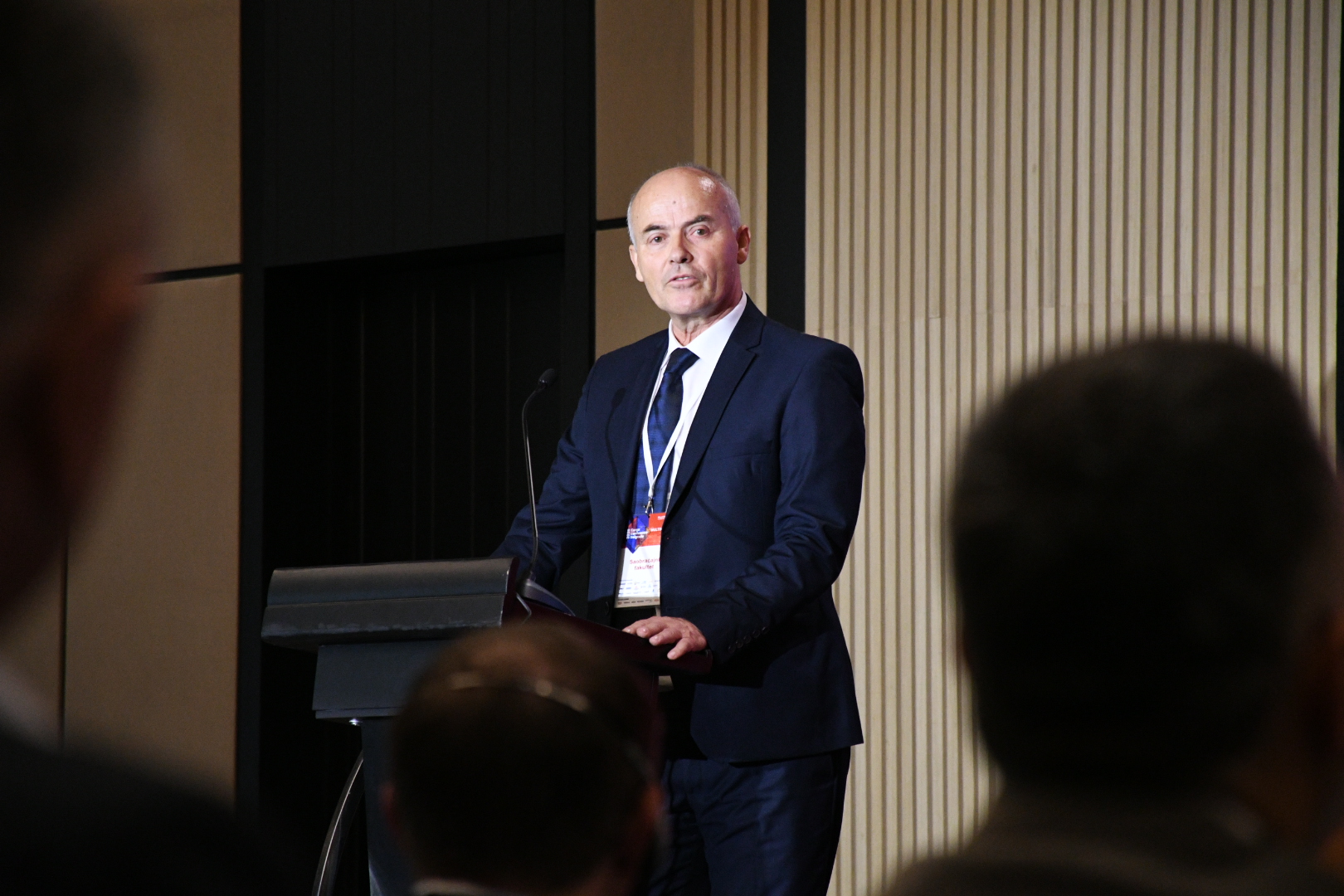
Delivering opening remarks, Director of the Permanent Secretariat of the Transport Community Tālis Linkaits highlighted the region’s opportunity to turn its geographical position into stronger economic growth and deeper integration with the European market.
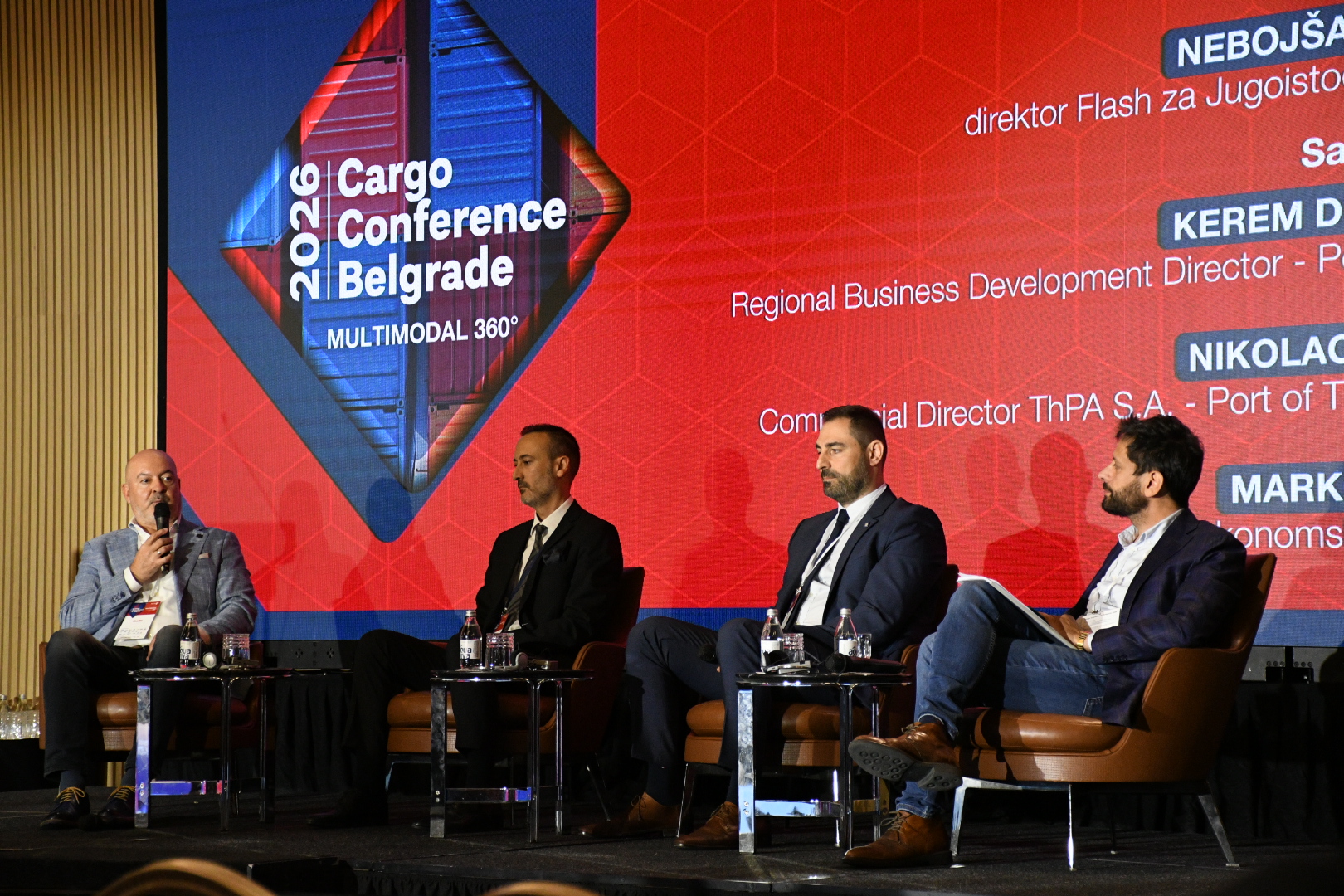
Held under the theme “Multimodal 360°”, the conference brought together representatives of transport and logistics companies, institutions and academia to explore more efficient and sustainable freight transport.
“The performance of the entire logistics chain matters more than that of any individual section,” Director Linkaits emphasised.
He called for a shared approach to developing transport corridors, with ministries, customs services, border police, regulators and infrastructure managers working towards the same goal: helping goods move smoothly across borders and between different modes of transport. The Western Balkans–Eastern Mediterranean European Transport Corridor provides an important framework for this cooperation, linking regional priorities with the wider European network.
Turning railway investment into competitive services was a key message. Modernised infrastructure needs effective maintenance, fair access to railway networks and strong institutions to deliver lasting improvements for businesses. Director Linkaits highlighted the Transport Community’s focus on supporting regional rail market opening, implementing EU railway rules and enabling cross-border services.
The discussion also underlined the potential of multimodal transport, combining the strengths of road, rail and waterborne services. Better connections between these modes can give businesses more options, support more sustainable freight movements and help supply chains adapt when disruptions occur.
A Transport Community technical assistance study identified nine strategic locations for multimodal freight terminals across the Western Balkans, including Belgrade, Niš and Novi Sad. Endorsed by the Ministerial Council in December 2025, the proposed network aims to strengthen links between transport corridors, ports and industrial centres. Alongside terminal development, the study identifies practical steps to improve connections to surrounding networks and the conditions needed for efficient services.
Digitalisation offers another opportunity to make freight transport easier. Director Linkaits highlighted the Transport Community’s support for electronic freight transport information, helping Regional Partners prepare for systems that reduce paperwork and improve information exchange between businesses and authorities. He stressed that legislative progress must be followed by practical implementation and digital systems that work together across borders.
Throughout his intervention, Director Linkaits stressed the importance of continuous dialogue with the private sector. Understanding the challenges faced by operators and logistics companies is essential to ensuring that reforms and investments deliver shorter delays, more reliable services and stronger connections.
The conference is organised by PlutonLogistics.