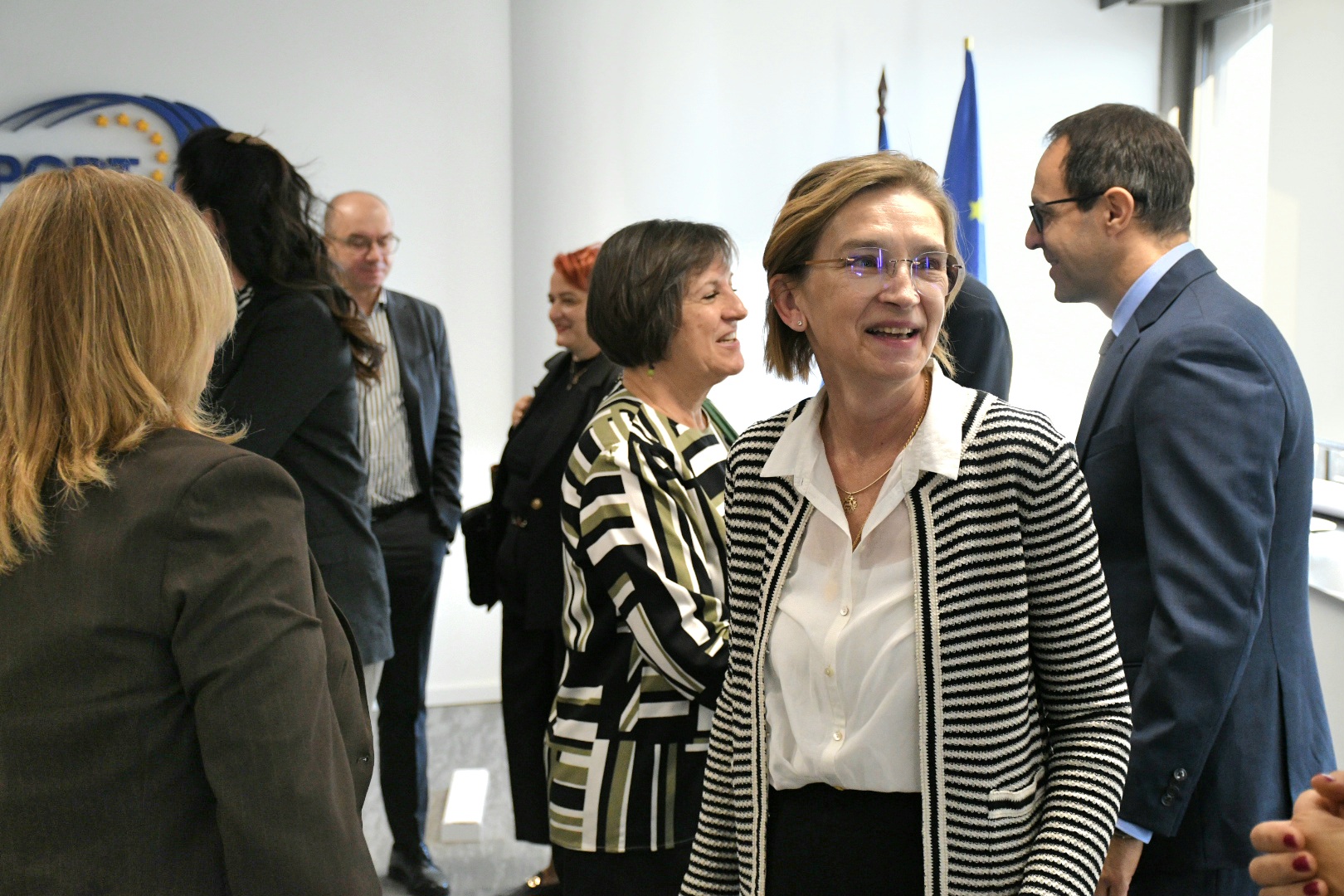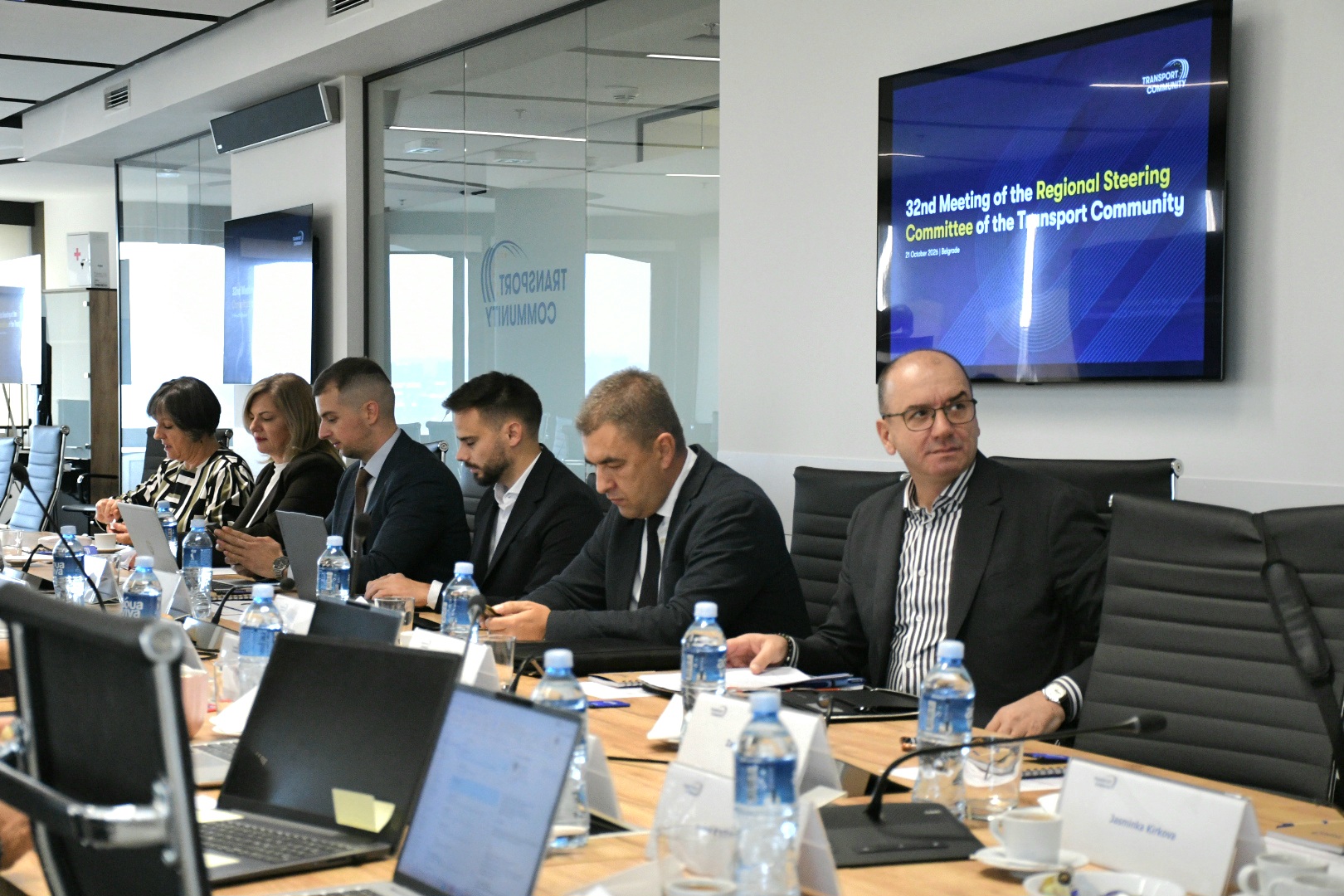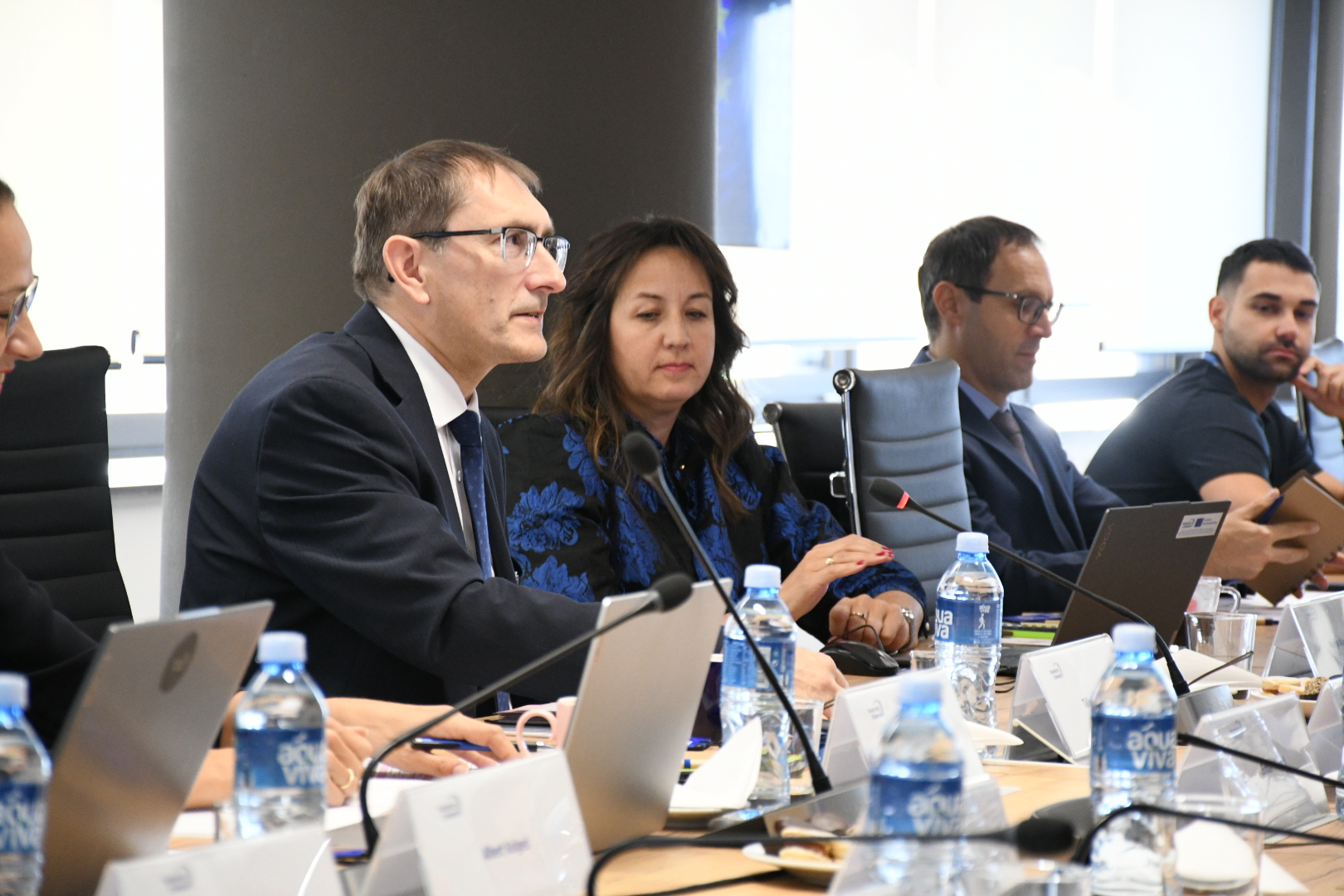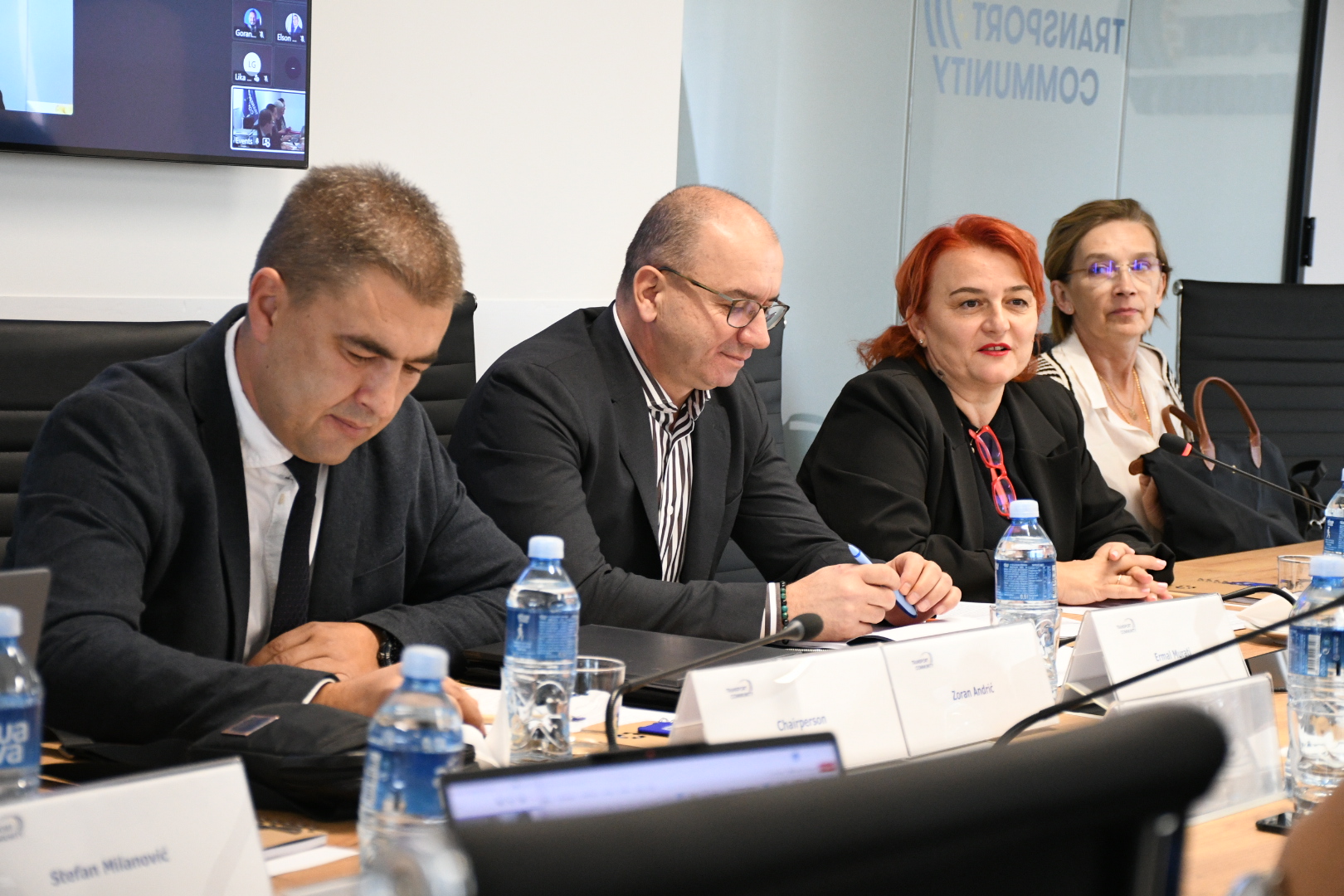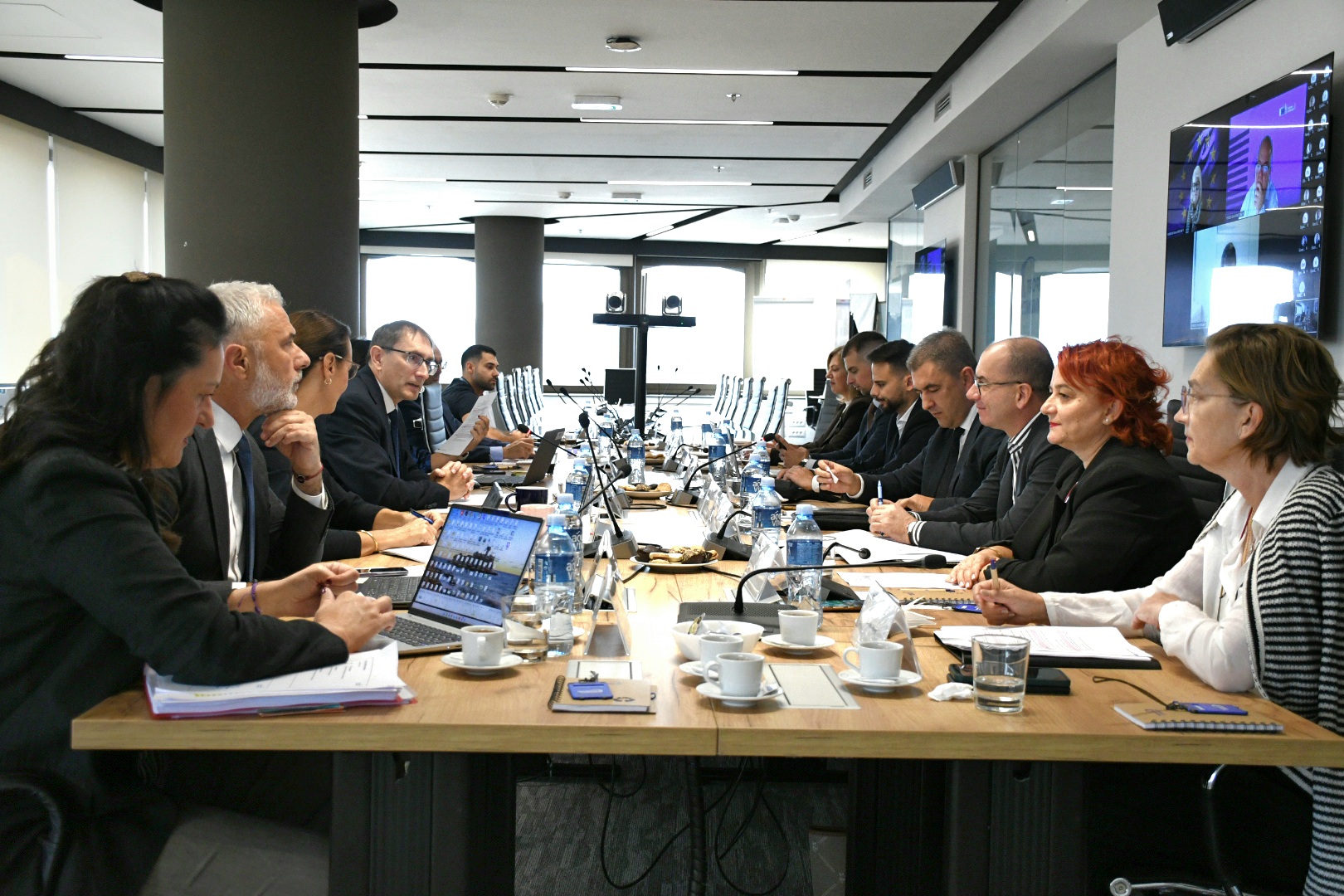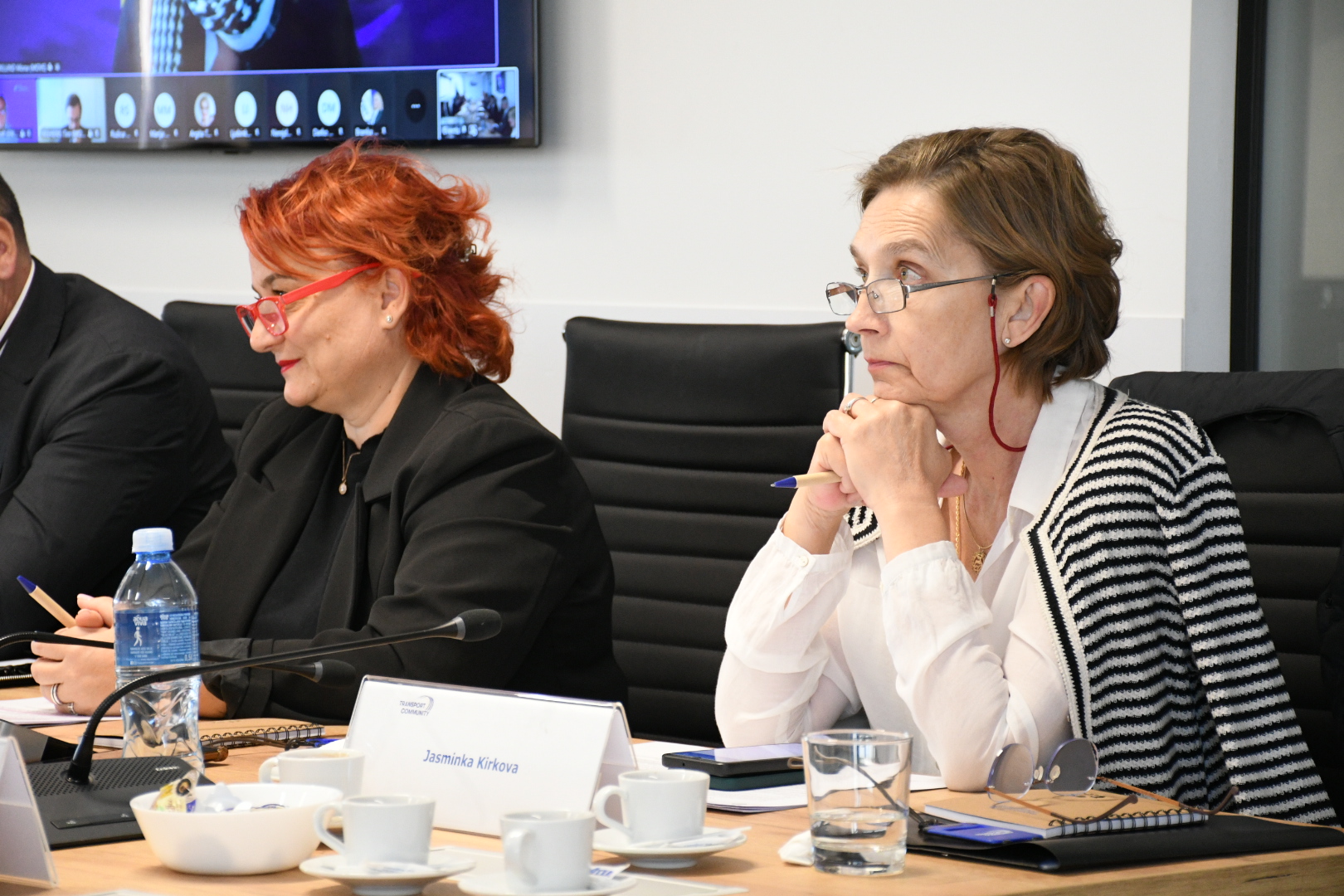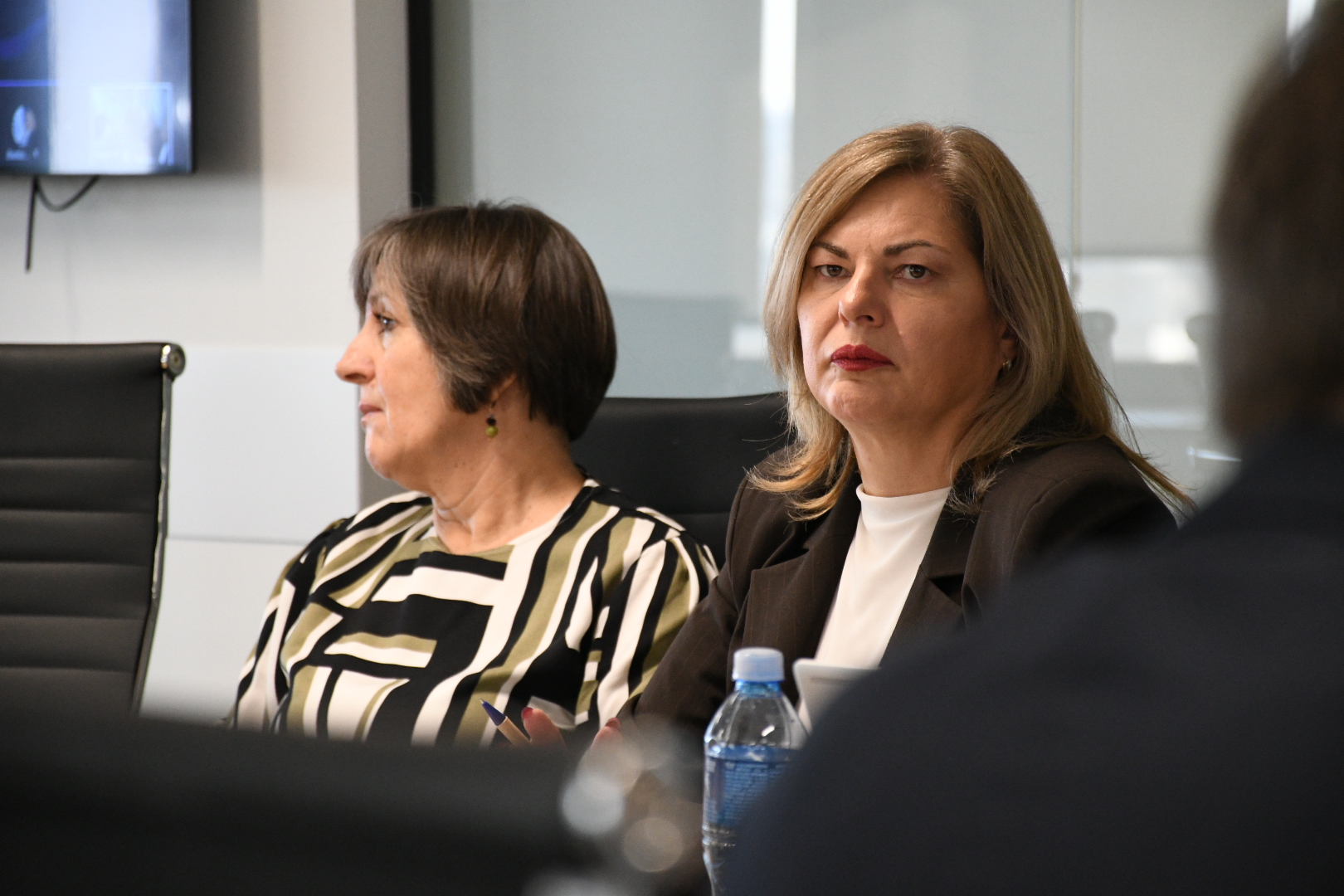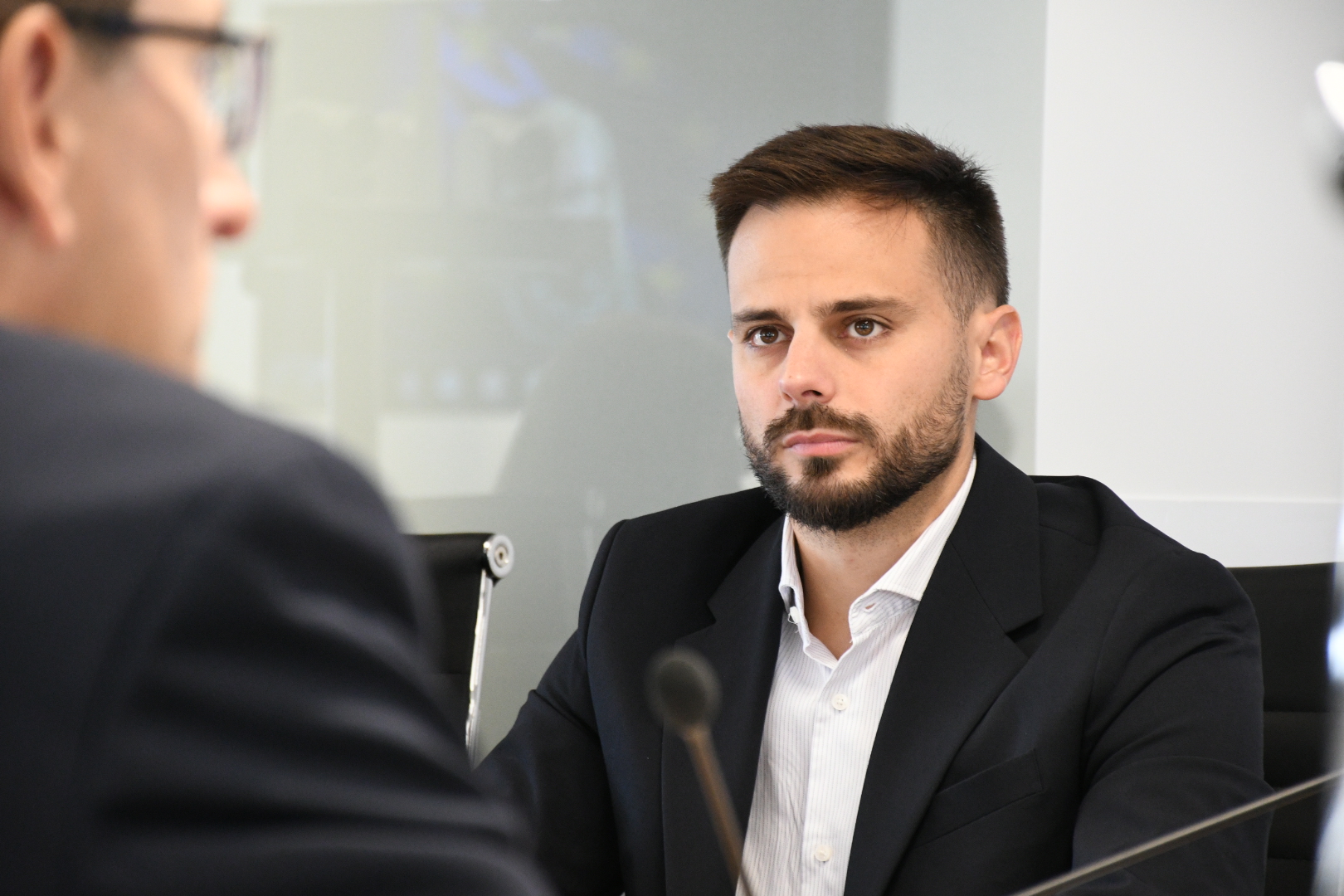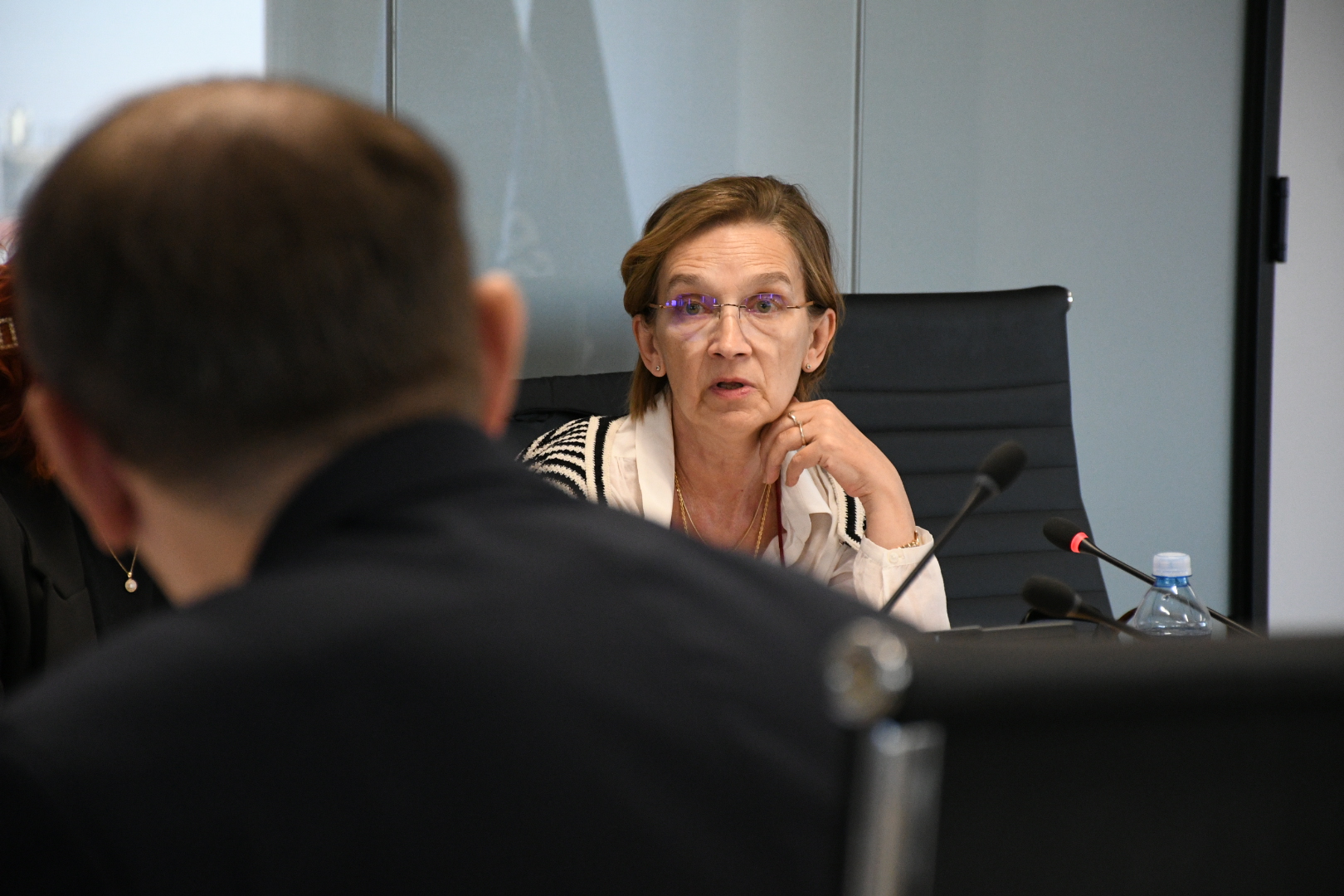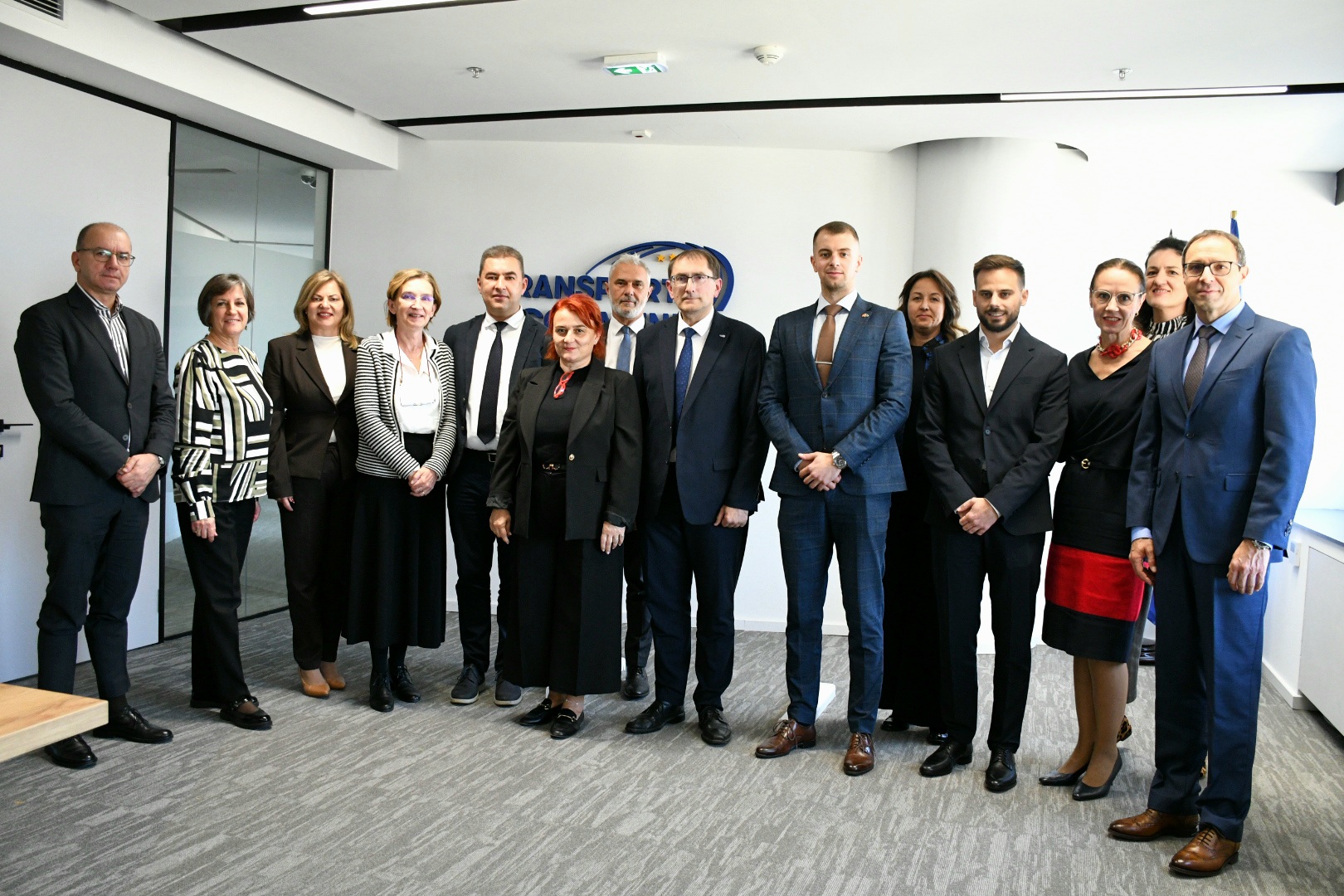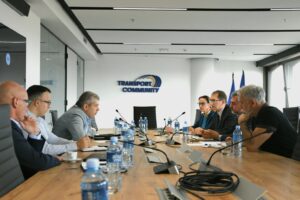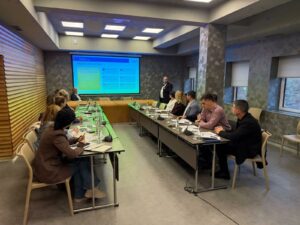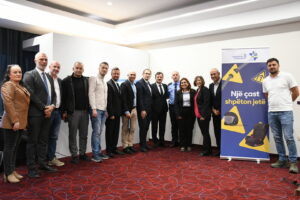
BELGRADE – Progress towards safer, cleaner and better-connected transport was the focus of the 32nd meeting of the Transport Community Regional Steering Committee, held in Belgrade on 21 October 2026.
Before the meeting, an official handover ceremony marked Bosnia and Herzegovina’s assumption of the Committee’s Presidency.
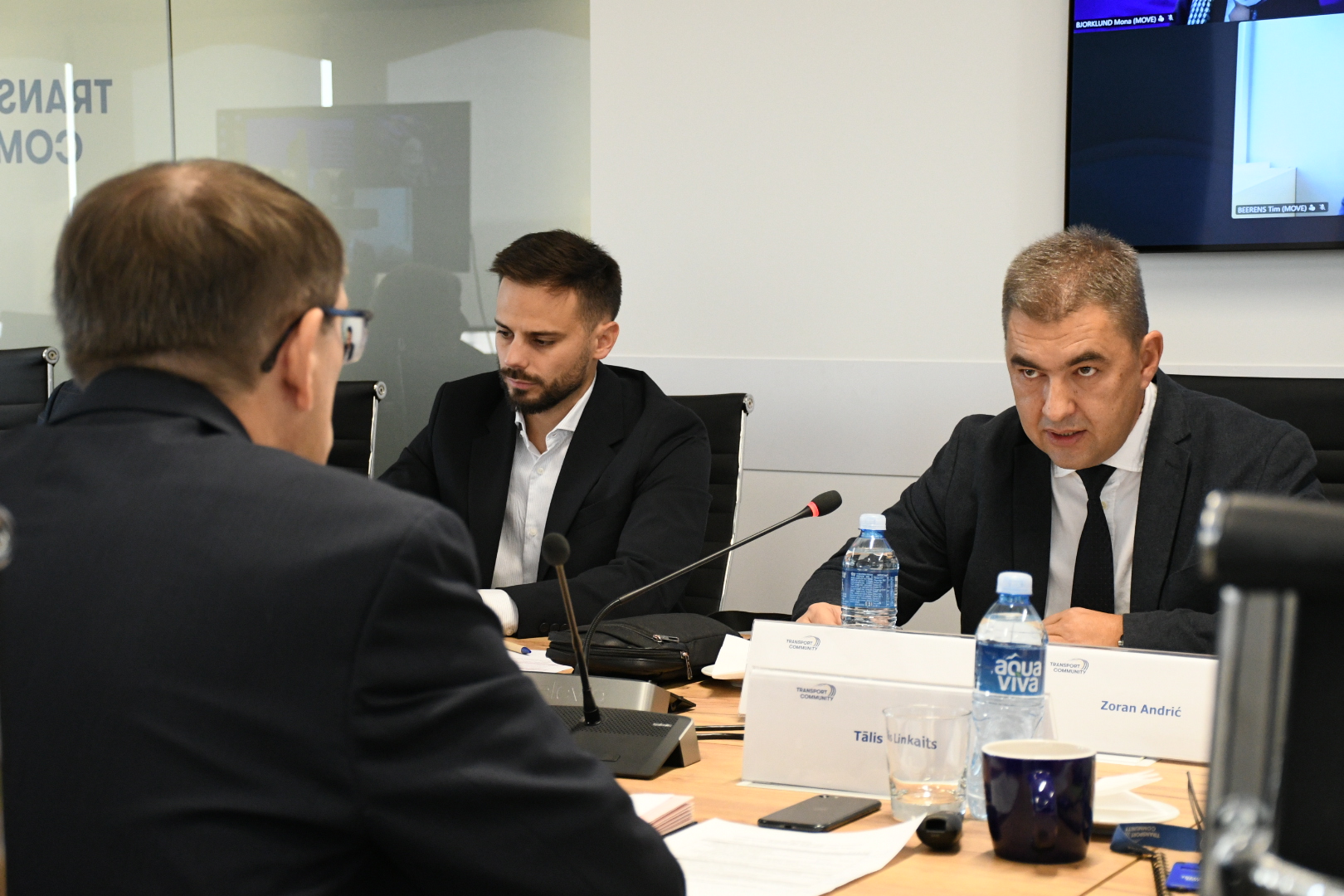
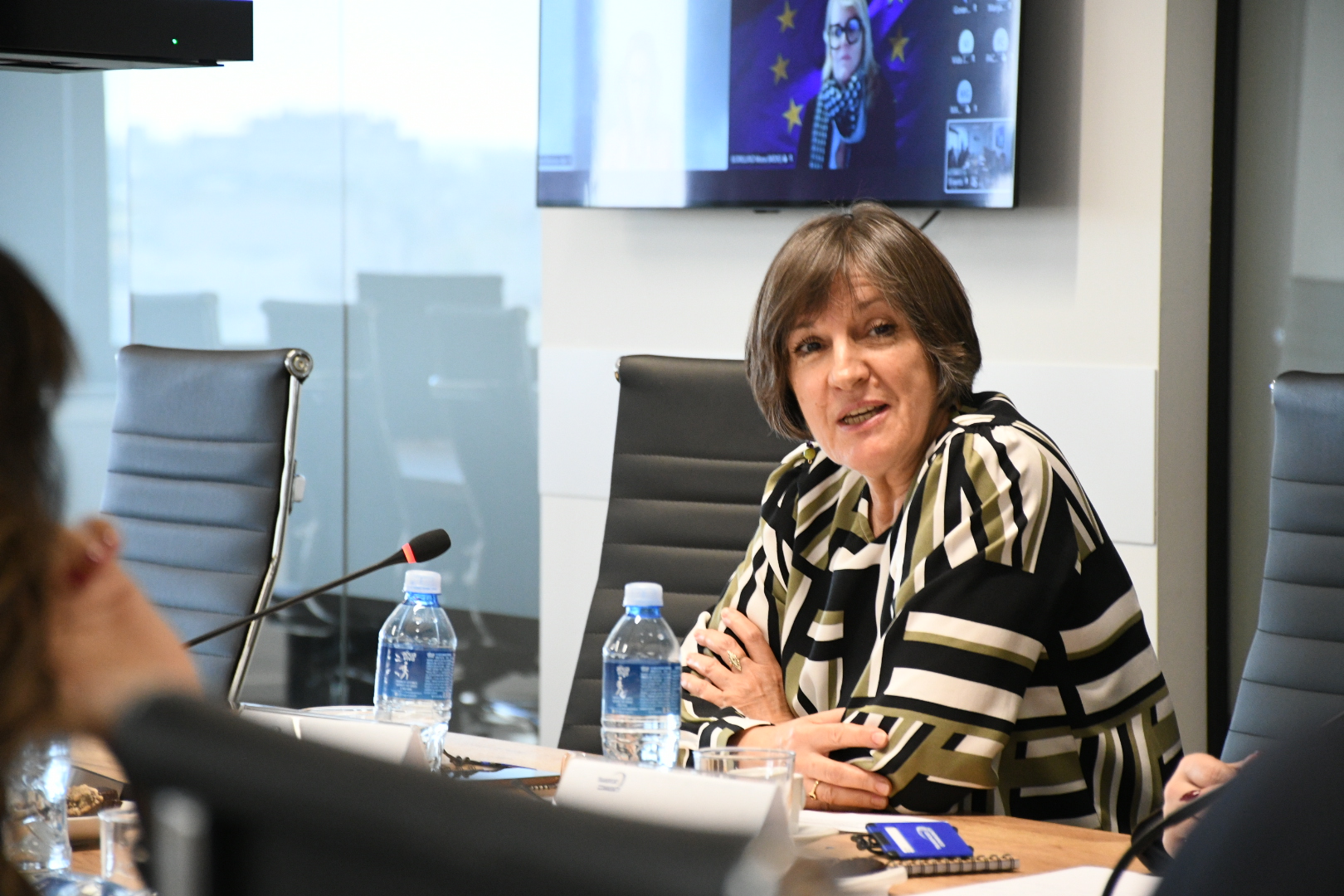
Opening the meeting, the first under the Presidency of Bosnia and Herzegovina over the Transport Community’s Regional Steering Committee, Mr Zoran Andrić, Committee’s Chairperson and Assistant Minister at the Ministry of Communications and Transport of Bosnia and Herzegovina underlined that Bosnia and Herzegovina is assuming the Presidency of the Regional Steering Committee for the second time, six years after its previous Presidency, at a moment when the Transport Community has established itself as a key platform for advancing transport cooperation and European integration across the region.
“Over this period, the Transport Community has delivered tangible and measurable results, contributing to safer, more efficient and better-connected transport systems throughout the Western Balkans. These achievements demonstrate the value of sustained cooperation, shared commitment and a common vision for the future of transport in our region. As the Presidency, I reaffirm our commitment to fostering constructive dialogue, advancing transport reforms and strengthening regional connectivity in line with European Union standards. Partnership with the European Union remains a cornerstone of the Transport Community’s success and is essential for delivering sustainable transport development, supporting economic growth and bringing the Western Balkans closer to the EU transport market,” Mr Andrić pointed out.
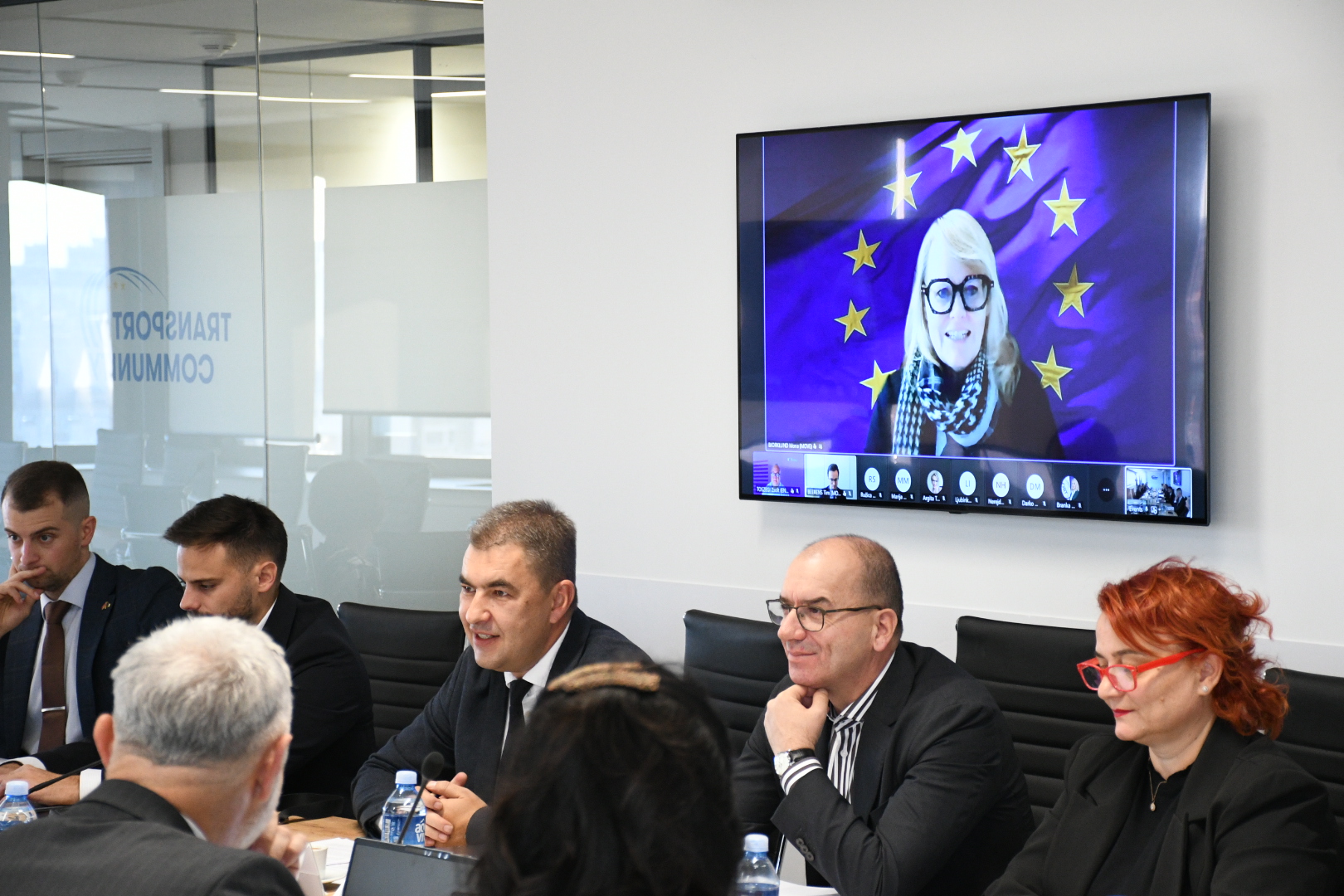
Committee Co-Chair and Director for Policy Coordination in the Directorate-General for Mobility and Transport of the European Commission, Ms Mona Bjorklund, referred to the acquis progress reports presented today and welcomed the significant progress achieved by several Regional Partners in the transport area. At the same time, she warned of a growing gap between the frontrunners and the rest of the region, and urged all Regional Partners to seize the current enlargement momentum, stressing that the benefits of closer EU integration can be realised step by step through alignment with the EU acquis.
Mr Tālis Linkaits, Director of the Permanent Secretariat of the Transport Community, pointed out that people and businesses should feel the benefits of transport reforms through more reliable connections, safer journeys and shorter waiting times at borders. “Our priority is to help our partners turn shared commitments into these everyday improvements. Working closely with Bosnia and Herzegovina’s Presidency, the European Union and all our regional partners and observers, we will continue to support solutions that bring the Western Balkans, Moldova and Ukraine closer to the EU transport network,” he pointed out.
The Regional Steering Committee, the operational decision-making body of the Transport Community, reviewed the 2026 Progress Report on the implementation of the Transport Community Action Plans and the alignment of Western Balkan transport legislation with EU rules. The discussions focused on reforms that help improve transport services, strengthen safety and bring the region closer to the EU transport network.
Members received updates on support for cleaner public transport, infrastructure for alternative fuels and a regional register of road transport companies. These initiatives aim to help authorities plan improvements and strengthen cooperation across the region.
Making border crossings more efficient was another key topic. Discussions covered the Green Lanes roadmap and the Safe and Sustainable Transport Programme, which support efforts to reduce waiting times and improve transport connections. Members also considered challenges linked to Schengen border rules and crossing procedures affecting the Western Balkan transport sector.
The Committee reviewed the results of technical assistance and training delivered for the Transport Community’s observing participants, Georgia, the Republic of Moldova and Ukraine, supporting their efforts to strengthen expertise and advance transport reforms.
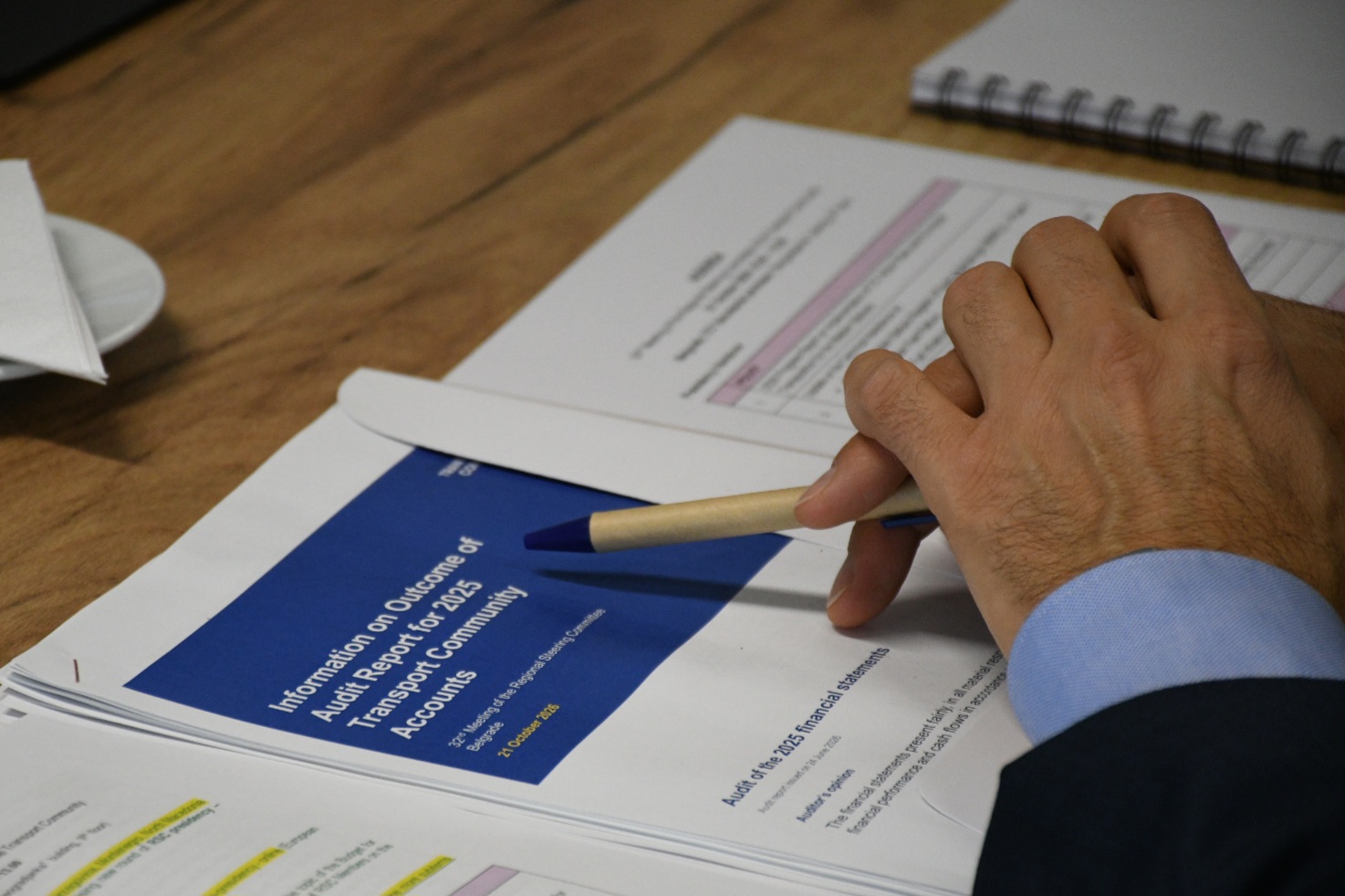
Members also discussed the draft Annual Work Programme and held an initial discussion on the Transport Community’s budget for 2027. They also reviewed progress under the 2026 work programme, received information on the audit of the 2025 accounts and discussed preparations for the Ministerial Council meeting in Sarajevo in December.