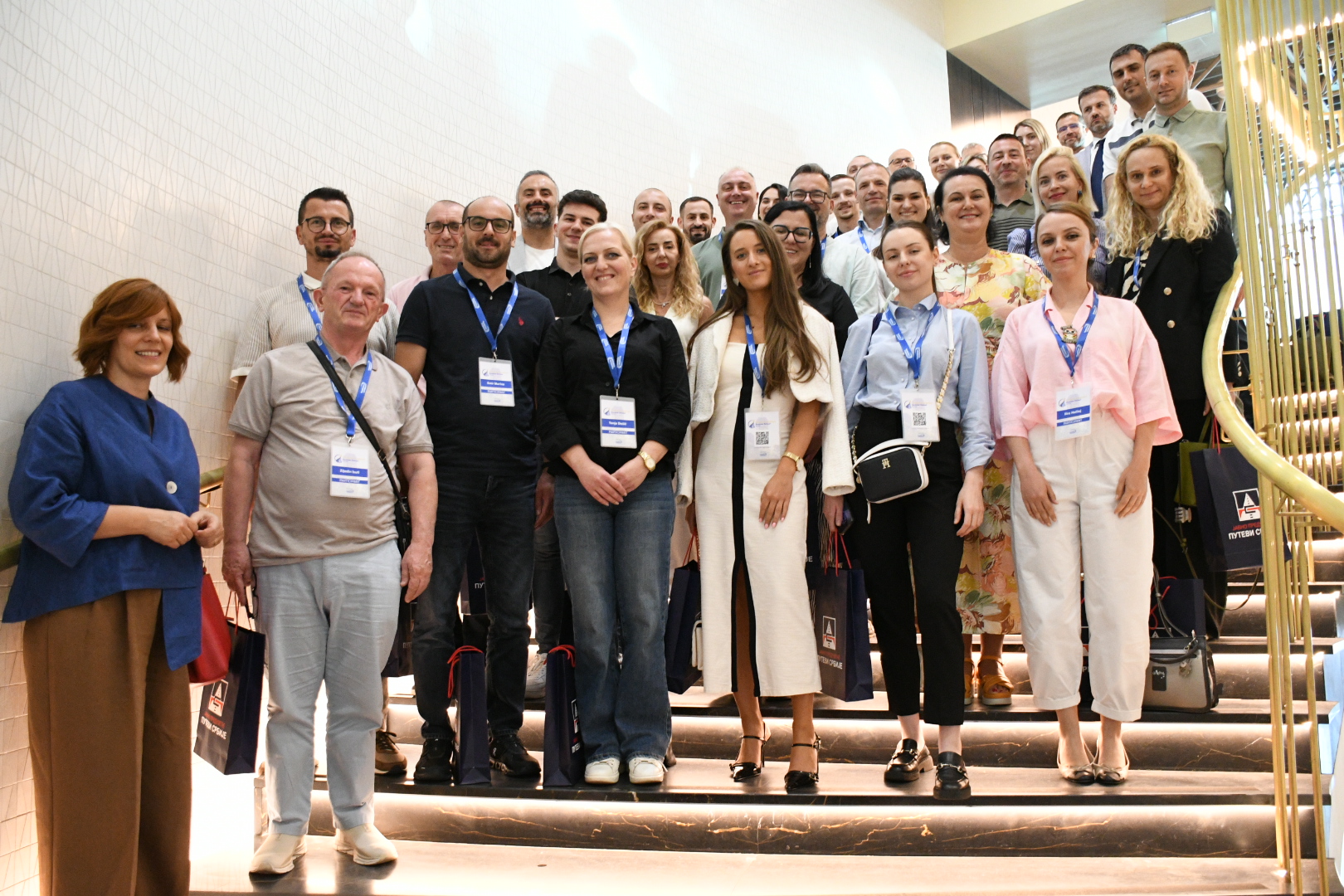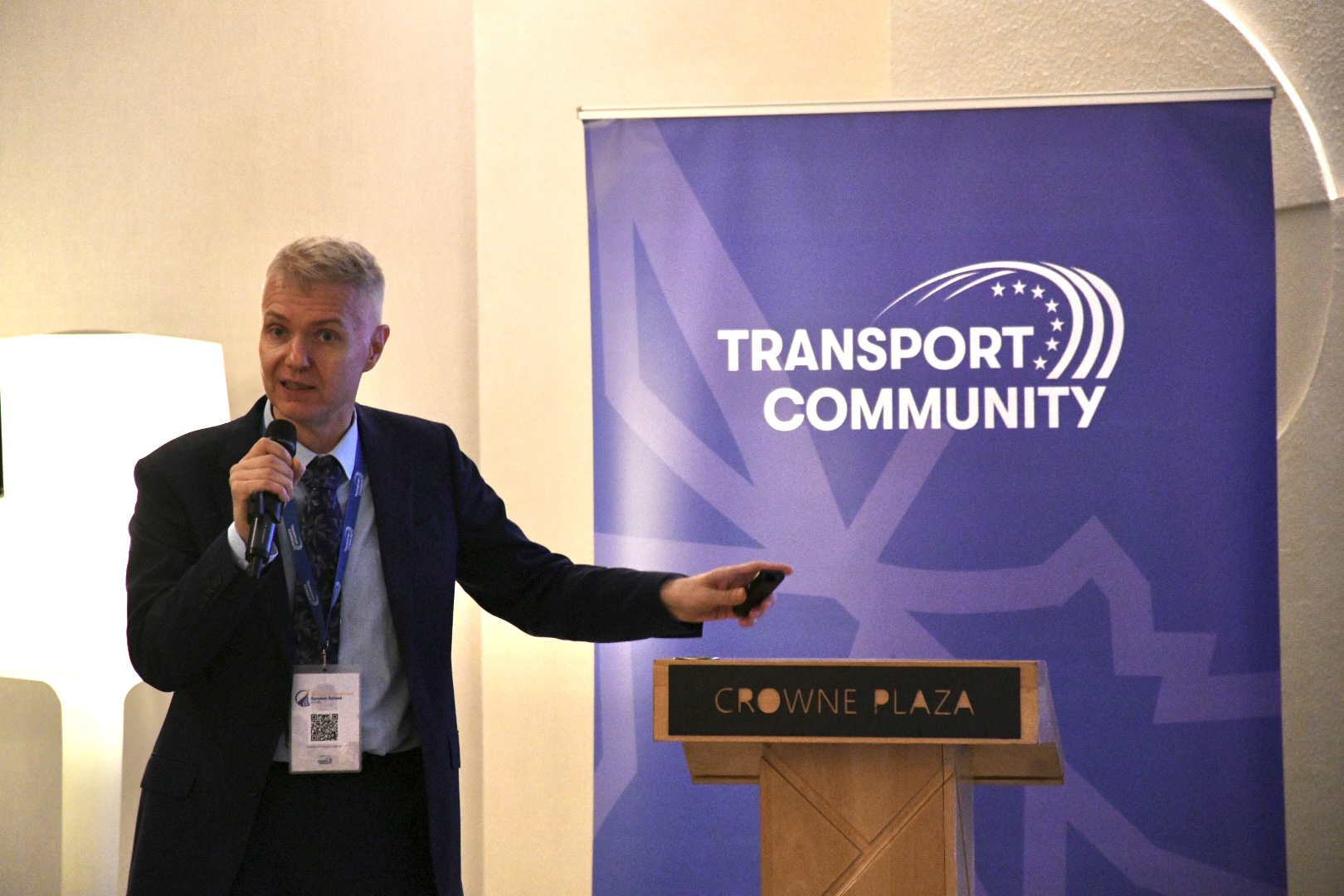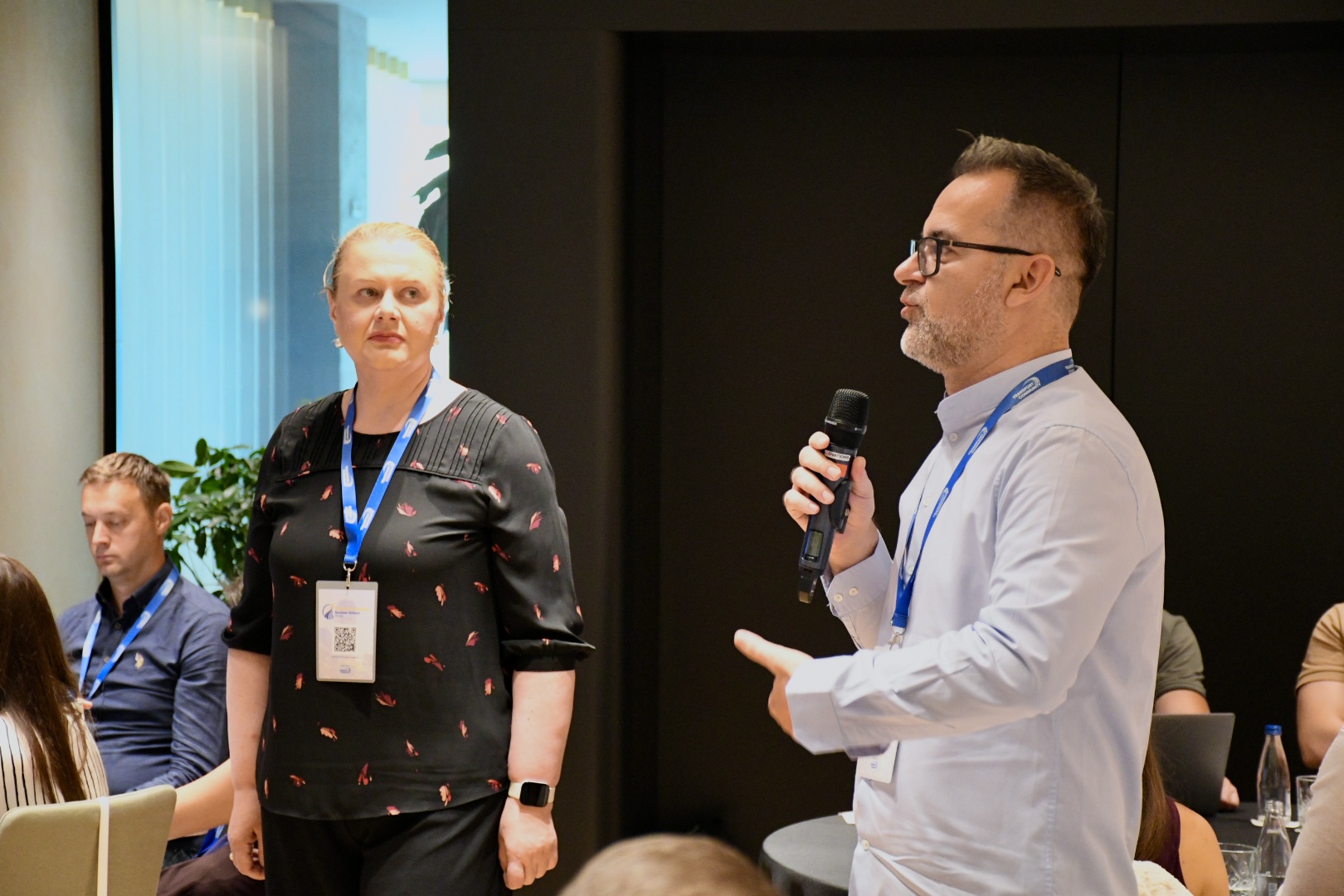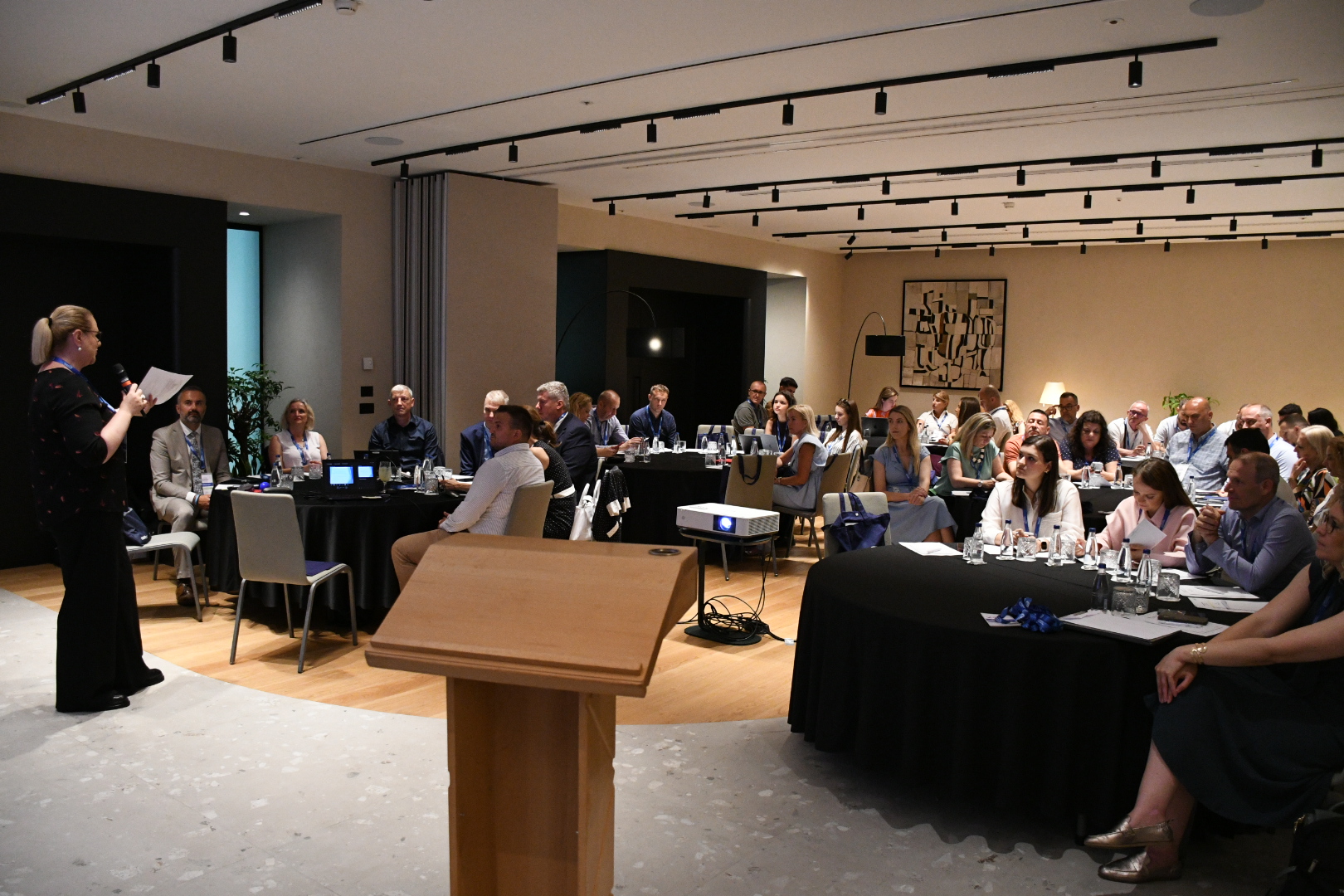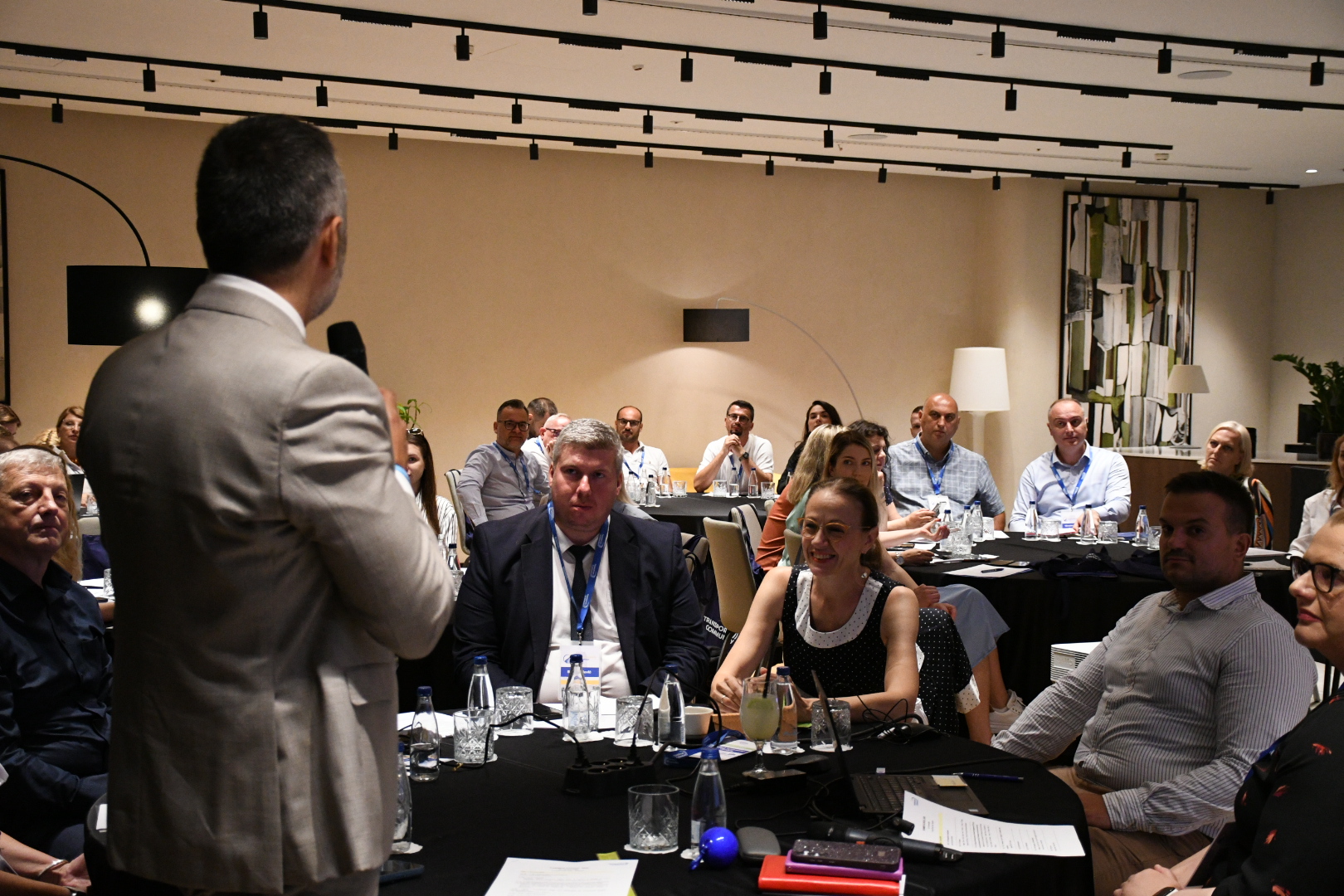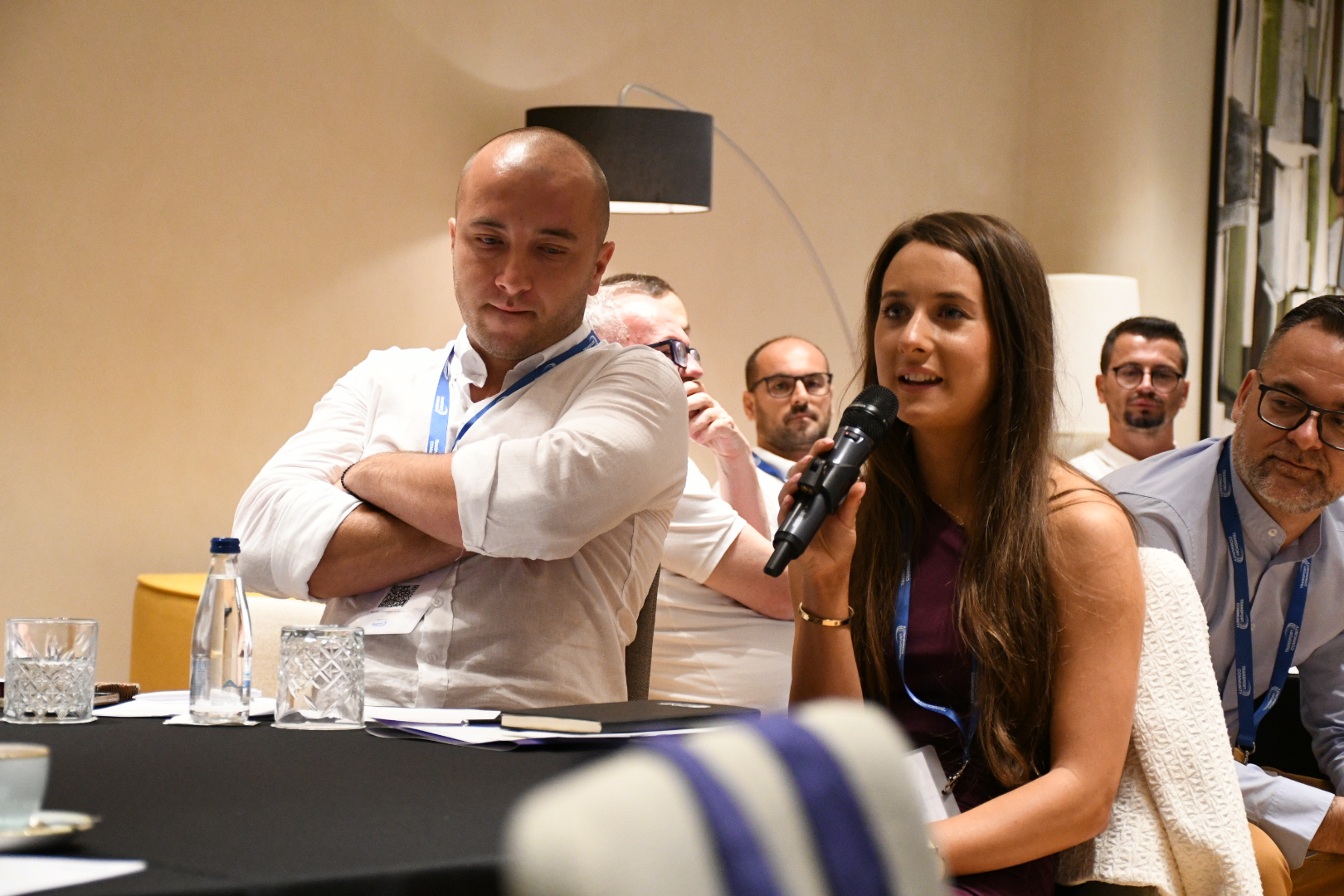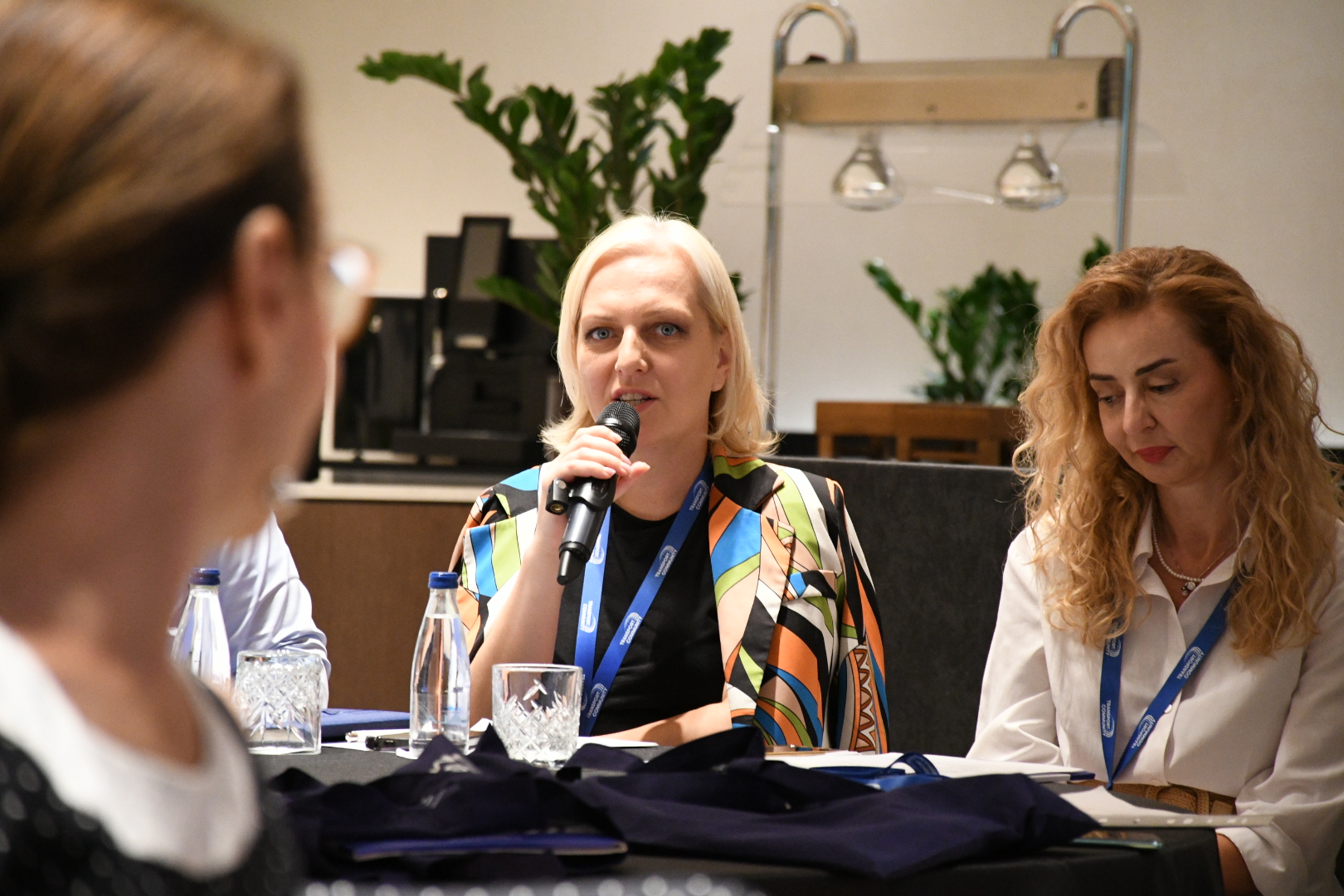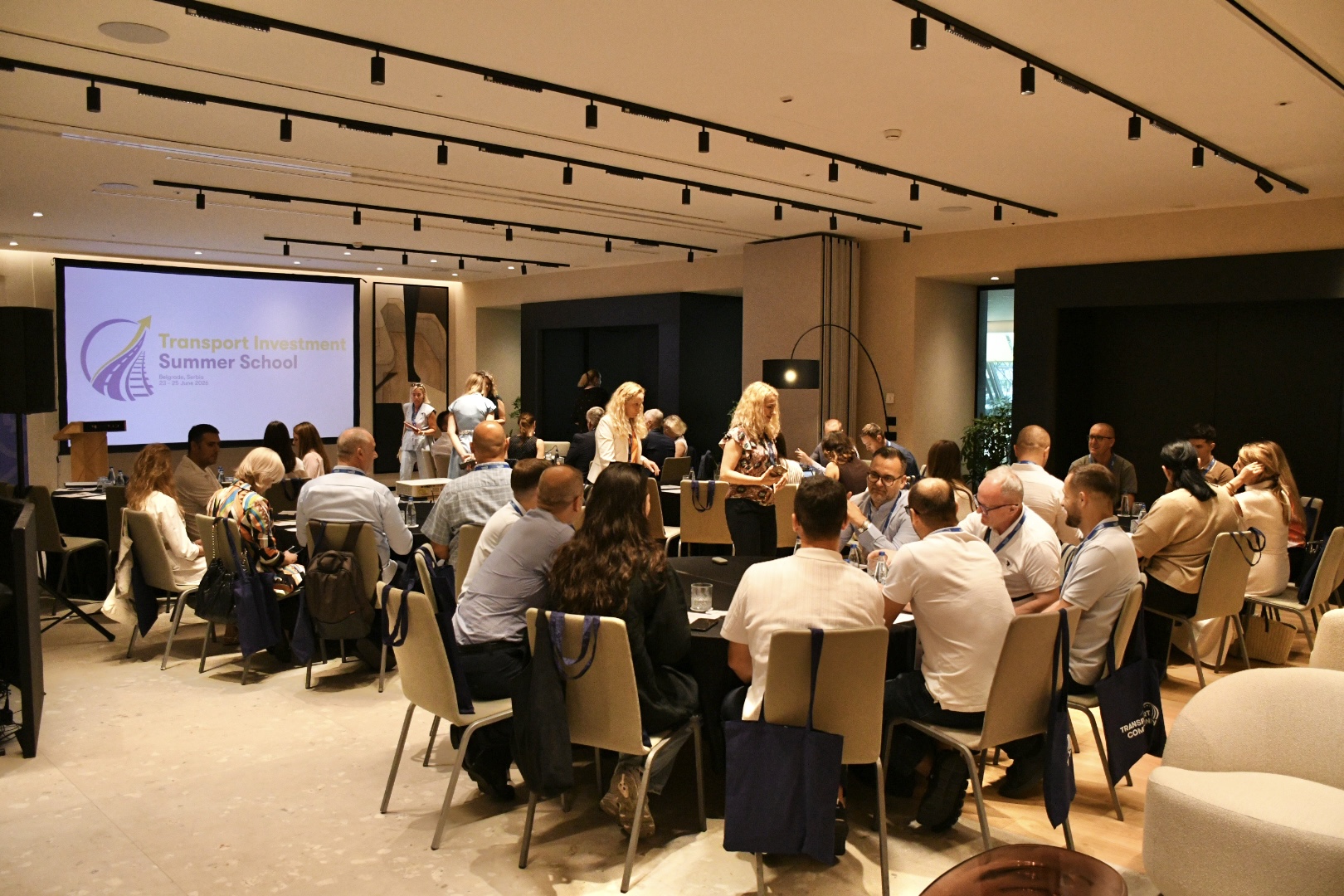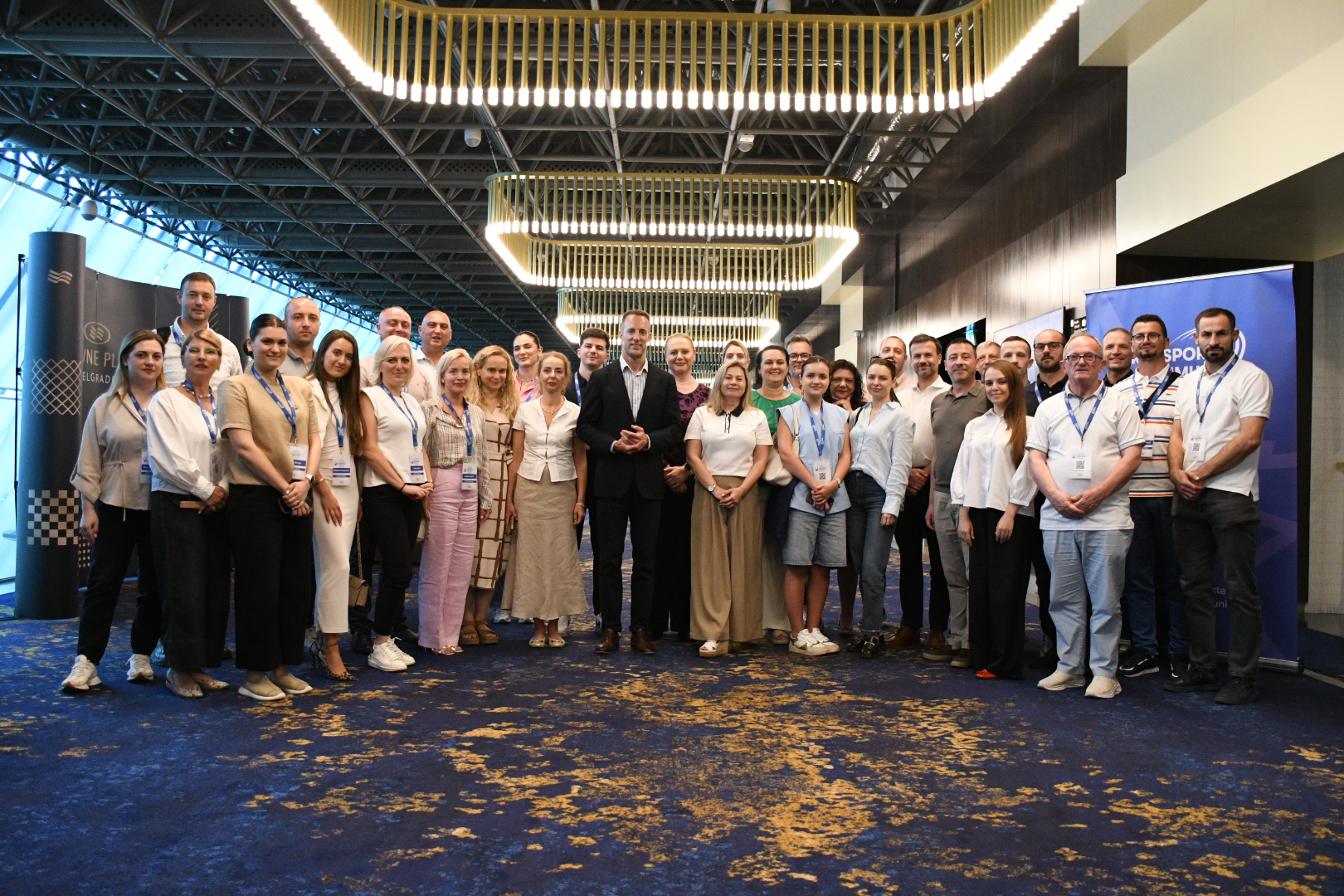
BELGRADE – The Transport Community Summer School 2026 concluded today in Belgrade, after three days of hands-on discussions on how to prepare, finance and deliver better transport projects across the Western Balkans and the Republic of Moldova .
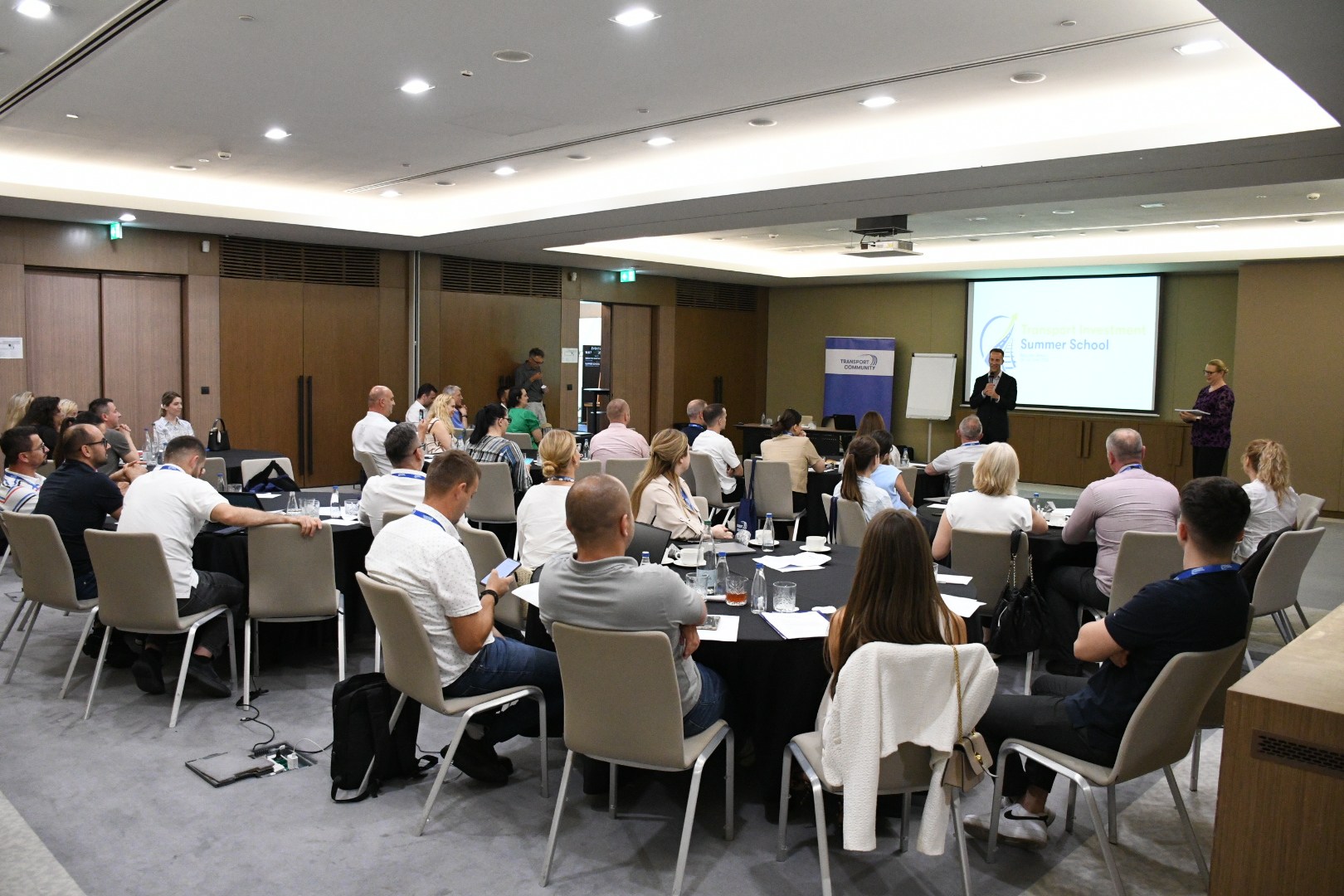
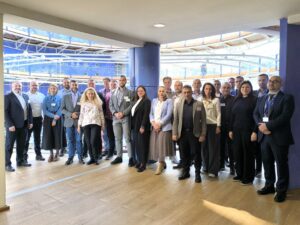
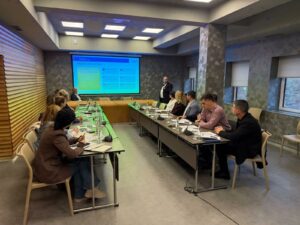
Held from 23 to 25 June 2026 in Belgrade, the Summer School brought together transport professionals, public institutions, financial institutions and experts to exchange knowledge on investment in the rail and road sectors.
Opening the event, Ms Tatjana Jovanović Štiglić, Head of Division in charge of Project Preparation and Financing at the Permanent Secretariat of the Transport Community, underlined the importance of turning transport priorities into projects that can be delivered on the ground.
“The Summer School aims to advance understanding of how the preparation, implementation and monitoring of railway and road projects can be improved and serve as a catalyst for transforming transport systems across the region and boosting overall economic growth,” she said.
The programme covered the full life cycle of transport investments, from planning and access to funding to project preparation, cost-benefit analysis, implementation, contract management and dispute prevention.
The first day focused on the management of EU funds and practical experience with EU-supported projects. Participants heard from Mr Bojan Vujović from the Ministry of European Affairs of Montenegro, representatives of EBRD, EIB and JASPERS, and Ms Irena Čačić from Hrvatske ceste, who presented a case study of a project funded through the Connecting Europe Facility.
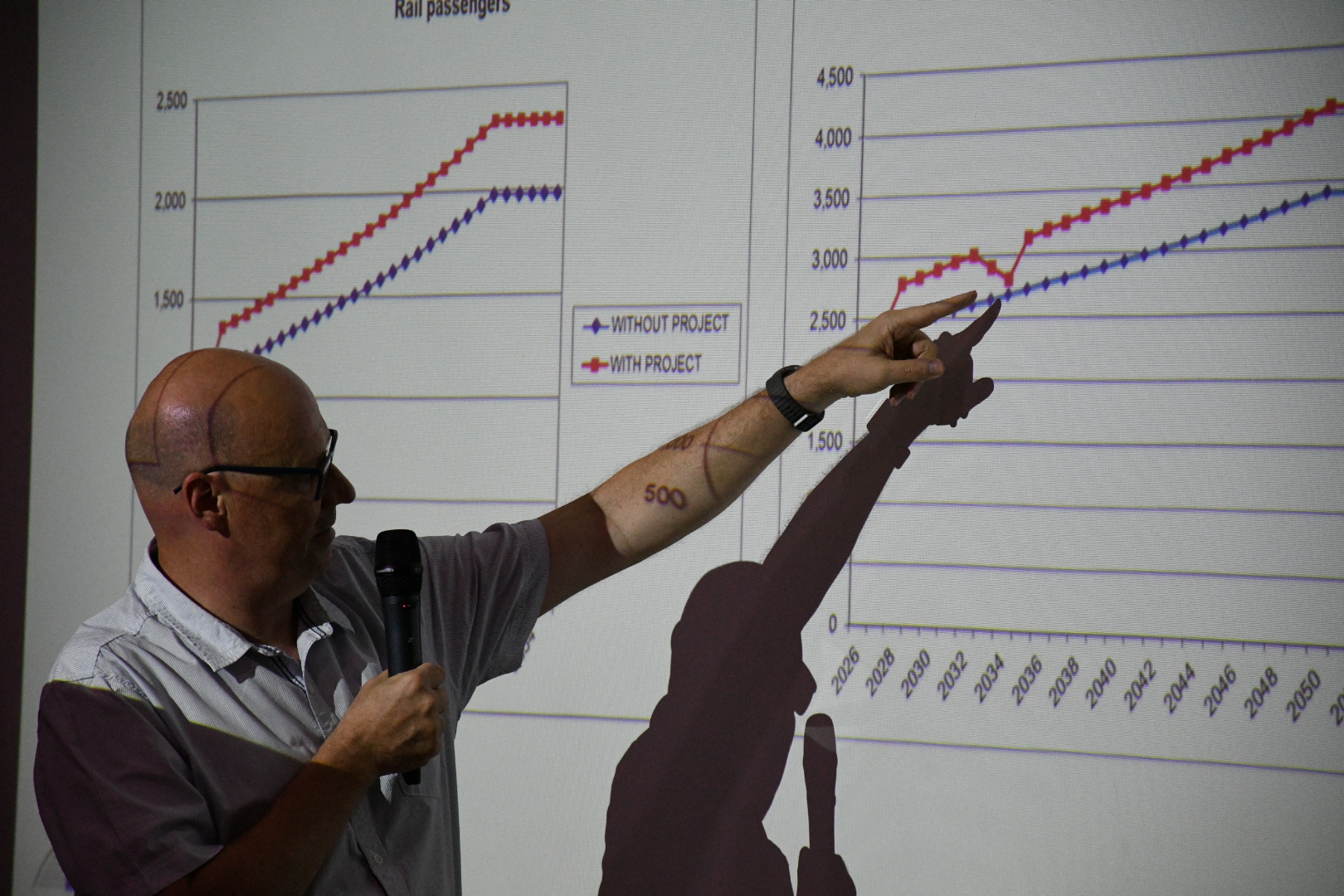
The second day was dedicated to cost-benefit analysis, helping participants better understand how to assess whether a transport project brings value for money and long-term benefits for people, businesses and communities. JASPERS experts led practical sessions using examples from road and rail projects.
The final day focused on FIDIC contracts, risk management, project changes, claims and dispute prevention. The sessions were led by Mr Zoltán Záhonyi, international certified FIDIC trainer, who guided participants through practical tools for managing complex infrastructure projects more effectively.
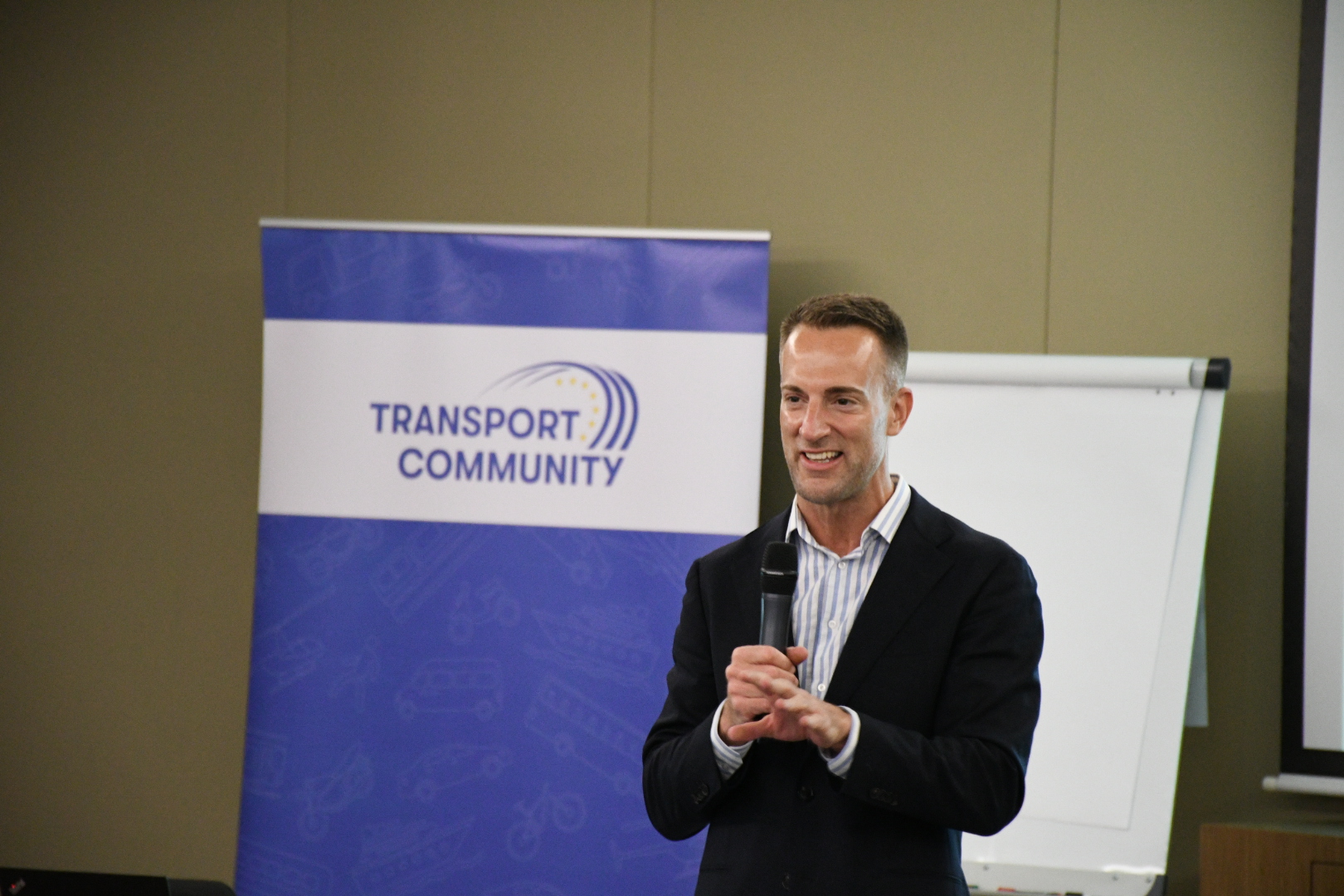
Closing the Summer School, Mr Matej Zakonjšek, Director of the Permanent Secretariat of the Transport Community, stressed that transport connectivity depends on cooperation, trust and shared commitment.
“Transport means connectivity, but connectivity is the result of open discussion, cooperation and coordination of activities at all levels and among all stakeholders, strong will, dedication and trust,” Mr Zakonjšek said.
The Summer School confirmed the importance of investing not only in infrastructure, but also in people, knowledge and institutions. Better-prepared projects mean stronger chances to attract funding, avoid delays and deliver safer, more reliable and better-connected transport systems.