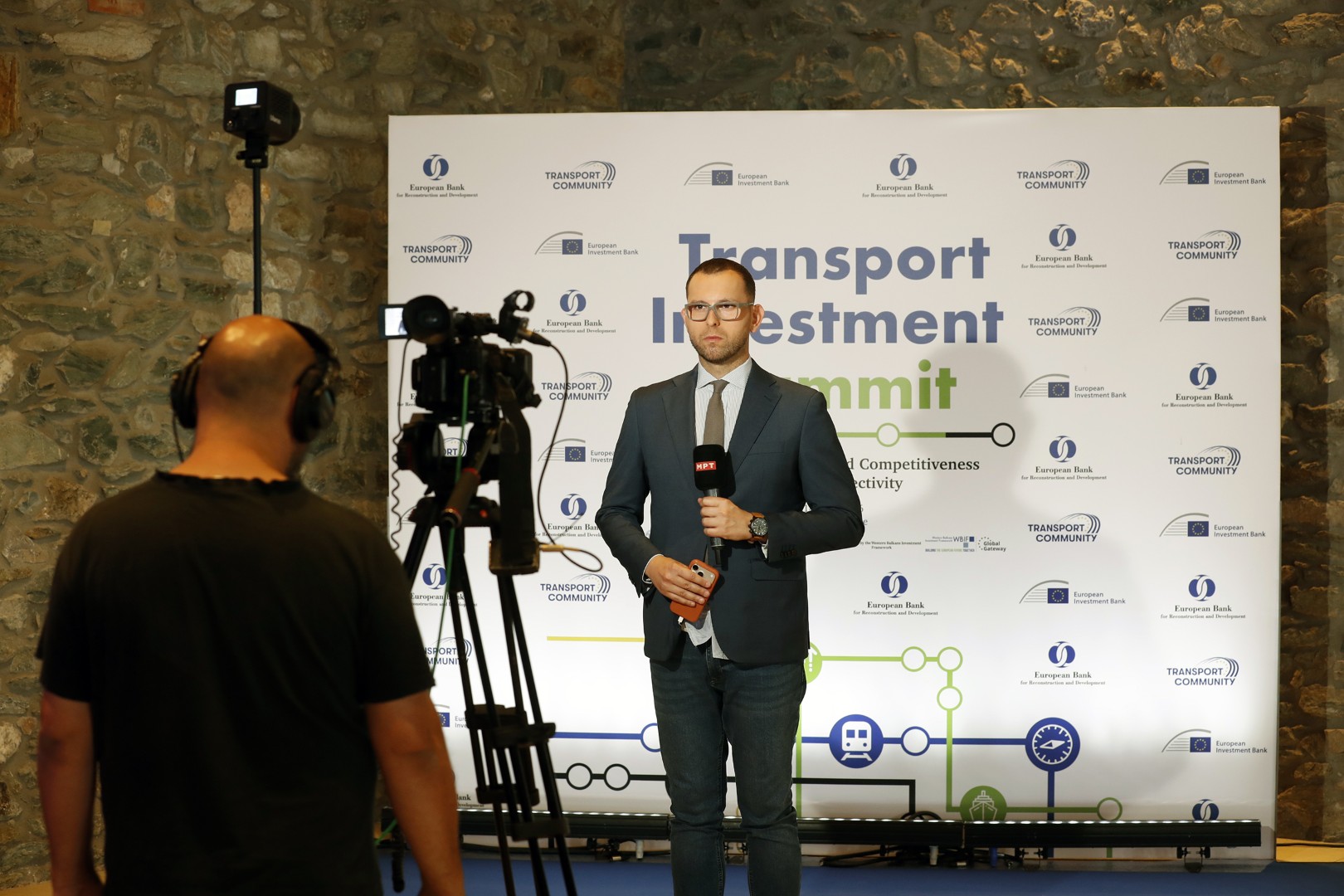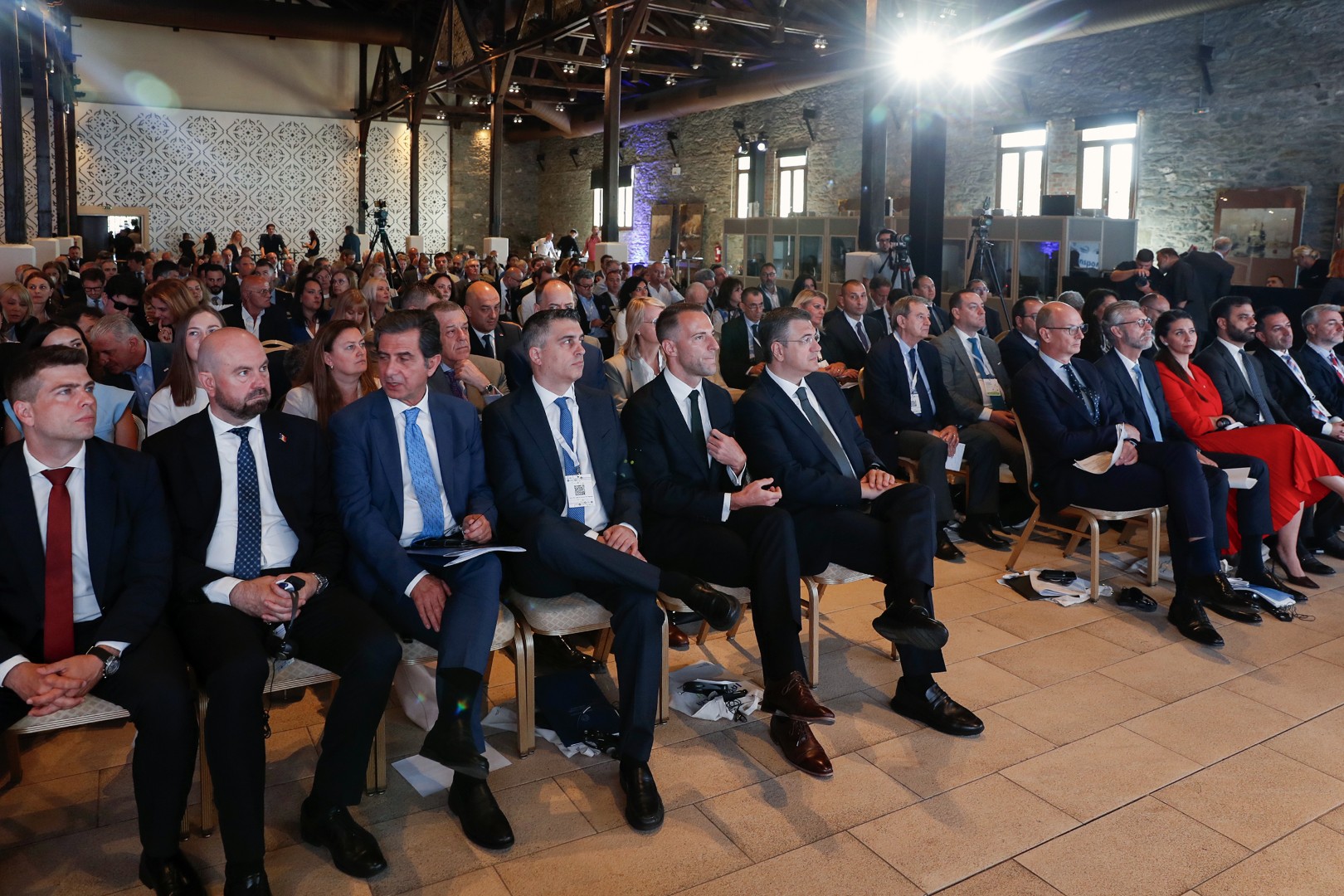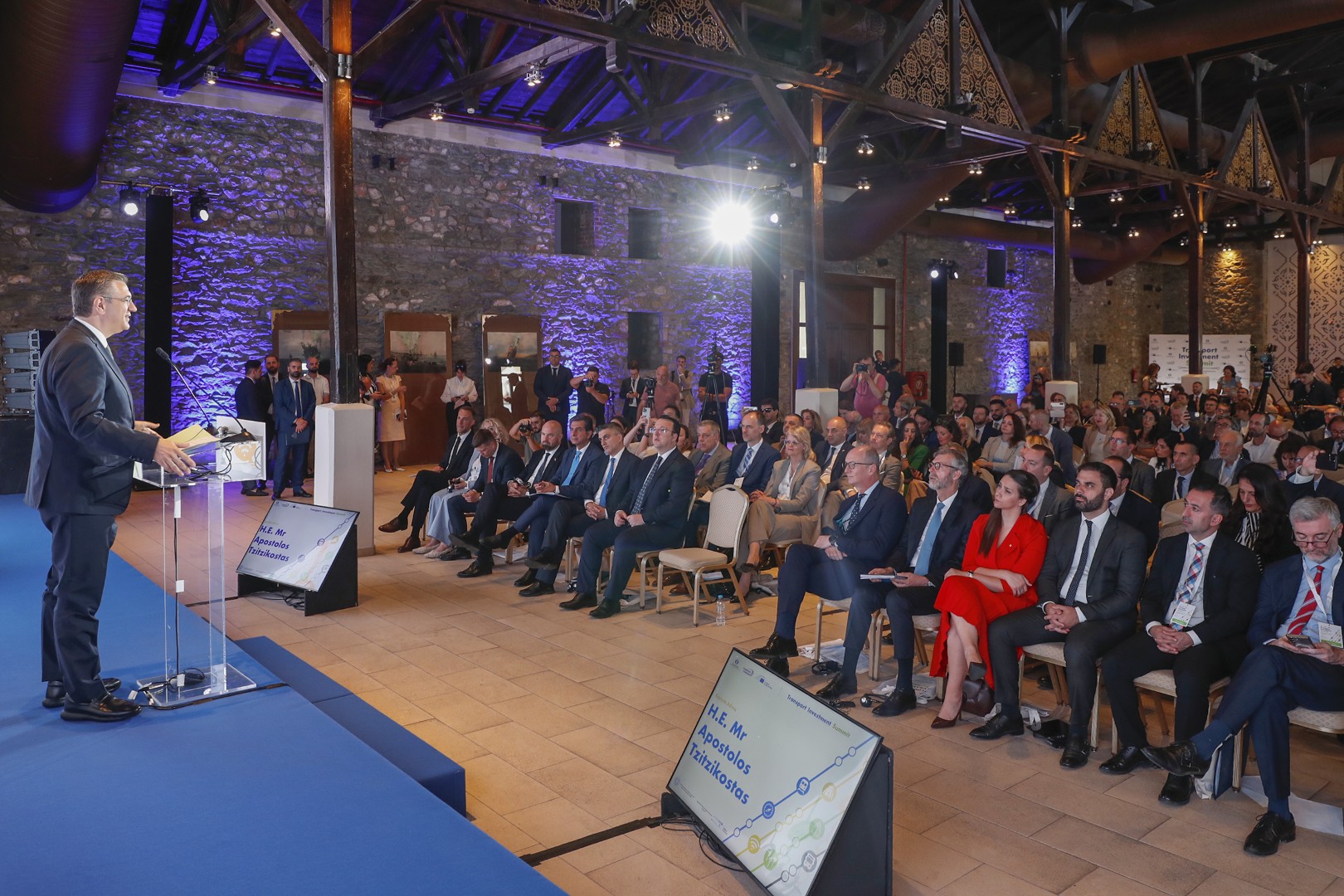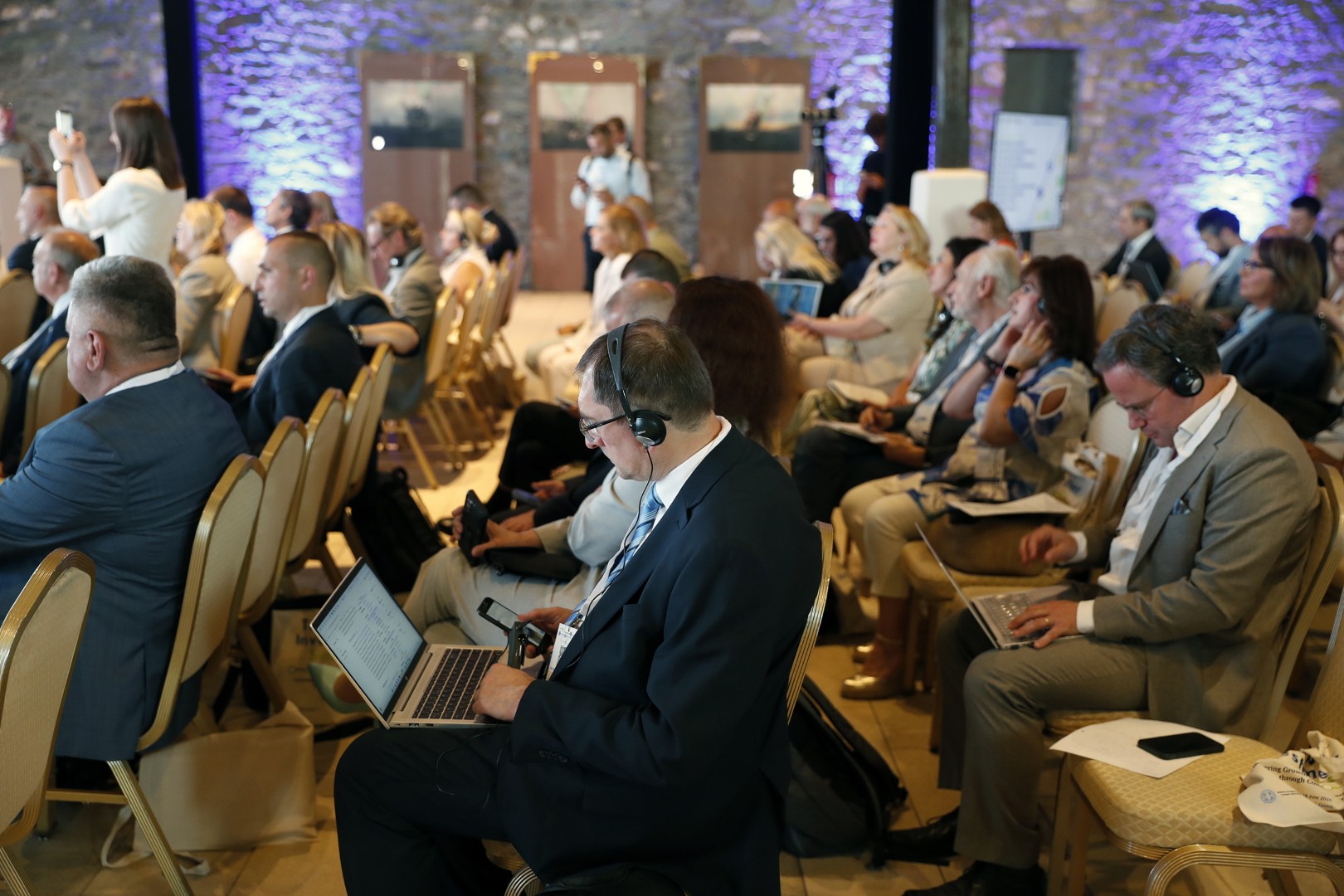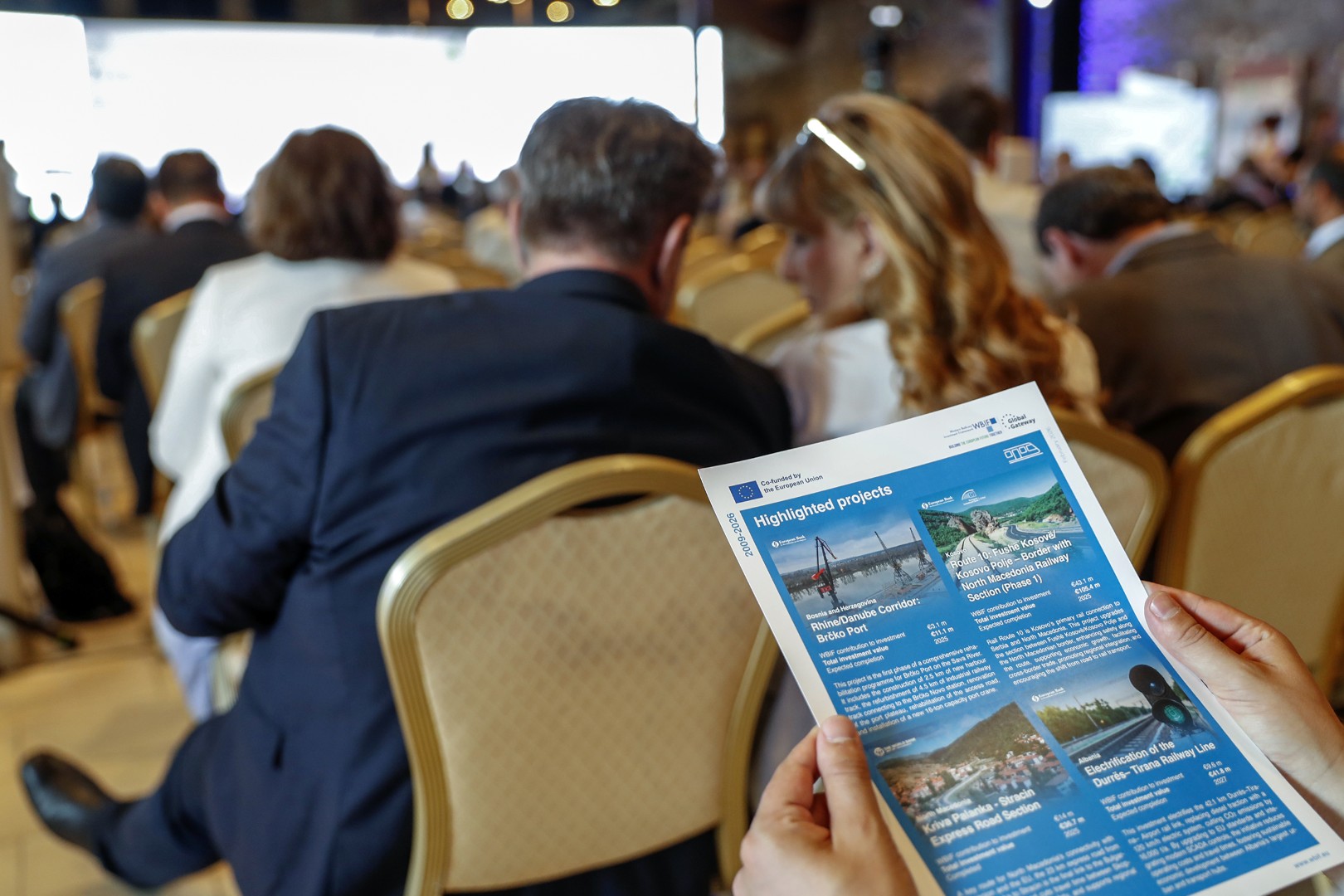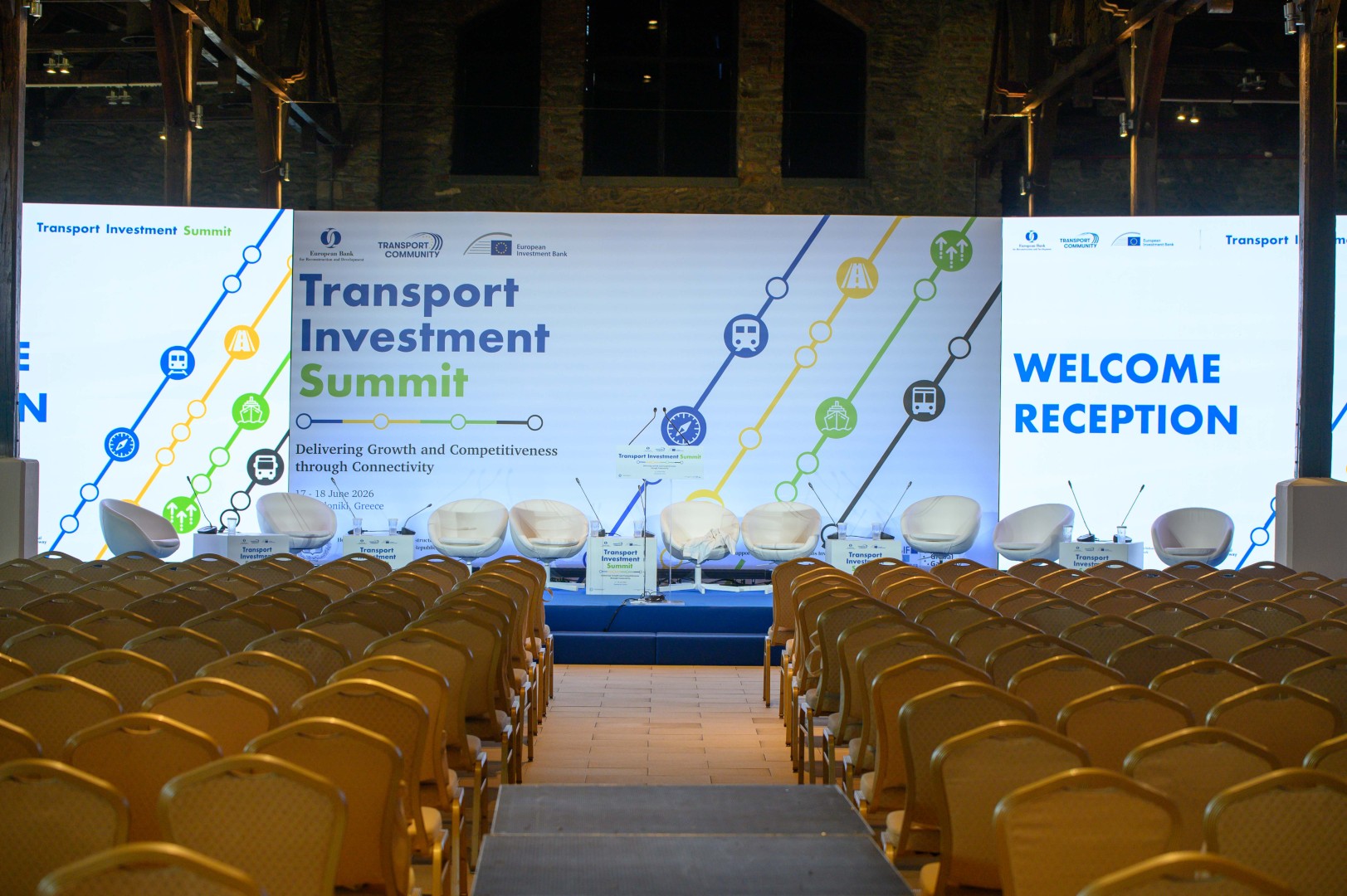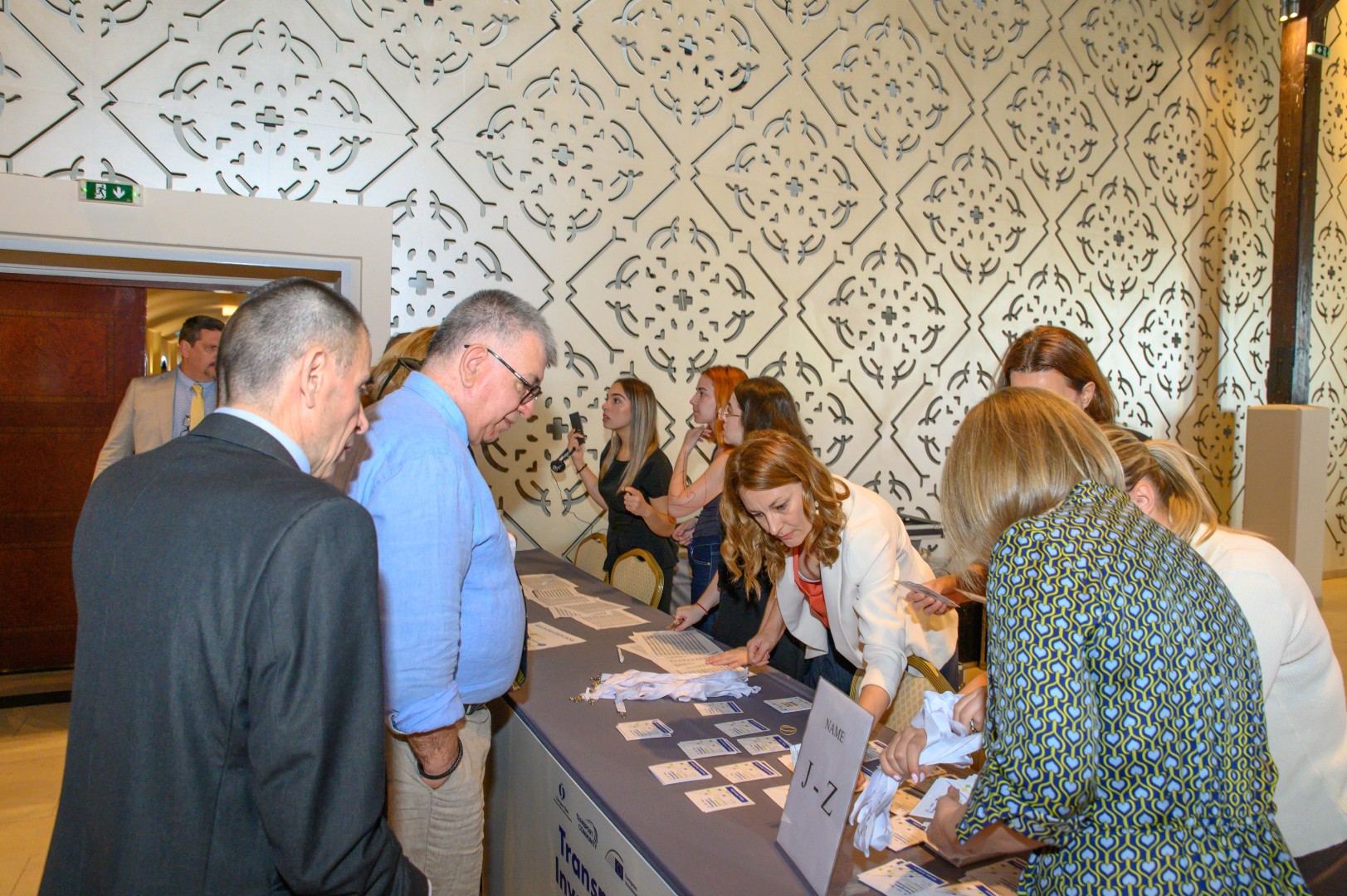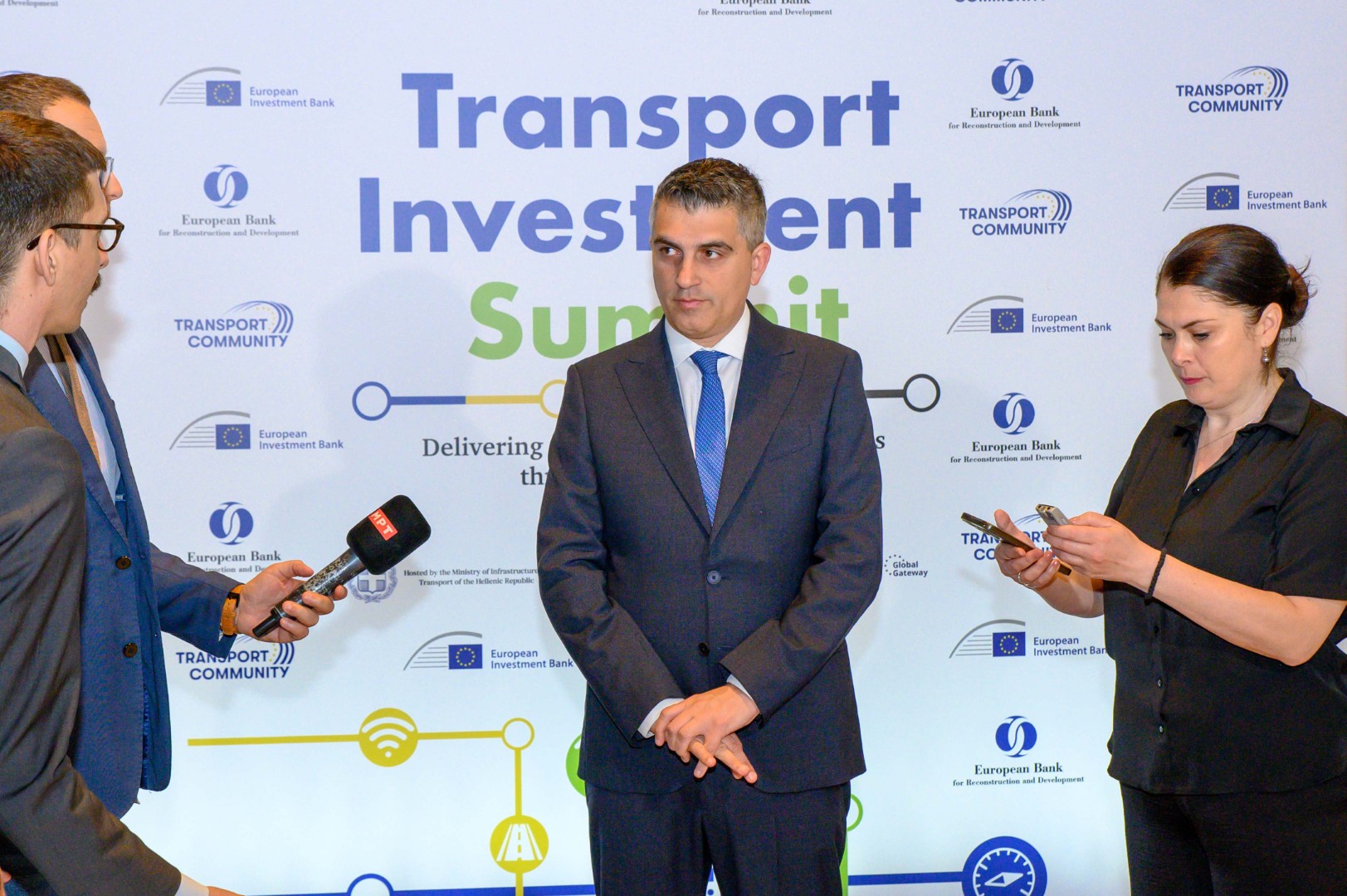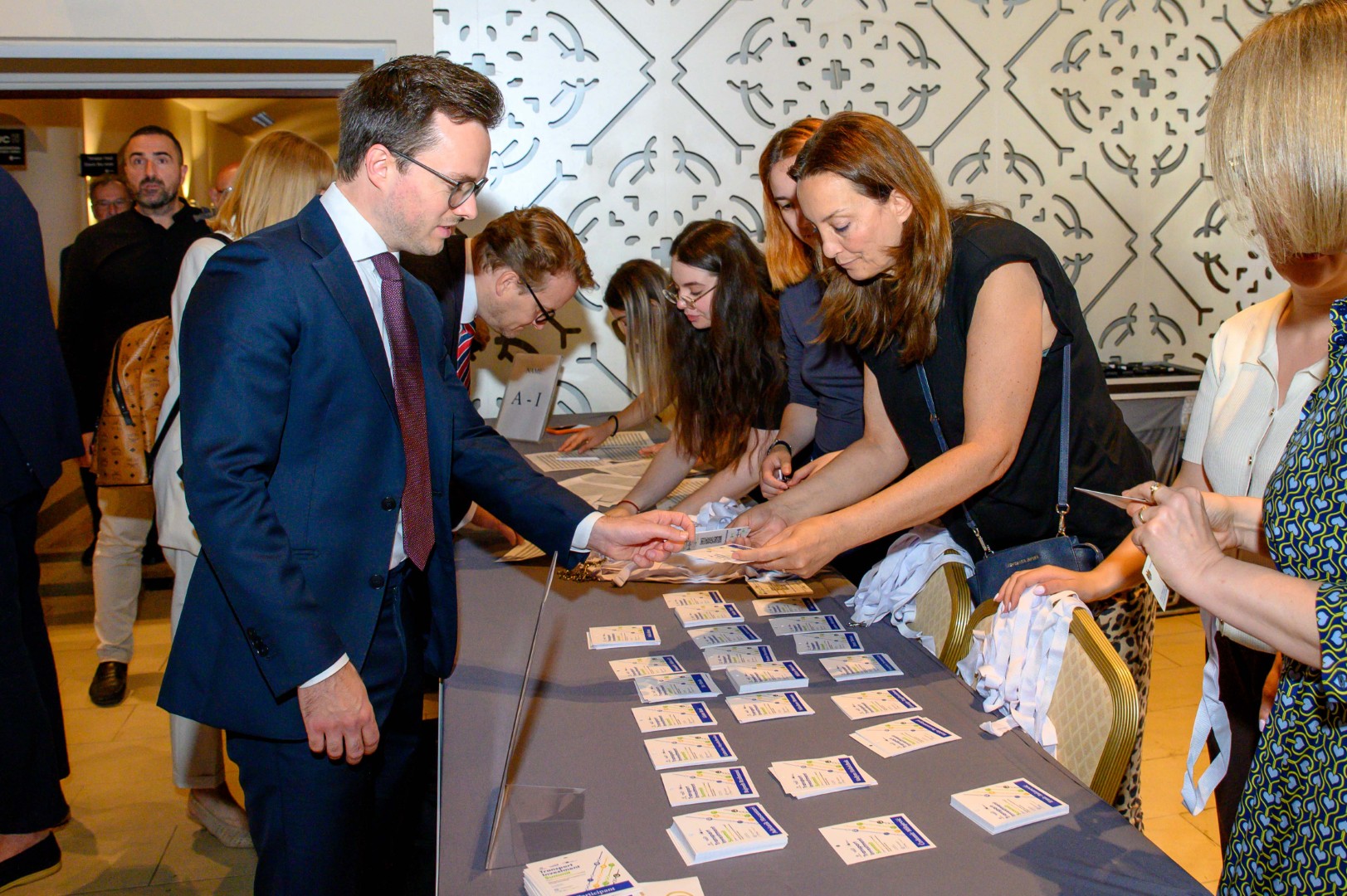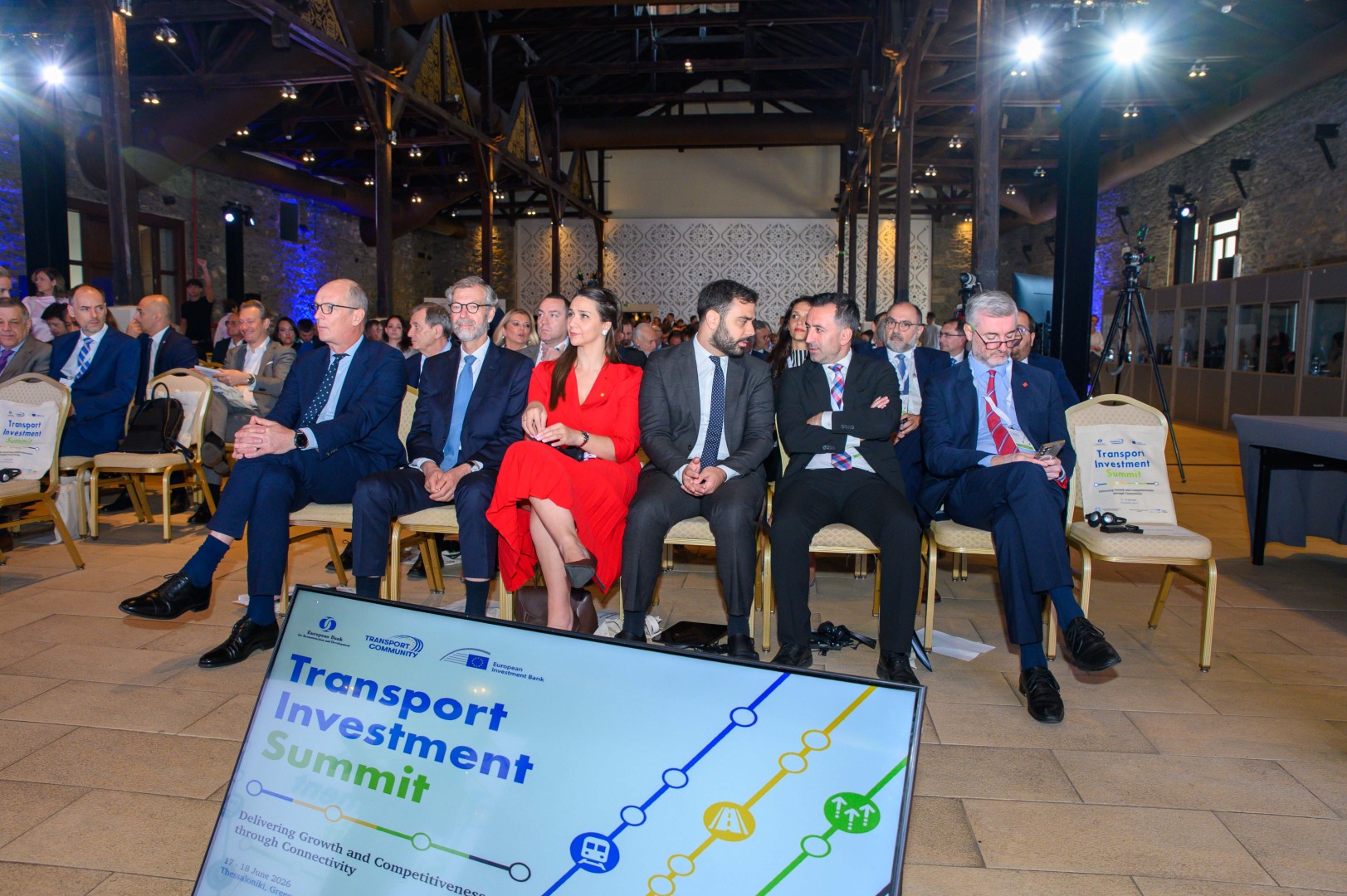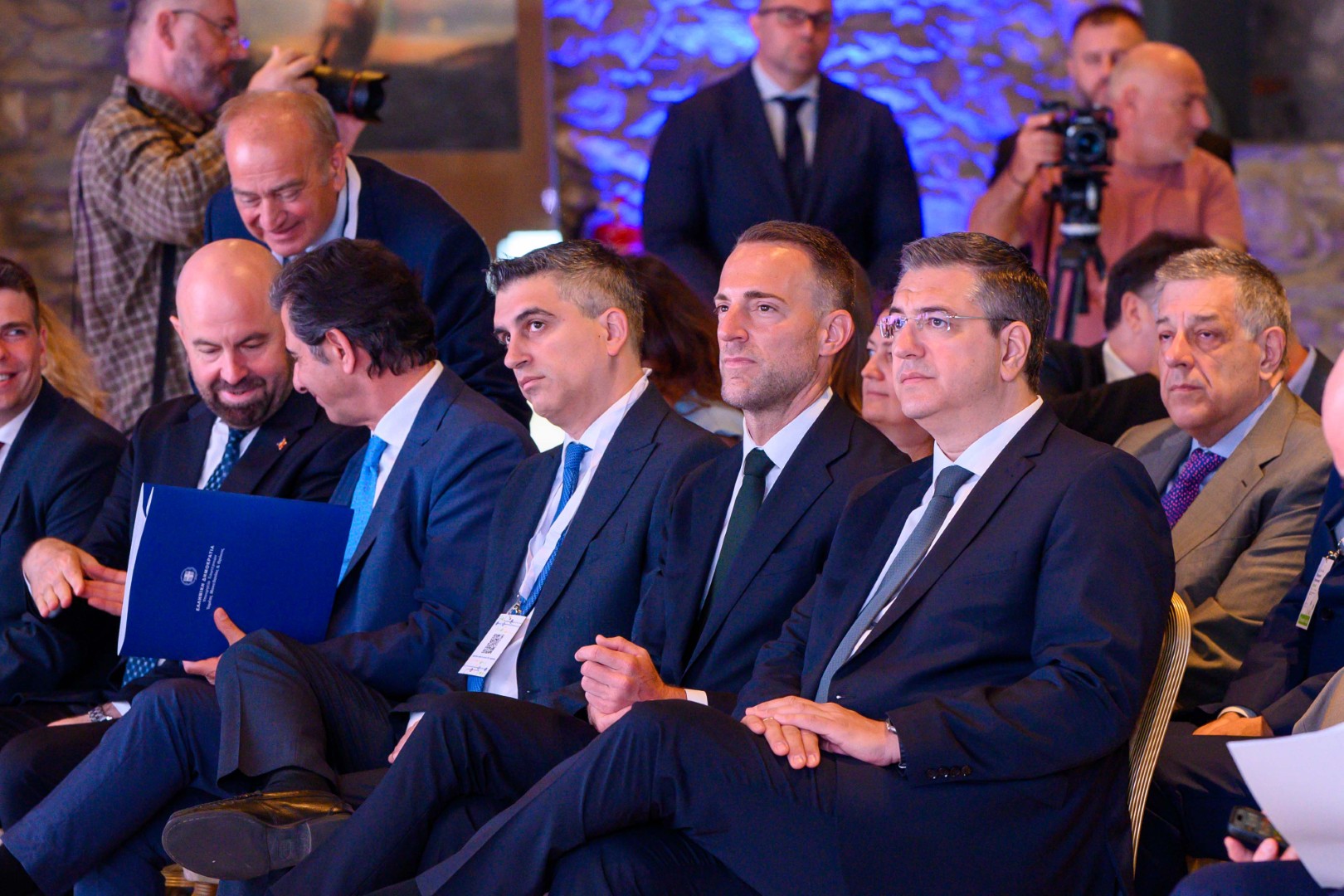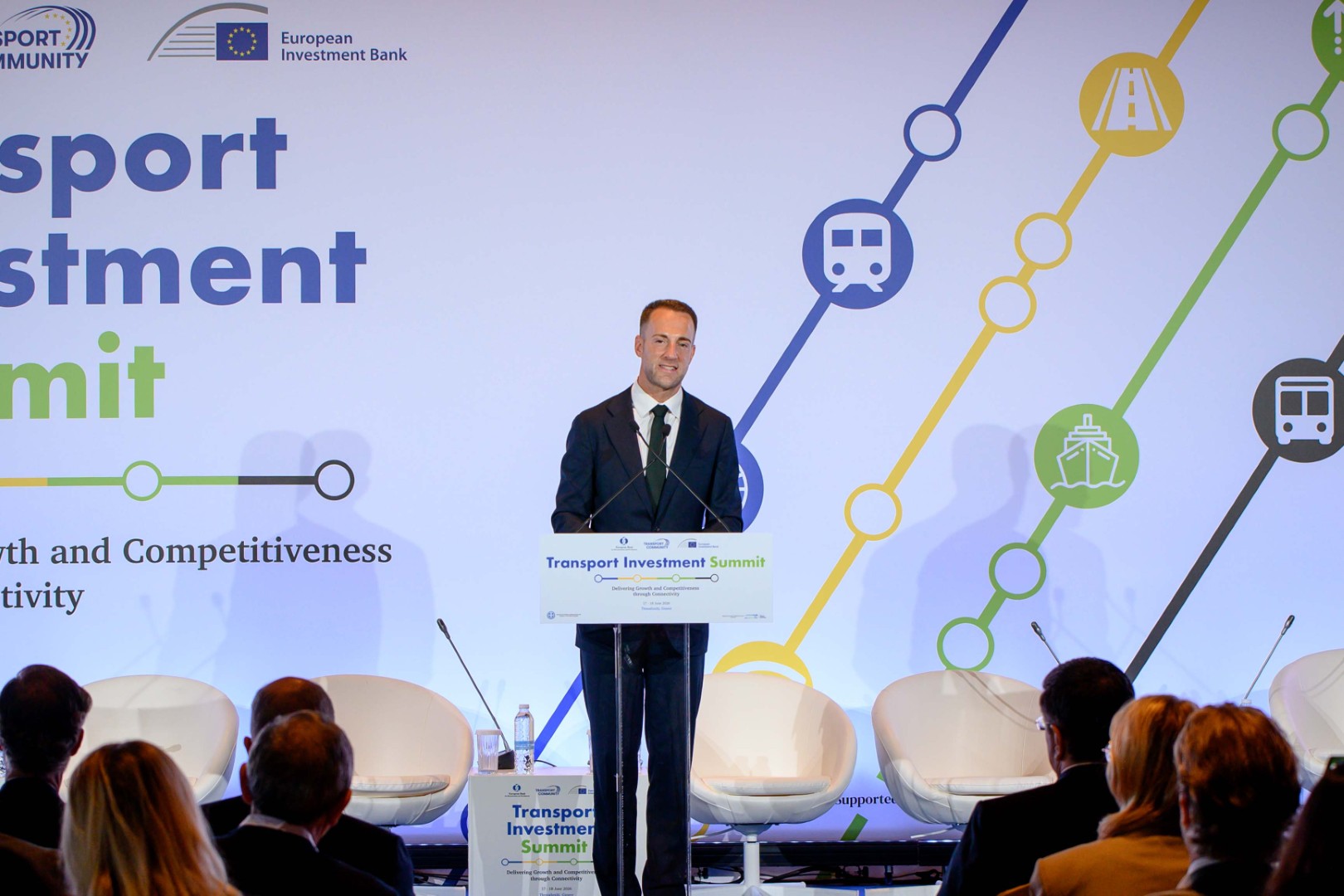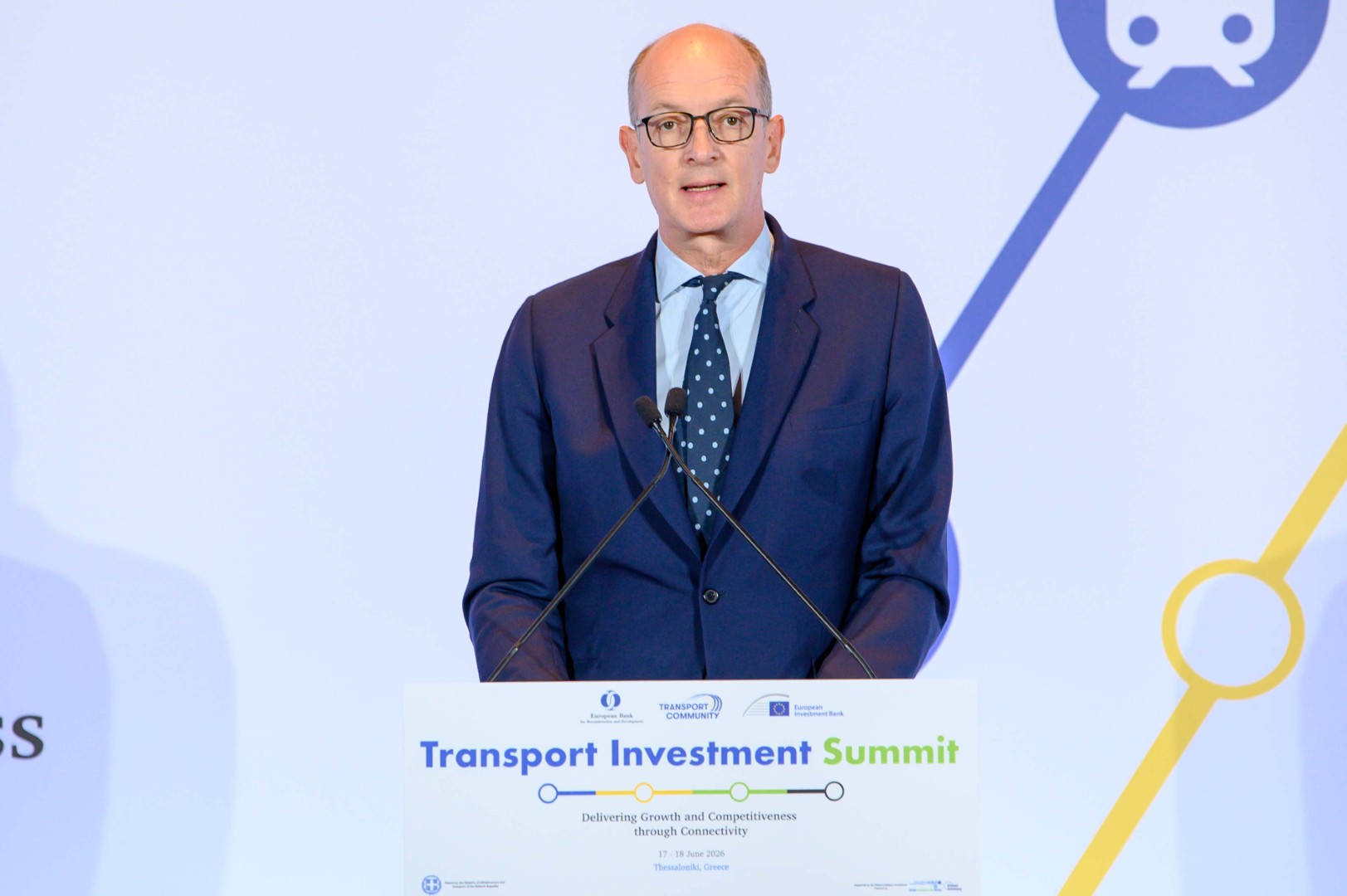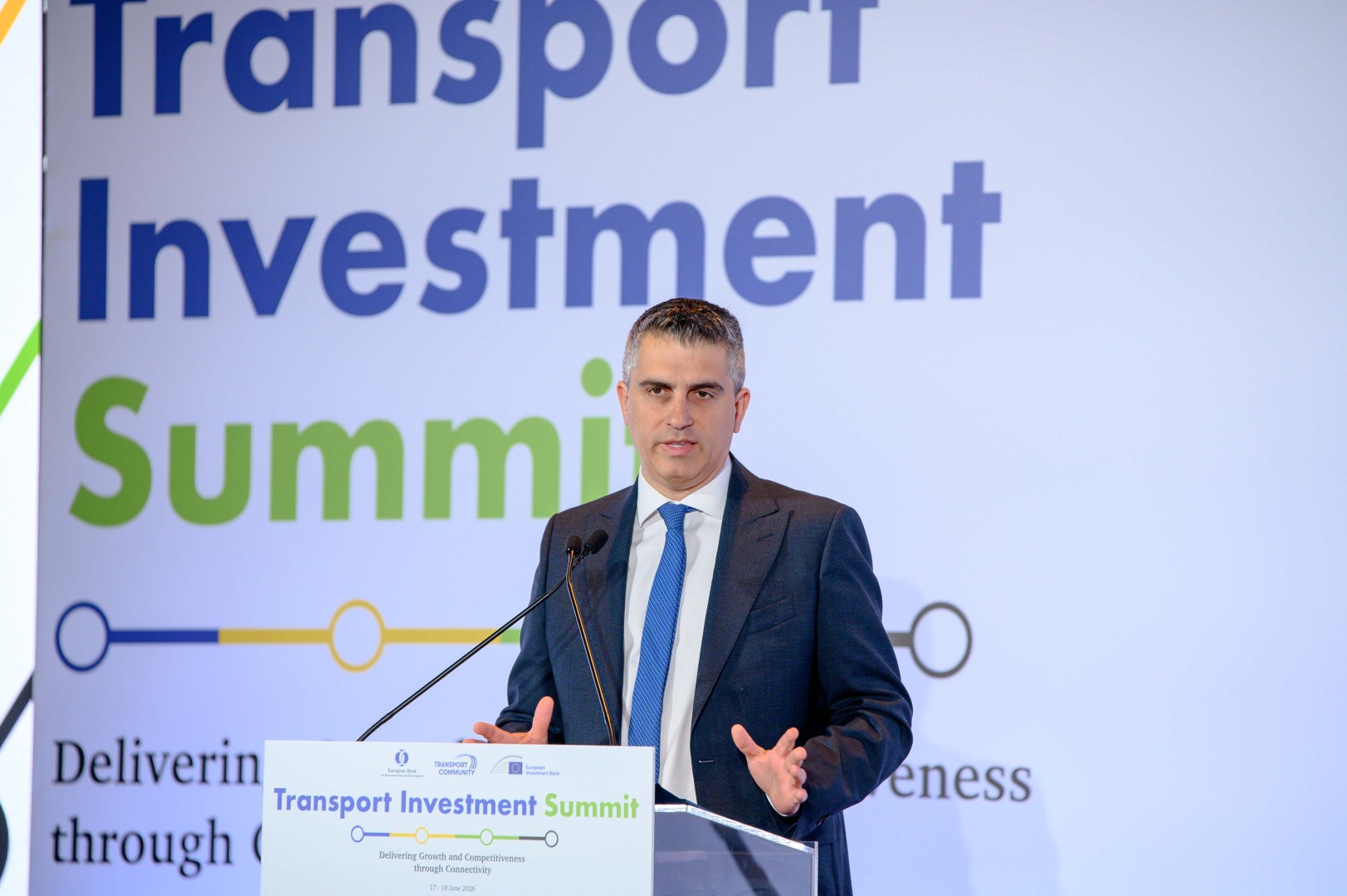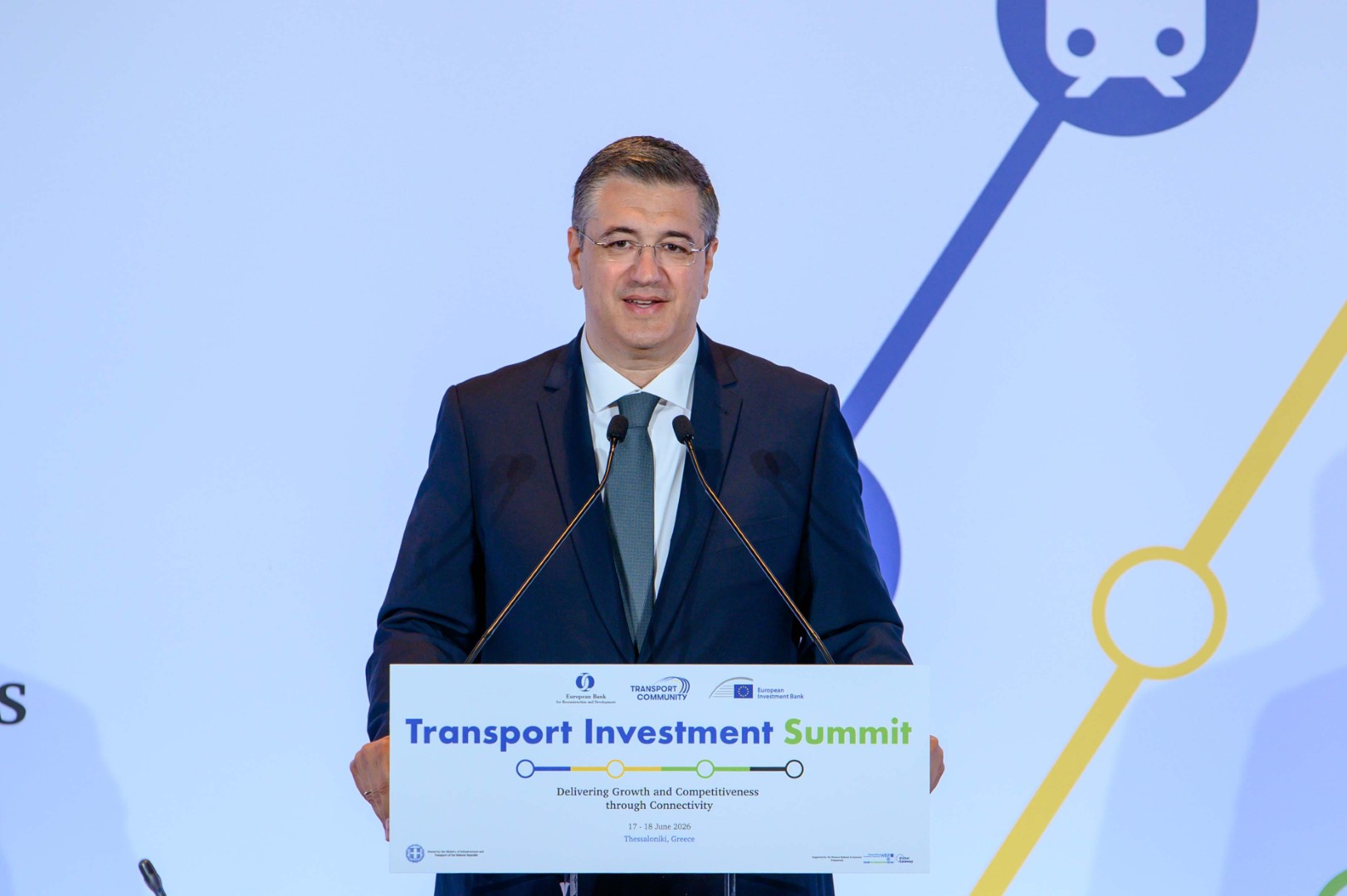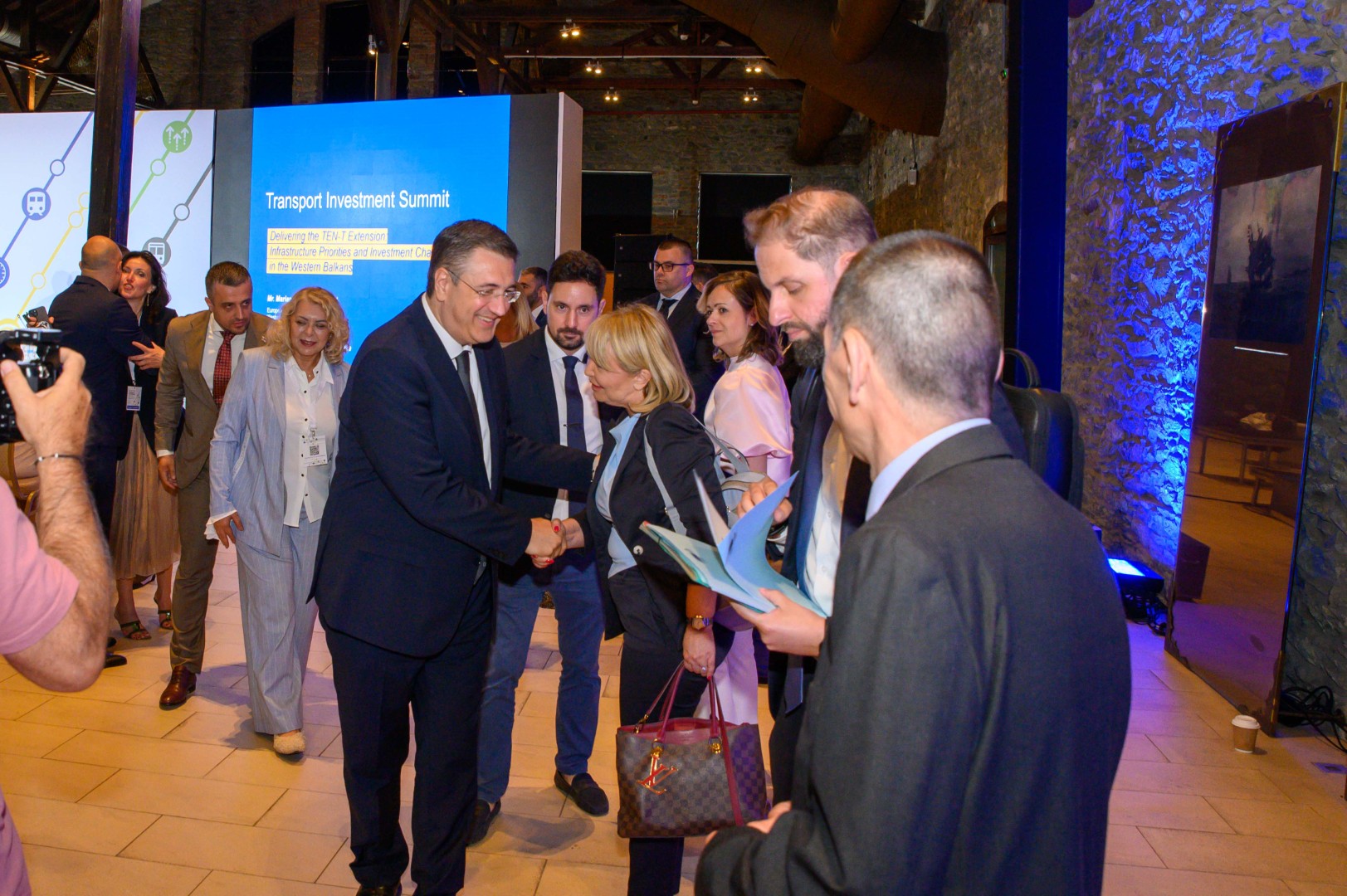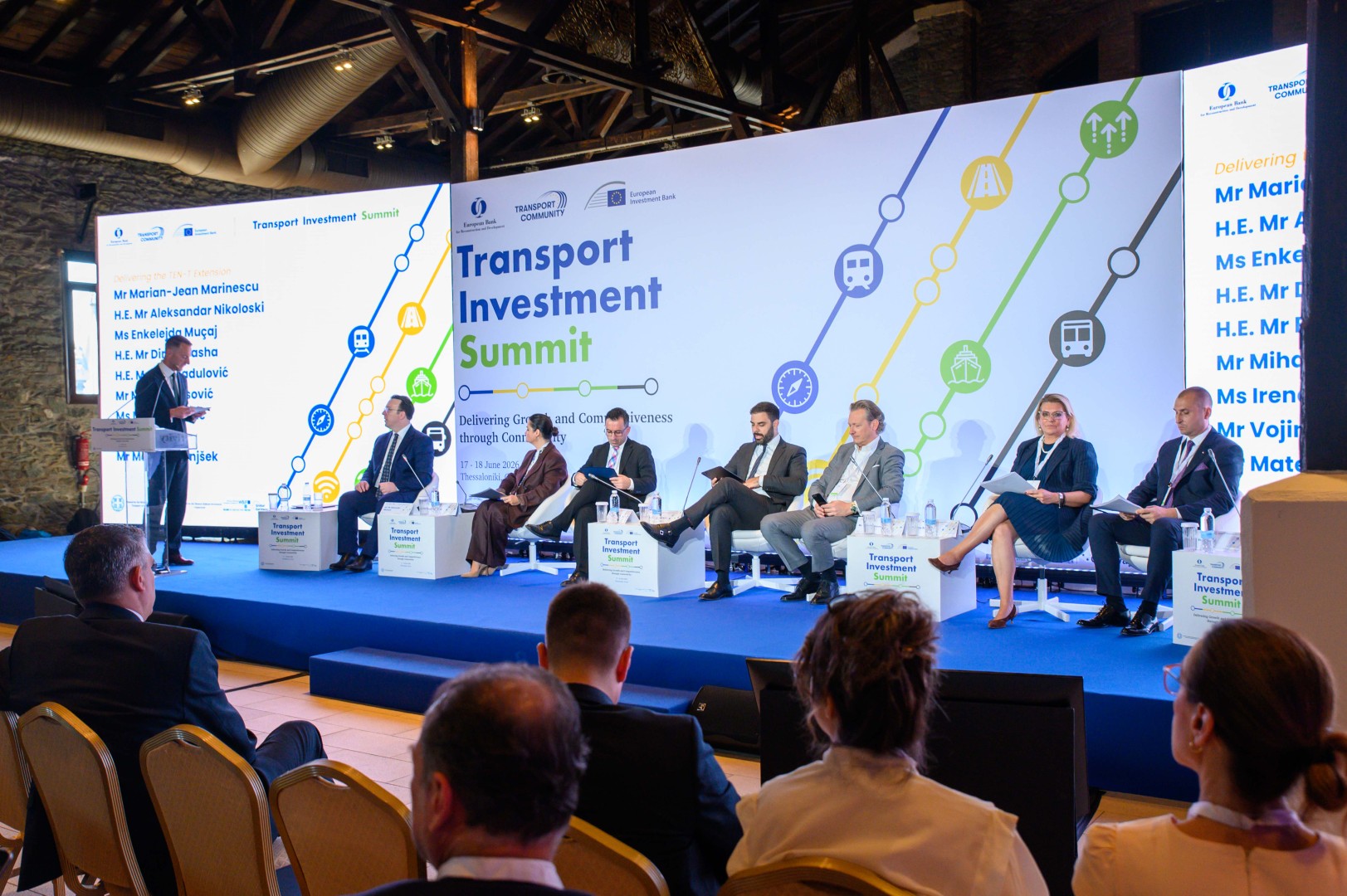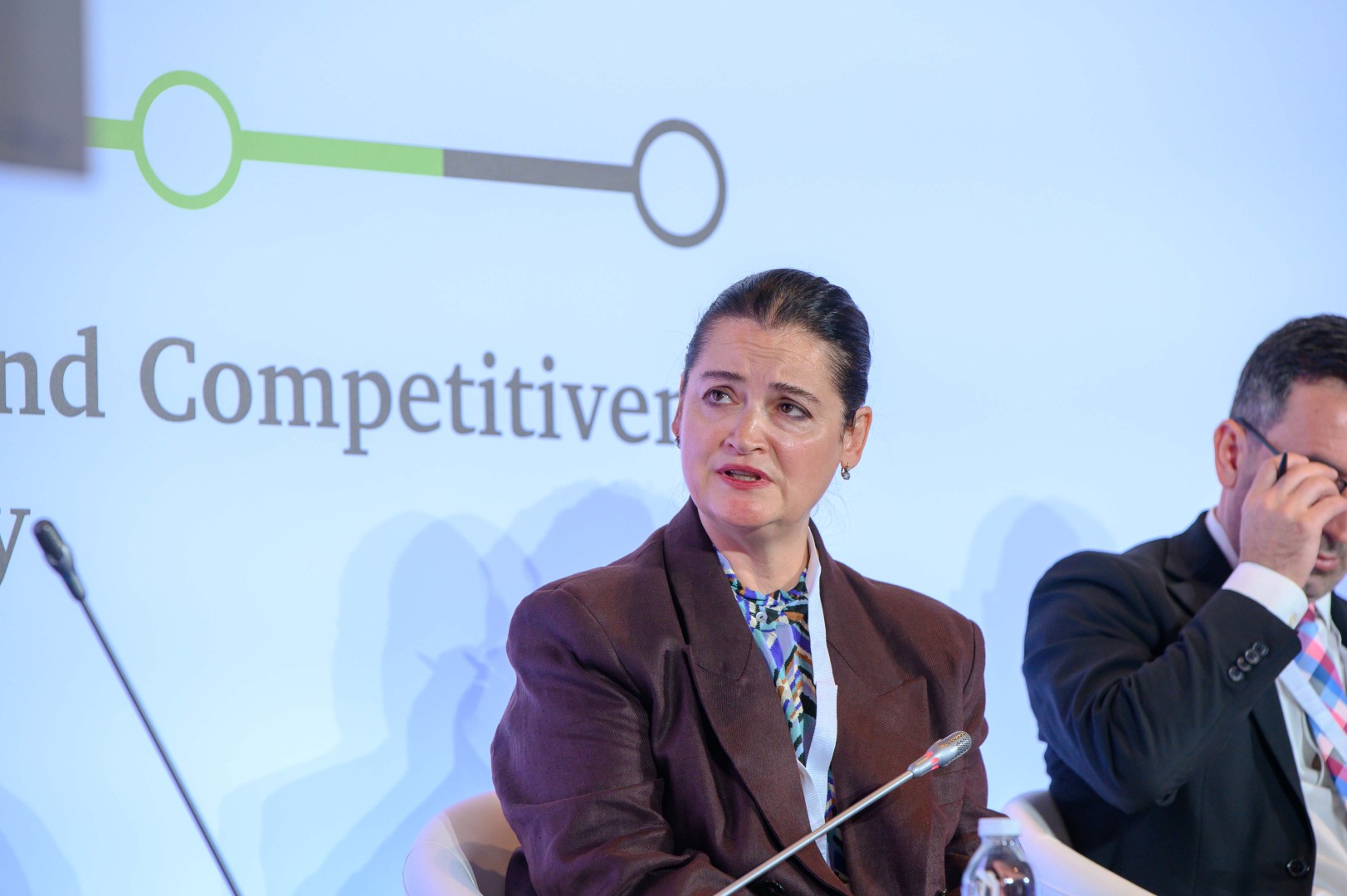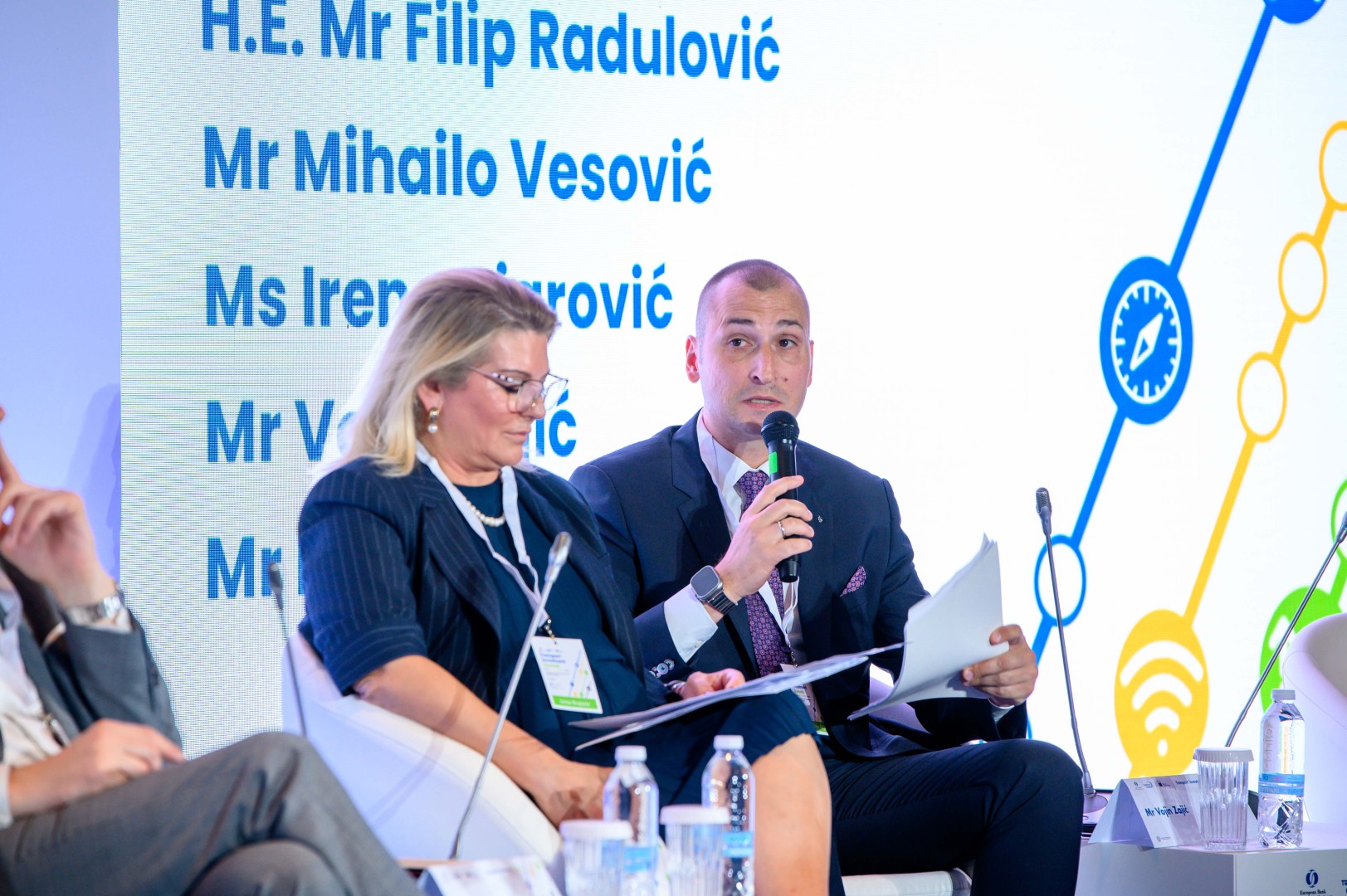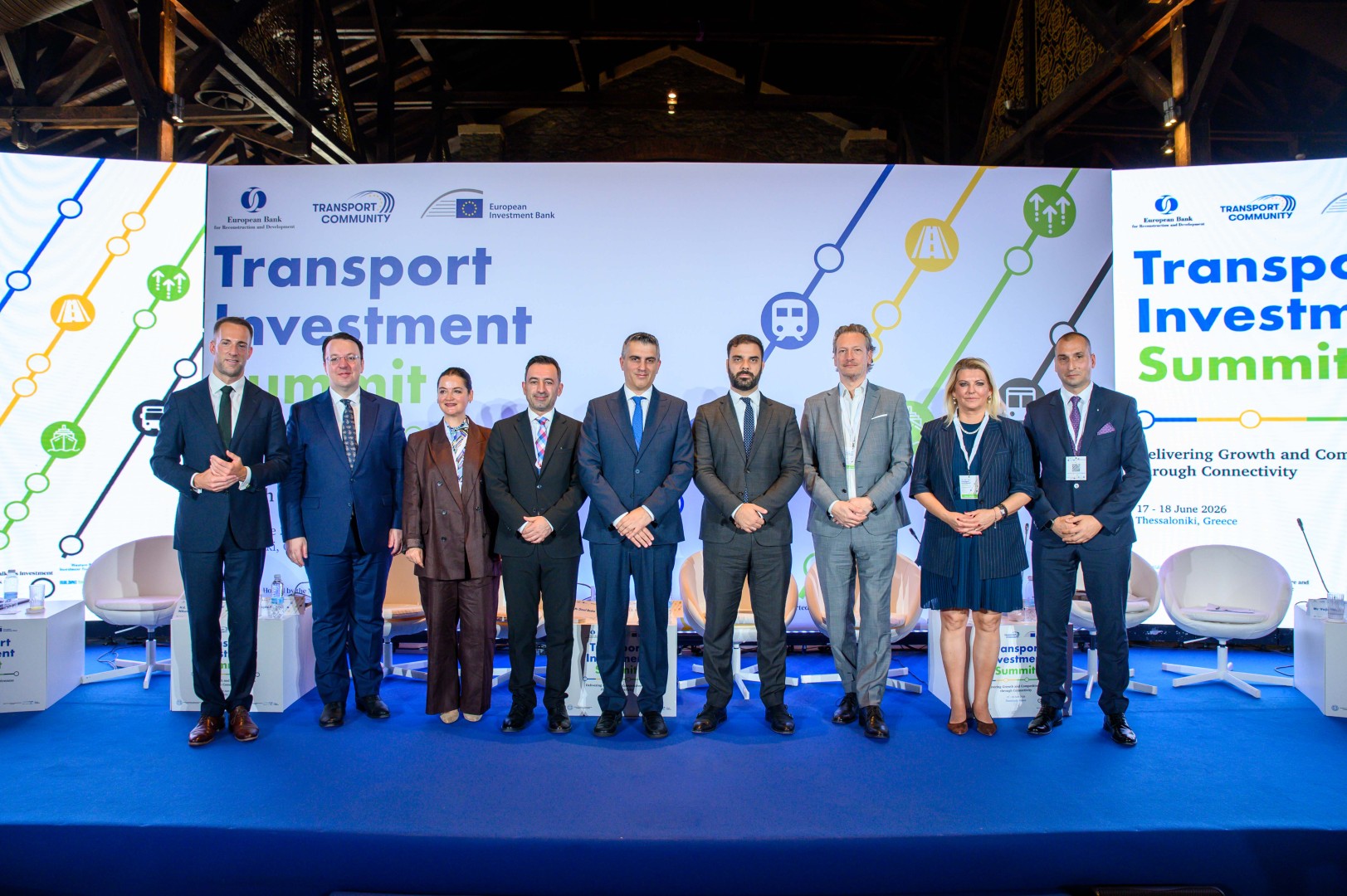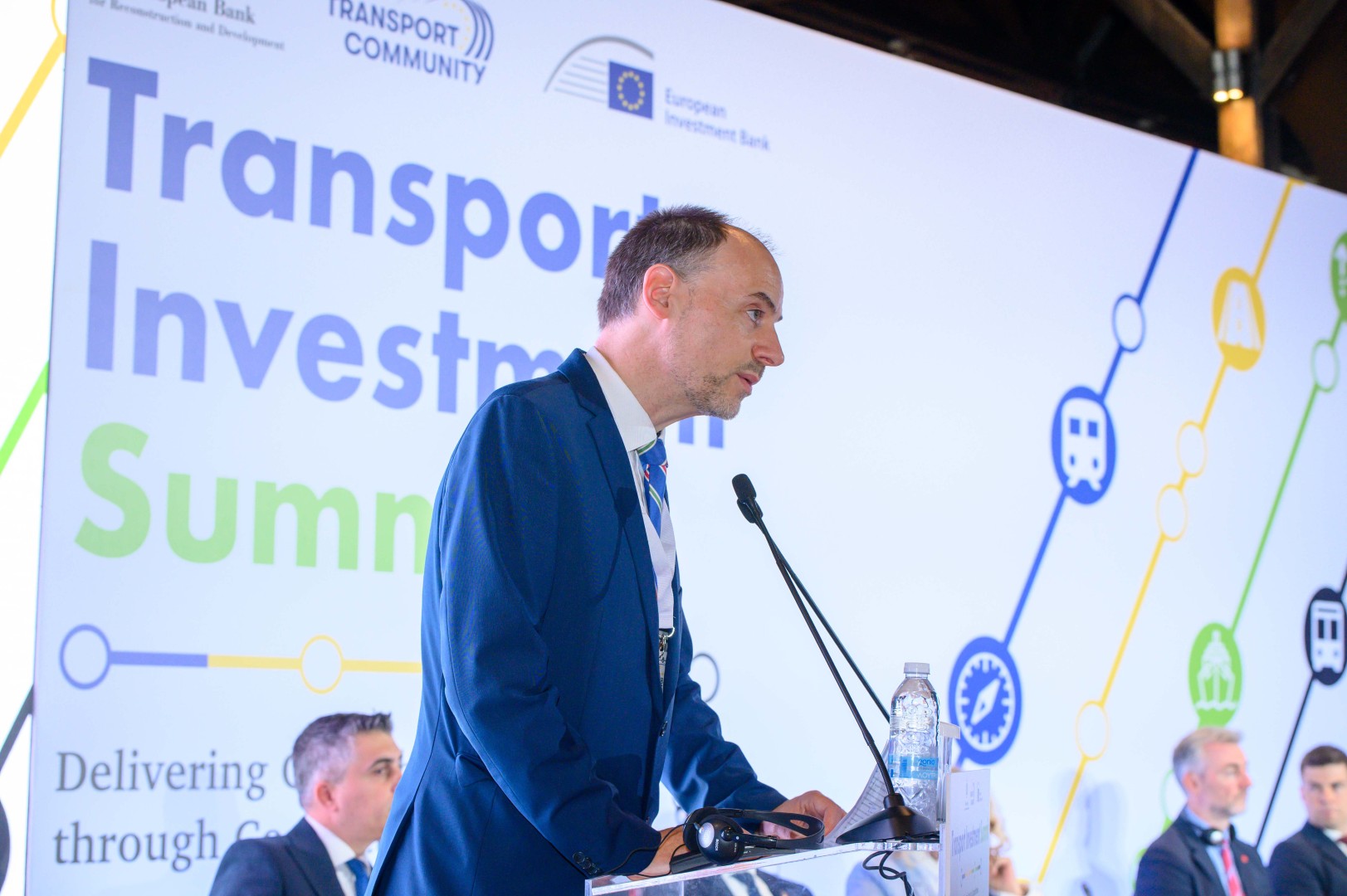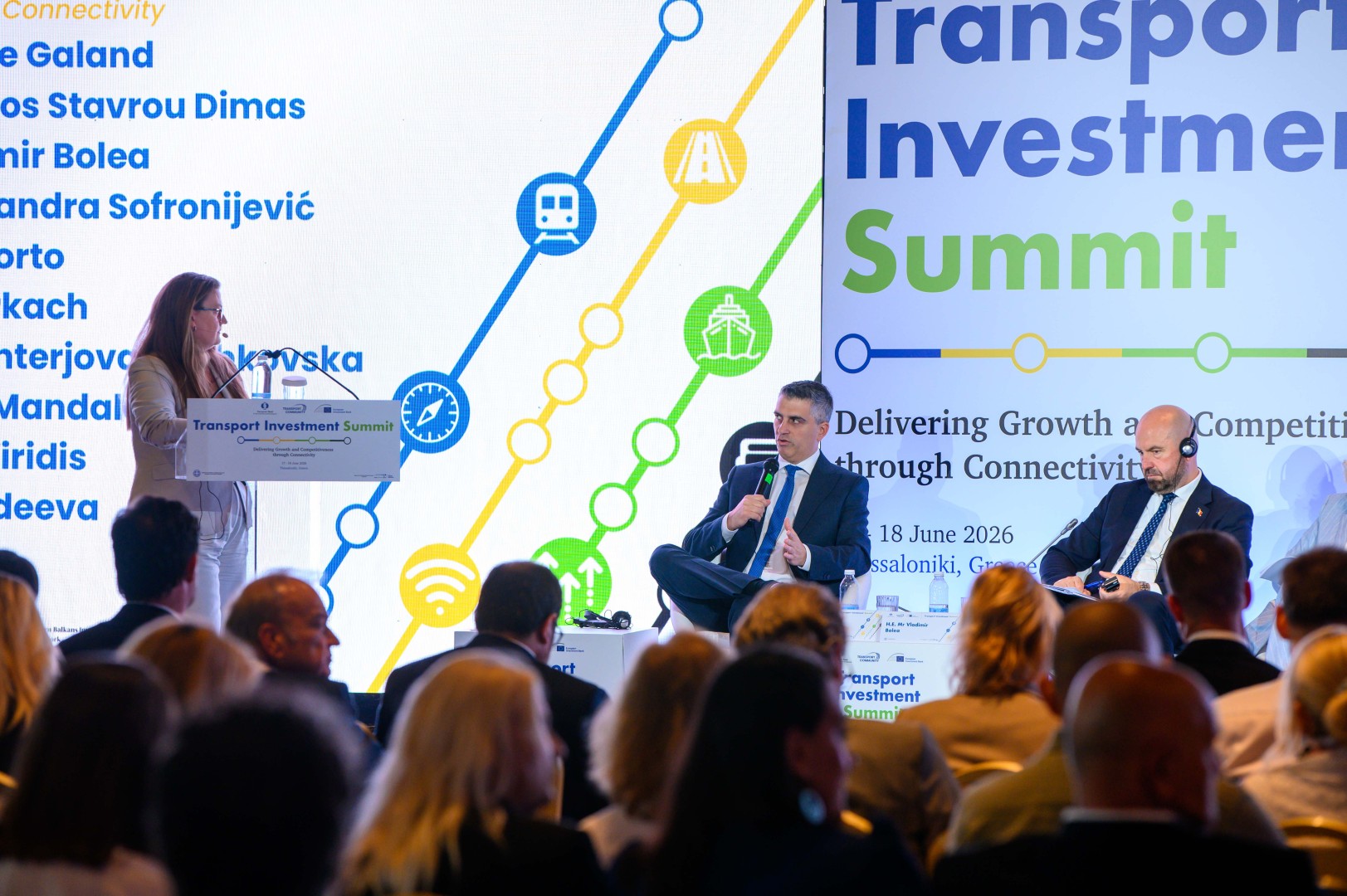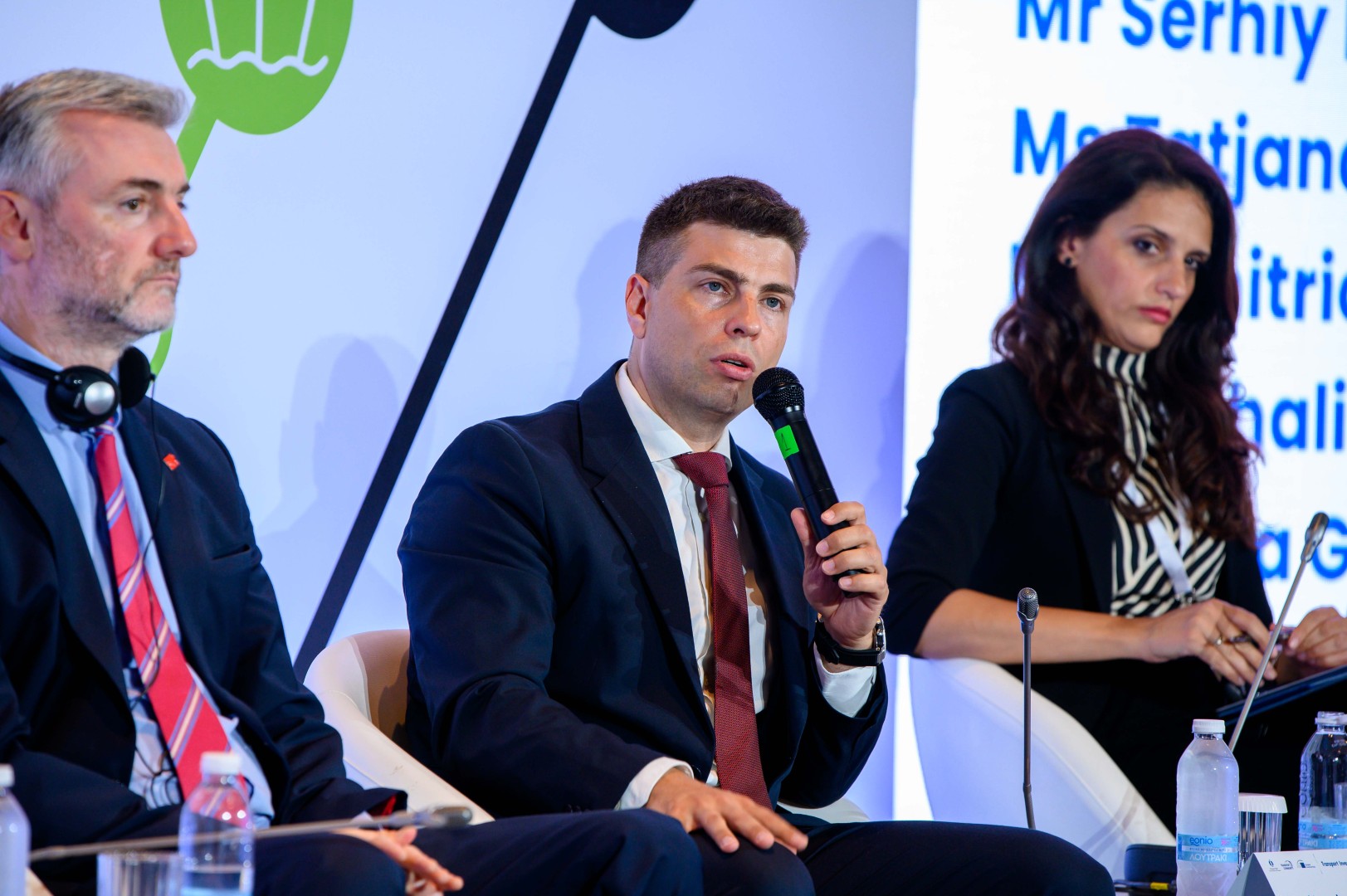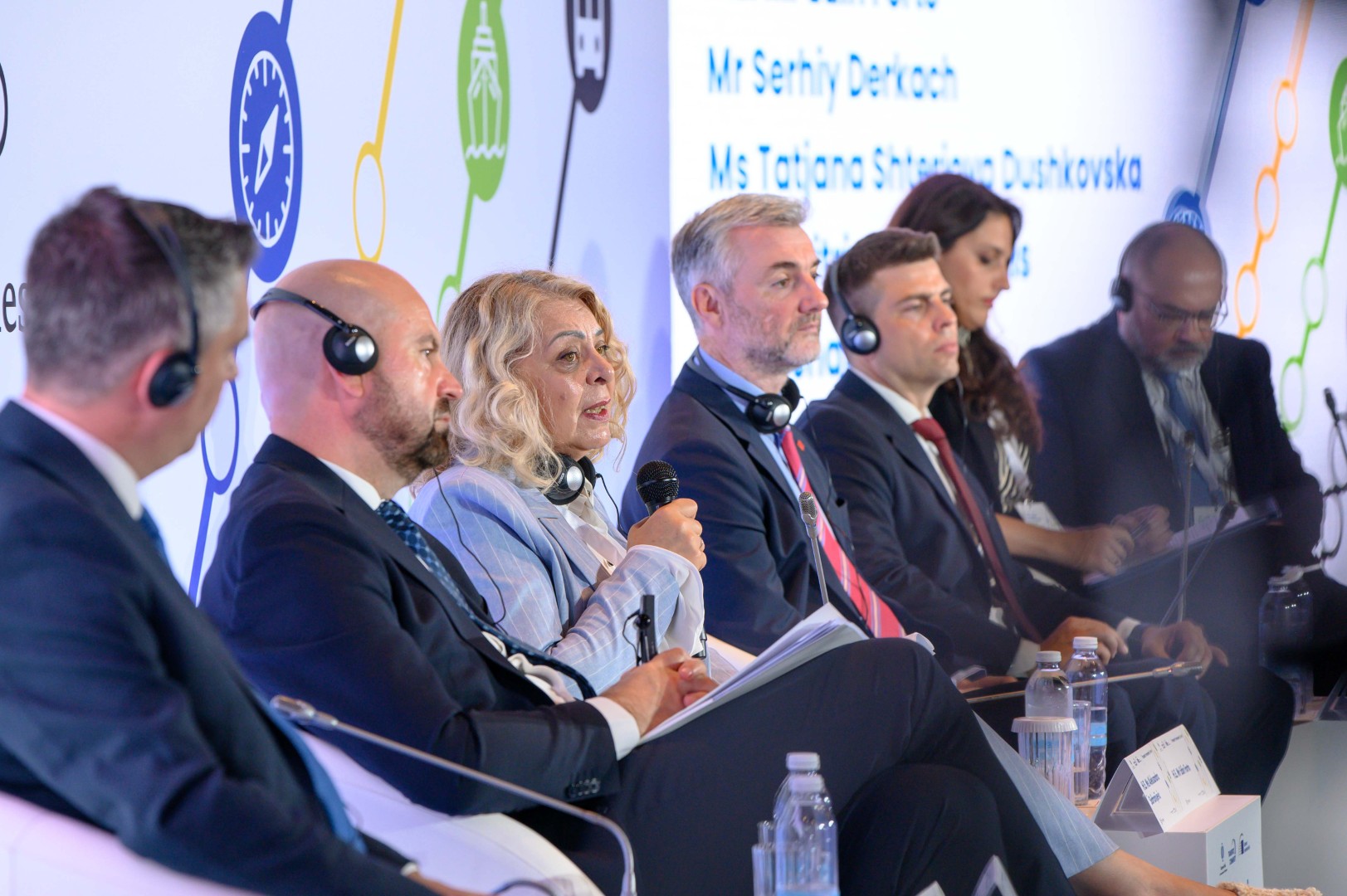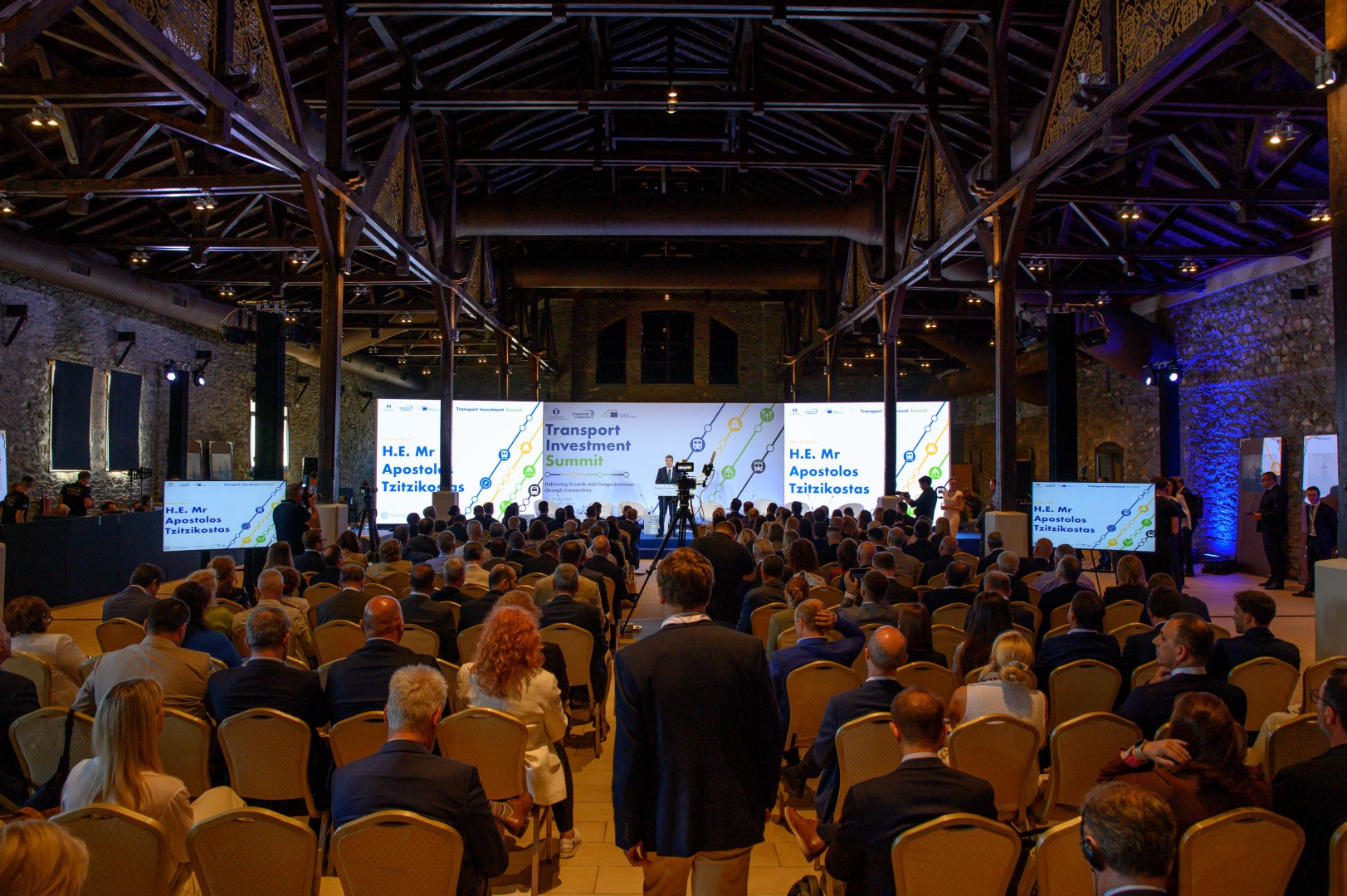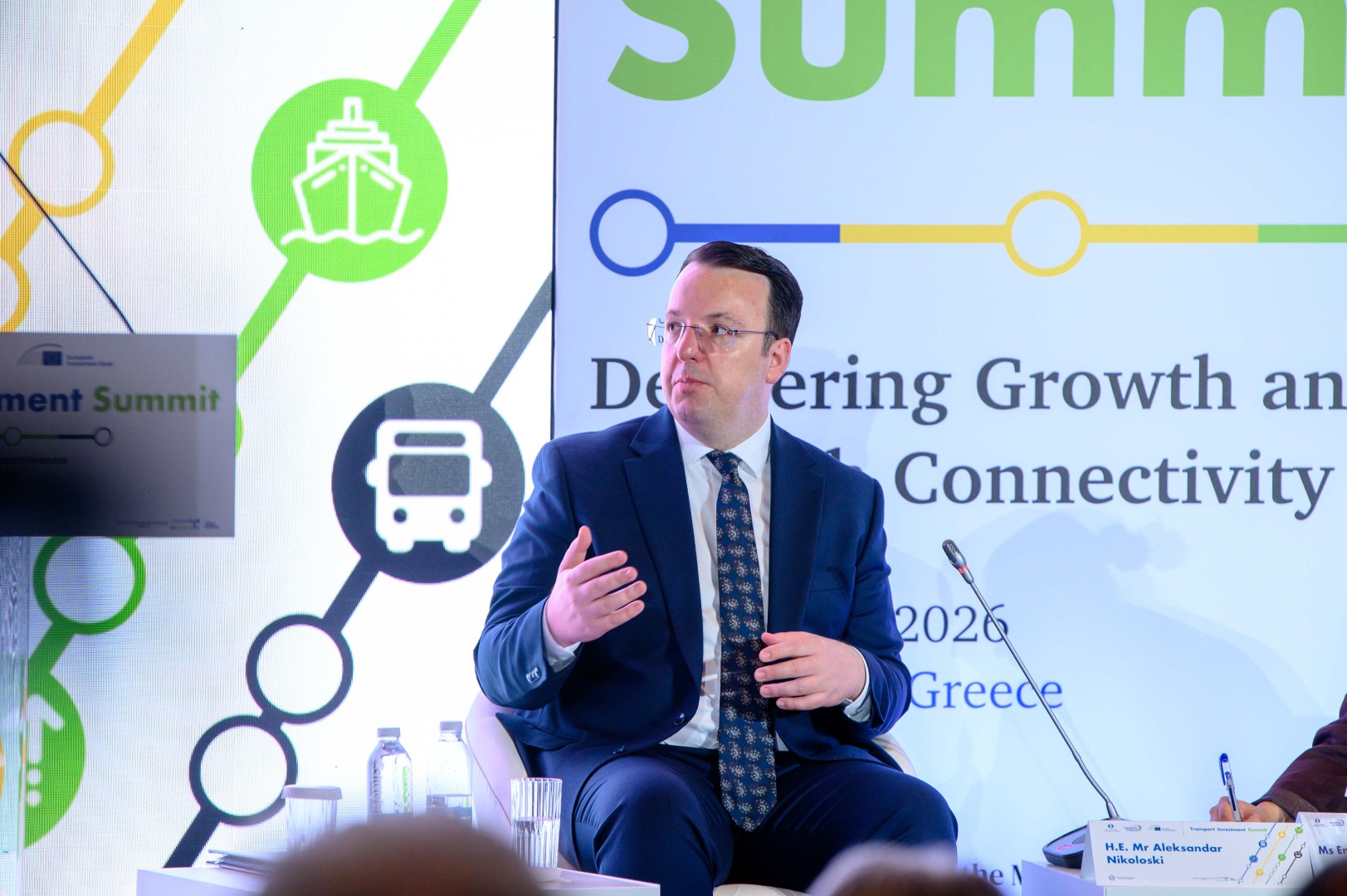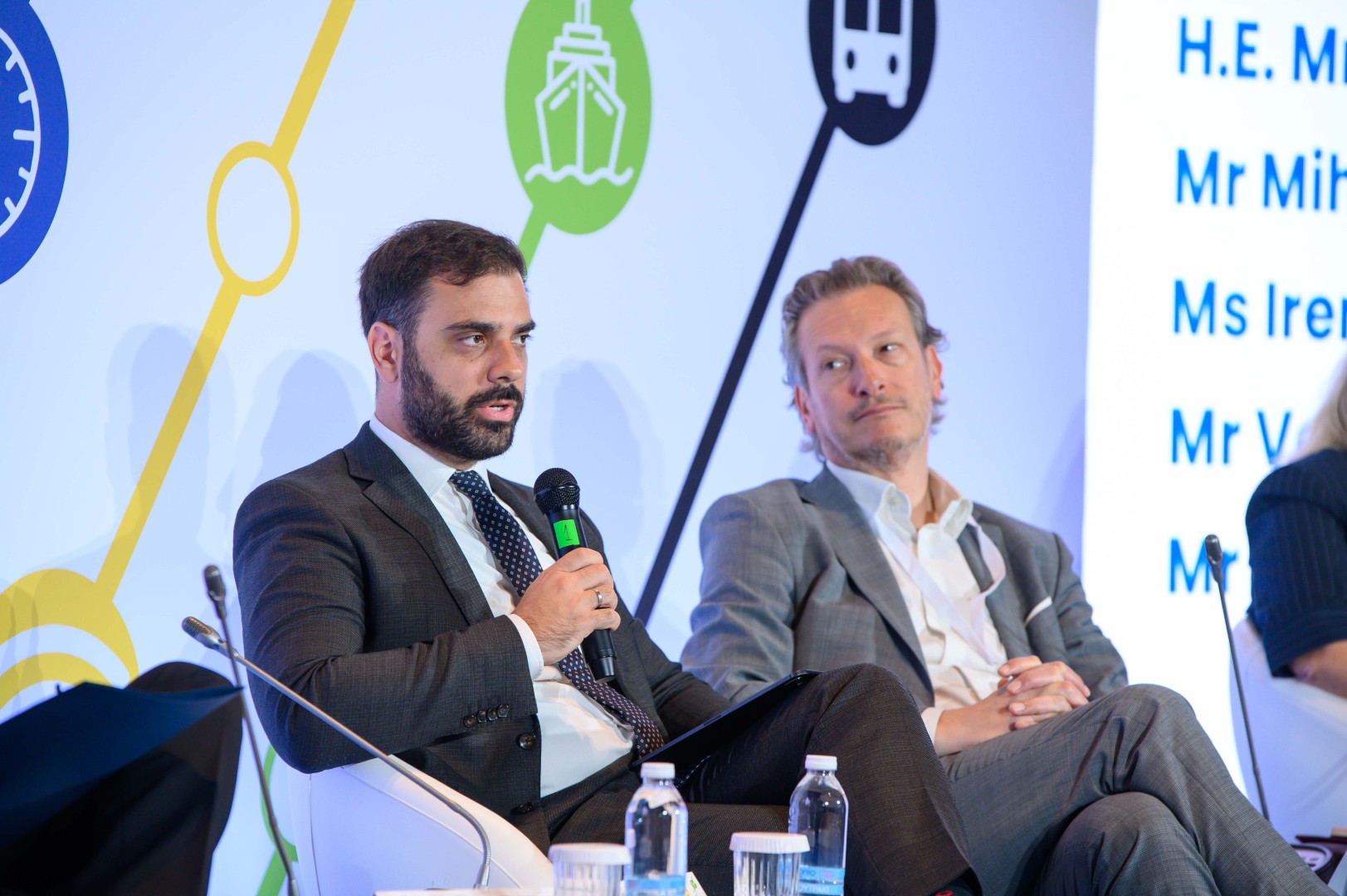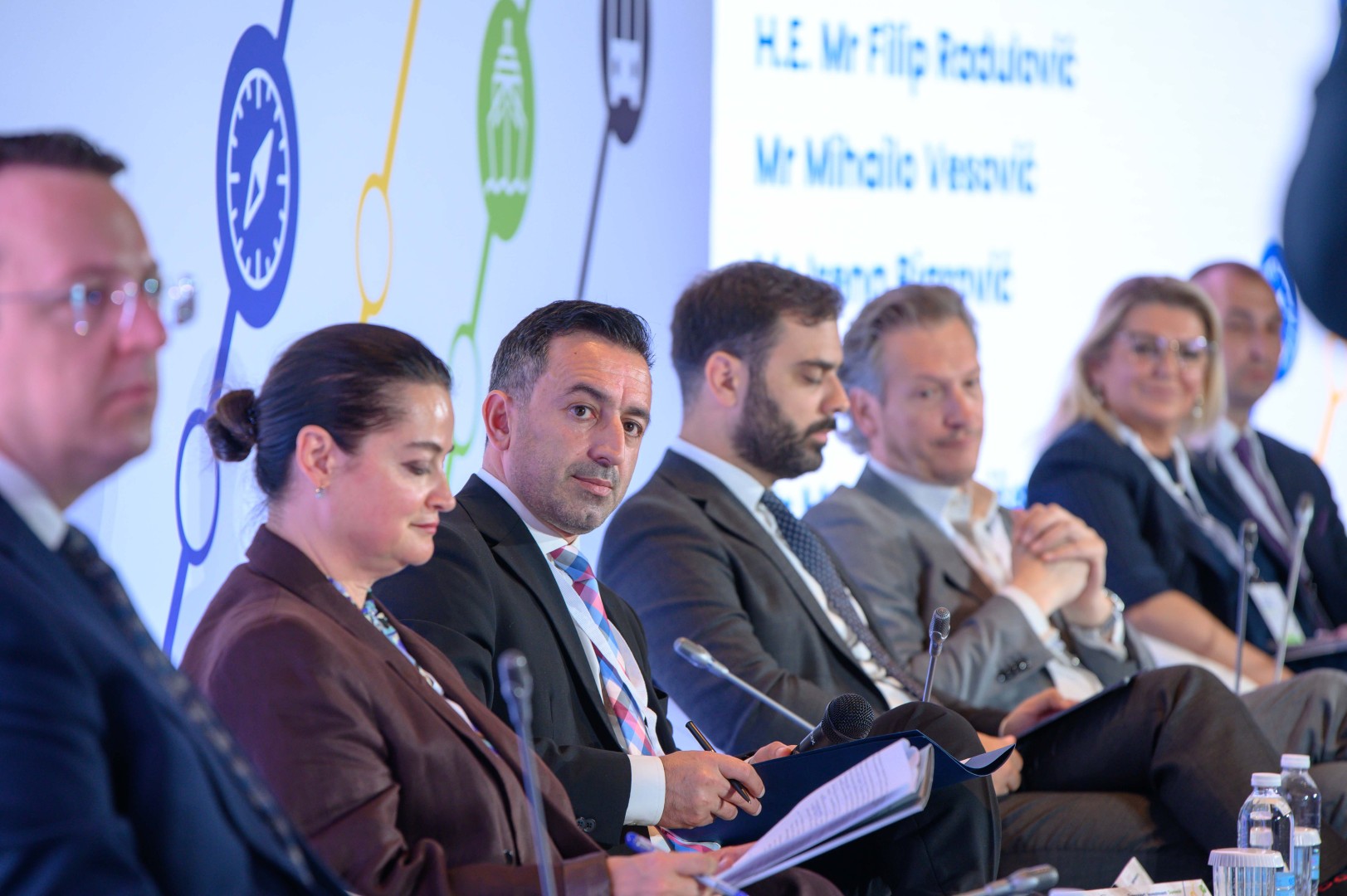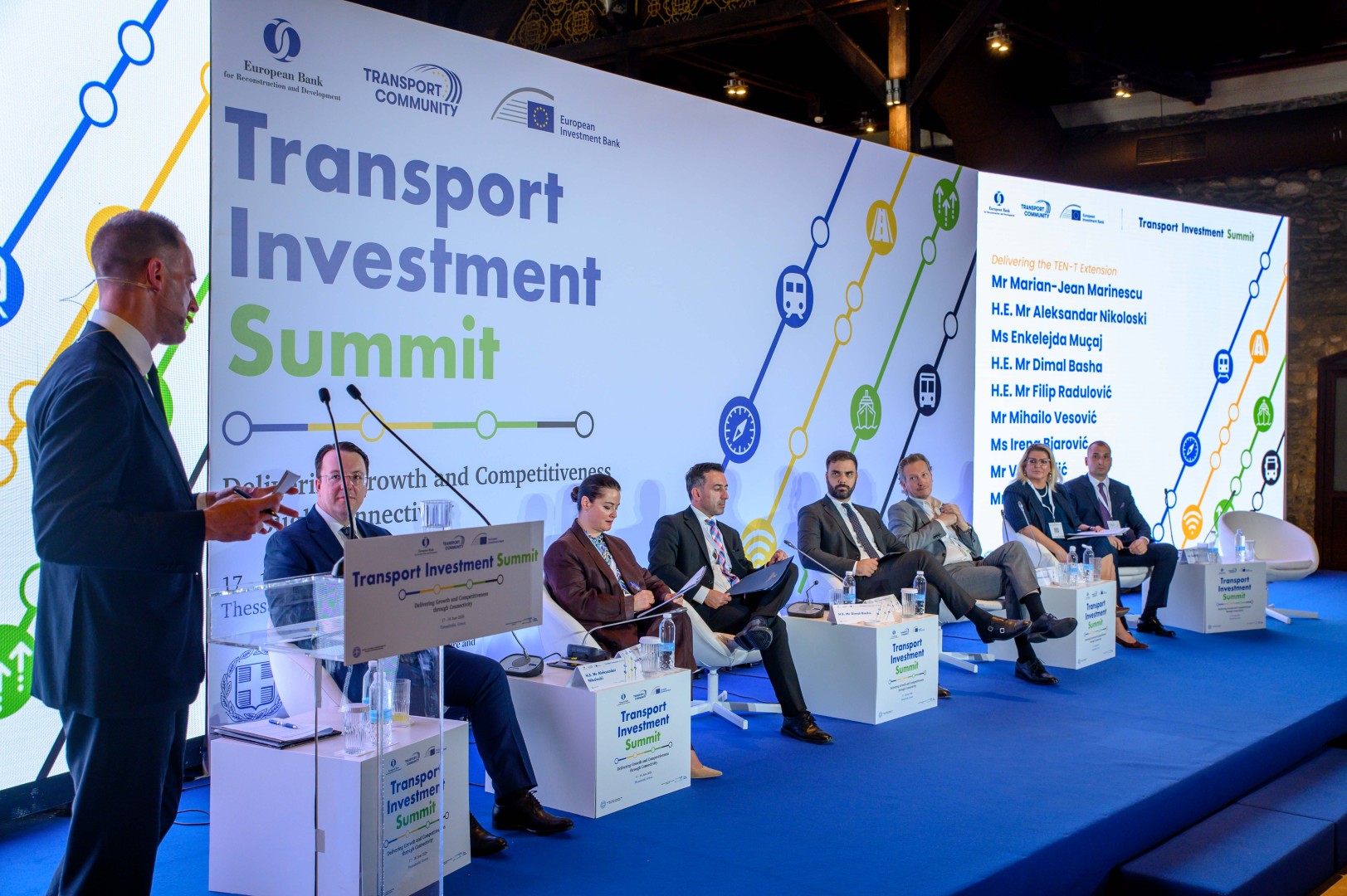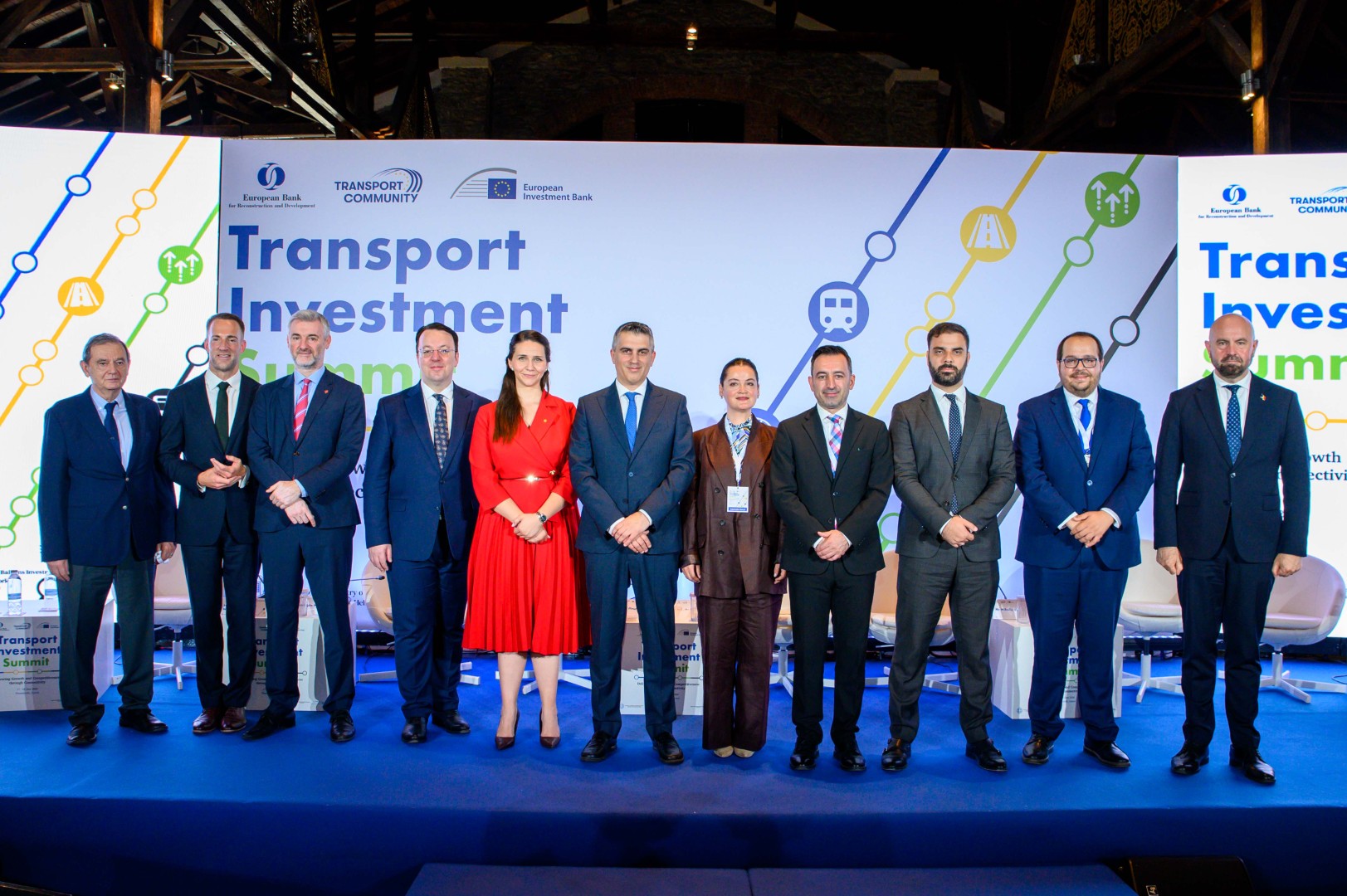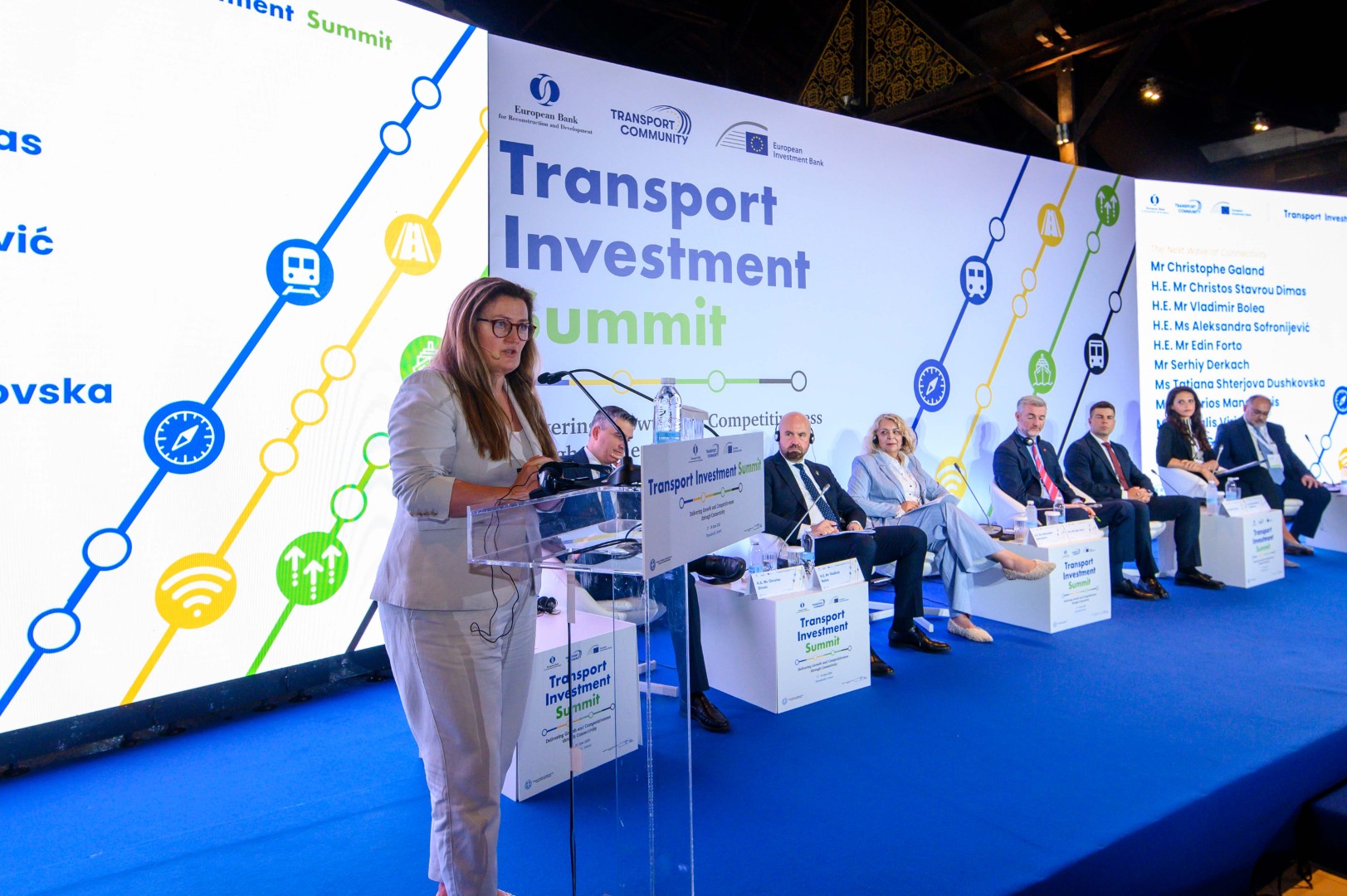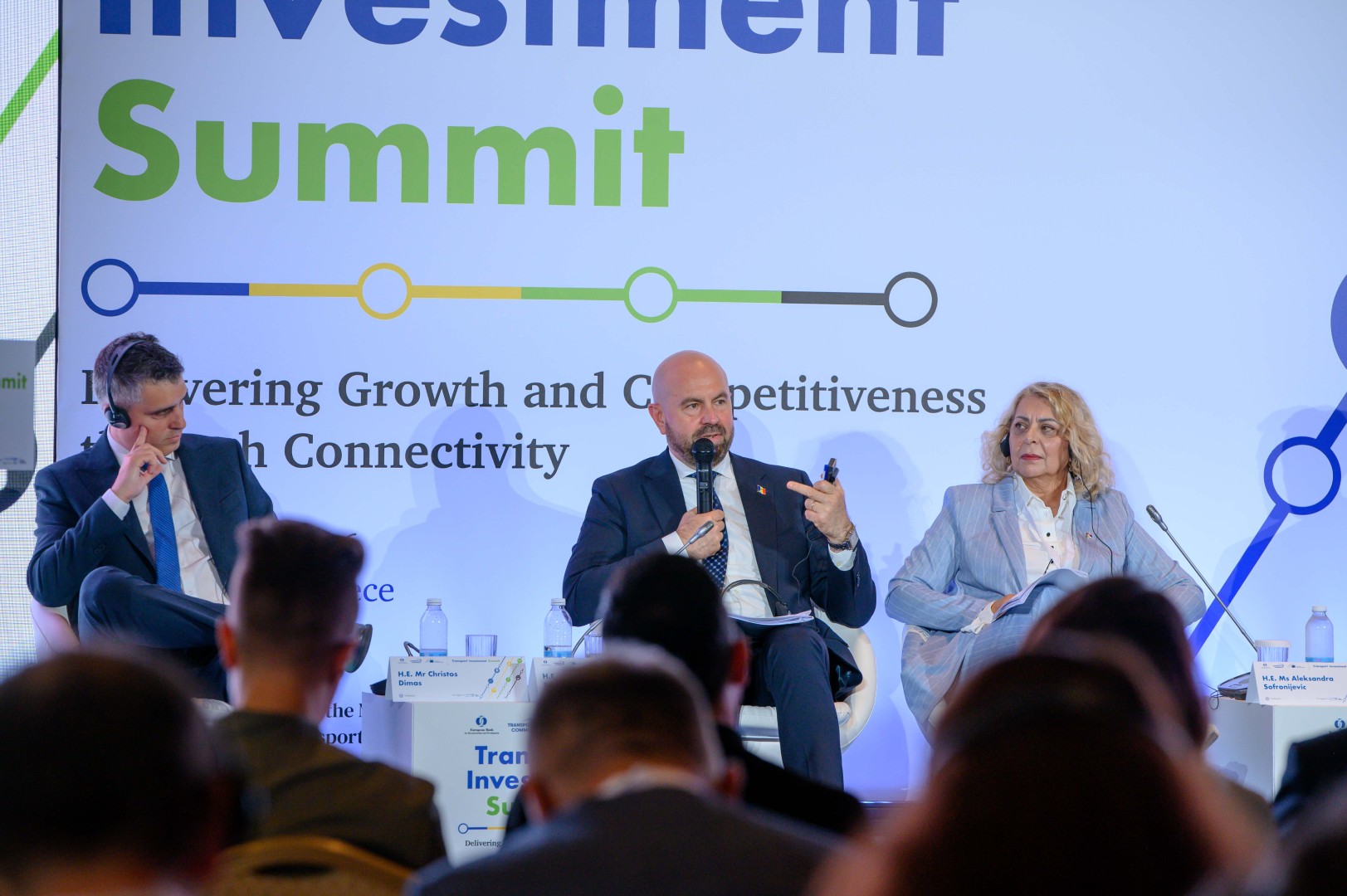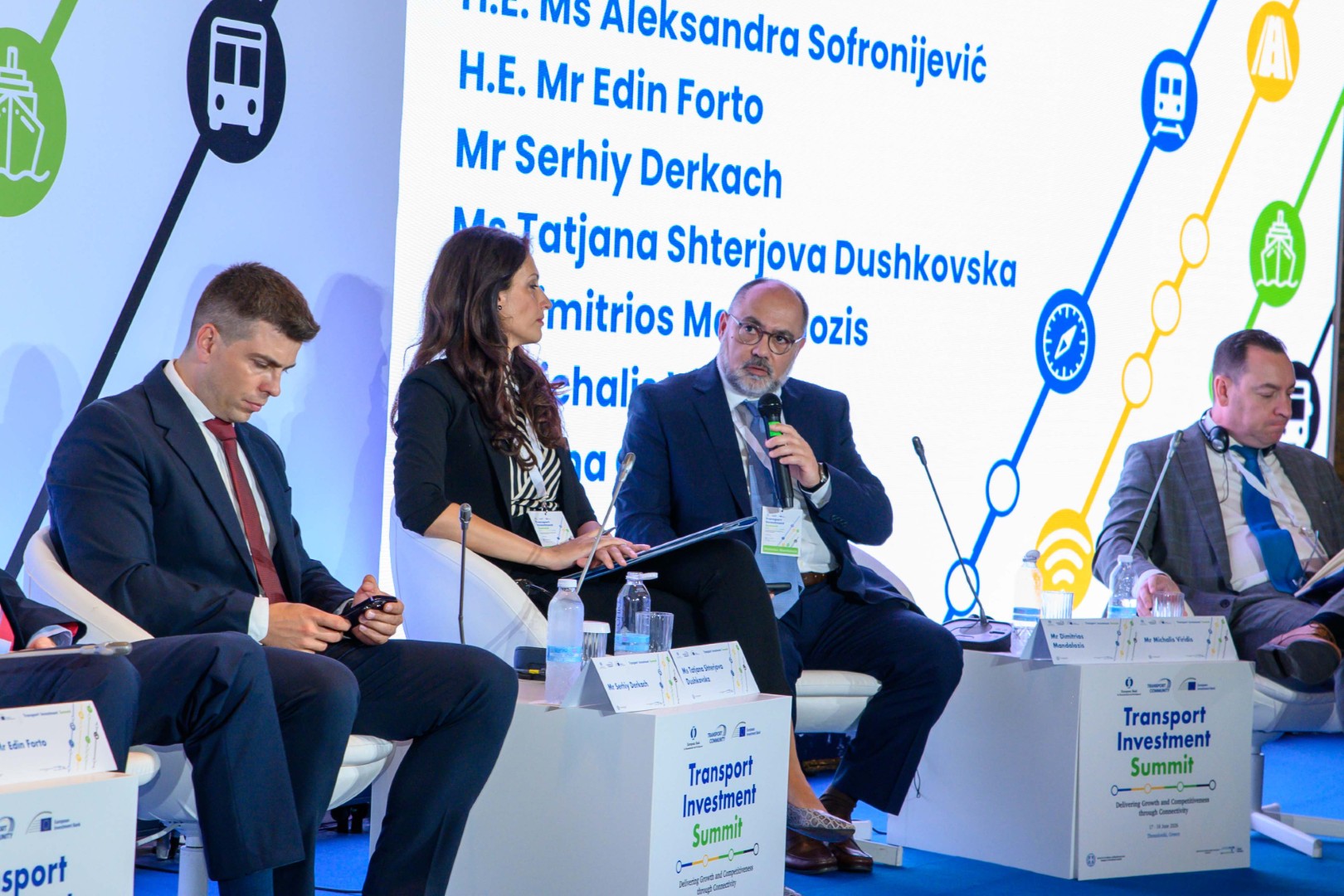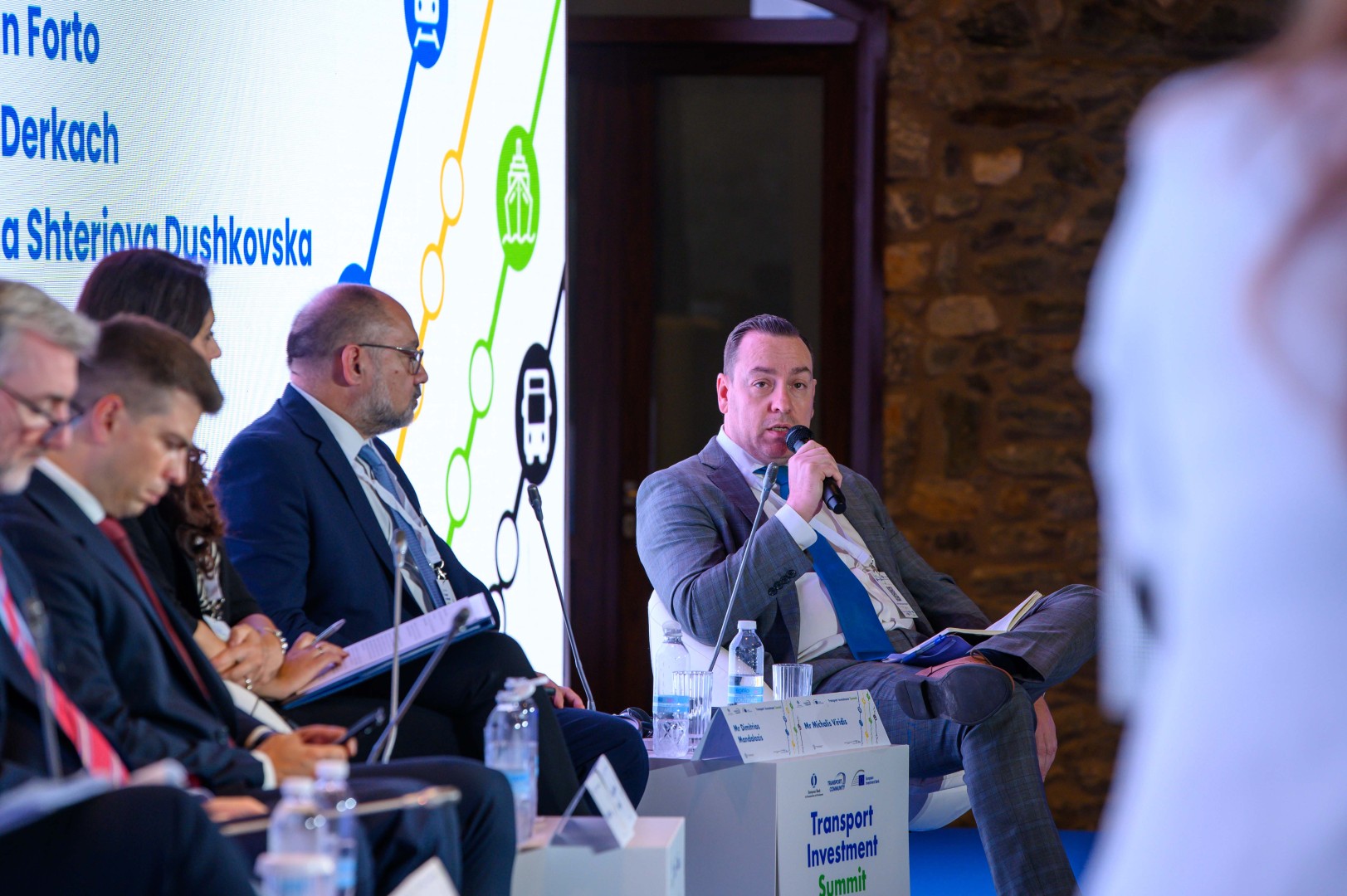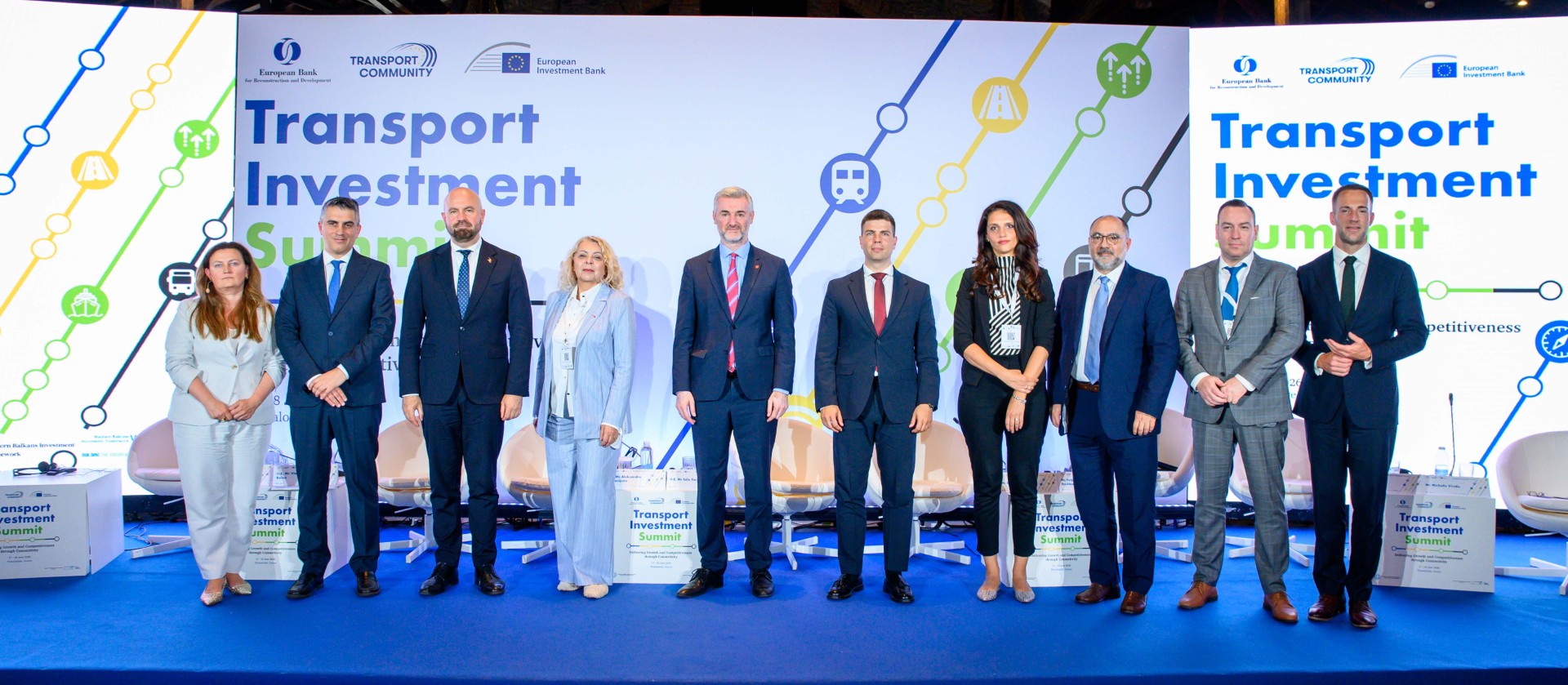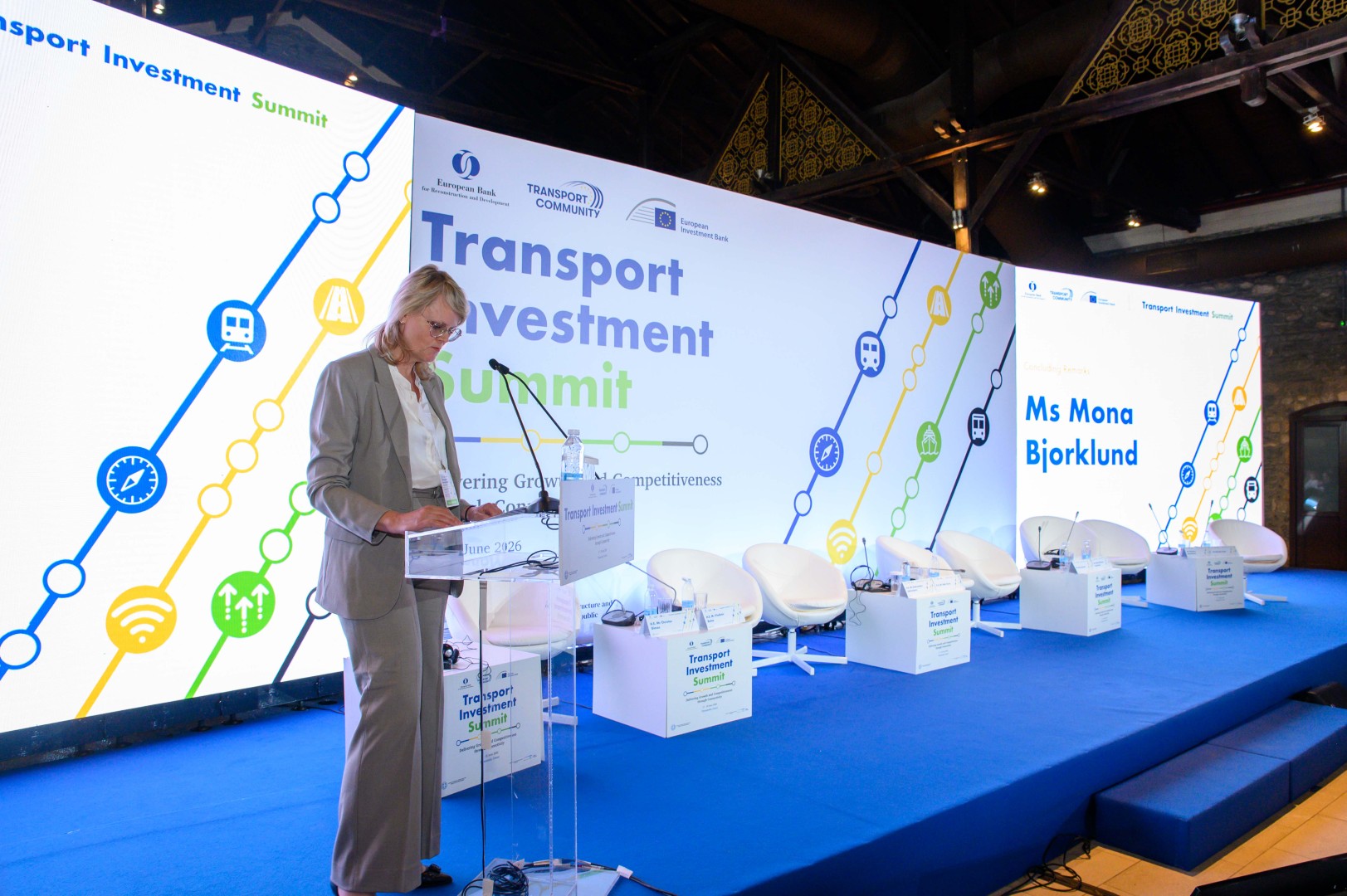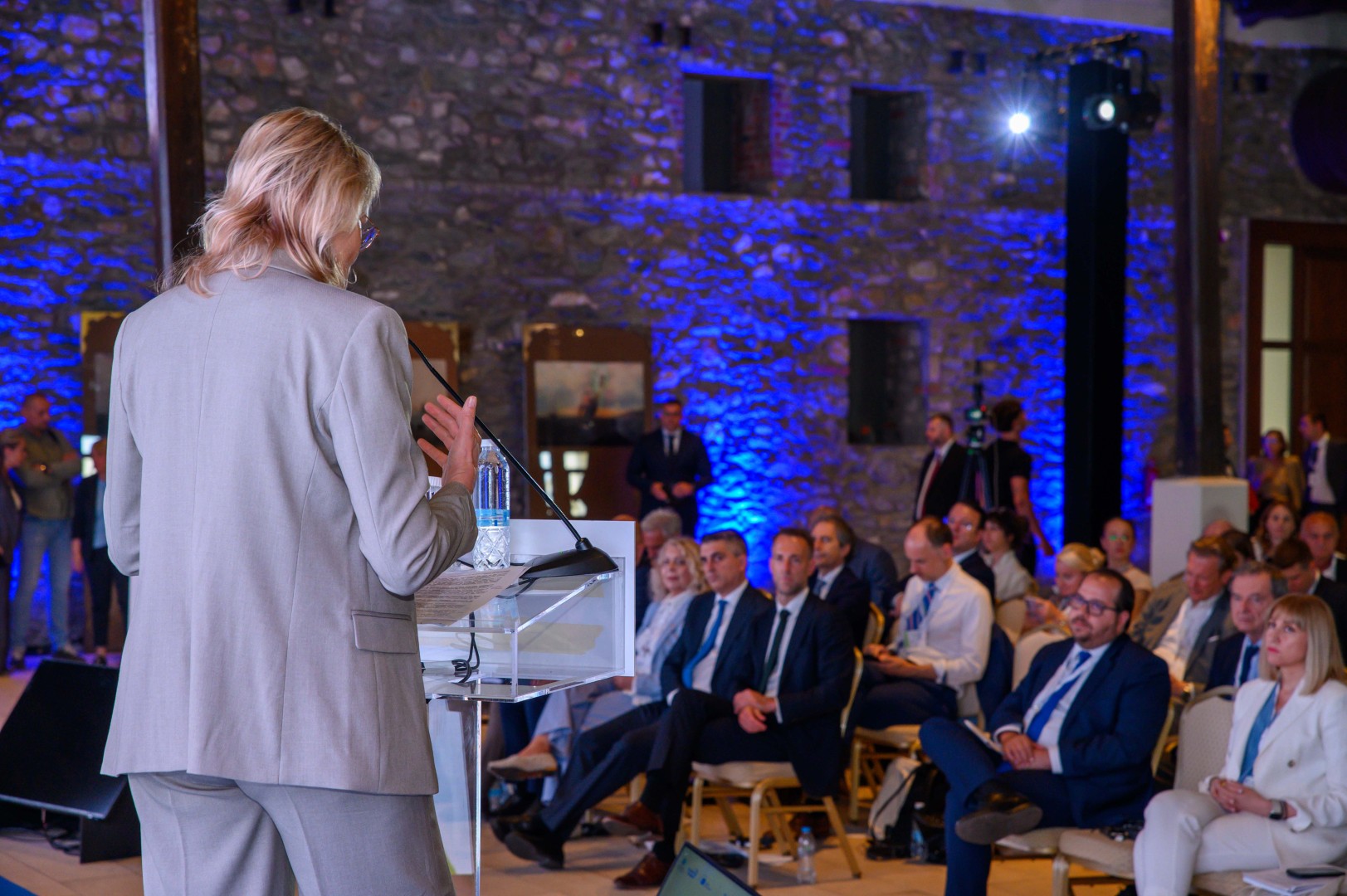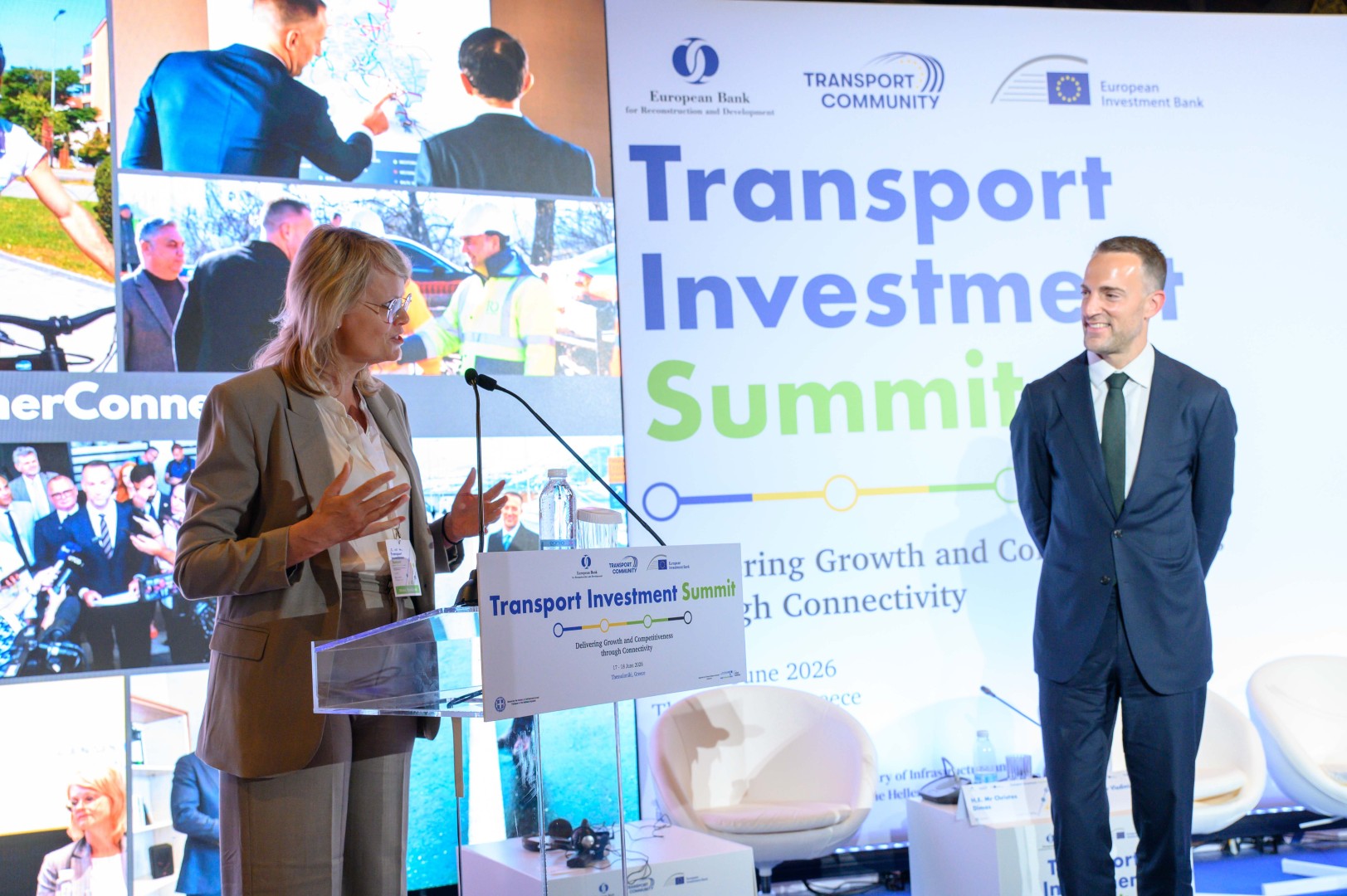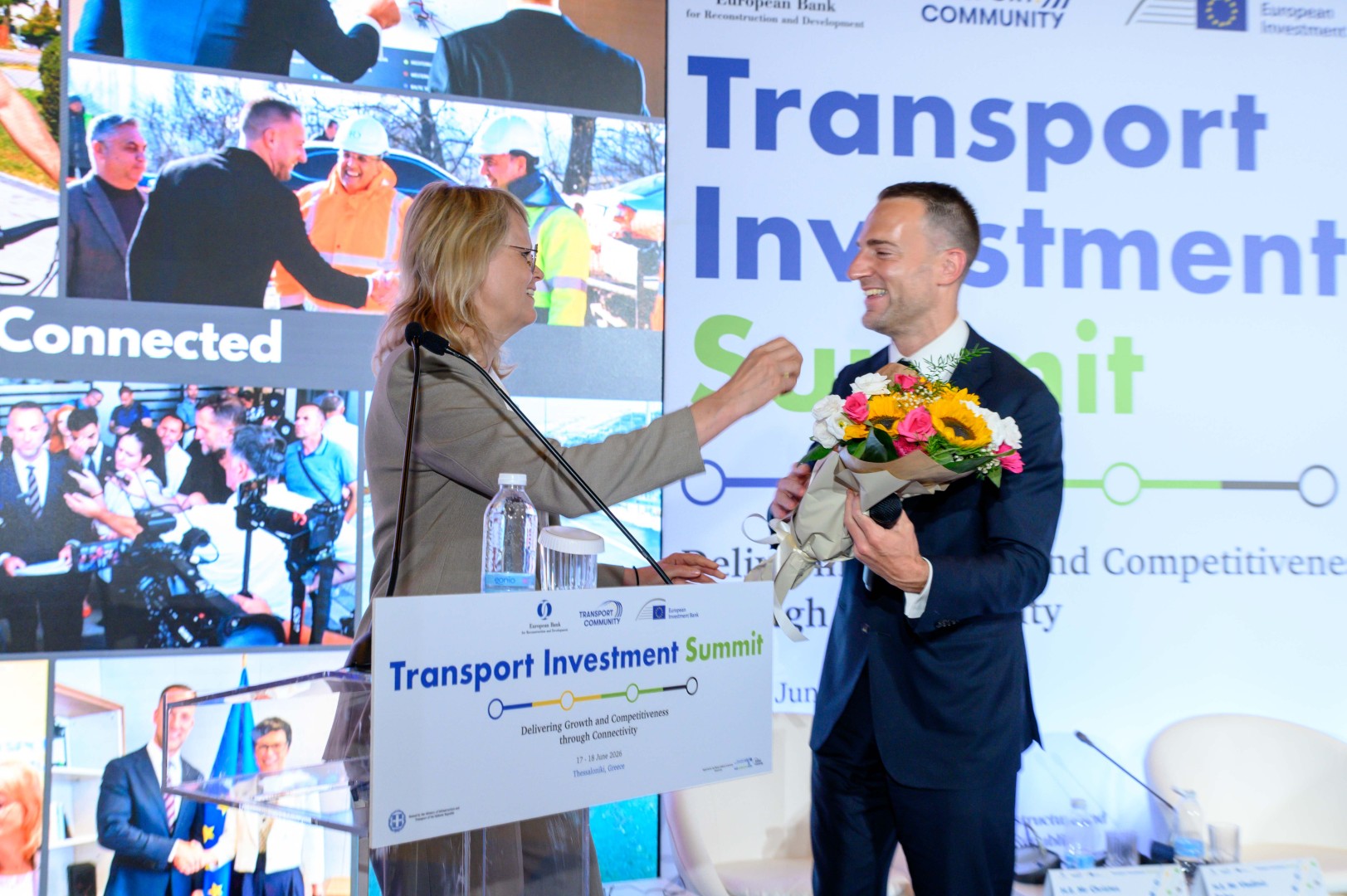
THESSALONIKI – The Transport Investment Summit opened today in Thessaloniki, bringing together governments, EU institutions, international financial institutions, infrastructure managers, chambers of commerce and private companies to accelerate transport investments across the Western Balkans and EU neighbouring regions.
Hosted by the Ministry of Infrastructure and Transport of the Hellenic Republic, the Summit is organised by the Transport Community, the European Bank for Reconstruction and Development and the European Investment Bank, with the support of the Western Balkans Investment Framework.
Under the theme “Delivering Growth and Competitiveness through Connectivity”, the Summit focuses on turning strategic connectivity priorities into bankable, coordinated and investment-ready transport delivery. Discussions will address the implementation of the TEN-T extension, the Western Balkans–Eastern Mediterranean Corridor, the Growth Plan for the Western Balkans, donor coordination, project preparation and stronger cooperation between the public and private sectors.
The Summit comes at a crucial moment for the region. The Western Balkans and EU neighbouring regions have the corridors, policy direction and European standards in place. The next step is faster delivery: preparing mature projects, improving procurement confidence, mobilising finance and ensuring that investments translate into safer, greener, more resilient and better-connected transport networks.
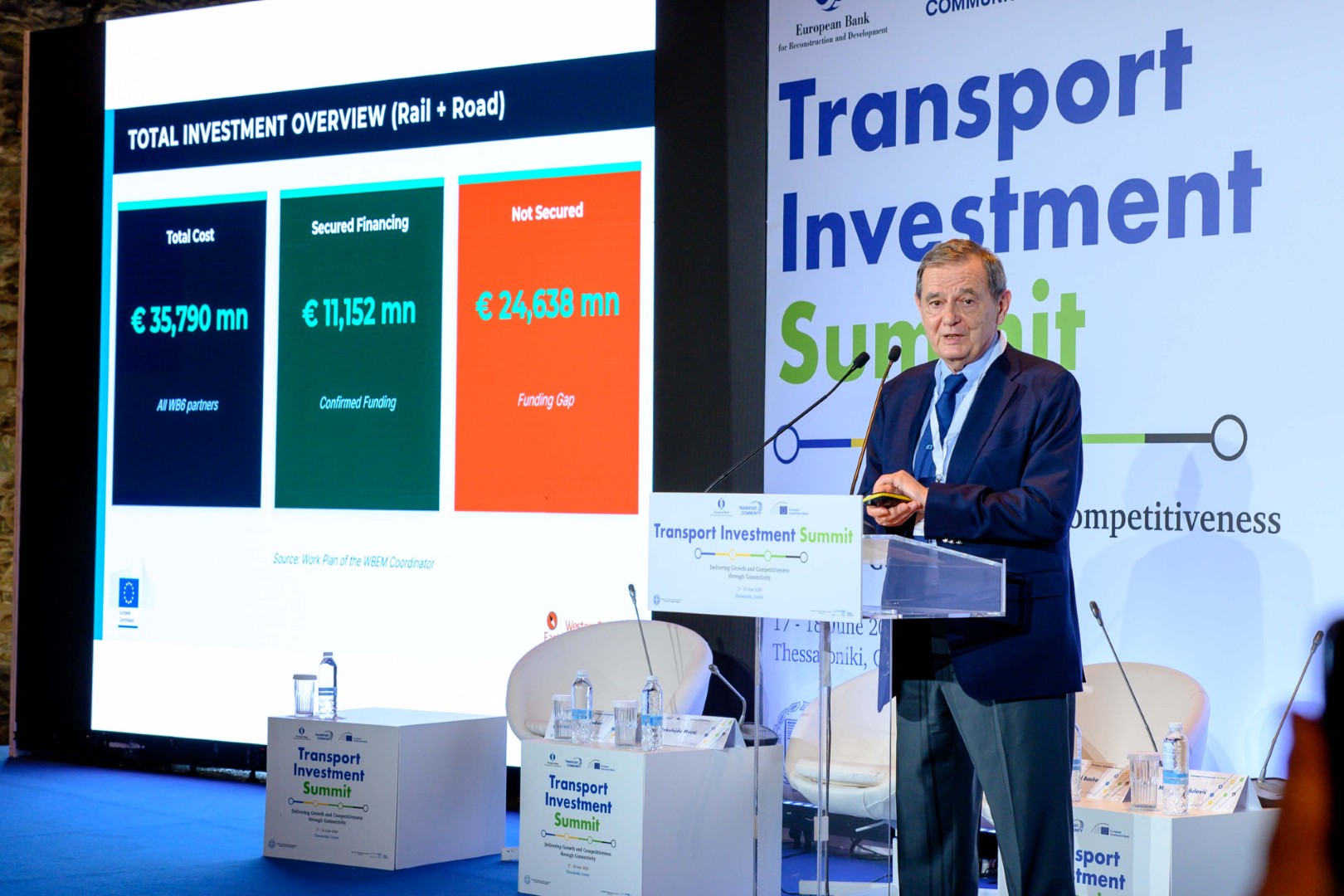
The Growth Plan for the Western Balkans provides EUR 6 billion in funding, including EUR 2 billion in grants and EUR 4 billion in concessional loans, of which EUR 3 billion is dedicated for investments through the Western Balkans Investment Framework. At the same time, the transport project pipeline and overall investment needs remain significantly higher, underlining the importance of improved donor coordination and greater private-sector mobilisation.
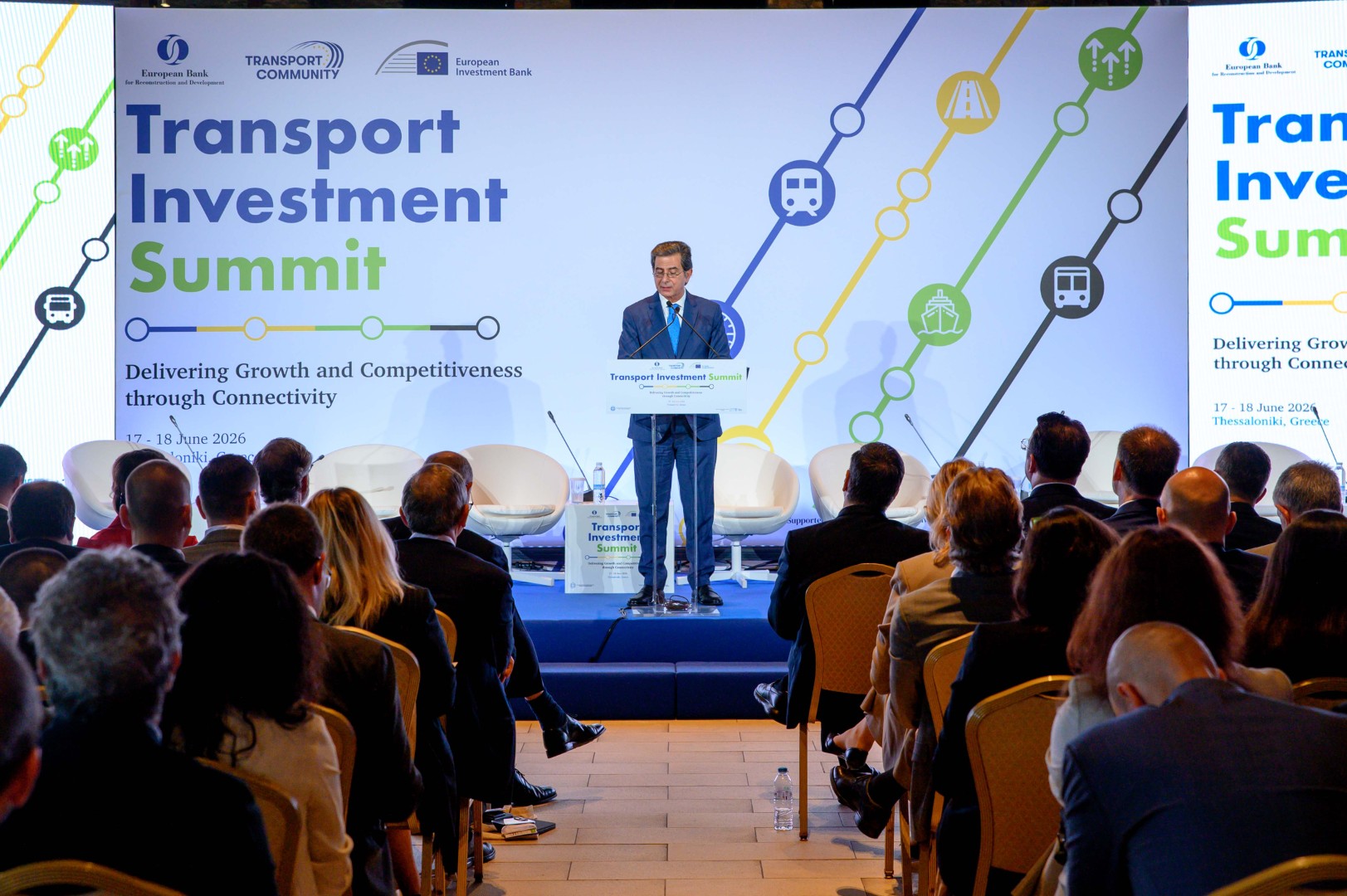
H.E. Mr Christos Stavrou Dimas, Minister of Infrastructure and Transport of the Hellenic Republic, underlined: “The Transport Investment Summit strategically positions Greece as the European gateway for connectivity between the Western Balkans, the Black Sea region and the Eastern Mediterranean, reinforcing our role as well as our responsibility as a regional transport, logistics and investment hub at the intersection of key EU enlargement and resilience priorities. Our priority must now be clear: to move from planning to implementation and from ambition to delivery”.
He concluded by saying that transport, energy, logistics and digital infrastructure must be approached as interconnected pillars of Europe’s long-term competitiveness and underlined that Greece remains committed to building a more connected, resilient and competitive Europe through practical cooperation and timely delivery of strategic infrastructure projects.
Mr Matej Zakonjšek, Director of the Permanent Secretariat of the Transport Community, said that the region has made important progress in defining its priorities and aligning with the EU standards.
“Now we must move from maps and plans to fast implementation. This means better prepared projects, stronger institutions, predictable procurement, coordinated financing and closer cooperation with the private sector. The Transport Community will continue supporting its partners so that transport investments become more bankable, more resilient and more beneficial for people and businesses,” he pointed out.
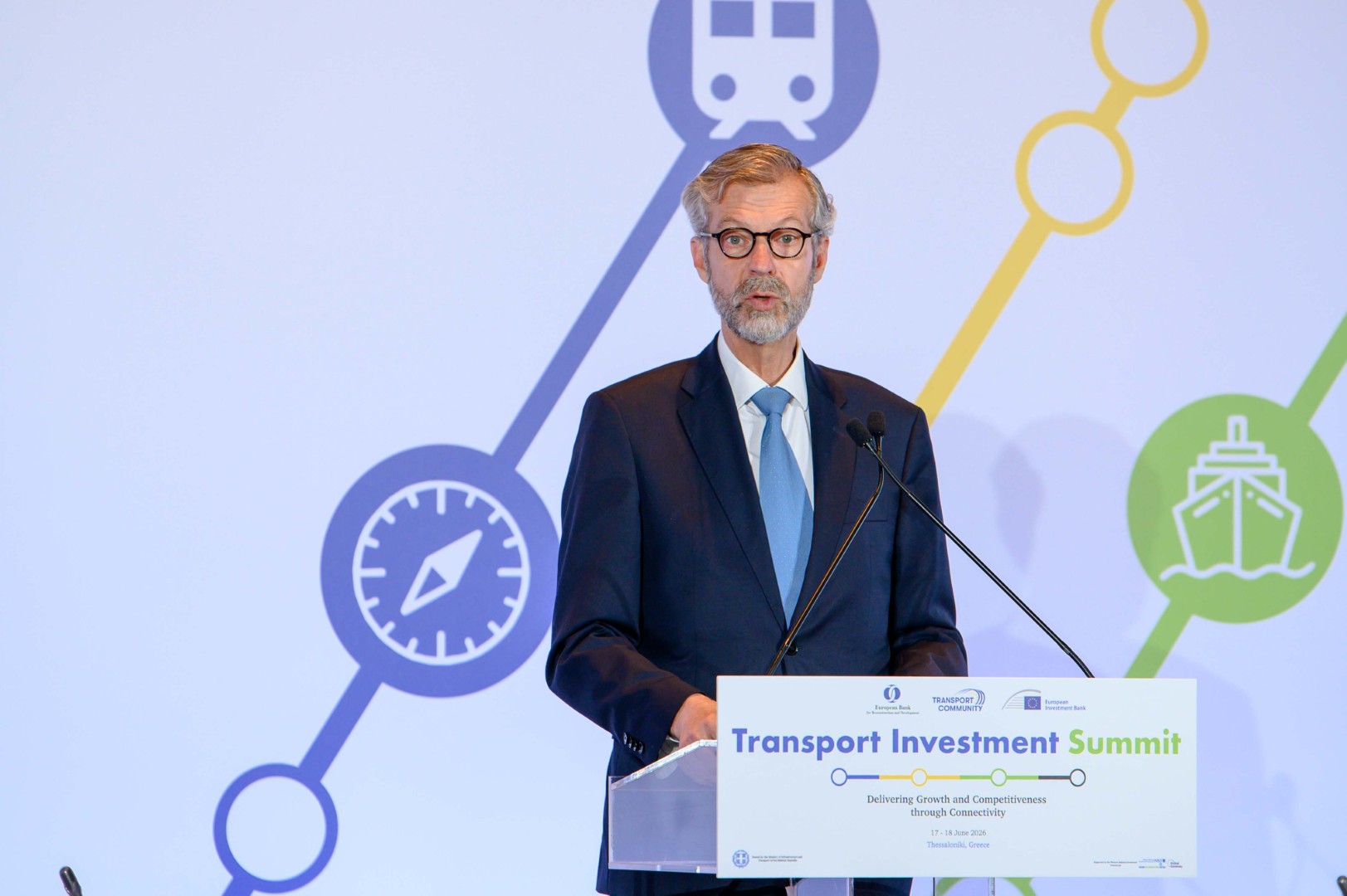
Mr Mark Bowman, Vice President, Policy and Partnership, European Bank for Reconstruction and Development, said: “The priorities are clear across the Western Balkans and neighboring regions – stronger connectivity, closer integration with the European Union and more competitive economies. The challenge now is delivery. This means accelerating project preparation, strengthening institutions and mobilising both public and private finance at scale. At the EBRD, we are working with partners to turn strategic corridors into bankable investments that can be implemented faster and more efficiently. By combining policy engagement, financing and advisory support, we can help ensure that transport investments deliver tangible benefits for businesses and citizens – boosting resilience, sustainability and long-term growth.”
Mr Robert de Groot, Vice President of the European Investment Bank, highlighted that effective connectivity is essential for a competitive and integrated Europe.
“The transport projects we support form part of a broader European network, linking regions such as the Western Balkans, Ukraine and Moldova, and strengthening integration, cooperation and market access. Stronger cross border links boost trade, investment and EU integration, but rely on seamless connections, interoperability and coordinated action. When aligned, connectivity drives competitiveness, resilience and cohesion. The EIB continues to support sustainable, cross border transport, helping build a more connected and prosperous Europe, with a strong focus on neighbouring and enlargement regions,” he underlined.
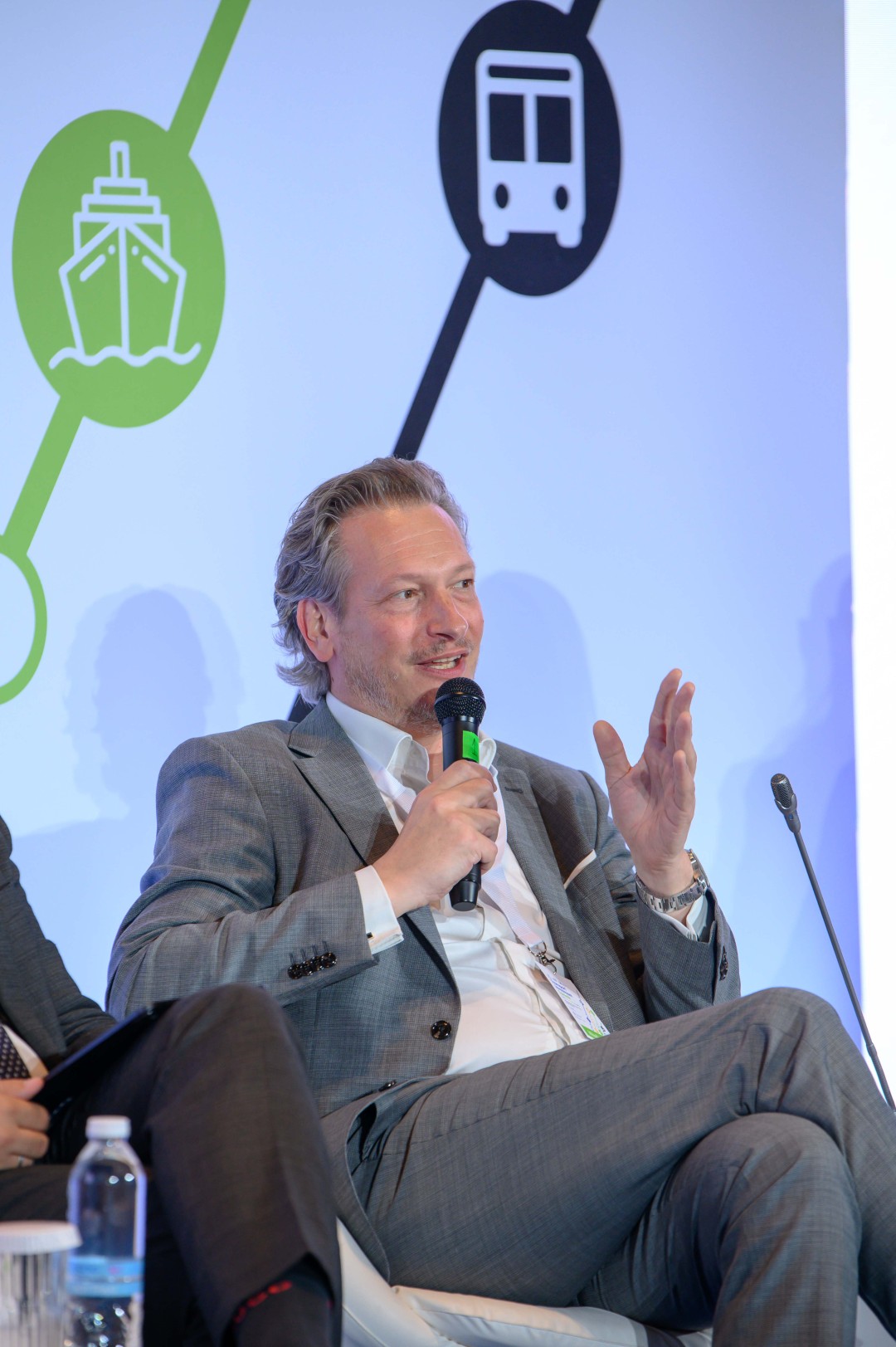
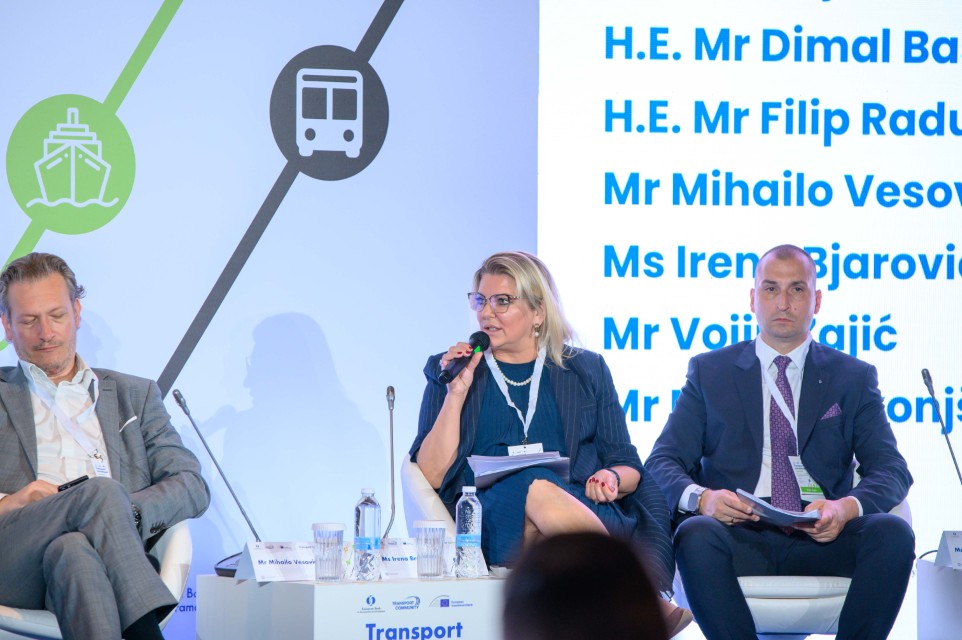
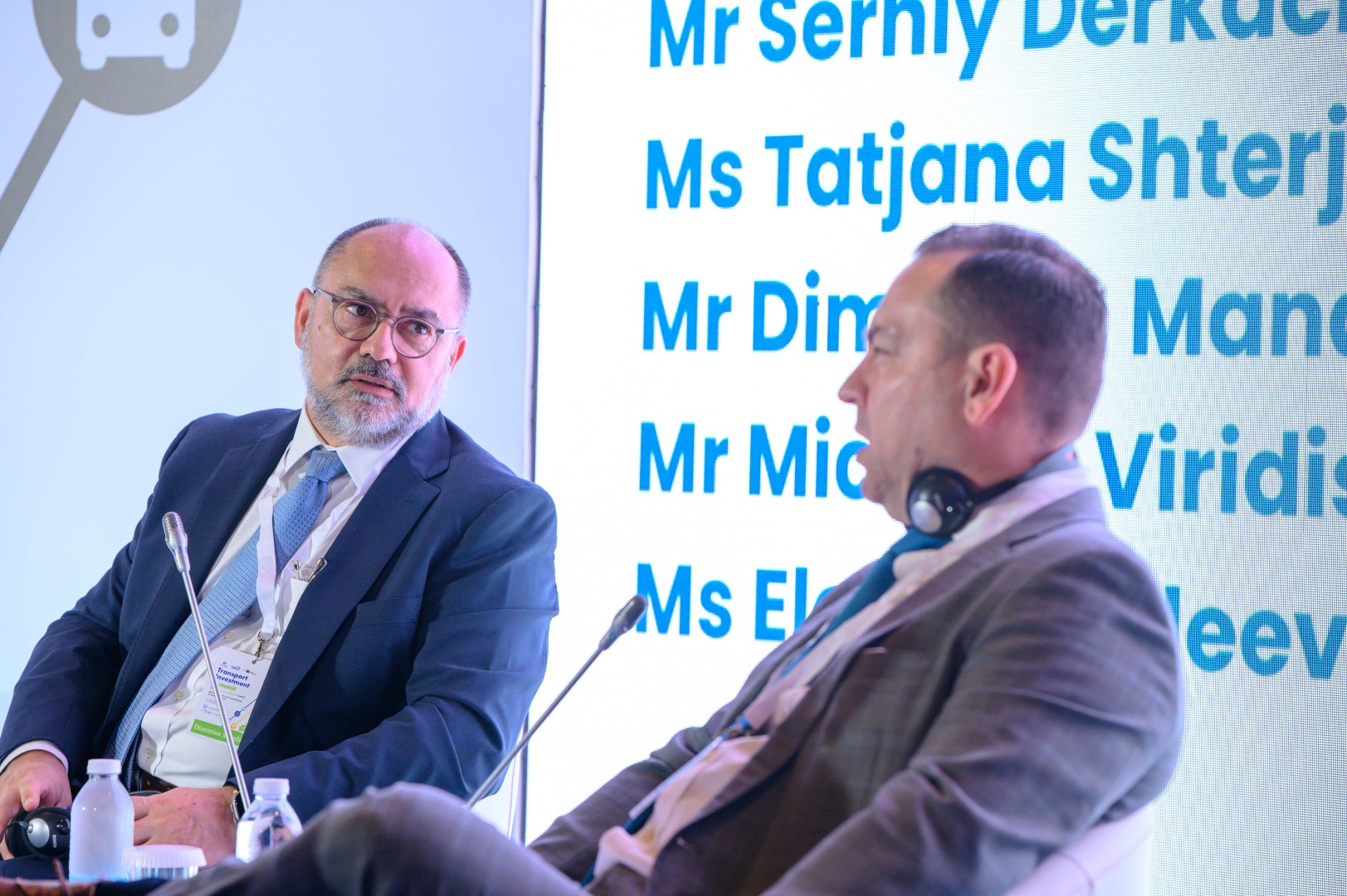
The Summit programme includes high-level welcoming remarks, a keynote address by Commissioner Tzitzikostas, and two thematic panels.
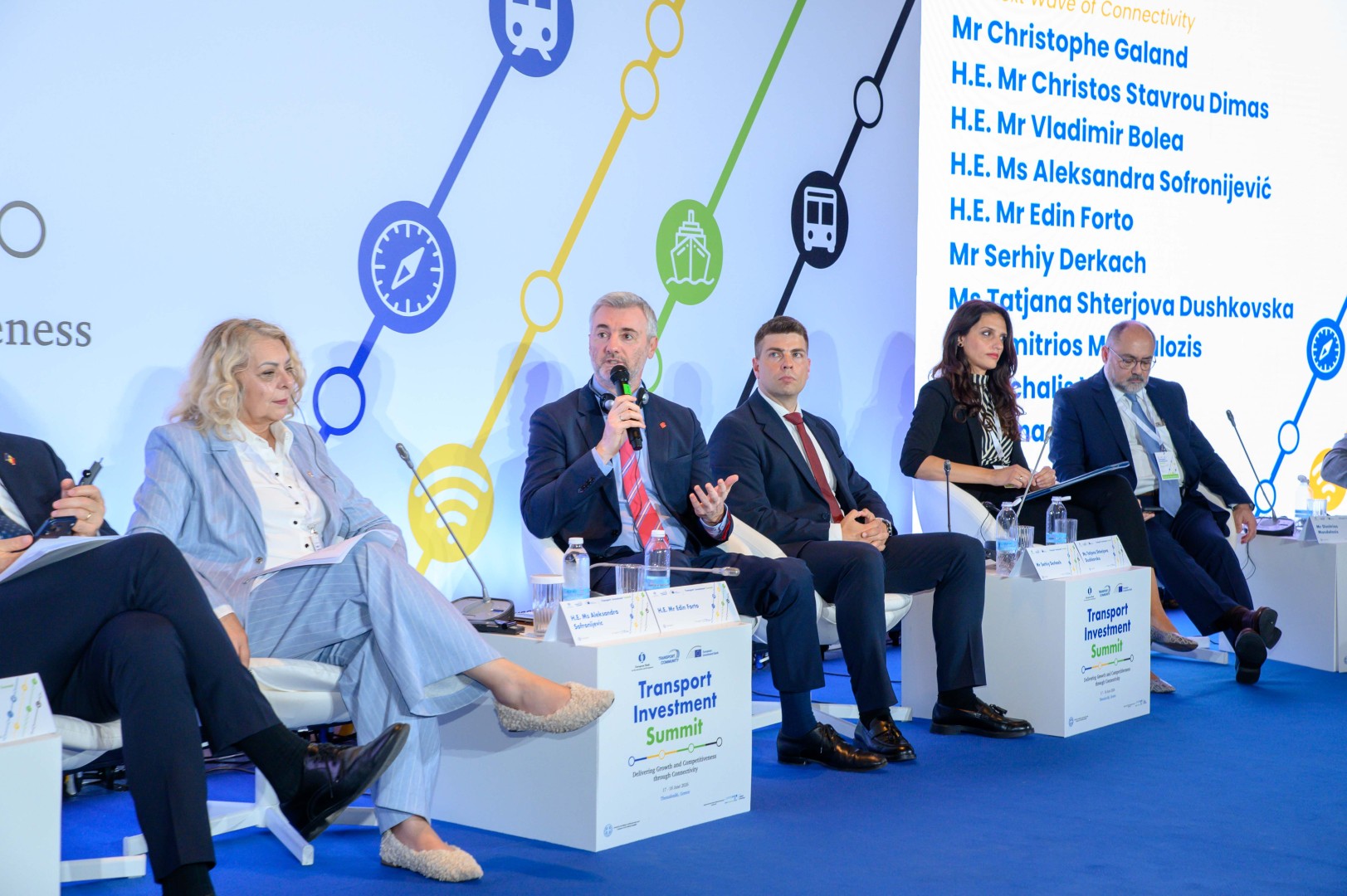
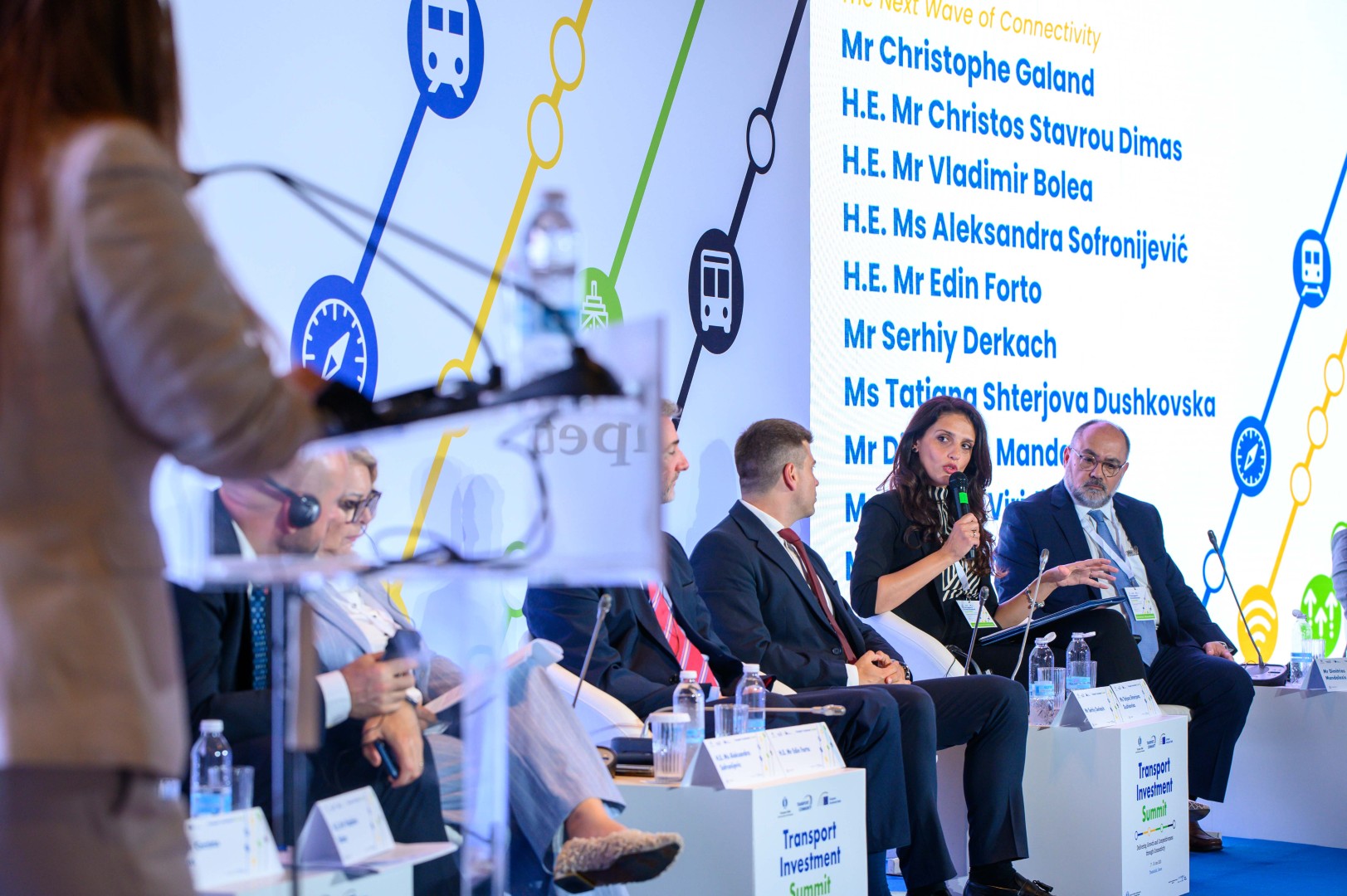
The first panel, “Delivering the TEN-T Extension: Infrastructure Priorities and Investment Challenges in the Western Balkans,” will focus on infrastructure priorities, investment gaps, project readiness and the delivery of the Western Balkans–Eastern Mediterranean Corridor. The second panel, “The Next Wave of Connectivity: Emerging Investment Opportunities Across the Regions,” will address new opportunities for transport investment, private-sector participation and cooperation across the Western Balkans and EU neighbouring regions.
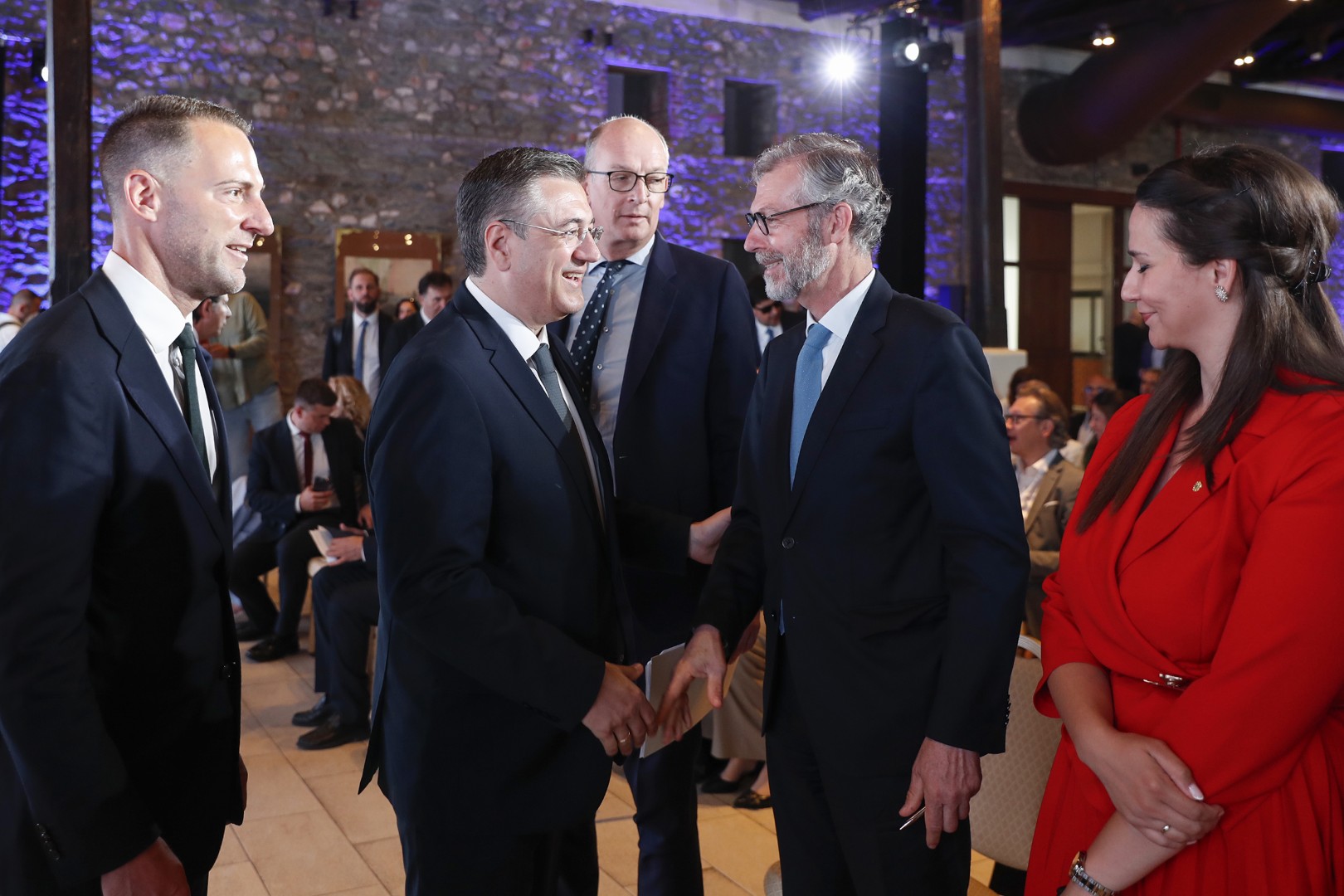
A dedicated networking session will provide space for bilateral meetings between administrations and private-sector representatives, helping identify concrete opportunities for cooperation and project delivery.
The key outcomes of the Summit are expected to include practical conclusions on improving project preparation, donor coordination, public-private cooperation and investment readiness. These conclusions will feed into follow-up discussions linked to the Berlin Process and Growth Plan agendas.
Transport investments are not an end in themselves. Their purpose is to reduce bottlenecks, improve safety, make trade routes more reliable, connect markets and create more opportunities for citizens and businesses. Through the Transport Investment Summit, the organisers are working to ensure that connectivity priorities become tangible results.