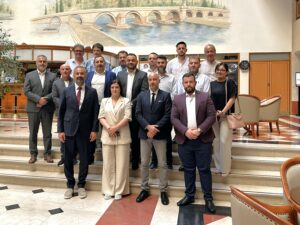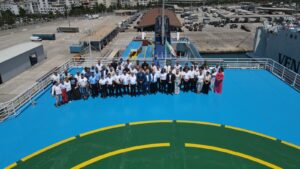
HELSINKI – Road authorities and railway infrastructure managers from across the Western Balkans signed two Climate Resilience Annexes in Helsinki on 3 June, enhancing regional cooperation in protecting critical transport infrastructure from the growing impact of extreme weather events.
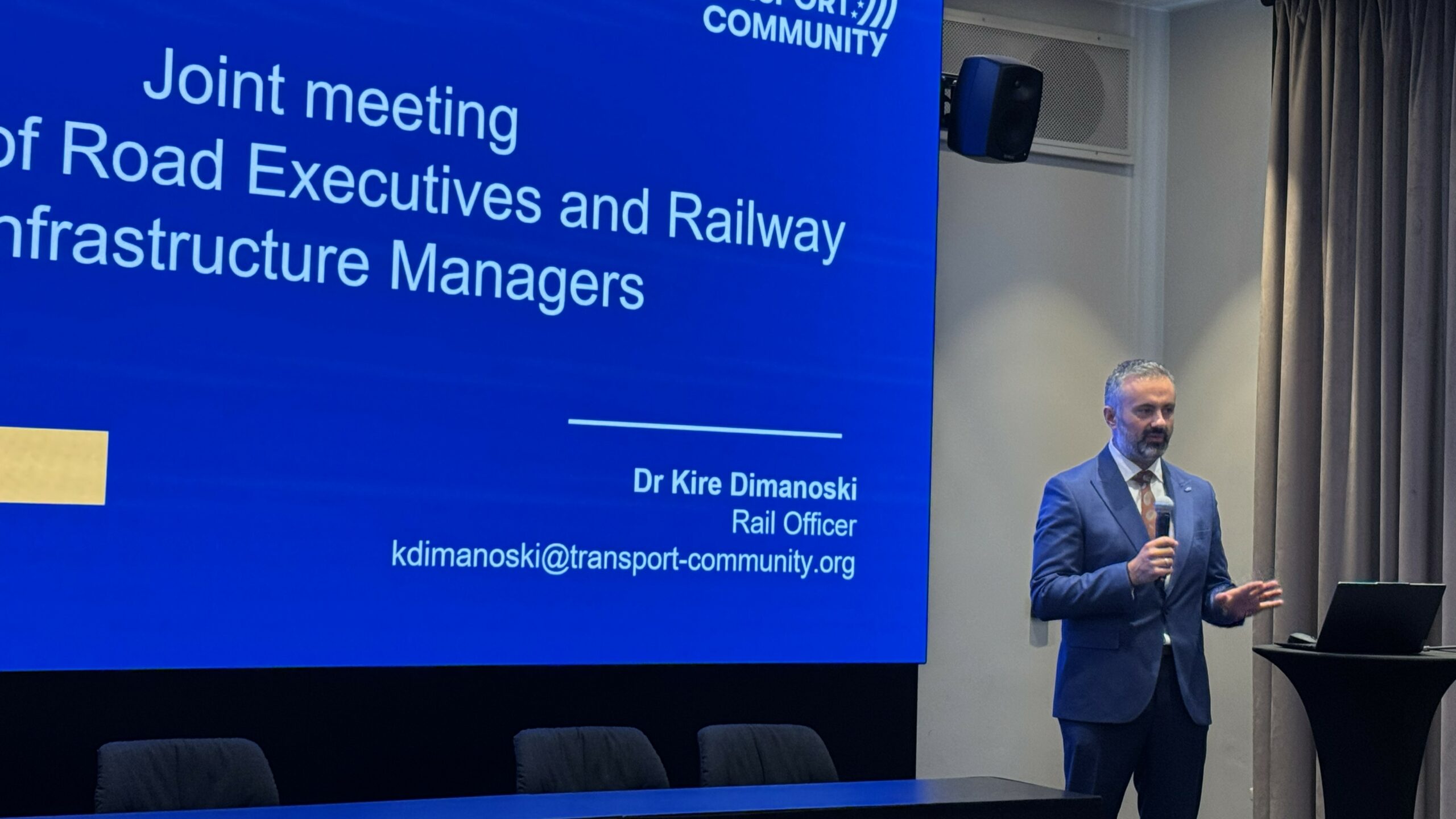
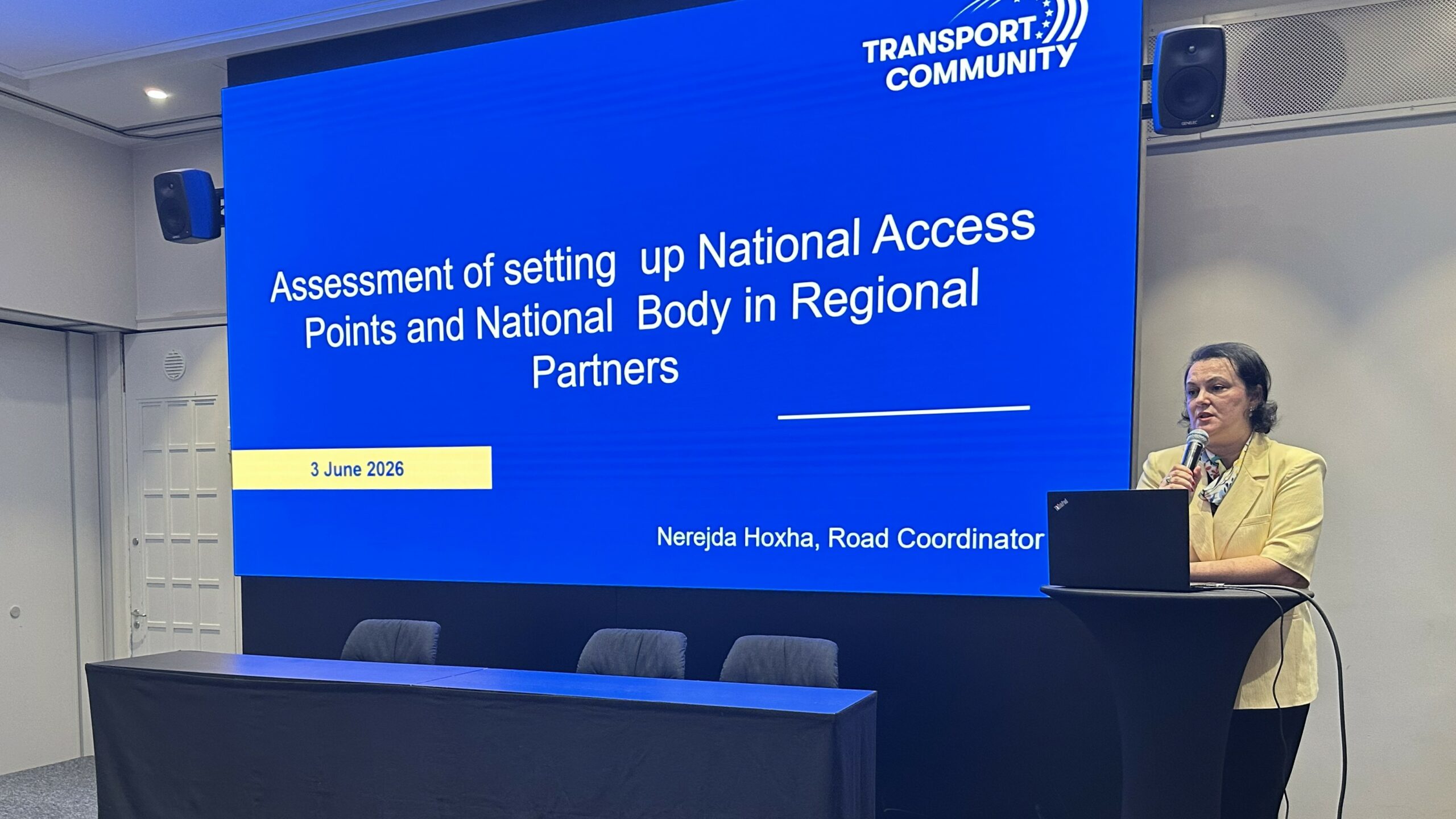
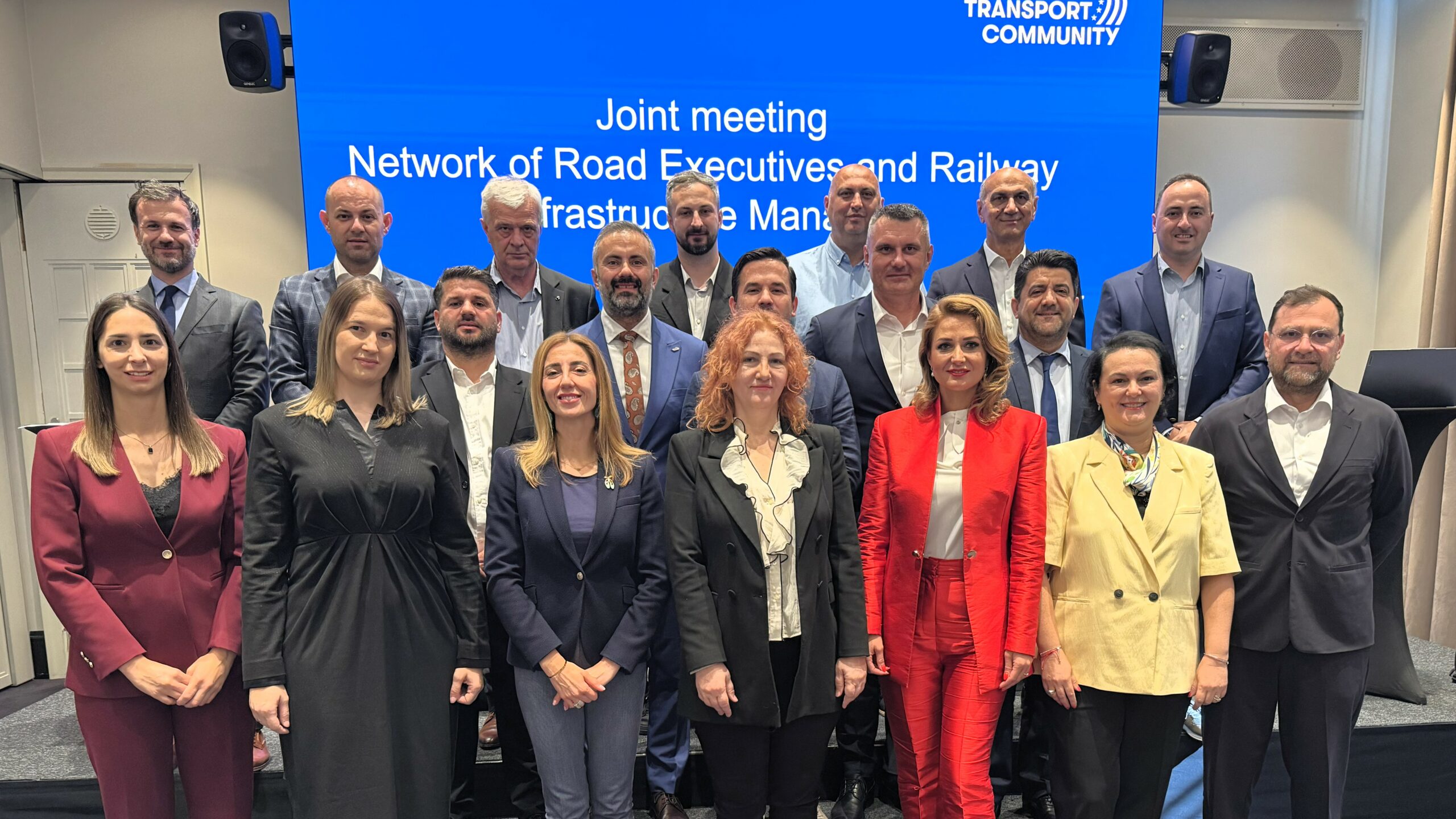
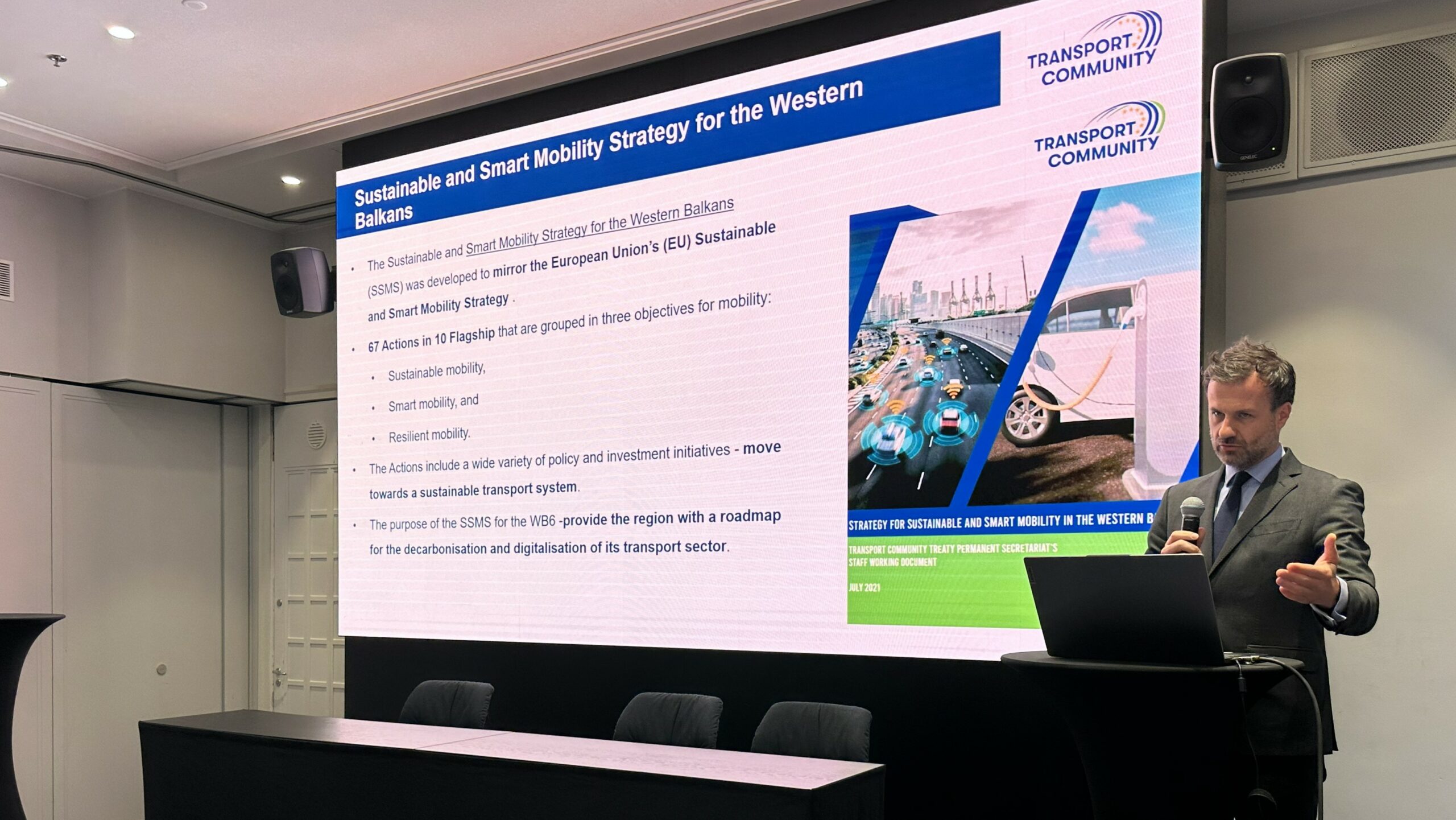
The signing took place during the joint meeting of the Network of Road Executives and Railway Infrastructure Managers, organised by the Transport Community. The two Annexes complement the existing Memoranda of Understanding of the Road Executives Network and the Railway Infrastructure Managers Network, creating structured cooperation frameworks for climate-proofing road and rail infrastructure.
The new frameworks are designed to help infrastructure managers move from reactive responses to climate-related disruptions towards a more coordinated, proactive and operational approach. They establish mechanisms for mutual support, real-time information sharing, joint capacity building, emergency assistance, resource mobilisation and coordinated recovery efforts.
Climate change is already placing increasing pressure on transport infrastructure across the region. Floods, landslides, high temperatures, sea surges and snowdrifts can disrupt mobility, damage critical links and affect trade, supply chains and everyday life. The Annexes recognise that these risks often have cross-border consequences and therefore require a regional response.
Through the signed Annexes, participating road authorities and railway infrastructure managers commit to providing, where possible, technical expertise, workforce support, equipment, materials and logistical assistance to affected partners during extreme weather events. The frameworks also introduce common notification procedures and incident reporting templates, helping ensure that support can be requested and coordinated more quickly.
The signing ceremony was followed by a high-level roundtable discussion titled “The Day After: From Commitment to Action”, where road and rail leaders discussed next steps for implementation. The discussion focused on how cooperation will change after the signing, how the Annexes can support faster response and recovery, what information and support can no longer be handled in isolation, and what should be prioritised during the first months of implementation.
Mr Ljubo Pravdić, General Manager of JP Ceste FBiH, welcomed the signing as an important step towards stronger institutional cooperation: “JP Ceste FBiH welcomes the signing of the Annex to the Memorandum of Understanding as an important step towards strengthening institutional cooperation and enhancing the resilience of road infrastructure to challenges caused by extreme weather events. Through stronger coordination, exchange of information and joint action among infrastructure managers, conditions are being created for more efficient risk management, faster response in emergency situations and the long-term sustainability of the transport network.”
Ms Jovana Đurović, Assistant Director for Strategy, Design and Development at Putevi Srbije, underlined that the Annex enables more structured cooperation and faster information exchange in managing climate-related disruptions on the road network.
Ms Marijana Ostojić, Chief Engineer for Traffic Monitoring, Management and Safety at Monteput, highlighted that the Annexes establish a more operational and proactive form of cooperation between infrastructure managers. “Instead of occasional communication, the Annexes establish a common framework for real-time information exchange, coordinated response in emergency situations, mutual technical assistance and joint resilience planning. This means that infrastructure managers will act as part of a regional support network, particularly in situations where extreme weather events threaten road infrastructure,” she said.
For railway infrastructure managers, the signing also represents a shift towards more coordinated regional preparedness.
Mr Ergys Verdho, CEO of Albanian Railways, described the Annex as a move from commitment to concrete operational cooperation. “The signing of this Annex represents a decisive step toward translating regional commitment into a concrete operational framework for climate-resilient railway infrastructure. As extreme weather events become increasingly frequent and unpredictable, stronger cross-border coordination, joint preparedness and rapid response mechanisms are no longer optional, but essential to safeguard the continuity, safety and long-term sustainability of strategic transport corridors and regional connectivity,” he pointed out.
Mr Bujar Jupaj, Chief Executive Officer of INFRAKOS J.S.C., said that the Annex marks a vital milestone in ongoing efforts to modernise Kosovo*’s railway network. “This signing represents a definitive shift from isolated national operations to a coordinated regional framework, empowering us to enhance the climate resilience and safety of our critical assets against extreme weather events,” he underlined.
Ms Marina Bošković, Executive Director of Railway Infrastructure of Montenegro, emphasised that climate-related risks do not stop at administrative borders and that responses must therefore be organised, coordinated and based on joint action.
Mr Sherif Abdulahi, Deputy Director of the Public Enterprise for Railway Infrastructure – Railways of North Macedonia, said that the framework strengthens climate resilience across Western Balkan rail networks. “This cooperation marks a decisive step toward safeguarding critical infrastructure and supporting regional stability,” he said.
Mr Anel Topalović, Acting Executive Director for Development and Investment of PE Railways of the FBiH, pointed to the real consequences of climate-related disruptions. “The floods that struck the Jablanica area in October 2024 demonstrated in the starkest terms the price we pay when infrastructure is not resilient to climate extremes. Damage to the railway section between Donja Jablanica and Grabovica brought complete rail traffic to a standstill on one of the region’s key corridors, and the restoration effort lasted four full months. As an infrastructure manager that experienced these consequences first-hand, we recognise the value of structured regional cooperation,” he said.
The Transport Community will support the implementation of the Annexes by facilitating coordination among infrastructure managers, supporting the development of common procedures and reporting tools, promoting the exchange of best practices, and helping identify available national, regional and EU funding opportunities.





______________
* This designation is without prejudice to positions on status, and is in line with UNSCR 1244/1999 and the ICJ Opinion on the Kosovo declaration of independence