
BRUSSELS – The Transport Community joined the launch of the European Union’s Connectivity Agenda Platform in Brussels on 23 June 2026, marking a new step in strengthening cooperation across Europe, the Western Balkans, the Black Sea region, the South Caucasus and Central Asia.
During the high-level ministerial meeting, the European Commission and the Permanent Secretariat of the Transport Community signed an Exchange of Letters expressing their mutual interest in exploring cooperation between the Connectivity Agenda Platform Secretariat and the Permanent Secretariat of the Transport Community. The cooperation will focus on supporting the integration of the Western Balkans, the observing participants of the Transport Community (Georgia, Moldova, and Ukraine) and Connectivity Agenda Platform participants into the wider European transport area through practical connectivity measures and policy cooperation.
Hosted by European Commissioner for Enlargement Ms Marta Kos and Commissioner for Sustainable Transport and Tourism Mr Apostolos Tzitzikostas, the event brought together ministers, senior government representatives, international financial institutions and transport stakeholders from Europe, the Black Sea region, the South Caucasus and Central Asia.
The Connectivity Agenda Platform was established under the EU Global Gateway strategy to coordinate investments and policy actions in transport, energy, digital connectivity and trade. As part of the initiative, the European Commission concluded statements of intent with international financial institutions expected to mobilise up to €2 billion for strategic investments in transport infrastructure, border crossing points and trade facilitation across the Black Sea region and the South Caucasus.
“The launch of the Connectivity Agenda Platform reflects a growing understanding that connectivity is essential for economic development, competitiveness and regional integration. The Transport Community is proud to contribute its experience in transport reform, corridor development and regional cooperation to this broader effort,” said Mr Matej Zakonjšek, Director of the Permanent Secretariat of the Transport Community.
As part of the event, Mr Zakonjšek moderated three high-level panel discussions focusing on key connectivity priorities across the wider region.
The first panel explored transport connectivity and trade facilitation along the Trans-Caspian Transport Corridor, bringing together representatives from Central Asia, international financial institutions and transport stakeholders to discuss measures aimed at improving corridor efficiency, competitiveness and operational performance.
The second panel focused on transport and logistics connectivity in the South Caucasus, discussing opportunities to strengthen regional cooperation, improve infrastructure and unlock the potential of emerging trade routes connecting Europe and Central Asia.
The final panel examined developments and investment priorities in the trade and transport sectors of Ukraine and the Republic of Moldova, highlighting the strategic importance of resilient transport links, efficient border crossings and stronger integration with the European transport network.
The discussions underlined the growing importance of cross-regional connectivity in supporting trade, economic resilience and sustainable growth. Participants emphasised the need for coordinated investments, regulatory cooperation and stronger partnerships between governments, international financial institutions and the private sector.
Building on its experience in extending the Trans-European Transport Network (TEN-T), supporting transport market integration and facilitating regional cooperation in the Western Balkans and observing participants, the Transport Community stands ready to contribute to the implementation of the Connectivity Agenda Platform and the development of stronger transport links across Europe’s wider neighbourhood.
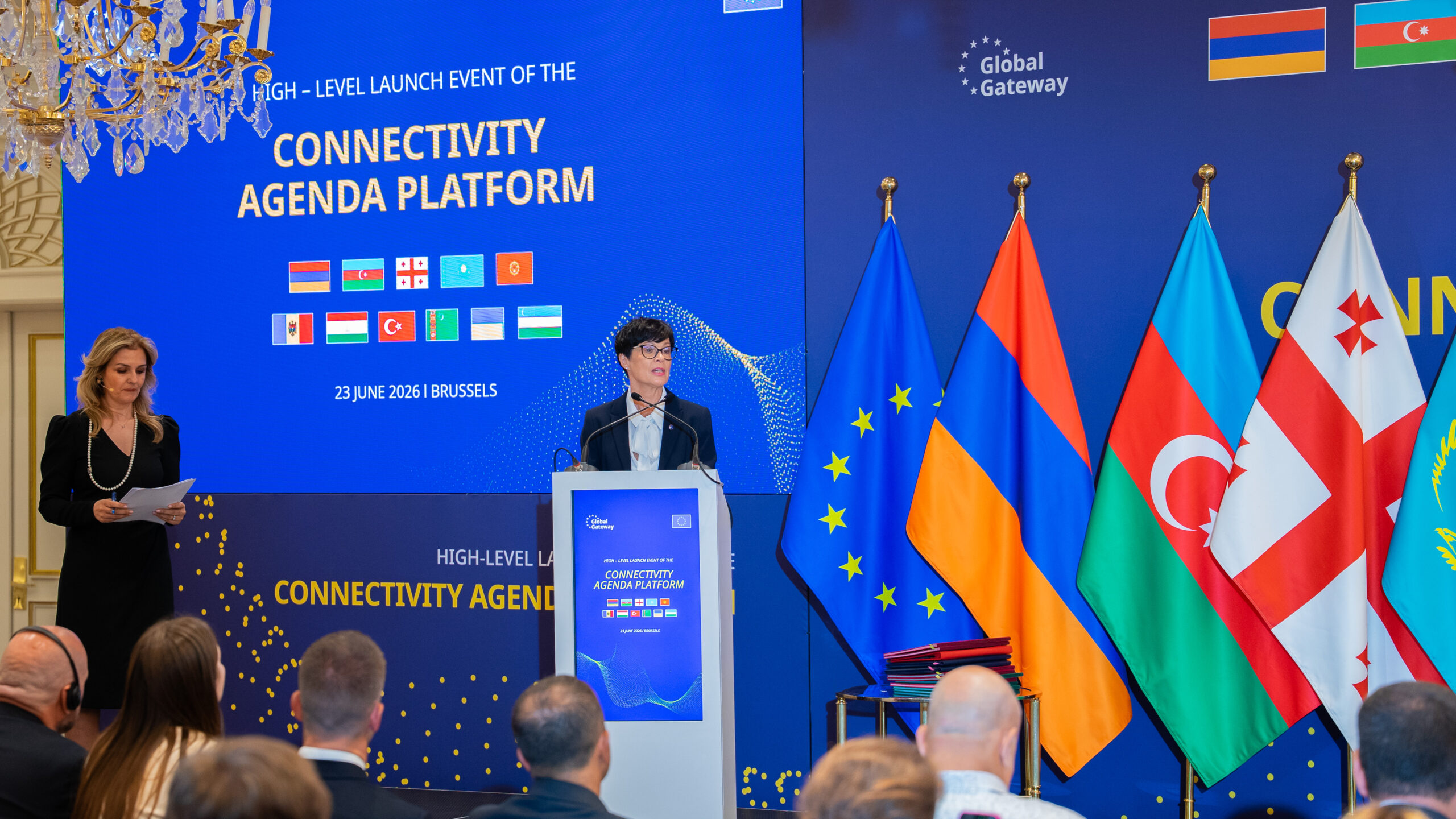
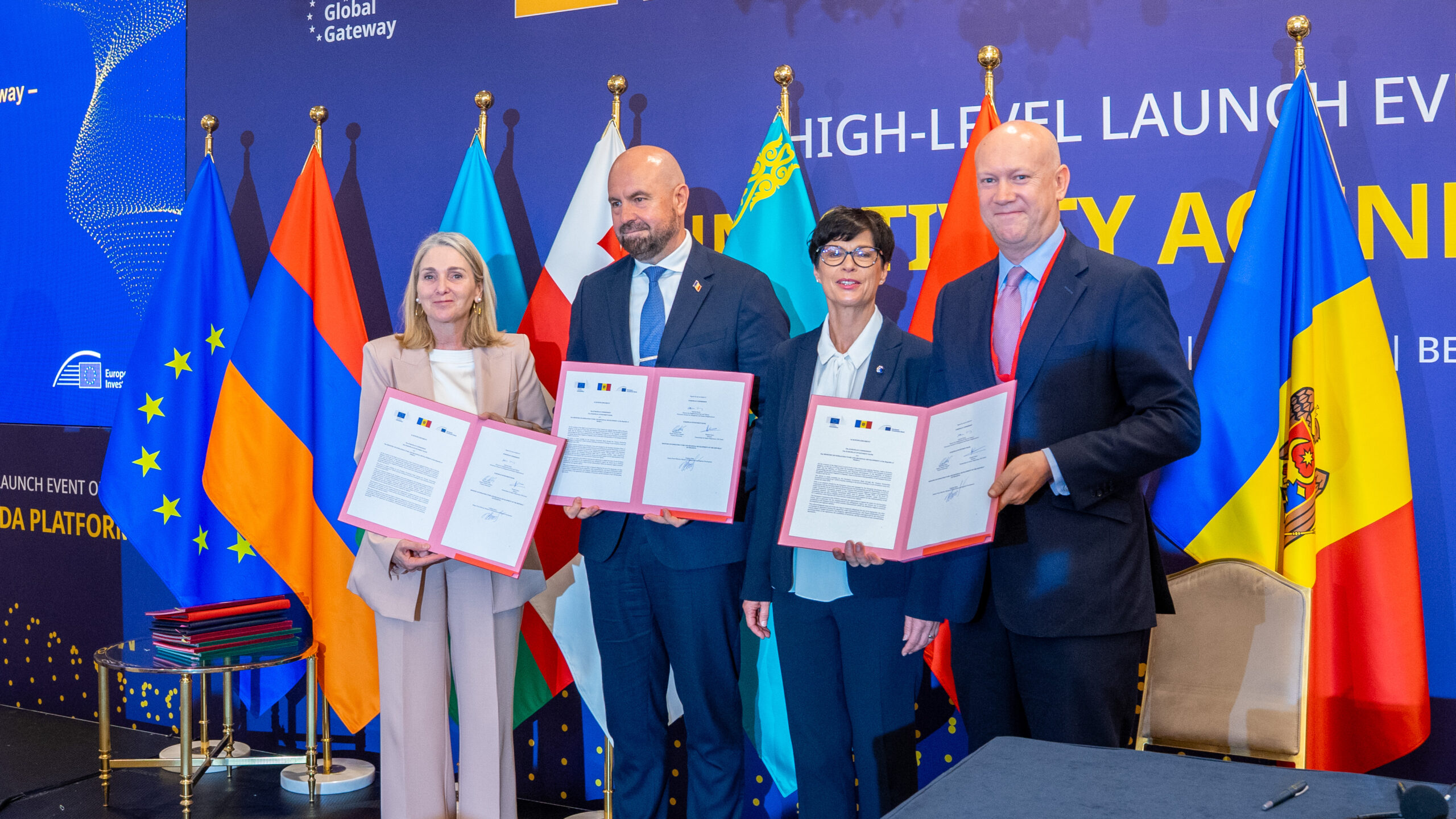
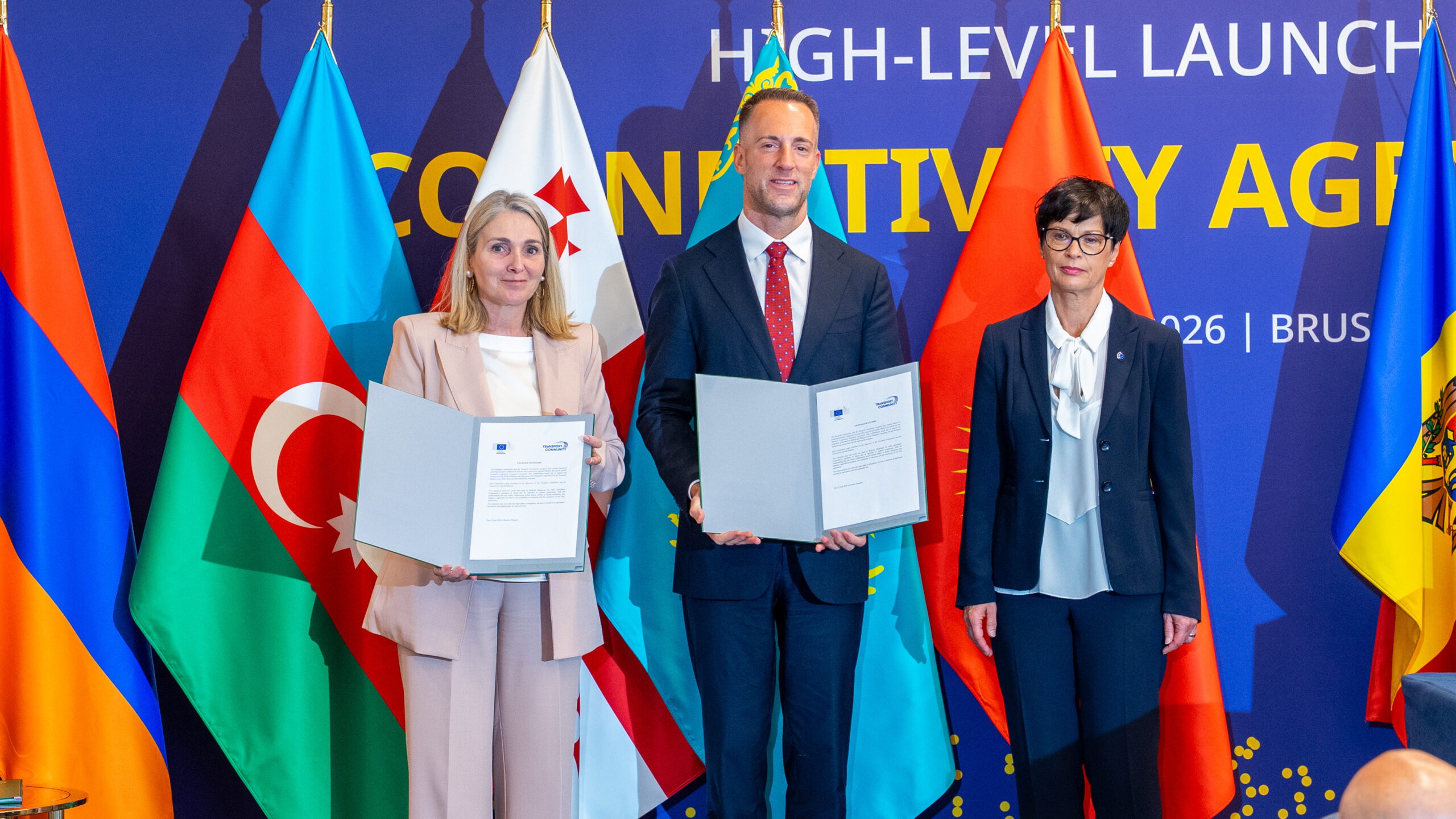
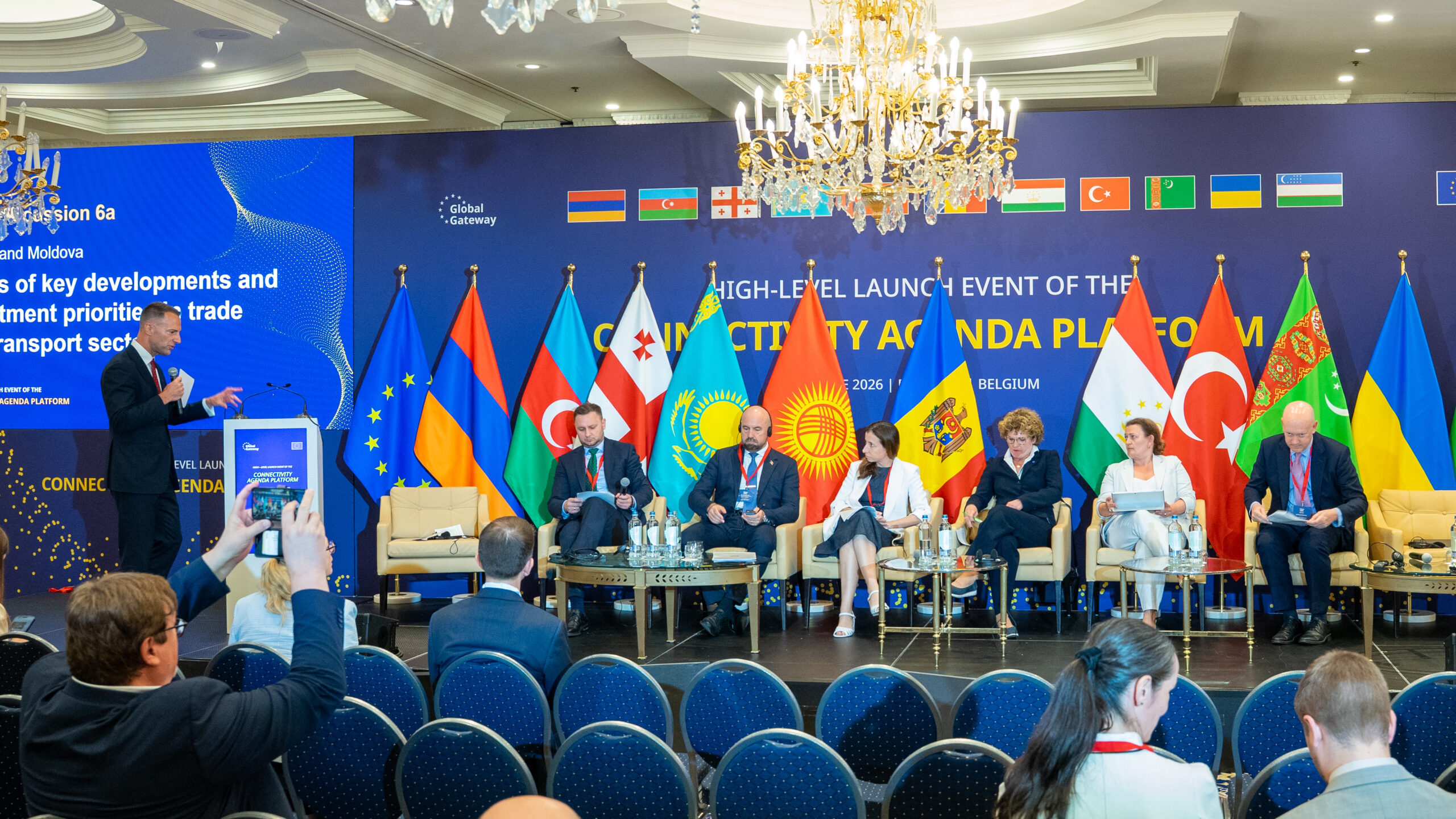
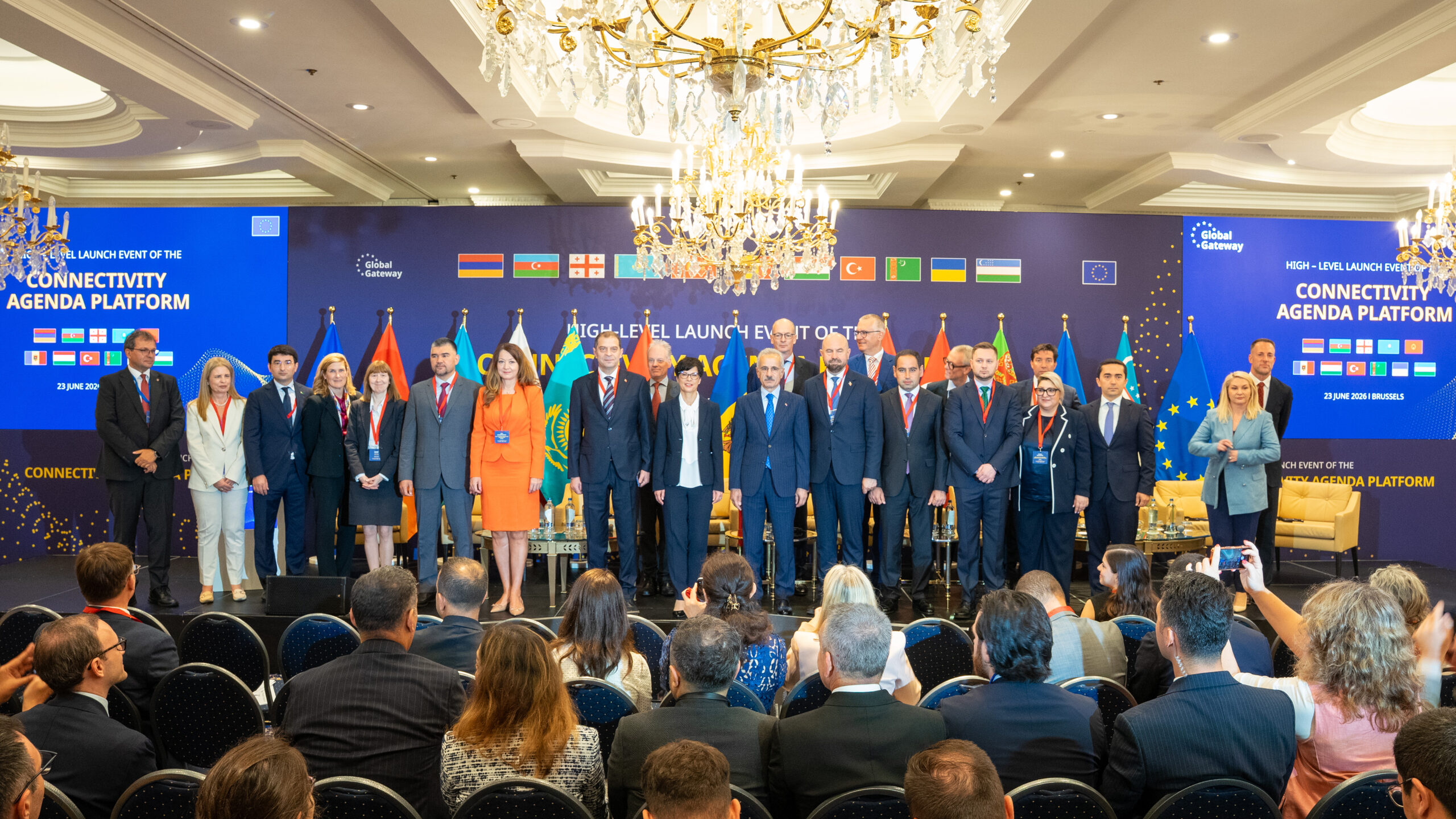
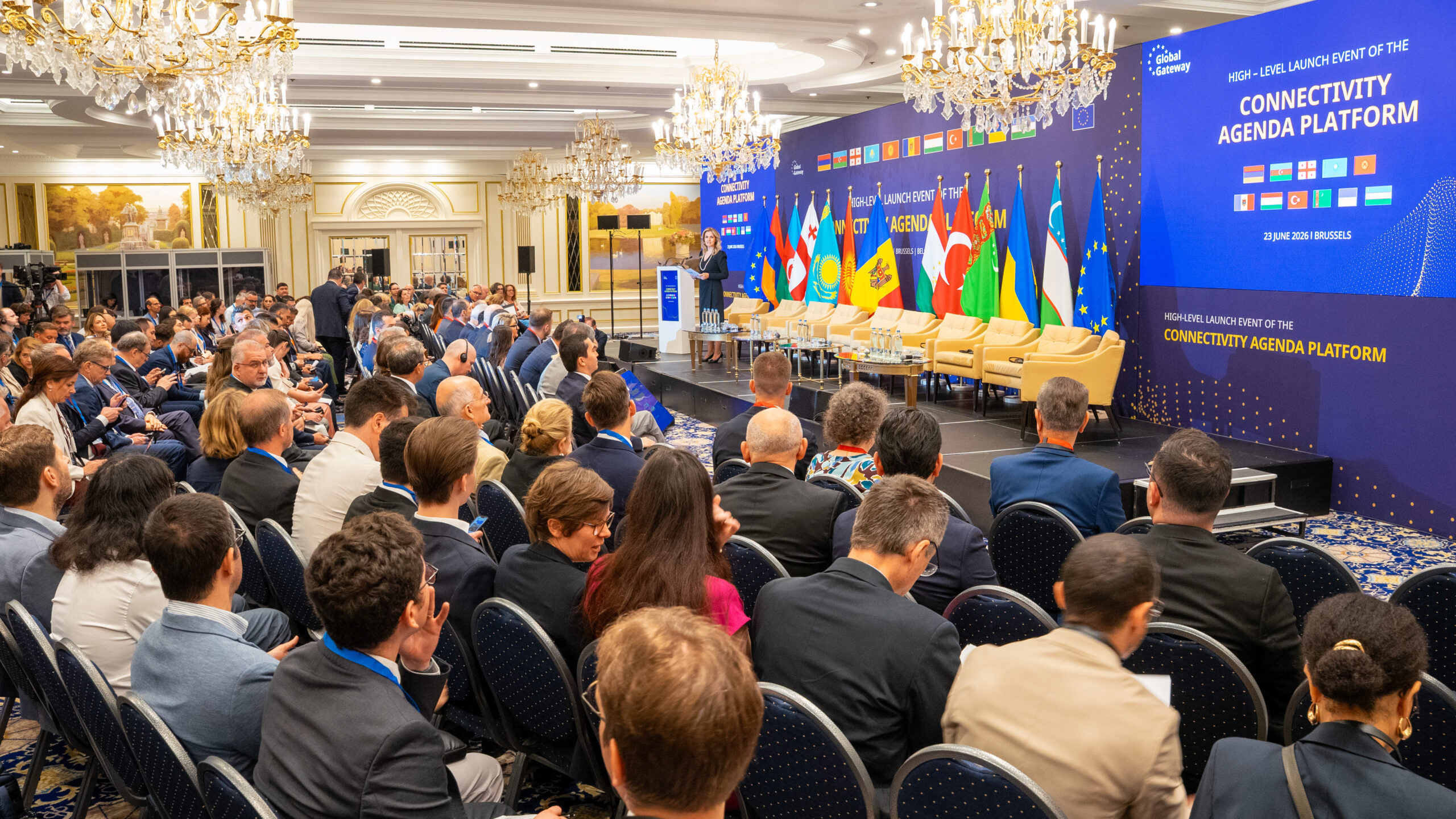
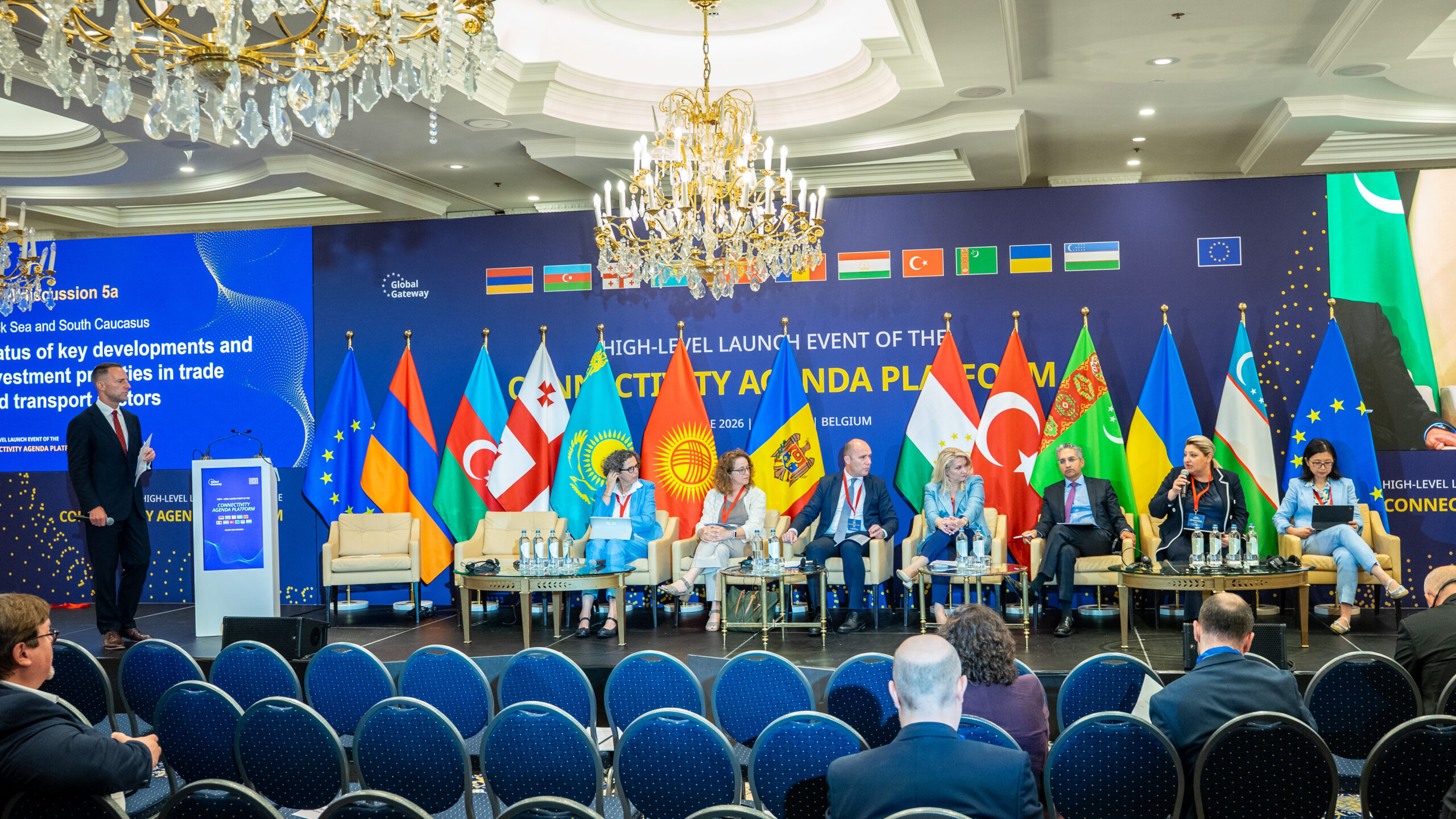
Photo: European Union